
Navigating the skies between two of America’s most vibrant metropolises, New York City and Miami, is a common and often essential journey for millions of travelers each year. Whether you’re embarking on a business trip, a relaxing beach vacation, or a cultural exploration, understanding the typical flight duration is a crucial piece of information for planning. While the distance itself is relatively short for a transcontinental flight, several factors can influence the actual time spent in the air. This guide will delve into the specifics of flight times from New York to Miami, exploring the variables that contribute to the overall travel experience.
Understanding the Factors Influencing Flight Duration
The apparent simplicity of a flight’s duration belies a complex interplay of elements that dictate how long you’ll be airborne. For the route between New York and Miami, these factors are particularly relevant.
Direct vs. Connecting Flights
The most significant determinant of flight time is whether you opt for a direct flight or one with layovers.
Direct Flights: The Swiftest Path
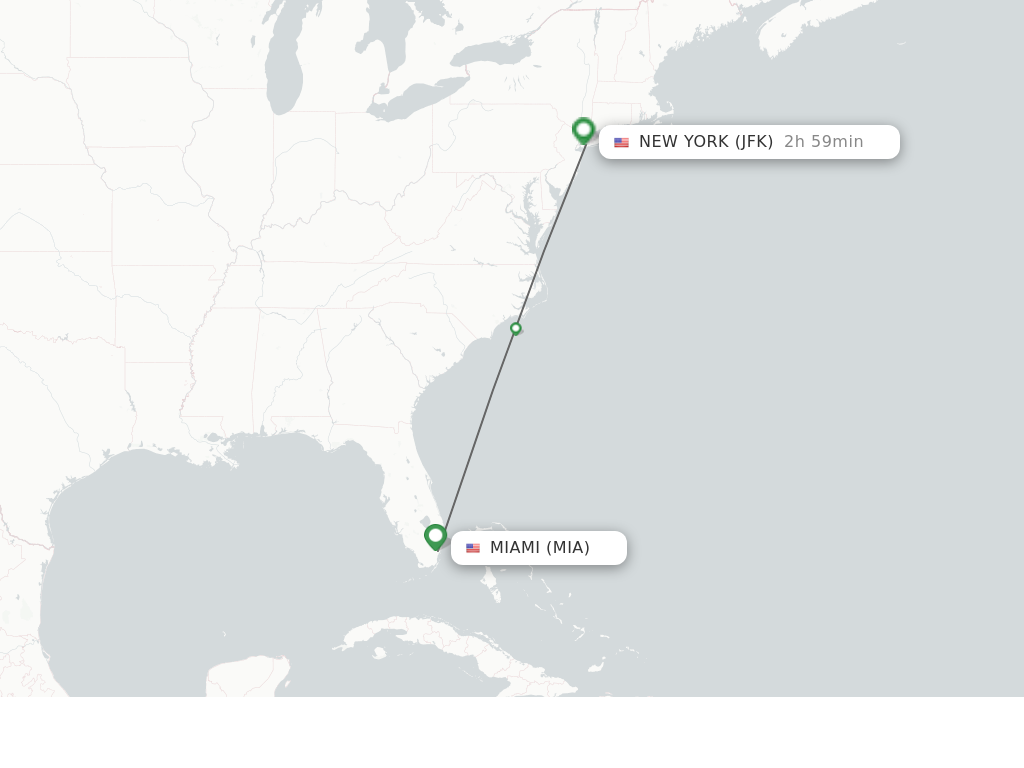
Direct flights, by their very nature, offer the most efficient travel time. They depart from a New York area airport (such as John F. Kennedy International Airport – JFK, LaGuardia Airport – LGA, or Newark Liberty International Airport – EWR) and land directly at a Miami area airport (typically Miami International Airport – MIA, or sometimes Fort Lauderdale-Hollywood International Airport – FLL).
On average, a direct flight between these two cities spans approximately 2 hours and 30 minutes to 3 hours. This is the “wheels-up to wheels-down” time. It’s important to remember that this does not include time spent on the tarmac before takeoff or after landing, nor does it account for the time spent navigating the airport, security checks, or boarding.
Connecting Flights: The Trade-Off for Potentially Lower Fares
Connecting flights, while often a more budget-friendly option, inevitably add significant time to your journey. A layover can occur in a variety of cities, such as Charlotte, Atlanta, or even further afield, depending on the airline and your specific itinerary.
The total travel time for a connecting flight can vary dramatically, ranging from 4 hours to upwards of 8 hours or more. This includes the flight segments themselves, the duration of the layover, and the time required to deplane, navigate the connecting airport, and re-board. For travelers prioritizing speed, direct flights are almost always the preferred choice. However, for those on a tighter budget or with flexibility in their schedule, a connecting flight can be a viable alternative.
Aircraft Type and Airline Efficiency
While not as impactful as the direct vs. connecting factor, the type of aircraft used by an airline and their operational efficiency can subtly influence flight times. Larger, more modern aircraft are often capable of slightly faster cruising speeds. Similarly, airlines with a reputation for efficient operations and streamlined boarding processes might shave a few minutes off the overall journey. However, for a route as well-traveled as New York to Miami, the differences between major carriers are typically marginal.
Weather Conditions and Air Traffic Control
Unforeseen circumstances, such as adverse weather conditions and busy air traffic control, can introduce delays or alter flight paths.
Weather: The Unpredictable Element
Severe weather in either New York or Miami, or along the flight path, can lead to flight delays or diversions. Thunderstorms, common in both regions, can necessitate holding patterns before landing or adjustments to flight routes to avoid turbulent areas. Wind speed and direction can also play a role, potentially affecting the flight duration by a few minutes in either direction.
Air Traffic Control: The Art of Flow Management
The airspace between New York and Miami is one of the busiest in the United States. Air traffic control (ATC) plays a critical role in managing the flow of aircraft safely and efficiently. During peak travel times or periods of high congestion, ATC may implement ground delays or airborne holding patterns to prevent overcrowding in the skies or at airports. These measures, while essential for safety, can add unexpected minutes to your flight.
Jet Streams: Nature’s Tailwinds and Headwinds
The jet stream, a fast-flowing, narrow air current found in the atmosphere, can significantly impact flight times. Flying with the jet stream, known as a tailwind, can reduce flight duration, while flying against it, a headwind, will lengthen it. The direction and strength of the jet stream vary depending on the season and atmospheric conditions. For eastbound flights (like New York to Miami), the jet stream often provides a tailwind, contributing to the typically shorter flight times compared to westbound journeys.
Typical Flight Durations and What to Expect
Let’s break down the average flight times and what these numbers translate to in terms of your travel experience.
The Average Direct Flight: A Swift Transition
As mentioned, a direct flight from New York to Miami typically hovers between 2 hours and 30 minutes and 3 hours. This is the block time, encompassing the entire duration from when the aircraft begins to move under its own power (pushback from the gate) until it stops at the destination gate.
When booking, you’ll often see advertised flight times that refer to the scheduled departure and arrival. These scheduled times are generally aligned with the average block times. For instance, a flight scheduled to depart at 9:00 AM and arrive at 11:45 AM would have a scheduled duration of 2 hours and 45 minutes.
Planning Your Airport Time
It’s crucial to remember that the flight duration is only one part of the travel equation. To accurately gauge your total travel time, you must factor in:
- Arrival at the Airport: Airlines typically recommend arriving at the airport 2 to 3 hours before a domestic flight. This allows ample time for check-in, baggage drop (if applicable), and navigating security.
- Boarding Time: Boarding usually begins 30 to 45 minutes before the scheduled departure.
- Deplaning and Baggage Claim: Upon arrival, it can take 15 to 30 minutes to exit the aircraft and proceed to baggage claim.
- Ground Transportation: Once you’ve collected your luggage, you’ll need to factor in time for transportation from the airport to your final destination in Miami, whether by taxi, ride-sharing service, rental car, or public transport.
Therefore, while the flight itself might be around 3 hours, your total journey from leaving your New York accommodation to arriving at your Miami accommodation could easily be 5 to 7 hours.
Choosing Your Departure and Arrival Airports
The choice of airport in both New York and Miami can subtly influence your travel experience and, to a lesser extent, your flight time.
Major Airports Serving the New York Metropolitan Area
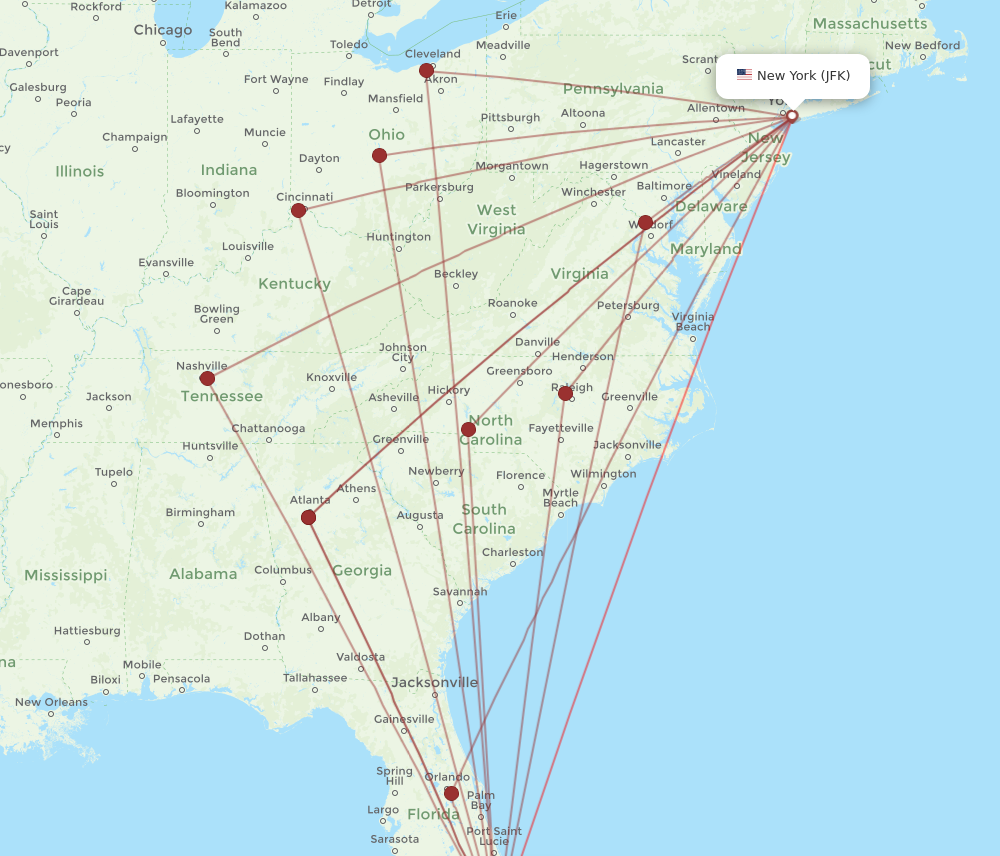
- John F. Kennedy International Airport (JFK): A major international hub, JFK offers a vast array of direct flights to Miami operated by numerous carriers. Its size means you should allow ample time for navigating the terminals.
- LaGuardia Airport (LGA): Primarily serving domestic flights, LGA is often more convenient for travelers within the city. It is also a significant hub for flights to Florida.
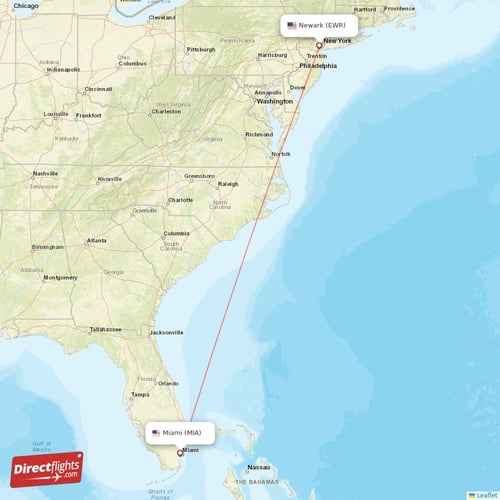
- Newark Liberty International Airport (EWR): Located in New Jersey, EWR is another major gateway to Miami and offers a good selection of flights, particularly with United Airlines.
The distance between these airports and your starting point in New York can affect your overall travel time to the airport.
Key Airports Serving the Miami Metropolitan Area
- Miami International Airport (MIA): This is the primary international gateway for South Florida and the most common destination for flights from New York. Its extensive network of airlines and routes makes it a convenient choice.
- Fort Lauderdale-Hollywood International Airport (FLL): Located about 30 miles north of Miami, FLL is often used by budget airlines and can be a good alternative, especially if your final destination is further north in Broward County or even Palm Beach. Flights to FLL from New York might have slightly different durations due to air traffic patterns and distance.
When booking your flight, consider the proximity of your arrival airport to your final destination in the Miami area to minimize ground travel time.
Maximizing Your Travel Experience
Understanding flight times is essential, but so is preparing for the journey itself.
Booking Strategies for Optimal Timing
- Book in Advance: To secure the best flight times and potentially better fares, it’s advisable to book your tickets several weeks or even months in advance, especially during peak travel seasons.
- Consider Off-Peak Travel: Flying on weekdays (Tuesdays and Wednesdays are often the cheapest) and during off-peak hours can lead to fewer crowds at the airport and potentially shorter flight times due to less air traffic congestion.
- Use Flight Comparison Websites: Utilize tools like Google Flights, Skyscanner, or Kayak to compare options across different airlines and airports, paying close attention to the scheduled flight duration and layover times.
Preparing for Your Flight
- Pack Light: If possible, travel with carry-on luggage only to save time at baggage claim and reduce the risk of lost luggage.
- Utilize Airline Apps: Download your airline’s mobile app for easy check-in, mobile boarding passes, and real-time flight updates.
- Stay Informed: Keep an eye on flight status updates from your airline and airport before heading out.
By understanding the nuances of flight durations and planning accordingly, your journey from the bustling energy of New York to the sun-drenched shores of Miami can be a smooth and efficient transition between two of America’s most dynamic destinations.
LifeOutOfTheBox is a participant in the Amazon Services LLC Associates Program, an affiliate advertising program designed to provide a means for sites to earn advertising fees by advertising and linking to Amazon.com. Amazon, the Amazon logo, AmazonSupply, and the AmazonSupply logo are trademarks of Amazon.com, Inc. or its affiliates. As an Amazon Associate we earn affiliate commissions from qualifying purchases.