
Laying the Foundation: Your Texas Business Blueprint
Embarking on the journey of starting a small business in the Lone Star State is an exciting prospect, brimming with opportunities. Texas, with its robust economy, business-friendly environment, and diverse population, offers a fertile ground for entrepreneurs. However, success hinges on meticulous planning and a thorough understanding of the state’s unique regulatory landscape. This guide will walk you through the essential steps to transform your business idea into a thriving Texas enterprise.
Defining Your Business Vision and Market
Before diving into legalities, it’s crucial to solidify your business concept. What problem does your business solve? Who is your target audience? What makes your offering unique?

Crafting a Compelling Business Plan
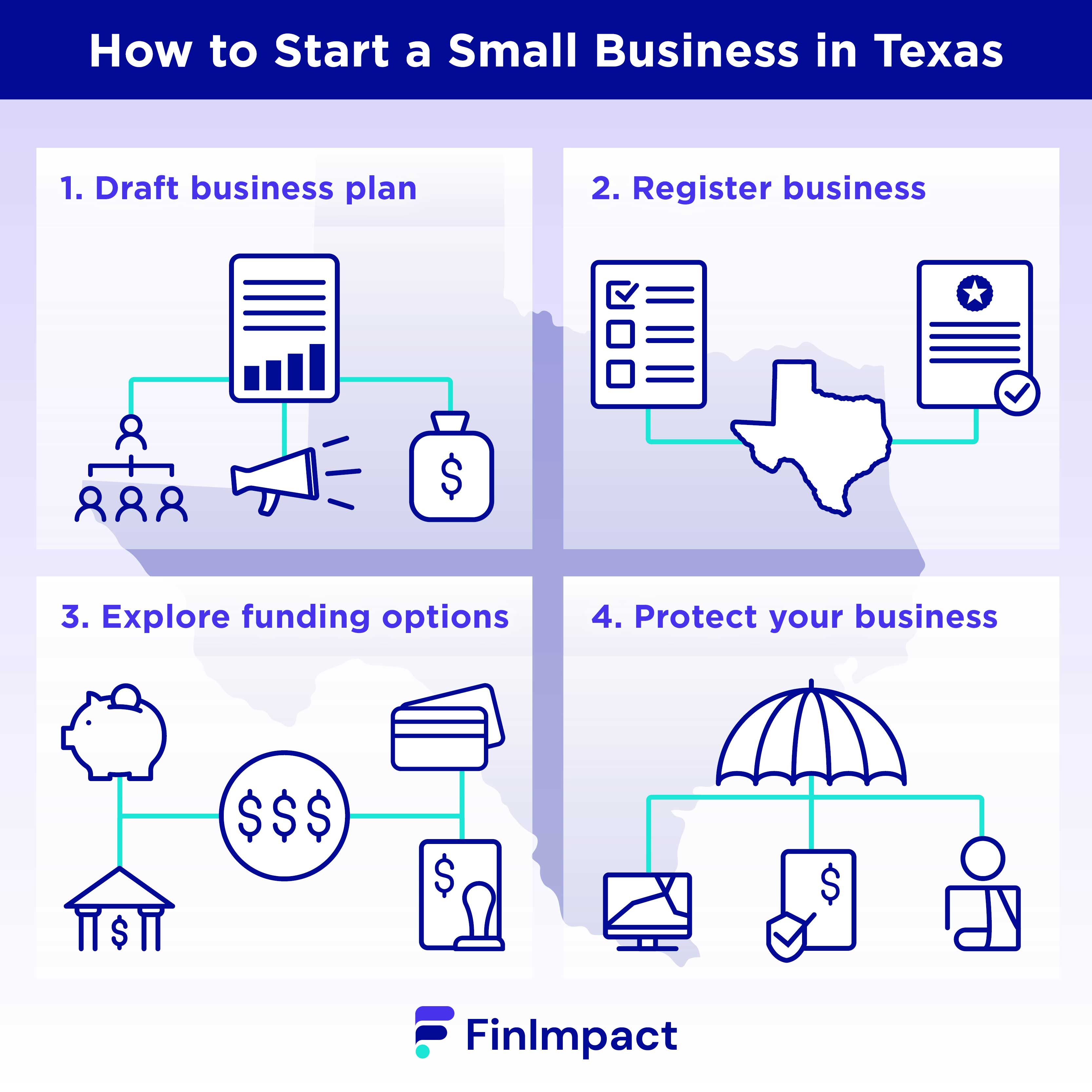
A comprehensive business plan is the cornerstone of any successful venture. It serves as your roadmap, outlining your objectives, strategies, market analysis, and financial projections. For a Texas-based business, consider incorporating elements specific to the state’s economy and consumer base.
- Executive Summary: A concise overview of your business concept, goals, and strategies.
- Company Description: Detail your business’s mission, vision, values, and legal structure.
- Market Analysis: Research your target market in Texas, including demographics, needs, and purchasing habits. Identify your competitors within the state and analyze their strengths and weaknesses. Consider the economic climate of specific Texas cities like Austin or Dallas.
- Organization and Management: Outline your business structure (sole proprietorship, partnership, LLC, corporation) and the key personnel involved.
- Service or Product Line: Describe your offerings in detail and their unique selling propositions.
- Marketing and Sales Strategy: How will you reach your Texas customers? Consider local marketing efforts, digital strategies, and sales tactics.
- Funding Request (if applicable): If seeking external funding, clearly state your financial needs and how the funds will be utilized.
- Financial Projections: Include projected income statements, cash flow statements, and balance sheets for at least three to five years.
Navigating the Legal Landscape of Texas
Texas offers a streamlined process for business registration, but understanding the specific requirements is vital to avoid pitfalls.
Choosing the Right Business Structure
The legal structure you choose impacts your liability, taxation, and administrative requirements.
- Sole Proprietorship: Simple to set up, but the owner is personally liable for all business debts and obligations.
- Partnership: Similar to a sole proprietorship, but with two or more owners. Partners share profits and losses and are generally liable for business debts.
- Limited Liability Company (LLC): Offers liability protection to its owners, separating personal assets from business debts. It’s a popular choice for small businesses in Texas.
- Corporation: A more complex structure that offers the strongest liability protection. Corporations are taxed as separate entities, which can lead to double taxation.
Registering Your Business Name
Once you’ve chosen your business structure, you’ll need to register your business name. If you operate under a name different from your legal name (for sole proprietors and general partnerships), you must file a “Doing Business As” (DBA) or assumed name certificate with the county clerk in each county where you conduct business. For LLCs and corporations, the name is registered with the Texas Secretary of State. Ensure your desired name is available and not already in use.
Obtaining Necessary Licenses and Permits
Depending on your industry and location within Texas, you may need various state and local licenses and permits.
- State Licenses: The Texas Department of Licensing and Regulation (TDLR) oversees a wide range of occupational and industry licenses. Research specific requirements for your business type. For example, food service businesses will need health permits, while construction companies may require contractor licenses.
- Local Permits: City and county governments may have their own licensing and permit requirements, such as zoning permits, building permits, and local business licenses. It’s essential to contact the relevant municipal or county offices where your business will operate.
- Federal Licenses: Some industries, like alcohol sales or firearms dealing, require federal licenses in addition to state and local ones.
Understanding Texas Tax Obligations
Texas has a unique tax structure. While it does not have a state income tax, businesses are subject to other taxes.
- Sales and Use Tax: Most businesses selling tangible personal property or taxable services in Texas are required to collect and remit sales tax to the Texas Comptroller of Public Accounts. You will need to register for a Texas sales tax permit.
- Franchise Tax: Businesses with Texas revenues exceeding a certain threshold are subject to the Texas franchise tax, often referred to as the “corporate income tax.” This applies to LLCs, corporations, partnerships, and sole proprietorships that meet the revenue threshold.
- Employer Taxes: If you plan to hire employees, you will need to register with the Texas Workforce Commission (TWC) for unemployment taxes and comply with federal requirements for Social Security, Medicare, and federal income tax withholding.
Setting Up Your Operations and Finances
With your legal framework established, it’s time to focus on the practical aspects of running your business.
Securing Business Financing
Most small businesses require some form of capital to launch and sustain operations.
- Self-Funding (Bootstrapping): Using personal savings or income from existing ventures.
- Loans: Explore options from banks, credit unions, and the U.S. Small Business Administration (SBA) through their loan programs. Texas has several local development centers that can assist with SBA loans.
- Investors: Seek angel investors or venture capitalists if your business has high growth potential.
- Crowdfunding: Platforms can be used to raise capital from a large number of individuals.
Opening a Business Bank Account
Keeping personal and business finances separate is crucial for accounting and legal reasons. Open a dedicated business checking and savings account using your Employer Identification Number (EIN) obtained from the Internal Revenue Service (IRS).
Choosing a Business Location
Your physical location in Texas can significantly impact your business. Consider:
- Visibility and Accessibility: Is your location easily found by customers? Is there adequate parking or public transport access?
- Cost: Rent, utilities, and property taxes vary greatly across Texas cities and regions.
- Target Market Proximity: Is your location convenient for your ideal customers? For example, a restaurant in Houston would benefit from being in a food-centric neighborhood.
- Zoning Regulations: Ensure your chosen location is zoned for your type of business.
Building Your Team
As your business grows, you may need to hire employees. Understand Texas labor laws, including minimum wage, overtime, and workers’ compensation requirements.
Marketing and Launching Your Texas Business
A well-executed marketing strategy is essential for attracting customers and building brand awareness in the competitive Texas market.
Developing Your Brand Identity
Your brand is more than just a logo; it’s the overall perception customers have of your business. Define your brand’s personality, voice, and visual elements.
Implementing Your Marketing Plan
- Digital Marketing: A strong online presence is non-negotiable. This includes a professional website, search engine optimization (SEO), social media marketing, and potentially paid advertising campaigns targeting Texans.
- Local Marketing: Engage with the local community. Consider sponsoring local events in cities like San Antonio, participating in community fairs, or partnering with other Texas businesses.
- Public Relations: Seek opportunities for media coverage in local Texas newspapers, magazines, or radio stations.
- Networking: Attend industry events and business expos across Texas to connect with potential customers, suppliers, and partners.

The Grand Opening
Plan a launch event to generate buzz and introduce your business to the public. This could be a ribbon-cutting ceremony, a special promotion, or an open house.
Starting a small business in Texas is a rewarding endeavor that requires diligence, strategic planning, and an understanding of the state’s economic and regulatory environment. By following these steps, you can build a solid foundation for your entrepreneurial journey and contribute to the dynamic Texas economy.
LifeOutOfTheBox is a participant in the Amazon Services LLC Associates Program, an affiliate advertising program designed to provide a means for sites to earn advertising fees by advertising and linking to Amazon.com. Amazon, the Amazon logo, AmazonSupply, and the AmazonSupply logo are trademarks of Amazon.com, Inc. or its affiliates. As an Amazon Associate we earn affiliate commissions from qualifying purchases.