
California, a state renowned for its diverse landscapes and vibrant culture, also offers a rich tapestry of hunting opportunities for both residents and visiting enthusiasts. From the rugged peaks of the Sierra Nevada Mountains to the sprawling wetlands of the Central Valley, the state’s varied ecosystems support a remarkable array of game species. Understanding when hunting seasons occur is paramount for anyone planning to embark on a responsible and successful outdoor adventure in the Golden State. Unlike some regions with uniform dates, California’s hunting seasons are meticulously structured, varying by species, specific zones, and even methodology, all managed by the California Department of Fish and Wildlife (CDFW). This detailed approach ensures sustainable wildlife populations while providing ample recreational opportunities.
Understanding California’s Diverse Hunting Opportunities
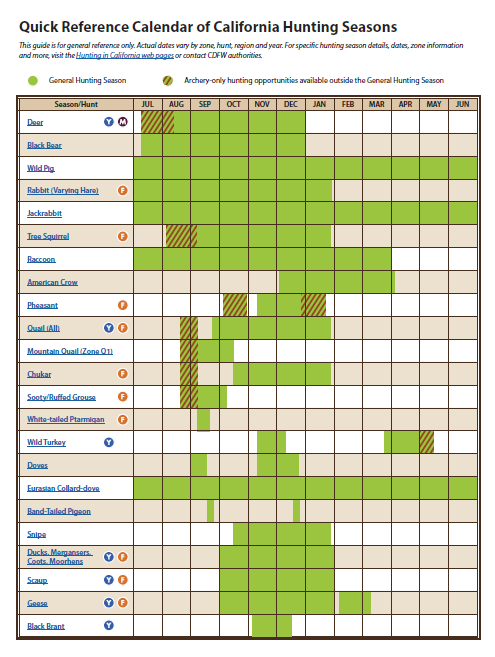
California’s hunting calendar is a complex but rewarding system, designed to protect wildlife while offering hunters a range of experiences throughout the year. The primary game categories include big game, upland game birds, and waterfowl, each with distinct seasonality and geographical considerations.
Big Game Seasons
Big game hunting is a significant draw, with species like Deer, Bear, Elk, and Pronghorn offering challenging pursuits.
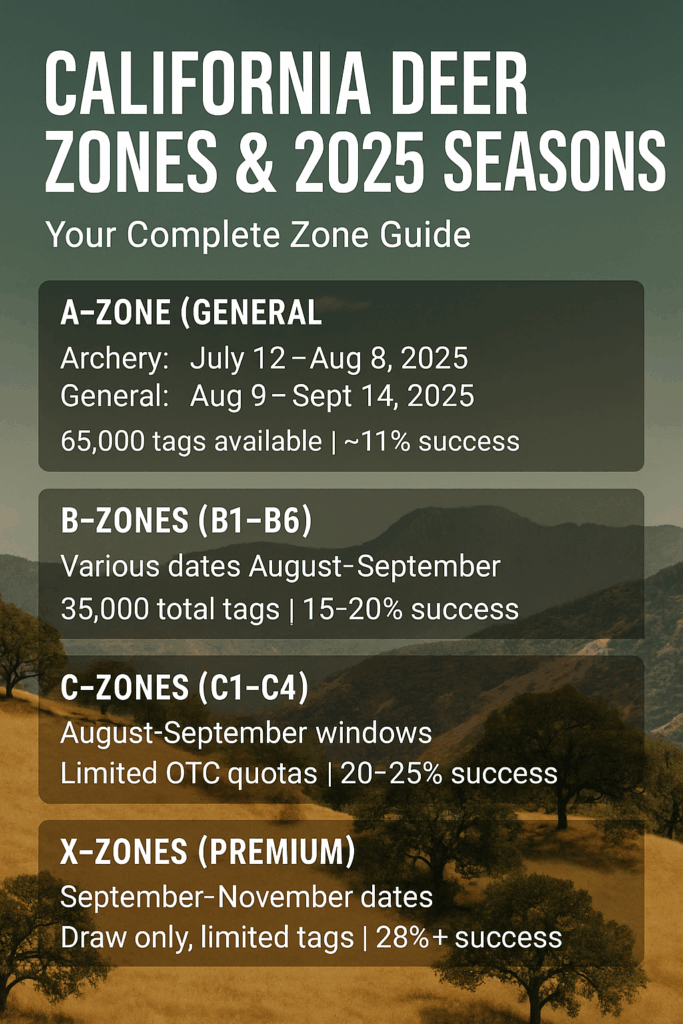
- Deer: The most popular big game species, Deer seasons are highly segmented by management zones (e.g., A Zone, B Zone, D Zones) across the state. Archery seasons typically open in late July or August, preceding the general rifle seasons, which generally run from August through October. Specific dates vary year-to-year and by zone, with coastal A Zone often starting earlier and mountain zones extending later into the fall. Success in California Deer hunting often requires careful planning and an understanding of the tag lottery system.
- Bear: Black Bear hunting in California typically aligns with the general Deer seasons in many zones, often beginning in late August or early September and continuing through December. There is a statewide quota, meaning the season can close earlier if the quota is met. Hunters must possess a specific Bear tag in addition to a general hunting license.
- Elk: Elk hunting in California is a highly coveted opportunity due to limited tags and thriving populations of Tule Elk, Roosevelt Elk, and Rocky Mountain Elk. Seasons are very specific to hunts, units, and weapon types, generally falling between July and December. Tags are almost exclusively issued through a lottery draw system, making success a long shot but incredibly rewarding for those who win.
- Pronghorn: Similar to Elk, Pronghorn hunting is managed through a limited tag draw. Seasons are typically short, occurring in late summer and early fall (August-September) in specific Northeastern California units where these antelope thrive.
Upland Game Bird Seasons
Upland game birds provide diverse hunting experiences, often running from late summer through winter.
- Dove: Mourning and White-winged Dove seasons traditionally kick off the hunting year, with the first segment usually opening on September 1st and running for about two weeks. A second segment typically occurs in November or December. This early season is highly anticipated and draws numerous hunters to agricultural fields and desert fringes.
- Quail, Pheasant, Chukar: Seasons for these popular game birds generally open in late October or early November and extend through January. Quail (California, Gambel’s, Mountain) are widespread, while Pheasant hunting is concentrated in the agricultural areas of the Central Valley. Chukar are found in the rugged, arid regions of eastern California.
- Grouse and Turkey: Sage Grouse season is extremely limited and quota-based, typically a short window in September. Wild Turkey seasons are divided into a spring season (March-May) and a fall season (November-December), with the spring hunt being the most popular for gobblers.
Waterfowl Seasons
California is a critical wintering ground for millions of migratory waterfowl along the Pacific Flyway.
- Ducks and Geese: Waterfowl seasons generally run from late October or early November through January, with some extensions into February for certain species or zones. The state is divided into waterfowl zones (e.g., Northeastern Zone, Southern San Joaquin Valley Zone, Southern California Zone), each with slightly different opening and closing dates and bag limits. Specific regulations for species like Mallards, Pintails, and various Goose species are crucial to review annually. Special youth hunting days are also scheduled, often in February.
Navigating Regulations and Licensing
Engaging in hunting activities in California requires a thorough understanding and adherence to the state’s rigorous regulations. This ensures safety, fairness, and the long-term health of wildlife populations.
Essential Licenses and Tags
All hunters, regardless of residency, must possess a valid California hunting license. This annual license is the foundation for all other hunting privileges.
- General Hunting License: Required for all hunting activities. Non-resident licenses are available.
- Specific Tags: For big game species like Deer, Bear, Elk, and Pronghorn, hunters must acquire species-specific tags in addition to their general license. These are often distributed through a lottery or draw system for limited-entry hunts.
- Endorsements: For certain types of hunting, additional endorsements are required. Examples include the Upland Game Bird Validation for most upland species and the Federal Duck Stamp (a federal requirement) and California Duck Validation for waterfowl.
- Hunter Education: First-time hunters in California (and those who cannot provide proof of a prior hunting license from California or another state/country) must complete an approved hunter education course.
Licenses, tags, and validations can be purchased online through the CDFW website, at CDFW license agent locations, or at CDFW license sales offices. It is crucial to check the current year’s hunting regulations booklet, available online through the CDFW, as dates, bag limits, and specific rules can change annually.
Public vs. Private Lands
California offers extensive public land access for hunting, including vast tracts managed by the Bureau of Land Management (BLM), National Forests, and various state wildlife areas.
- Public Lands: These areas provide accessible hunting grounds, though they often require more self-reliance and adherence to specific land-use regulations. Popular choices include the Mendocino National Forest, Modoc National Forest, and portions of the Mojave Desert for certain species. Waterfowl hunters often frequent state wildlife areas managed by CDFW.
- Private Lands: Hunting on private land requires explicit permission from the landowner. Many private ranches offer guided hunts or lease access, which can provide exclusive opportunities and higher success rates, particularly for species like Pheasant or trophy Deer.
Planning Your California Hunting Trip
Successful hunting in California involves more than just knowing the seasons; it requires strategic planning to maximize enjoyment and adhere to ethical practices.
Best Regions for Hunting
Choosing the right region is critical, as habitat and species abundance vary greatly.
- Northeastern California: Known for its robust Pronghorn and Mule Deer populations, as well as excellent waterfowl opportunities in areas like the Klamath Basin.
- Central Coast and Southern California (A Zone): Prime areas for Blacktail Deer, with many hunts occurring on public land or through private ranch access.
- Central Valley: The epicenter for Pheasant and Dove hunting, especially around agricultural zones. It’s also a major corridor for waterfowl in its extensive wetlands and refuges.
- Sierra Nevada Foothills and Mountains: Excellent for Deer and Bear, particularly in the D Zones. These areas offer stunning scenery alongside challenging terrain.
Local Outfitters and Guides
For visitors or those new to California hunting, engaging a local outfitter or guide can significantly enhance the experience.
- Expert Knowledge: Guides possess invaluable knowledge of local terrain, game movements, and regulations. They can lead hunters to prime areas, often including private access that would otherwise be unavailable.
- Logistical Support: Outfitters can assist with everything from securing necessary permits and tags to providing equipment, lodging, and transportation, streamlining the planning process.
- Increased Success: Their expertise often translates to higher success rates, especially for challenging species or specific trophy hunts. When selecting a guide, look for licensed, insured professionals with a strong track record and positive references.
Responsible Tourism and Conservation
Hunting in California is deeply intertwined with conservation. Hunters contribute significantly to wildlife management through license fees and excise taxes on equipment.
- Ethical Practices: Adhere to fair chase principles, accurate shot placement, and proper game recovery. Respect bag limits and season dates.
- “Leave No Trace”: Pack out everything you pack in. Avoid disturbing natural habitats beyond what is necessary for the hunt.
- Respect Landowners and Other Users: Whether on public or private land, always be courteous to landowners, other hunters, hikers, and outdoor enthusiasts. Ensure you know property boundaries.
Beyond the Hunt: Exploring California’s Natural Beauty
While the primary focus for many is the hunt itself, California’s unparalleled natural beauty offers ample opportunities to extend your trip and explore other aspects of the state’s tourism appeal, either for yourself or non-hunting companions.
Coastal Escapes
After a challenging hunt in the mountains or valleys, a relaxing retreat to California’s iconic coastline can be incredibly rejuvenating.
- Monterey and Carmel-by-the-Sea: Explore the famous Monterey Bay Aquarium, scenic 17-Mile Drive, and charming art galleries.
- Big Sur: Drive the dramatic coastal highway, hike breathtaking trails, and enjoy the rugged beauty of the Pacific Ocean meeting ancient redwood forests.
Mountain Adventures
If your hunt takes you to the Sierra Nevada or other mountainous regions, consider extending your stay to explore nearby attractions.
- Yosemite National Park: A world-renowned destination for its towering granite cliffs, giant sequoias, and waterfalls. Perfect for hiking, photography, and experiencing raw natural power.
- Lake Tahoe: Straddling the California and Nevada border, Lake Tahoe offers year-round activities from boating and fishing in summer to world-class skiing in winter.
Planning a hunting trip to California is an immersive experience that blends the thrill of the chase with the opportunity to explore some of the most spectacular natural landscapes in North America. By carefully reviewing season dates, understanding regulations, and embracing responsible tourism, hunters can enjoy a truly memorable and impactful visit.
LifeOutOfTheBox is a participant in the Amazon Services LLC Associates Program, an affiliate advertising program designed to provide a means for sites to earn advertising fees by advertising and linking to Amazon.com. Amazon, the Amazon logo, AmazonSupply, and the AmazonSupply logo are trademarks of Amazon.com, Inc. or its affiliates. As an Amazon Associate we earn affiliate commissions from qualifying purchases.