
The quintessential question for anyone planning a trip to Miami during the Atlantic hurricane season, or even those who live there, is fraught with uncertainty and a healthy dose of anxiety. While the vibrant energy of South Beach and the Art Deco charm of the Miami Design District beckon, the potential for disruptive weather casts a long shadow from June 1st to November 30th. This period, particularly from August to October, is when the risk is at its highest. Understanding the nuances of hurricane preparedness, travel insurance, and destination alternatives is paramount for a worry-free experience.

Navigating Hurricane Season: A Traveler’s Primer
The Atlantic hurricane season is a predictable, yet often unpredictable, phenomenon. For Florida and specifically for a coastal metropolis like Miami, it’s a time of heightened awareness. Weather patterns can shift rapidly, and what appears to be a distant tropical depression can intensify into a powerful storm within days.
Understanding the Forecasts
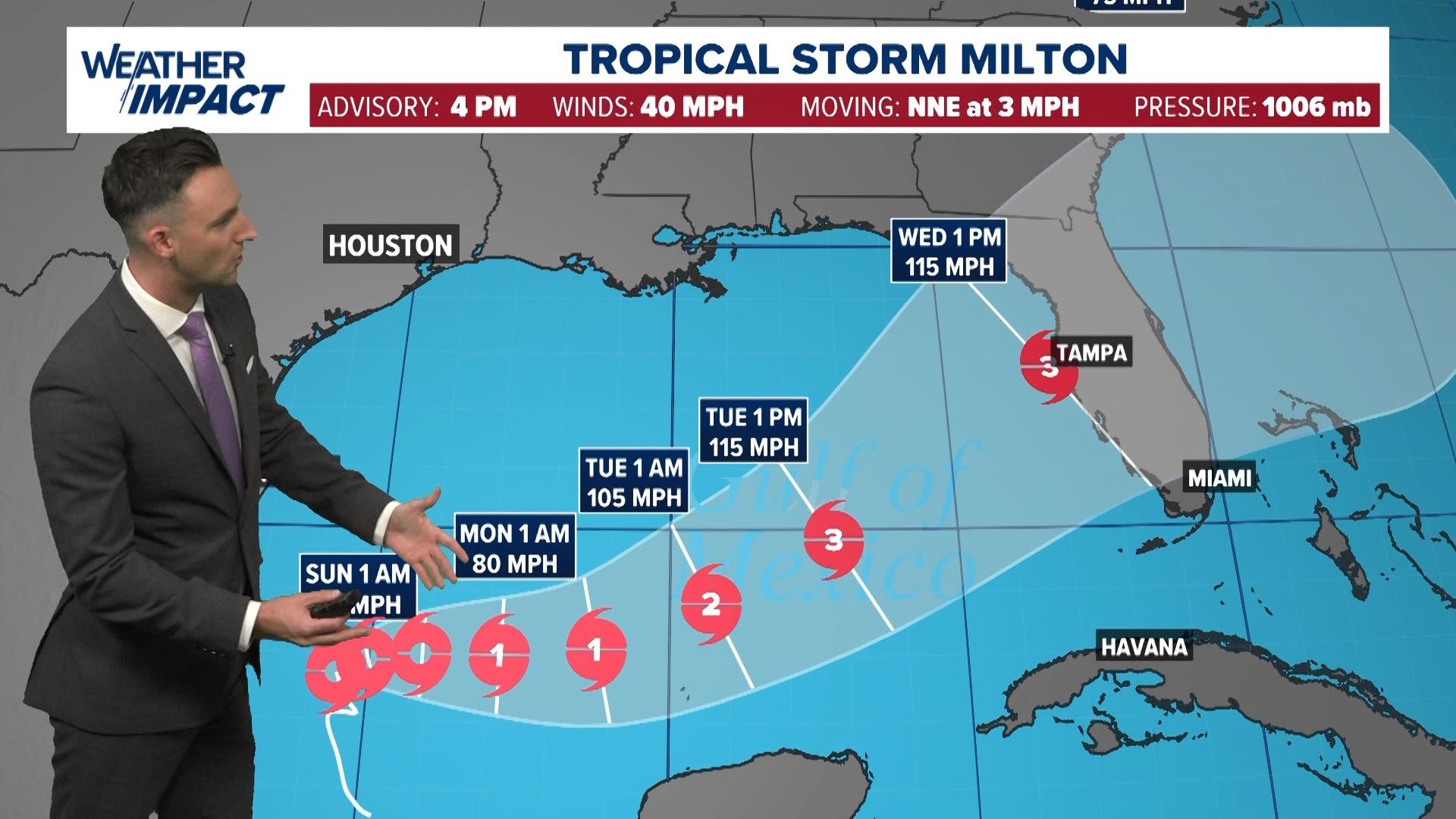
Reliable meteorological information is your best friend when planning a trip to Miami during hurricane season. The National Hurricane Center (NHC) is the primary source for official advisories, including tropical storm watches, warnings, and hurricane forecasts. It’s crucial to monitor these updates regularly. Websites and apps like AccuWeather and The Weather Channel also provide valuable, often more visually intuitive, forecasts and tracking maps.
Key terms to understand include:
- Tropical Depression: An organized system of clouds and thunderstorms with a defined circulation and maximum sustained winds of 38 mph (61 kph) or less.
- Tropical Storm: A tropical cyclone with maximum sustained winds of 39 mph (63 kph) or higher. At this stage, a storm is given a name.
- Hurricane: A tropical cyclone with maximum sustained winds of 74 mph (119 kph) or higher. Hurricanes are further categorized by their wind speed on the Saffir-Simpson Hurricane Wind Scale.
- Watch: Issued when hurricane conditions are possible within the specified area, typically 48 hours in advance.
- Warning: Issued when hurricane conditions are expected within the specified area, typically within 36 hours.
Travel Insurance: Your Safety Net
The adage “better safe than sorry” is particularly relevant when booking travel to hurricane-prone regions during the season. Comprehensive travel insurance is not just a recommendation; it’s a necessity. Look for policies that specifically cover:
- Trip Cancellation: If a named storm makes Miami uninhabitable or causes significant travel disruptions before your departure, a good policy will reimburse you for non-refundable trip costs.
- Trip Interruption: If you are already in Miami and a hurricane forces you to cut your trip short or evacuate, this coverage will help with expenses like rebooking flights and additional accommodation.
- Travel Delay: If your flights are significantly delayed due to weather, travel delay coverage can help with meals and lodging.
- Medical Emergencies: While less directly related to the hurricane itself, having medical coverage is always wise, especially when traveling abroad or to unfamiliar areas.
When purchasing insurance, carefully read the policy’s terms and conditions, paying close attention to the “perils covered” and any exclusions related to weather events.
Accommodation Flexibility
When booking your stay in Miami, whether it’s a luxurious suite at the Fontainebleau Miami Beach or a chic apartment in Brickell, prioritize flexibility. Many hotels and rental platforms now offer more lenient cancellation policies specifically for hurricane-related disruptions.
- Direct Bookings vs. Third Parties: Sometimes, booking directly with a hotel can offer more direct communication and flexibility than going through a third-party booking site.
- Hurricane Clauses: Look for specific “hurricane clauses” in your booking agreement that outline procedures and refund policies in the event of a storm warning or evacuation.
- Consider Inland Options: If you are particularly concerned, consider booking accommodations slightly inland, away from the immediate coastline. While still susceptible to power outages and transportation issues, they may offer a greater sense of security during less severe storms.
When the Forecast Turns Serious: Preparing for Impact
If forecasts indicate a significant storm is approaching Miami, immediate action is required. The city has well-established evacuation zones and emergency preparedness plans.

Understanding Evacuation Orders
Evacuation orders are issued by local authorities and are based on the potential impact of a hurricane. These orders are categorized by zones, with Zone A typically being the most vulnerable.
- Know Your Zone: Familiarize yourself with Miami-Dade County‘s evacuation zone map before your trip. Most hotels and rental properties will also be able to inform you if they are located within an evacuation zone.
- Heed the Warnings: Evacuation orders are not suggestions; they are crucial for your safety. If an order is issued for your area, do not delay.
- Transportation Options: If you do not have your own vehicle, research public transportation options for evacuations or pre-arrange rides with services that operate during emergencies.
The “Go Bag” Essentials
Whether you are a resident or a visitor, having a “go bag” prepared is a sensible precaution. This bag should contain essentials to last you at least 72 hours.
- Water and Non-Perishable Food: At least one gallon of water per person per day and a supply of non-perishable food items.
- First-Aid Kit: Including any personal medications.
- Flashlight and Batteries: Essential for power outages.
- Radio: A battery-powered or hand-crank radio to stay informed.
- Documents: Copies of identification, insurance policies, and important contact information. Store digital copies in the cloud as well.
- Cash: ATMs and credit card machines may not work during power outages.
- Sanitation Items: Including hand sanitizer and moist towelettes.
- Chargers and Power Banks: For electronic devices.
Communication is Key
Staying connected with loved ones and authorities is vital.
- Emergency Contact List: Have a list of emergency contacts readily available, including family, friends, your hotel, and local emergency services.
- Hotel Communication: Maintain open communication with your hotel management for updates on their preparedness plans and any guest advisories.
- Social Media and Official Channels: Follow official city and county social media accounts for real-time updates.
Beyond the Threat: Embracing Miami Responsibly
While the threat of a hurricane is a serious consideration, it shouldn’t necessarily deter you from visiting Miami during hurricane season. Many travelers enjoy the region during this time, often finding fewer crowds and slightly lower prices, provided they are well-prepared.
Alternative Destinations
If a storm is actively threatening Miami, or if you simply prefer to avoid the risk altogether, consider alternative destinations.
- The Caribbean: While also in the hurricane belt, some islands might be experiencing different weather patterns. Research specific island forecasts diligently.
- West Coast of Florida: Cities like Naples or Sarasota are on the Gulf Coast and can experience different storm tracks.
- Inland Cities: Consider exploring destinations further inland in Florida or even heading north to states like Georgia or South Carolina.
Making the Most of Your Trip
If you are in Miami and the weather is clear, take advantage of its unique offerings.
- Cultural Immersion: Explore the vibrant art scene in Wynwood, visit the Pérez Art Museum Miami, or delve into the history of Little Havana.
- Culinary Delights: Sample the diverse culinary landscape, from fresh seafood on the coast to authentic Cuban cuisine.
- Nature and Recreation: Enjoy the beaches, explore the Everglades National Park (with appropriate caution and guidance), or take a boat tour.
The question “Is the hurricane hitting Miami?” is one that demands constant vigilance and informed decision-making. By understanding the risks, preparing adequately, and remaining flexible, travelers can still experience the magic of this dynamic city, even when the skies threaten to unleash nature’s fury. The key lies in proactive planning and a commitment to safety above all else.
LifeOutOfTheBox is a participant in the Amazon Services LLC Associates Program, an affiliate advertising program designed to provide a means for sites to earn advertising fees by advertising and linking to Amazon.com. Amazon, the Amazon logo, AmazonSupply, and the AmazonSupply logo are trademarks of Amazon.com, Inc. or its affiliates. As an Amazon Associate we earn affiliate commissions from qualifying purchases.