
Understanding the telephone area codes associated with a destination is a practical, albeit often overlooked, aspect of travel planning. For many, a destination’s area code can evoke a sense of place, a subtle identifier that connects the digital world to a vibrant physical location. In the case of Miami, a city synonymous with sunshine, culture, and an energetic urban pulse, its area codes are as diverse and dynamic as the region itself. Delving into these codes offers a unique lens through which to appreciate the geographical and historical evolution of this celebrated South Florida metropolis.

The Evolution of Miami’s Telephone Landscape
The proliferation of telephone services across the United States has historically been managed through the allocation of area codes, a system managed by the North American Numbering Plan Administration (NANPA). As populations grow and demand for telephone lines, particularly mobile numbers, escalates, existing area codes often become exhausted, necessitating the introduction of new ones. Miami is a prime example of a metropolitan area that has experienced significant growth, leading to a layered history of area code assignments.
Early Allocations and the Original Code
Initially, a single area code would often serve a vast geographic region. As the South Florida region, and specifically the Miami metropolitan area, expanded, the need for more granular numbering became apparent. The foundational area code that once encompassed much of this part of Florida has since been overlaid and split to accommodate the burgeoning population and technological advancements. Understanding which area code belongs to which specific part of Miami can be a useful tool for travelers, whether they are looking to make local calls, understand regional nuances, or simply feel more connected to their destination.
The Overlay Phenomenon
A common solution to area code exhaustion is the “overlay.” In an overlay, a new area code is introduced and assigned to the same geographic region as an existing code. This means that residents and businesses within the same geographical boundaries may have different area codes. This system allows for the creation of millions of new phone numbers without forcing existing users to change their numbers. However, it necessitates “10-digit dialing” for all calls within the region, meaning you must dial the area code even for local calls. This has been a significant shift for residents and a point of adaptation for visitors.
Decoding Miami’s Current Area Codes
The Miami metropolitan area is currently served by a complex system of area codes, reflecting its growth and the need for expanded numbering capacity. While there isn’t one singular “Miami area code,” several codes are predominantly associated with the city and its surrounding counties.
The 305 and Its Legacy
The original area code for this region was 305. For decades, 305 was synonymous with the entire southeastern tip of Florida. While it still exists, its coverage has been significantly reduced due to the introduction of new codes. Many long-time residents and businesses proudly retain their 305 numbers, viewing it as a badge of authenticity and a connection to the area’s history. When traveling to Miami, encountering a 305 number often signifies a deeper, more established presence in the city.
The 786: A Modern Companion
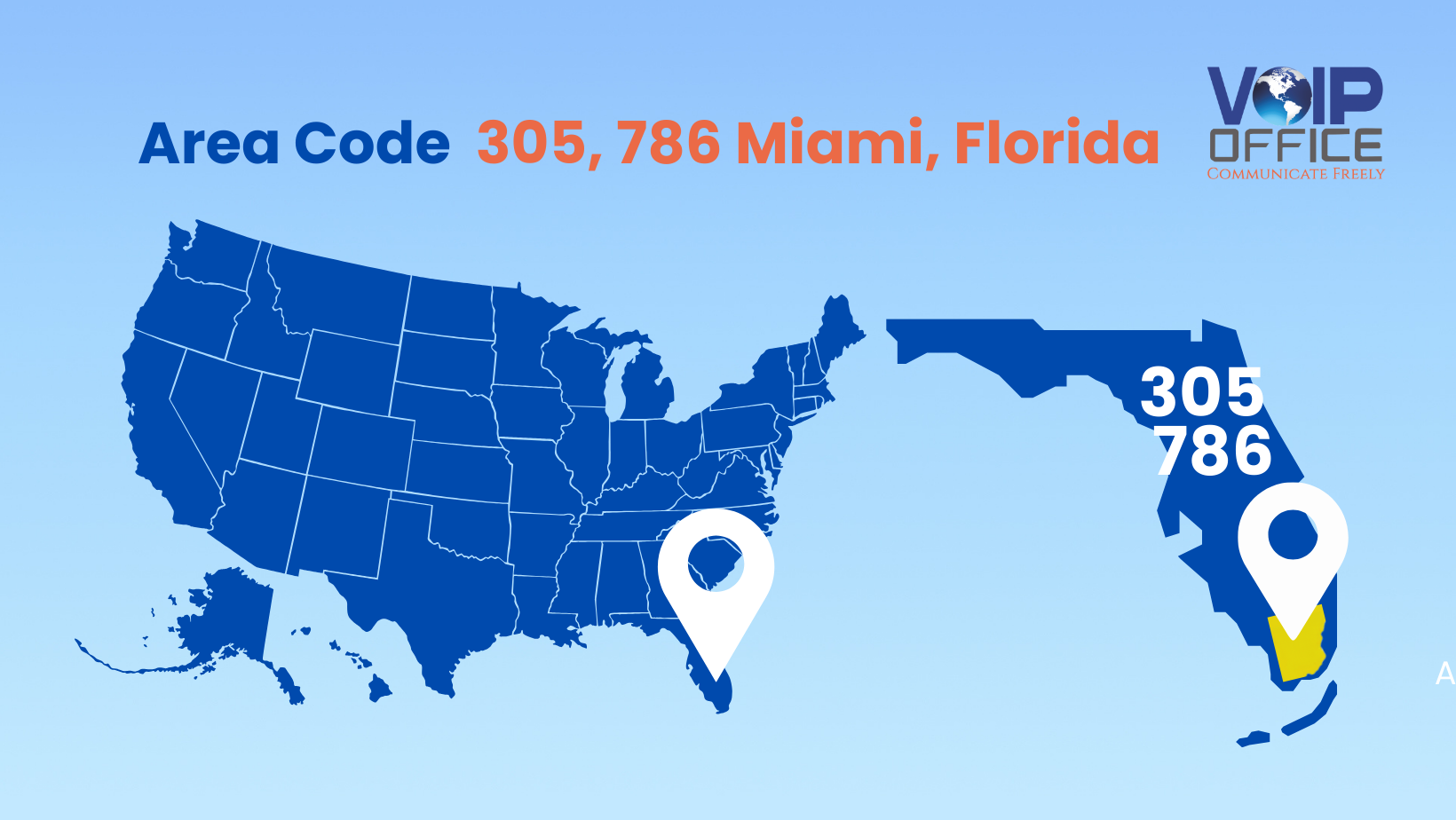
To relieve the exhaustion of the 305, the 786 area code was introduced as an overlay in 1998. This code covers the same geographic territory as 305, which includes all of Miami-Dade County and the Florida Keys. Since its introduction, 786 has become increasingly common, especially for new mobile phone activations and businesses. Travelers might receive a 786 number if they purchase a local SIM card or if a contact they are trying to reach has a newer line. Both 305 and 786 are integral to the identity of the Miami area.
Expansion into Other Codes
As the population of South Florida continued its rapid expansion, further subdivisions and overlays became necessary. This has led to other area codes serving portions of the broader Miami metropolitan region, though they are often more closely associated with neighboring counties. For instance, the 645 area code was introduced as a new overlay for Miami-Dade County effective August 2023, adding another layer to the numbering plan. This ensures continued availability of phone numbers as the region grows.

Practical Implications for Travelers
For visitors to Miami, understanding these area codes is more about general awareness than a critical necessity for navigation. However, it can enhance your experience and provide a deeper appreciation for the city’s development.
Communication and Connectivity
If you are planning to rent a car, stay in a hotel, or book tours, you will likely interact with businesses that have phone numbers reflecting these various area codes. Most people in the United States are accustomed to dialing 10 digits for any number outside their own immediate area, so the distinction between 305 and 786, or even the newer 645, will not pose a barrier to communication. However, recognizing these codes can offer a subtle insight into the local telecommunications landscape. For instance, a business with a 305 number might be an established, long-standing institution, while a 786 or 645 number could indicate a newer venture or a mobile-first approach.
Cultural and Local Identity
Area codes can sometimes become part of a city’s cultural identity. In Miami, the 305 is often celebrated with pride, appearing in local music, merchandise, and casual conversation. It represents a connection to the roots of the city. The introduction of overlays like 786 and 645 is a testament to Miami’s continuous growth and its status as a major international hub. For travelers, acknowledging these codes can be a small way to engage with the local vernacular and understand the demographic shifts that have shaped the area.
Planning Your Stay
When booking accommodations, such as at the Fontainebleau Miami Beach or exploring options in South Beach, you will see these area codes on their contact information. Similarly, when making reservations at popular restaurants or booking excursions to places like Everglades National Park, the associated phone numbers will likely feature these codes. It’s a subtle but omnipresent indicator of being in the Miami calling zone.
Beyond the Digits: The Spirit of Miami
While the technicalities of area codes are practical, the true essence of Miami lies in its vibrant culture, stunning landscapes, and diverse population. The 305, 786, and 645 are simply the digital threads that connect you to this rich tapestry. Whether you’re exploring the Art Deco architecture of Miami Beach, indulging in the culinary delights of Little Havana, or soaking up the sun on its world-renowned beaches, the experience transcends the phone number you dial.
The Mosaic of Neighborhoods
Miami is a city of distinct neighborhoods, each with its unique character. From the upscale boutiques and art galleries of the Design District to the lively rhythms of Wynwood, and the serene beauty of Coral Gables, the area codes are a common thread binding these diverse locales. Understanding that different parts of the sprawling Miami-Dade County might fall under different, though often overlapping, area codes is a testament to the region’s complex development.
A Global Gateway
Miami serves as a crucial gateway between North and South America, attracting a global influx of visitors and residents. This international flavor is reflected in the city’s dynamism and its constant evolution. The telecommunication infrastructure, including the allocation and management of area codes, is a reflection of this growth and connectivity.
Experiencing Miami to the Fullest
As you plan your trip to Miami, whether it’s a luxury resort stay at the Biltmore Hotel Miami or a budget-friendly exploration of its cultural offerings, remember that the area codes are just one small piece of the puzzle. The true magic of Miami is found in its experiences: the warmth of its people, the beat of its music, the taste of its cuisine, and the unforgettable sunsets over the Atlantic Ocean. So, while knowing the area codes adds a layer of local insight, it’s the vibrant spirit of Miami itself that will truly capture your heart.
LifeOutOfTheBox is a participant in the Amazon Services LLC Associates Program, an affiliate advertising program designed to provide a means for sites to earn advertising fees by advertising and linking to Amazon.com. Amazon, the Amazon logo, AmazonSupply, and the AmazonSupply logo are trademarks of Amazon.com, Inc. or its affiliates. As an Amazon Associate we earn affiliate commissions from qualifying purchases.