
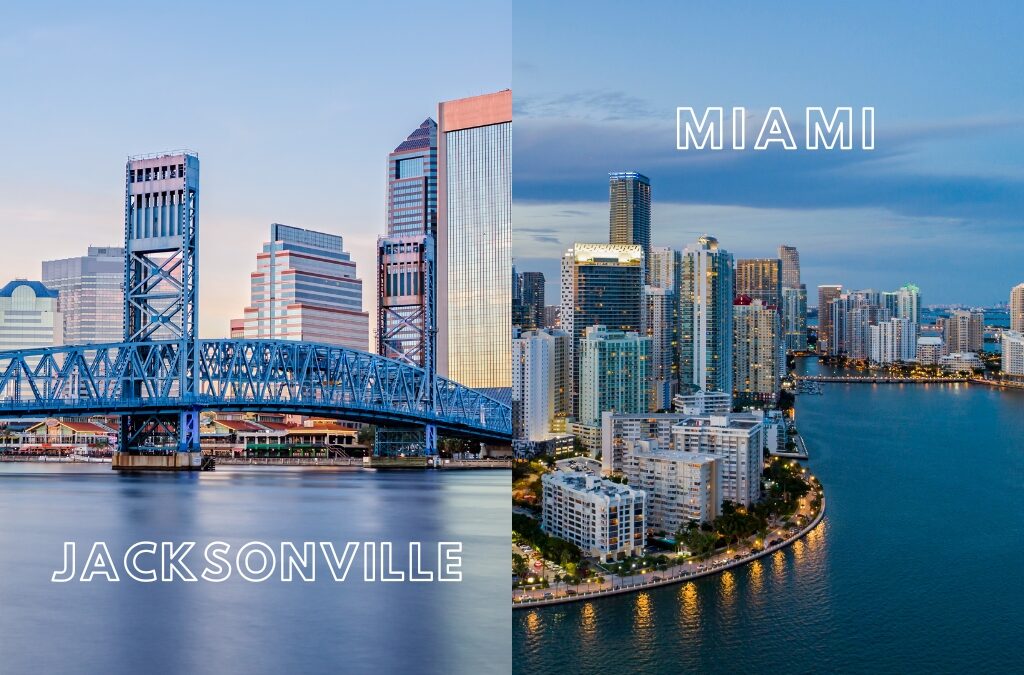
Deciding between two vibrant Florida metropolises can be a delightful dilemma for any traveler. Jacksonville and Miami each offer distinct flavors of the Sunshine State, promising unique experiences that cater to a wide range of interests. While both are major tourist hubs, a fundamental difference lies in their sheer scale, a factor that significantly influences the scope and nature of their attractions, the breadth of their cultural offerings, and the overall feel of each city. When considering “bigger,” one can interpret this in terms of land area, population, or even the perceived magnitude of their cultural and economic influence. This exploration delves into these aspects to provide a clearer picture for potential visitors.
Defining “Bigger”: Land Area vs. Population
The most straightforward interpretation of “bigger” often refers to geographical size and population density. This is where the contrast between Jacksonville and Miami becomes starkly apparent, immediately shaping the kind of urban exploration one can expect.
Land Area: A Sprawling Giant Meets a Dense Urban Core
When measured by land area, Jacksonville emerges as a clear frontrunner, holding the distinction of being the largest city by land area in the contiguous United States. Its consolidated city-county government structure encompasses a vast territory, covering approximately 875 square miles. This expansive footprint means that while the city center might feel less densely packed than other major urban areas, its reach extends across a diverse range of landscapes, from bustling downtown districts to extensive natural preserves and suburban communities.
In contrast, Miami, while incredibly influential and globally recognized, is significantly smaller in terms of land area. The city of Miami itself covers about 36 square miles, though its metropolitan area, Miami-Dade County, is much larger, encompassing a population of over 2.7 million people. This concentration of population within a more defined urban boundary contributes to Miami’s reputation for a vibrant, high-energy atmosphere, with attractions and activities often found in close proximity. The difference in land area has practical implications for travelers; in Jacksonville, exploring different neighborhoods might involve more driving, whereas in Miami, you can often walk, bike, or use short rideshares to get between key points of interest, particularly in areas like South Beach or Downtown.
Population: A Tale of Density and Distribution
Population figures further illustrate the differences. Jacksonville boasts a population of over 950,000 residents within its city limits, making it a significant urban center in its own right. However, its population is distributed across its considerable landmass, leading to a less dense feel compared to many other large American cities. This can translate to a more relaxed pace and easier navigation, especially outside the immediate downtown core.
Miami, on the other hand, while having a smaller city population (around 430,000 within its official limits), is the heart of a much larger and densely populated metropolitan area. The broader Miami metropolitan area is one of the most populous in the United States. This density fosters a dynamic and cosmopolitan environment, with a constant flow of people and a palpable sense of energy. For tourists, this means a rich tapestry of diverse cultures, cuisines, and entertainment options often packed into distinct neighborhoods, each with its own character. The sheer number of people in the Miami area contributes to its renowned nightlife, extensive dining scene, and the constant buzz that defines its appeal.
Cultural Landscape and Tourist Attractions
Beyond the raw statistics of size and population, the cultural offerings and the types of attractions available in Jacksonville and Miami present a fascinating contrast, reflecting their unique histories, geographies, and demographic compositions.
Jacksonville: A Blend of Nature, Arts, and Riverfront Charm
Jacksonville leverages its vast land area to offer a diverse range of experiences. Its status as the “River City” is central to its identity, with the St. Johns River acting as a lifeblood for its downtown and providing opportunities for recreation and scenic enjoyment. The city boasts an impressive park system, including the vast Timucuan Ecological and Historic Preserve, which offers hiking, kayaking, and a glimpse into the region’s natural and historical heritage.
Arts and Culture
The Cummer Museum of Art & Gardens is a cultural cornerstone, showcasing a significant collection of American and European art alongside stunning formal gardens. The city’s burgeoning downtown has seen a revival, with the Jacksonville Symphony Orchestra and the Florida Theatre providing vibrant performing arts scenes. For sports enthusiasts, Jacksonville is famous for hosting the annual Jacksonville Jazz Festival and being a major venue for sporting events, including the iconic Georgia-Florida Football Classic.
Natural Attractions and Beaches
The “bigger” aspect of Jacksonville truly shines in its access to nature and coastline. Its extensive public beaches, such as Atlantic Beach, Neptune Beach, and Ponte Vedra Beach, offer miles of unspoiled coastline, a stark contrast to the more urbanized beaches of Miami. The city’s commitment to preserving green spaces means visitors can easily escape the urban bustle and immerse themselves in the natural beauty of Northeast Florida.

Miami: A Global Hub of Culture, Glamour, and Nightlife
Miami is synonymous with a high-octane blend of international culture, sophisticated glamour, and an electrifying nightlife. Its relatively smaller land area is packed with an intensity of experience that has captivated visitors for decades.
Art Deco Charm and Vibrant Neighborhoods
The iconic Art Deco Historic District in South Beach is a testament to Miami’s architectural flair and its enduring appeal as a stylish destination. Beyond South Beach, Miami is a mosaic of distinct neighborhoods, each offering a unique cultural flavor. Little Havana pulses with Cuban heritage, from its vibrant street art and lively domino parks to its authentic restaurants and cigar shops. Wynwood has transformed into an open-air art gallery, famous for its stunning murals and trendy galleries.
Culinary Delights and Entertainment
The culinary scene in Miami is as diverse as its population, ranging from Michelin-starred restaurants to humble food trucks serving up authentic international fare. Seafood is a local specialty, with fresh catches gracing menus across the city. Miami’s nightlife is legendary, with world-class clubs, rooftop bars, and intimate lounges catering to every taste. For those seeking daytime entertainment, the city offers exceptional shopping, from luxury boutiques in the Design District to bustling street markets.
Beaches and Water Activities
While Jacksonville offers expansive, more natural beaches, Miami’s beaches, particularly those in Miami Beach, are world-renowned for their powdery white sand, turquoise waters, and vibrant atmosphere. They are central to the Miami experience, serving as playgrounds for sunbathing, swimming, watersports, and people-watching. The proximity to the Florida Keys also makes Miami a convenient gateway for further aquatic adventures.
Practical Considerations for Travelers
The difference in scale between Jacksonville and Miami also translates into practical considerations for planning a visit, influencing everything from transportation to accommodation choices.
Transportation and Navigation
Navigating Jacksonville can be more akin to exploring a sprawling suburban area, with a personal vehicle often being the most efficient way to access its diverse attractions spread across its vast land area. While there is public transportation, it may not be as comprehensive or convenient for reaching all parts of the consolidated city-county. The relaxed pace and less congested roadways in many areas can make for a stress-free driving experience.
In contrast, Miami offers a more urban transportation landscape. While driving is common, traffic can be a significant factor, especially during peak hours. The city has a more developed public transportation system, including the Metrorail and Metromover, which can be useful for navigating the downtown area and connecting to certain neighborhoods. Ride-sharing services are also abundant and often a convenient option for getting around the more densely populated areas. For visitors focused on neighborhoods like South Beach or the Wynwood Arts District, walking and biking can be enjoyable and efficient.
Accommodation Options
The “bigger” nature of Jacksonville translates into a wider range of lodging options, from large resorts near its extensive coastline and attractions to more budget-friendly hotels and motels spread throughout its various districts. Due to its large land area, visitors might find that accommodations are more spread out, requiring careful consideration of location based on their planned activities.
Miami, with its focus on tourism and its status as a global destination, offers a plethora of accommodation choices, particularly in its prime tourist areas. This includes world-renowned luxury hotels and resorts along the beach, boutique hotels in trendy neighborhoods, and numerous vacation rental apartments. The density of its tourist infrastructure means that accommodation is generally well-integrated with the city’s attractions, though prices can reflect its status as a sought-after destination, especially in areas like Miami Beach.
Conclusion: Scale and Experience
Ultimately, the question of “which is bigger” between Jacksonville and Miami hinges on the definition of “bigger.” If the measure is land area, Jacksonville is undeniably the larger city, offering a more dispersed experience with vast natural expanses and a less dense urban feel. If, however, “bigger” refers to population density, global recognition, a concentrated urban buzz, and a world-renowned cultural and entertainment scene, then Miami takes the lead.
For travelers, this distinction is key. Jacksonville appeals to those seeking a more laid-back Florida experience, with ample opportunities for outdoor adventure, a rich history, and a more relaxed pace. Miami, conversely, beckons those who crave an energetic, cosmopolitan atmosphere, a vibrant nightlife, diverse culinary experiences, and a constant flow of cultural influences. Both cities offer a quintessential Florida experience, but they do so on vastly different scales, promising distinct adventures for every visitor.
LifeOutOfTheBox is a participant in the Amazon Services LLC Associates Program, an affiliate advertising program designed to provide a means for sites to earn advertising fees by advertising and linking to Amazon.com. Amazon, the Amazon logo, AmazonSupply, and the AmazonSupply logo are trademarks of Amazon.com, Inc. or its affiliates. As an Amazon Associate we earn affiliate commissions from qualifying purchases.