
Visiting Hawaii in December is a bucket-list dream for many travelers seeking a tropical escape from the frigid winters of the mainland United States. While the rest of the Northern Hemisphere is often blanketed in snow or gripped by gray, overcast skies, the Pacific Ocean archipelago enjoys a climate that is famously pleasant. However, December does mark the transition into the “ho’oilo” season, or the cooler, wetter months in the islands. Understanding the nuances of the weather during this period is essential for planning activities, choosing the right island, and packing effectively to ensure a seamless holiday experience.

The Dual Seasons of the Tropics: December Averages
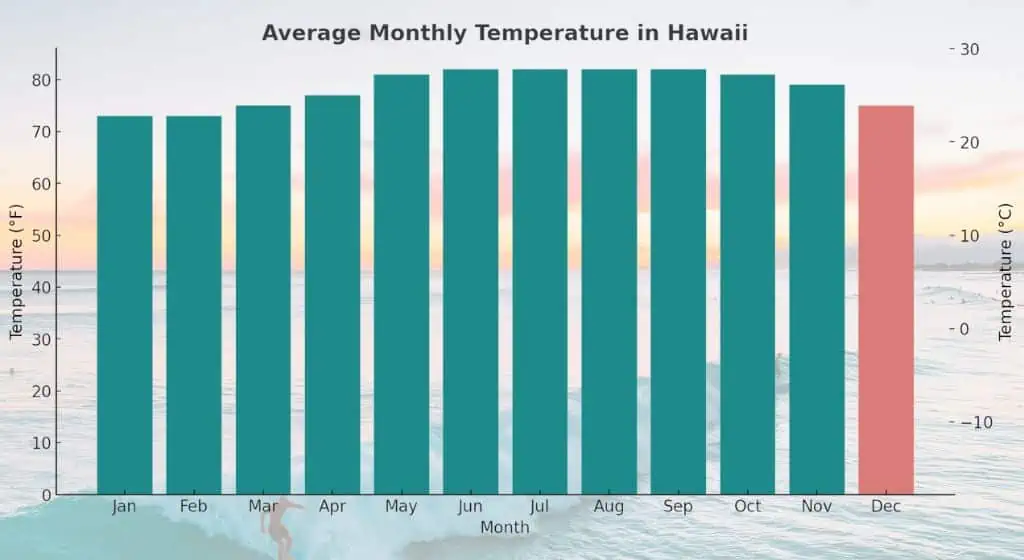
Unlike temperate regions with four distinct seasons, Hawaii essentially has two: summer (kau) from May to October, and winter (ho’oilo) from November to April. December falls squarely into the latter, but “winter” in this context is relative. The weather remains warm enough for swimming, sunbathing, and outdoor exploration, though there is a noticeable increase in rainfall and slightly cooler evening temperatures.
Temperature and Humidity Levels
In December, the daytime high temperatures across the islands typically hover around 78°F to 81°F (25°C to 27°C). Evenings bring a refreshing coolness, with temperatures dipping to a comfortable 65°F to 70°F (18°C to 21°C). This makes the nights ideal for outdoor dining or walking along the beach without the intense humidity of the summer months.
Humidity in December is generally lower than in the peak of summer, thanks to the consistent influence of the trade winds. However, if a “Kona storm” occurs—a weather pattern where the winds shift and come from the south or west—the humidity can spike, and the air may feel heavy and still. Fortunately, these storms are sporadic and rarely last more than a few days.
Understanding Trade Winds and Rainfall
December is statistically one of the wettest months in the islands. However, rainfall in Hawaii is highly localized. The islands are characterized by windward (north and east) and leeward (south and west) sides. The trade winds blow from the northeast, hitting the mountain ranges and dropping moisture on the windward slopes. As a result, towns like Hilo on Hawaii Island or the North Shore of Kauai see significantly more rain than the leeward resort areas like Waikiki or Kona.
Most December rain comes in the form of short, passing showers that are often followed by vibrant rainbows. These “liquid sunshine” moments rarely ruin a day of sightseeing. Heavy, persistent rain is less common but can occur if a low-pressure system moves over the chain.
Regional Weather Patterns Across the Islands
Each island in the chain has its own unique topography, which creates distinct microclimates. Choosing where to stay in December often depends on whether you are prioritizing maximum sunshine or lush, green landscapes.
Oahu and the South Shore Sunshine
Oahu remains a popular choice in December because its primary tourism hub, Honolulu, is located on the leeward side of the island. While the North Shore of Oahu may be experiencing wind and rain, Waikiki often remains sunny and dry. This makes iconic landmarks like Diamond Head and Pearl Harbor accessible and pleasant to visit even in the heart of winter. Visitors should expect average highs of 80°F in Honolulu, making it one of the most reliable spots for a beach-centric holiday.
Maui and the Valley Isle Microclimates
Maui offers a diverse range of weather experiences in December. The western and southern shores, including Lahaina, Kaanapali, and Wailea, are the driest parts of the island. Meanwhile, the drive to Hana on the eastern coast will likely involve several rain showers, which only enhance the beauty of the waterfalls along the route. For those visiting Haleakala National Park, the weather is a different story entirely. At the summit of Haleakala, temperatures can drop below freezing, and it is not uncommon to see frost or even light snow at the top of the volcano in December.
Kauai and the Lush North Shore Rain
Kauai, known as the Garden Isle, is the wettest of the major islands. In December, the North Shore near Hanalei Bay receives a high volume of rain, which keeps the cliffs of the Na Pali Coast emerald green. For travelers who prefer drier weather, the south shore of Kauai, particularly around Poipu, is the best place to base yourself. The Lihue airport area serves as a middle ground, but the southern beaches are generally the safest bet for sun-seekers during the winter months.
Hawaii Island: From Tropical Heat to Alpine Snow
Hawaii Island, or the Big Island, contains 8 of the world’s 13 climate zones. In December, you can experience the sunny, dry heat of the Kona coast, the misty rain of Hilo, and the freezing temperatures of Mauna Kea. One of the most unique aspects of December on the Big Island is the possibility of “sneakers” (snow) on the peaks of Mauna Kea and Mauna Loa. It is a surreal experience to see snow-capped mountains while standing on a tropical beach in Hawaii Volcanoes National Park.
Ocean Conditions: Surfing, Snorkeling, and Marine Life
The weather in December dictates more than just what you wear; it fundamentally changes the state of the Pacific Ocean. For many, the winter ocean conditions are the primary draw to the islands.
The Legendary North Shore Swells
Winter in Hawaii is synonymous with big-wave surfing. Strong storms in the North Pacific send massive swells toward the islands, creating world-class waves on the northern-facing shores. On Oahu, locations like Waimea Bay and the Banzai Pipeline become the center of the surfing universe. While these waves are spectacular to watch from the safety of the sand, they make the water extremely dangerous for swimming or snorkeling. In December, casual swimmers should stick to the southern shores, such as Waikiki or Poipu, where the water remains much calmer.
Whale Watching Season Begins
December marks the beginning of the humpback whale migration. These majestic creatures travel from the cold waters of Alaska to the warm, shallow waters of the Auau Channel between Maui, Lanai, and Molokai. The weather is generally clear enough for boat tours, and as the month progresses, the frequency of whale sightings increases. Watching a 40-ton whale breach against the backdrop of a tropical sunset is a quintessential December activity in Hawaii.
Seasonal Tourism: Festivals and Cultural Activities
The weather influences the local culture and the way the holidays are celebrated. December in Hawaii is a vibrant time when traditional American holiday customs blend with Native Hawaiian heritage.
Honolulu City Lights and Island Traditions
In Honolulu, the “Honolulu City Lights” festival is a major draw for tourists and locals alike. The pleasant December evening weather allows for a month-long celebration featuring massive outdoor displays, including a 21-foot Shaka Santa and Tutu Mele (Mrs. Claus) at Honolulu Hale. Because it doesn’t get “freezing” cold, families can stroll through the displays comfortably in light clothing, enjoying the festive atmosphere under the palm trees.
Outdoor Holiday Markets and Luaus
Local tourism flourishes in December through craft fairs and holiday markets. These events often feature locally grown coffee from Kona, hand-carved koa wood items, and island-inspired ornaments. Luaus also take on a festive air; many include seasonal dishes that incorporate local winter harvests. Despite being the “wet” season, most luaus are held outdoors. Event organizers are well-prepared with covered pavilions or temporary tents, ensuring that the celebration of Hawaiian culture, hula, and food continues regardless of a brief shower.
Practical Tips for Navigating the December Climate
To make the most of a December trip, travelers must be prepared for the variety of weather they will encounter. The key to enjoying the islands during this transition month is flexibility.
Packing for Microclimates
The most common mistake travelers make when visiting Hawaii in December is only packing swimwear and shorts. While these are essential, you also need to pack for the microclimates. If you plan to visit the summit of Haleakala National Park or explore the high elevations of the Waimea canyon on Kauai, you will need a warm jacket, pants, and closed-toe shoes. For coastal areas, a lightweight, breathable rain shell is indispensable for those sudden afternoon showers.

Planning for Peak Season Crowds
It is important to note that while the weather is beautiful, December is also one of the busiest months for tourism in Hawaii. The two weeks surrounding Christmas and New Year’s Eve are considered “peak-peak” season. Prices for activities and transportation may rise, and popular spots like Hanauma Bay or the Seven Sacred Pools require advance reservations. Monitoring the weather forecast can help you time your visits; for example, if the forecast predicts a rainy day on the windward side, it’s the perfect time to book a museum tour or explore the shops in Kapalua or Waikiki.
Ultimately, the weather in Hawaii during December offers the best of both worlds: the warmth of a tropical paradise and the dramatic beauty of the winter sea. Whether you are watching the giants of the deep breach off the coast of Maui or enjoying a warm “Mele Kalikimaka” in the heart of Honolulu, the islands provide a winter experience unlike any other in the world.
LifeOutOfTheBox is a participant in the Amazon Services LLC Associates Program, an affiliate advertising program designed to provide a means for sites to earn advertising fees by advertising and linking to Amazon.com. Amazon, the Amazon logo, AmazonSupply, and the AmazonSupply logo are trademarks of Amazon.com, Inc. or its affiliates. As an Amazon Associate we earn affiliate commissions from qualifying purchases.