
As the Atlantic hurricane season reaches its peak, residents and visitors of Miami anxiously monitor the development of tropical systems. One such system, Hurricane Helene, has captured significant attention due to its potential trajectory and the widespread implications for coastal communities. This article delves into the preparedness, potential impacts, and necessary considerations for Miami in the event that Hurricane Helene poses a direct threat. Understanding the nuances of hurricane preparedness is paramount for safeguarding lives, property, and the vibrant tourism industry that defines this iconic city.
Understanding Hurricane Helene’s Path and Potential Threats
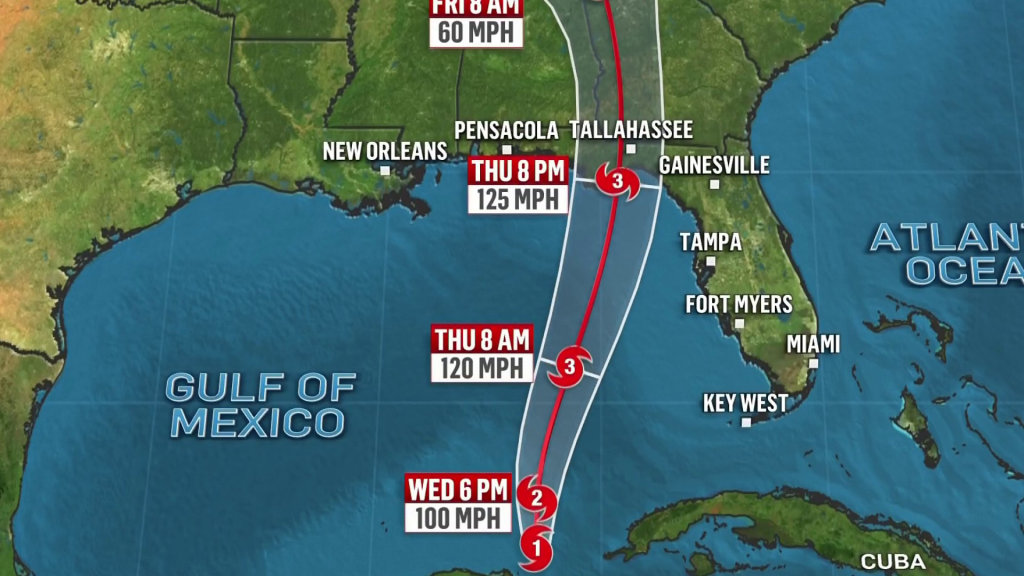
The formation and movement of hurricanes are complex phenomena influenced by a multitude of atmospheric and oceanic factors. Hurricane Helene, like all tropical cyclones, is tracked meticulously by meteorologists who analyze its intensity, speed, and predicted course. Early projections are often subject to change, making continuous monitoring of official advisories from organizations like the National Hurricane Center crucial.
Tracking and Forecasting
The path of a hurricane is determined by steering currents in the atmosphere. These currents, which can shift due to changes in pressure systems across the globe, dictate whether a storm moves westward towards the United States, curves northward into the Atlantic, or takes a different trajectory. For Miami, a westward or northwestward track poses the most significant concern. Even a near-miss can result in substantial impacts, including heavy rainfall, strong winds, and storm surge, particularly along its extensive coastline.
Potential Impacts on Miami
The impacts of a hurricane on a coastal city like Miami can be multifaceted.
Storm Surge and Coastal Flooding
One of the most dangerous aspects of a hurricane is storm surge, an abnormal rise of water generated by the storm’s winds. This rise in sea level can inundate coastal areas, causing significant damage to infrastructure, homes, and businesses. Miami’s low-lying elevation and extensive network of canals make it particularly vulnerable to storm surge.
High Winds and Wind Damage
The powerful winds associated with hurricanes can cause widespread destruction, tearing roofs off buildings, downing trees and power lines, and turning loose debris into dangerous projectiles. The intensity of wind damage is directly correlated with the hurricane’s category.
Heavy Rainfall and Inland Flooding
Even if a hurricane does not make a direct landfall in Miami, it can still bring torrential rainfall. This can lead to severe inland flooding, overwhelming storm drains and causing disruptions to transportation and daily life.
Economic Disruption
Beyond the immediate physical damage, hurricanes can have a profound economic impact. The tourism sector, a cornerstone of Miami’s economy, can suffer immensely due to cancelled flights, evacuated hotels, and the general reluctance of visitors to travel to an area perceived as unsafe.
Preparedness Measures in Miami
Miami, a city seasoned by decades of hurricane threats, has developed robust preparedness strategies. These measures involve coordinated efforts between government agencies, local businesses, and individual residents.
Official Emergency Management
The Miami-Dade County Office of Emergency Management plays a pivotal role in coordinating the city’s response to potential natural disasters. This includes developing evacuation plans, establishing public shelters, and disseminating critical information to the public. The city’s infrastructure, including its seawalls and drainage systems, is regularly assessed and maintained to mitigate flood risks.
Business Continuity and Tourism Sector Resilience
For the thriving tourism sector, preparedness is not just about safety but also about economic continuity. Hotels and resorts in Miami, such as the Fontainebleau Miami Beach or the Epic Hotel, have comprehensive hurricane preparedness plans. These often include:
- Early Warning Systems: Proactive communication with guests regarding potential impacts and advisories.
- Securing Property: Boarding up windows, securing outdoor furniture, and reinforcing vulnerable areas.
- Supply Chain Management: Stocking essential supplies like food, water, and fuel.
- Staff Training: Ensuring staff are well-trained in emergency procedures and guest care during a storm.
- Post-Storm Recovery: Having plans in place for rapid assessment of damage, repair, and resumption of services to welcome back tourists.
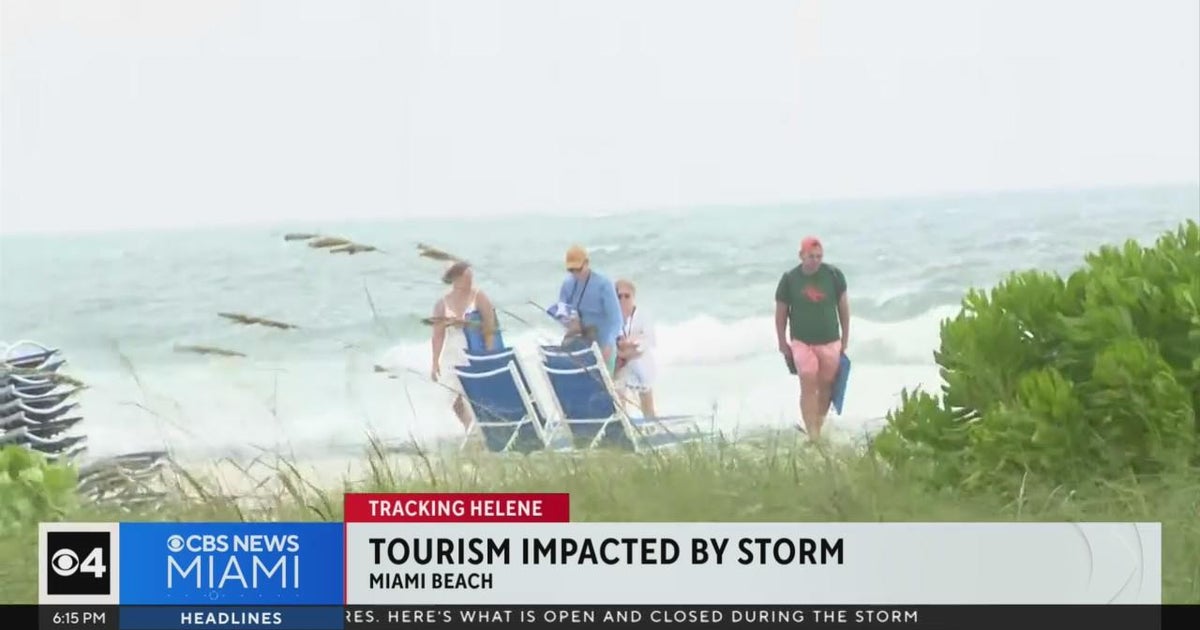
Restaurants, entertainment venues, and attractions across Miami also engage in similar preparedness efforts, understanding that a swift recovery is key to minimizing prolonged economic downturns.
Individual and Community Preparedness
The resilience of Miami is also built upon the preparedness of its residents. Emergency kits with non-perishable food, water, medications, and flashlights are essential. Familiarity with evacuation routes and the location of designated shelters is vital. Community awareness campaigns conducted by local authorities aim to educate the public on risk assessment, personal safety, and the importance of heeding official advisories.
The Role of Tourism in Hurricane Preparedness and Recovery
The tourism industry in Miami is intrinsically linked to hurricane preparedness and recovery efforts. While a hurricane poses a significant threat, the industry’s robust nature and the proactive measures taken by its stakeholders can also contribute to a more organized and efficient response.
Pre-Storm Tourist Guidance
As a hurricane approaches, travel advisories are issued. Airlines may preemptively cancel flights to and from Miami International Airport or Fort Lauderdale-Hollywood International Airport to ensure the safety of passengers and crew. Hotels are tasked with communicating with their guests, offering options for early departures or advising on shelter-in-place procedures. Travel insurance becomes a critical consideration for visitors booking trips to Miami during hurricane season.
Post-Storm Economic Revival
The economic recovery of Miami after a hurricane heavily relies on the swift return of its tourism sector. Once the immediate threat has passed and authorities declare it safe, the focus shifts to rebuilding and restoring the city’s appeal.
Infrastructure Repair and Beautification
Beachfronts, hotels, and tourist attractions often require significant cleanup and repair. Local authorities and businesses collaborate to expedite these processes, aiming to restore the city’s pristine image as quickly as possible. Efforts are made to clear roadways, restore power, and ensure that essential services are operational.
Marketing and Reassurance Campaigns
Following a storm, destination marketing organizations, such as Greater Miami & The Beaches Tourism & Convention Board, often launch campaigns to reassure potential visitors that Miami is open for business. These campaigns highlight the city’s resilience and its unwavering commitment to providing exceptional visitor experiences. They may also showcase any new developments or improved facilities.
Community Support and Volunteerism
The spirit of Miami is often evident in the aftermath of a disaster, with residents and tourism workers participating in volunteer efforts to aid in the recovery. This collective spirit contributes to the rapid restoration of the city’s vibrant atmosphere, making it an attractive destination once again.
Monitoring and Decision-Making Amidst Hurricane Threats
The decision to travel to, or remain in, Miami during hurricane season requires careful consideration and constant monitoring of developing weather patterns. The dynamic nature of tropical systems means that predictions can change rapidly, necessitating flexibility and informed decision-making.
Staying Informed
The primary source of information regarding Hurricane Helene and its potential impact on Miami should always be official channels. This includes:
- The National Hurricane Center for the latest forecast track, intensity, and watches/warnings.
- Local news outlets in Miami for region-specific updates and evacuation orders.
- Official social media accounts of emergency management agencies.
Travel and Accommodation Adjustments
For those with travel plans to Miami, it is crucial to stay abreast of airline policies and hotel cancellation or rebooking options. Many hotels, particularly those in tourist areas like South Beach, have specific hurricane policies designed to assist guests during such events. Understanding these policies in advance can alleviate stress and financial concerns.

Prioritizing Safety
Ultimately, the decision-making process must prioritize safety above all else. If official advisories indicate a significant threat to Miami, heeding evacuation orders and seeking shelter is paramount. The vibrant spirit and attractions of Miami, from its stunning beaches like Lummus Park to its cultural hubs like the Wynwood Walls, will always be there to welcome visitors once it is safe to return. The resilience of this iconic destination is a testament to its preparedness and the enduring appeal it holds for travelers worldwide.
LifeOutOfTheBox is a participant in the Amazon Services LLC Associates Program, an affiliate advertising program designed to provide a means for sites to earn advertising fees by advertising and linking to Amazon.com. Amazon, the Amazon logo, AmazonSupply, and the AmazonSupply logo are trademarks of Amazon.com, Inc. or its affiliates. As an Amazon Associate we earn affiliate commissions from qualifying purchases.