
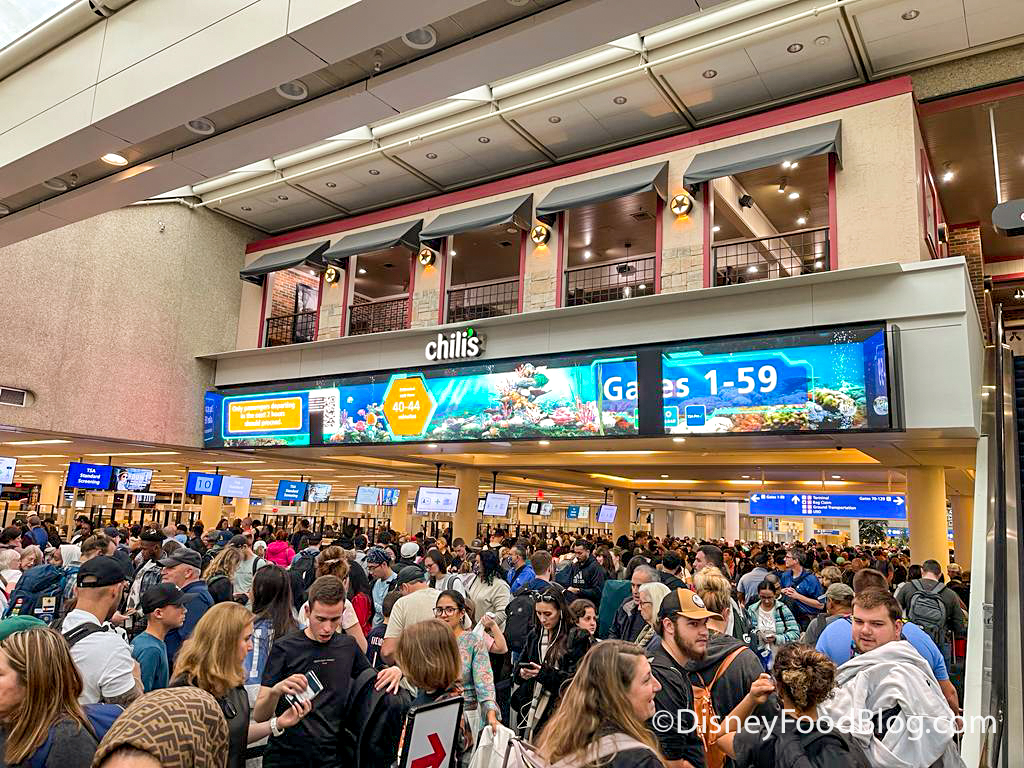
Navigating a major travel hub like Orlando International Airport can be an experience in itself. Understanding its current operational tempo is key to a smoother journey, whether you’re arriving for a magical vacation, a business engagement, or a connecting flight to your next adventure. The airport’s “busyness” isn’t a static metric; it fluctuates based on a complex interplay of factors, from seasonal travel demands and holiday peaks to flight schedules and even local events. This guide aims to provide insight into how to gauge the current activity at MCO and what that means for your travel plans.
Understanding Orlando International Airport’s Pulse
Orlando International Airport, often abbreviated as MCO, is one of the busiest airports in the world, serving millions of passengers annually. Its strategic location makes it a gateway to Central Florida and its world-renowned theme parks, as well as a significant hub for domestic and international travel. The airport’s operational capacity is vast, encompassing two major terminals, A and B, and multiple concourses, all designed to handle a high volume of traffic.
Key Indicators of Busyness
Several factors contribute to the perceived or actual busyness of Orlando International Airport. These include:
- Passenger Volume: This is the most direct indicator. High passenger numbers mean longer lines at security, check-in, and immigration, as well as more crowded gate areas and dining options.
- Flight Delays and Cancellations: A high rate of delays or cancellations can significantly disrupt the flow of passengers, leading to congestion and a sense of chaos. This often reflects broader air traffic control issues or airline-specific operational challenges.
- Traffic on the Airside: The number of aircraft on the tarmac, taxiing, or waiting for gates can indicate operational strain.
- Ground Transportation Demand: The queues for rental cars, ride-sharing services, and airport shuttles are often a direct reflection of the number of people arriving and departing.
- Seasonal Trends: As expected, certain times of the year are inherently busier. The periods surrounding major holidays like Christmas, Thanksgiving, and Spring Break, as well as the summer vacation months, consistently see peak passenger traffic. Conversely, the shoulder seasons, such as late January and February (excluding Presidents’ Day weekend) or the fall months before Thanksgiving, tend to be less crowded.
- Special Events in Orlando: Major conventions, sporting events, or the opening of new attractions in Orlando can also lead to temporary surges in airport traffic.
Real-Time Busyness: Tools and Strategies
While predicting exact real-time busyness can be challenging, several resources can help travelers gain an understanding of current conditions at Orlando International Airport.
Utilizing Official and Third-Party Resources
- Airport Websites and Apps: Many major airports, including Orlando International Airport, offer real-time flight information, including arrival and departure times, gate assignments, and sometimes even estimated wait times for security. While they may not always provide a precise “busy” score, this information is crucial for assessing potential delays and crowd levels.
- Airline Apps: Your specific airline’s app can provide valuable insights into your flight’s status and any operational issues that might affect your journey. They often have alerts for delays, gate changes, and boarding times.
- Traveler Forums and Social Media: Online communities dedicated to travel or Orlando can be a treasure trove of up-to-the-minute information. Travelers often share their experiences regarding wait times, crowd density, and overall airport atmosphere in real-time on platforms like Reddit or specialized travel forums. A quick search for “[Orlando Airport] wait times” or “[MCO] current conditions” might yield useful anecdotal evidence.
- Crowd-Sourcing Apps: Apps like MyTSA (Transportation Security Administration) can provide estimated security wait times at participating airports. While these are estimates, they can offer a good general idea of how busy the security checkpoints are.
Understanding Airport Operations
The busyness of Orlando International Airport is a direct reflection of its operational capacity and demand.
- Terminal Operations: The airport’s two main terminals, Terminal A and Terminal B, each serve multiple airlines. Understanding which terminal your airline operates from is essential, as congestion can vary between them. Terminal A is generally used by airlines operating on the north side, while Terminal B serves those on the south.
- Security Checkpoints: The number of open security lanes is a critical factor in determining wait times. During peak periods, all lanes are typically operational, but staffing levels and passenger volume can lead to significant queues. The airport has multiple security checkpoints, including primary ones in each terminal and additional ones for certain concourses.
- Gate Availability: As flights arrive and depart, gates become occupied and then available. A backlog of arriving aircraft waiting for gates can cause delays and contribute to a sense of busyness.
- Baggage Claim: The efficiency of baggage handling can also impact the passenger experience. Long waits at baggage claim can contribute to congestion in the arrivals hall.
Planning Your Trip Around Airport Busyness
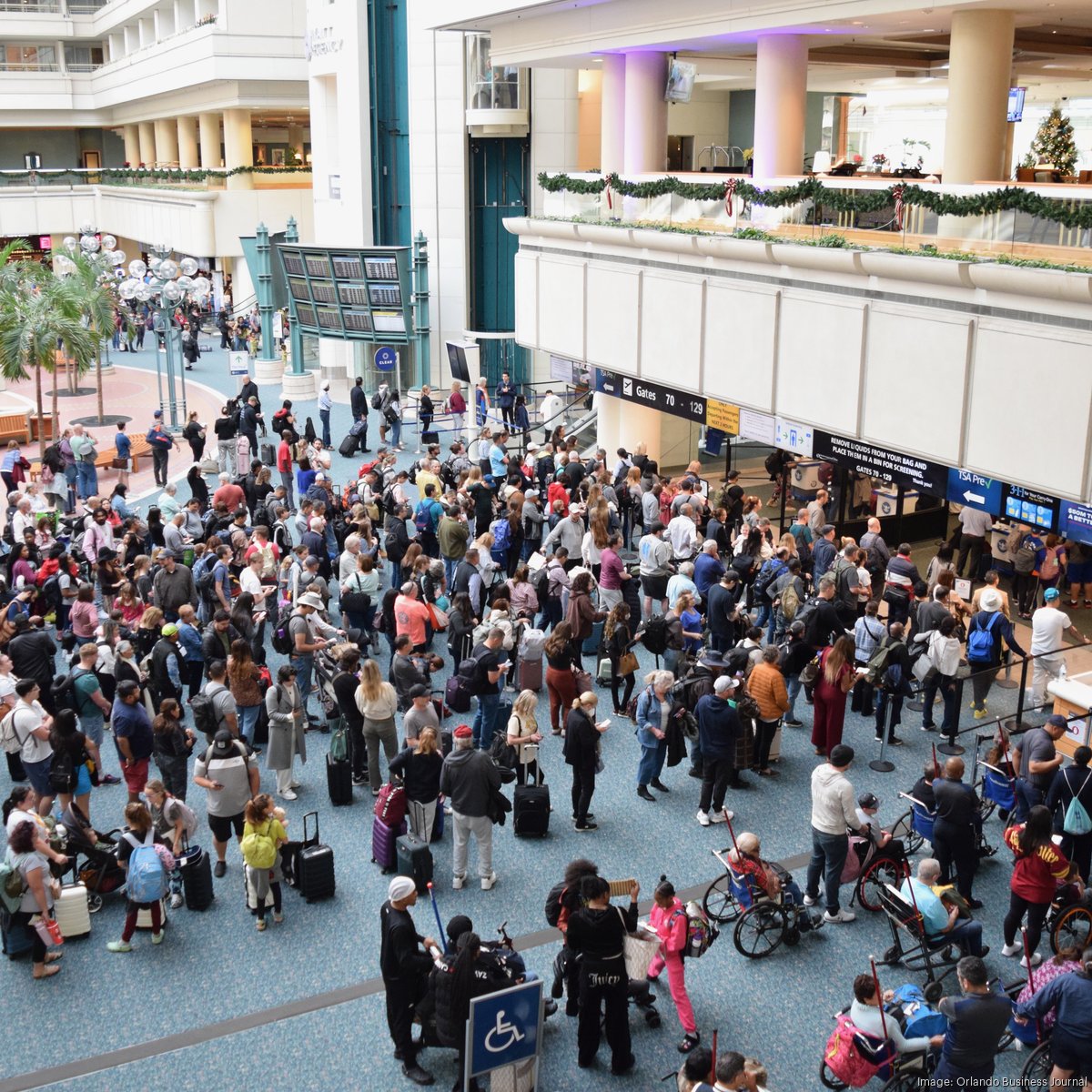
Knowing how busy Orlando International Airport might be allows for proactive planning to minimize stress and maximize efficiency.
Strategies for Navigating Peak Times
- Arrive Early: This is the golden rule for any busy airport. For domestic flights, arriving at least two hours prior to departure is recommended. For international flights, three hours is advisable. This buffer allows ample time for check-in, bag drop, security screening, and reaching your gate without rushing.
- Utilize Online Check-in and Mobile Boarding Passes: Most airlines offer online check-in 24 hours before your flight. This saves time at the airport by allowing you to proceed directly to bag drop (if needed) or directly to security with your mobile boarding pass.
- Consider Pre-booked Parking or Transportation: If driving yourself, booking parking in advance can secure a spot and potentially offer a discount. Similarly, if relying on ride-sharing or shuttles, pre-booking can help streamline your departure from the airport.
- Pack Smart: Ensure all carry-on items comply with TSA regulations to avoid additional screening delays. Keep liquids and electronics easily accessible for quick removal at security.
- Stay Informed: Continuously check flight status updates through airline apps or airport websites, especially if your flight is departing during a known peak travel period.
Understanding Different Travel Periods
The ebb and flow of passenger traffic at Orlando International Airport is largely dictated by predictable travel cycles:
Peak Travel Seasons
- Summer (June-August): This is a consistently busy period due to school holidays and families flocking to Orlando’s theme parks, such as Walt Disney World Resort and Universal Orlando Resort. Expect higher passenger volumes and potentially longer wait times.
- Holiday Periods (Mid-December to Early January, Thanksgiving Week, Spring Break – typically March/April): These are the absolute busiest times. Many families travel to spend holidays with loved ones or to escape to warmer climates. MCO can experience record-breaking passenger numbers during these weeks.
- Major Event Weekends: If there’s a significant convention at the Orange County Convention Center or a major sporting event in the region, the airport can see a substantial increase in traffic.
Shoulder and Off-Peak Seasons
- Late January to February (excluding Presidents’ Day): This period often sees a dip in leisure travel following the holiday rush.
- September to Mid-November (excluding Thanksgiving): After the summer crowds dissipate and before the holiday season kicks in, this can be a relatively calmer period for air travel.
- Mid-week Travel: Traveling on Tuesdays, Wednesdays, or Saturdays is often less busy than traveling on Fridays, Sundays, or Mondays, which are typically the busiest days of the week.
Beyond the Crowds: Enhancing Your Airport Experience
Even when Orlando International Airport is at its busiest, there are ways to make your experience more comfortable and efficient.
Leveraging Airport Amenities
- Airport Lounges: If you have access through a credit card, airline status, or by purchasing a day pass, airport lounges offer a peaceful escape from the main terminals. They typically provide comfortable seating, Wi-Fi, complimentary food and beverages, and business facilities.
- Dining and Shopping: While popular eateries can get crowded, exploring different concourses or opting for less mainstream options can sometimes provide a more relaxed dining experience. Take advantage of any downtime to browse the shops for souvenirs or essentials.
- Airport Art and Exhibits: MCO often features rotating art exhibits and installations that can offer a pleasant distraction and a chance to appreciate local culture while you wait.

Considering Alternative Travel Times
- Early Morning or Late Night Flights: Flights scheduled very early in the morning or late at night often tend to be less crowded, as many travelers prefer to fly during more conventional hours. This can translate to shorter security lines and a less chaotic boarding process.
By understanding the dynamics of its operational tempo and utilizing available resources, travelers can better prepare for and navigate the ebb and flow of activity at Orlando International Airport, ensuring a smoother start and end to their Florida adventures.
LifeOutOfTheBox is a participant in the Amazon Services LLC Associates Program, an affiliate advertising program designed to provide a means for sites to earn advertising fees by advertising and linking to Amazon.com. Amazon, the Amazon logo, AmazonSupply, and the AmazonSupply logo are trademarks of Amazon.com, Inc. or its affiliates. As an Amazon Associate we earn affiliate commissions from qualifying purchases.