
The question of how much snow Minneapolis will receive is a perennial one for residents and visitors alike, shaping everything from daily commutes and outdoor recreation to the overall winter experience in this vibrant Upper Midwest city. While precise, long-term forecasts are an impossibility, understanding the historical patterns, contributing meteorological factors, and the typical winter weather phenomena that affect Minneapolis can provide valuable insights for planning any winter trip or simply preparing for the season ahead. This deep dive aims to illuminate what a typical Minneapolis winter looks like, the variables that influence snowfall amounts, and how to best appreciate the city when its landscape is draped in white.

Understanding Minneapolis’s Winter Climate
Minneapolis, situated in Minnesota, is renowned for its distinct four-season climate, with winter being a significant and often defining period. The city experiences a continental climate characterized by cold, snowy winters and warm summers. The geographical location, far from the moderating influence of large bodies of water (though the Mississippi River flows through it), contributes to these temperature extremes.
Historical Snowfall Averages
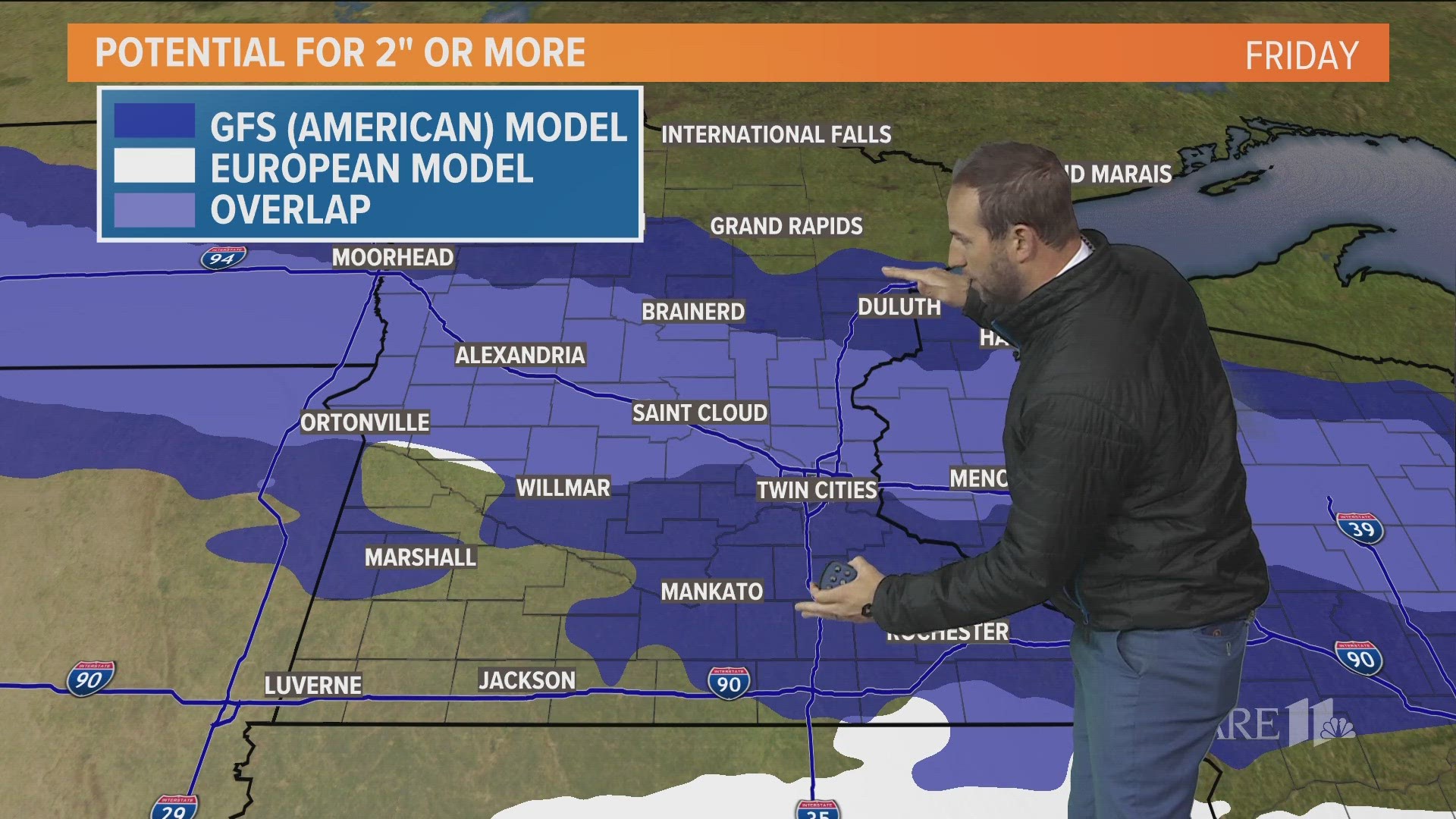
Historically, Minneapolis averages around 54 inches of snowfall annually. However, this is a mean, and actual snowfall can vary dramatically from year to year. Some winters are relatively mild with less accumulation, while others can be exceptionally harsh, bringing much more snow than the average. The snowfall is not evenly distributed throughout the winter months; accumulation often begins in earnest in November, peaks in January, and can continue into March or even early April.
The typical snow season in Minneapolis can be broken down month by month, offering a clearer picture of the progression of winter weather:
- November: This is generally the transition month from fall to winter. Snowfall in November is usually light and sporadic, often melting quickly. However, an early significant snow event is not unheard of, setting the tone for the season.
- December: Snowfall becomes more consistent in December. The ground begins to freeze, and the chances of accumulating snow increase substantially. This month often sees the first significant snowfalls that remain on the ground.
- January: This is typically the snowiest month for Minneapolis. Cold air masses are firmly entrenched, and the conditions are ripe for snow. Multiple snow events, including blizzards or significant winter storms, are common.
- February: While still very cold, February can sometimes see a slight decrease in the intensity of snowfall compared to January, though it remains a significant winter month. The potential for heavy snow persists, and the cumulative snowfall can reach impressive levels.
- March: Winter begins to recede in March, but it often does so with a final flourish. Heavy snowfalls can still occur, and the days begin to lengthen, offering a glimmer of spring. However, significant accumulations are still possible, and the lingering snow can impact travel and outdoor activities well into the month.
Factors Influencing Snowfall
Several meteorological factors converge to determine the amount of snow Minneapolis receives:
- Alberta Clippers: These are fast-moving, low-pressure systems that originate in Alberta, Canada, and sweep southeast across the Great Plains. They typically bring lighter, drier snow but can sometimes produce heavier accumulations when they intensify or interact with other weather systems.
- Colorado Lows (Panhandle Hookers): These are more significant storm systems that develop in the southern Rocky Mountains and can then “hook” northeastward. When these systems track across or near Minnesota, they have the potential to produce substantial snowfall, strong winds, and blizzard conditions due to their ability to pull in cold, moist air from the Gulf of Mexico and combine it with arctic air from Canada.
- Lake Effect Snow: While Minneapolis itself is not directly on the Great Lakes, the nearby presence of lakes can sometimes influence snowfall patterns. If cold air moves across the slightly warmer waters of a lake (like Lake Superior, though more distant), it can pick up moisture and deposit snow on downwind areas. However, the classic, heavy lake-effect snow belts are typically found closer to the Great Lakes shores.
- Arctic Air Masses: The arrival of extremely cold air from Canada is a prerequisite for significant snowfall. Without sufficiently cold temperatures (typically 32°F or 0°C or below), precipitation will fall as rain or freezing rain rather than snow. The intensity and duration of these arctic outbreaks directly impact the potential for heavy snow.
- Jet Stream Position: The position and strength of the polar jet stream play a crucial role in steering storm systems. A southerly dip in the jet stream often directs storms into the central United States, including Minnesota, increasing the likelihood of significant snow events.
Preparing for a Snowy Minneapolis Visit
For travelers considering a visit to Minneapolis during the winter months, understanding the potential for snow is paramount for a smooth and enjoyable experience. Whether the goal is to embrace the winter wonderland or simply navigate the city efficiently, preparation is key.
Travel and Transportation
Snowfall can significantly impact travel in and around Minneapolis. The city and its surrounding suburbs have a dedicated public works department that diligently plows and treats roads.
- Driving: While the roads are well-maintained, driving can still be challenging during and immediately after heavy snowfalls. Visibility can be reduced, and road surfaces can become slick. It is essential for visitors to be comfortable driving in winter conditions, have a vehicle equipped with appropriate tires (snow tires are highly recommended), and check road conditions via resources like the Minnesota Department of Transportation (MnDOT) before setting out. Rental car agencies often offer vehicles equipped for winter.
- Public Transportation: Minneapolis has a public transit system that includes buses and the METRO light rail. While service can sometimes be slightly delayed during severe weather, it is generally reliable. The light rail, in particular, can offer a convenient way to travel between key areas of the city without the stress of driving.
- Air Travel: The Minneapolis-Saint Paul International Airport (MSP) is a major hub. While flight delays and cancellations can occur due to severe winter storms affecting MSP or other airports it serves, airport operations are generally well-equipped to handle snow removal. Checking flight status regularly is advisable.
Packing for Winter
Appropriate attire is non-negotiable for enjoying Minneapolis in the snow. Layering is the most effective strategy.
- Outerwear: A warm, waterproof, and windproof winter coat is essential. Look for features like a hood, insulated lining, and good cuff seals.
- Base Layers: Thermal underwear made of merino wool or synthetic fabrics will help retain body heat.
- Mid-Layers: Fleece jackets or sweaters provide additional insulation.
- Headwear: A warm hat that covers the ears is crucial, as a significant amount of body heat is lost through the head.
- Handwear: Insulated, waterproof gloves or mittens are a must. Mittens are generally warmer than gloves.
- Footwear: Waterproof, insulated boots with good traction are vital for walking in snow and on icy surfaces.
- Accessories: Scarves or neck gaiters protect the face and neck from the cold wind.
Embracing the Winter Wonderland: Activities and Attractions
Far from being a reason to hibernate, a snowy Minneapolis offers a plethora of opportunities for winter recreation and cultural exploration. The city truly comes alive in its own unique way during the colder months.
Outdoor Adventures
The snow transforms the city’s numerous parks and lakes into playgrounds.
- Skiing and Snowboarding: While Minneapolis might not be a traditional mountain resort town, opportunities for downhill skiing and snowboarding exist at local hills like Hyland Hills Ski Area and Welch Village (a bit further afield).
- Cross-Country Skiing and Snowshoeing: The city boasts an extensive network of groomed trails for cross-country skiing in parks such as Theodore Wirth Park and Minnehaha Park. Snowshoeing is also a fantastic way to explore less-traveled areas. Rental equipment is often available.
- Ice Skating: Several outdoor ice rinks pop up throughout the city during the winter, including the popular one at the Theodore Wirth Park (near the Trailhead building) and smaller community rinks. The Mill City Museum area also features a charming rink with views of the Stone Arch Bridge.
- Frozen Lakes: When the ice is sufficiently thick and deemed safe by local authorities, lakes like Lake Harriet, Lake Nokomis, and Bde Maka Ska become hubs for ice fishing and ice hockey. Always check safety advisories before venturing onto frozen bodies of water.
Indoor Comforts and Culture
When the weather calls for a break from the cold, Minneapolis offers a wealth of indoor attractions.
- Museums and Galleries: The Minneapolis Institute of Art (MIA) offers world-class collections spanning various cultures and eras. The Walker Art Center, with its renowned contemporary art and sculpture garden (which remains accessible in winter, albeit snow-covered), provides hours of exploration.
- Performing Arts: Minneapolis has a vibrant performing arts scene. Catch a show at the historic Pantages Theatre, enjoy a performance by the Guthrie Theater, or experience live music at venues like the First Avenue club.
- Culinary Delights: The city boasts a diverse and exciting culinary landscape. Warm up with a hot beverage at one of the many cozy cafes or enjoy a hearty meal at one of the city’s acclaimed restaurants. From farm-to-table establishments to international cuisine, there’s something to satisfy every palate.
- Shopping: Explore the shops at the Galleria Edina for upscale retail or wander through the unique boutiques in neighborhoods like Northeast Minneapolis. The iconic Mall of America in nearby Bloomington offers an immense shopping experience with indoor entertainment as well.
Long-Term Snowfall Trends and Climate Change
While answering “How Much Will It Snow Minneapolis?” for a specific week is challenging, examining long-term trends and the potential impacts of climate change provides a broader perspective on the city’s winter weather.
Shifting Patterns
Climate models suggest that while winters in the Upper Midwest may not necessarily become warmer overall in the immediate future, the nature of snowfall could change. Some research indicates a potential for an increase in heavy precipitation events, meaning that when it does snow, accumulations could be more significant. Conversely, milder winters might lead to more frequent freeze-thaw cycles, creating icy conditions.
The timing of snowfall may also shift. Warmer autumns could delay the onset of consistent snow cover, while warmer springs might lead to earlier snowmelt. These shifts can impact ecosystems, agriculture, and infrastructure.
Preparing for Uncertainty
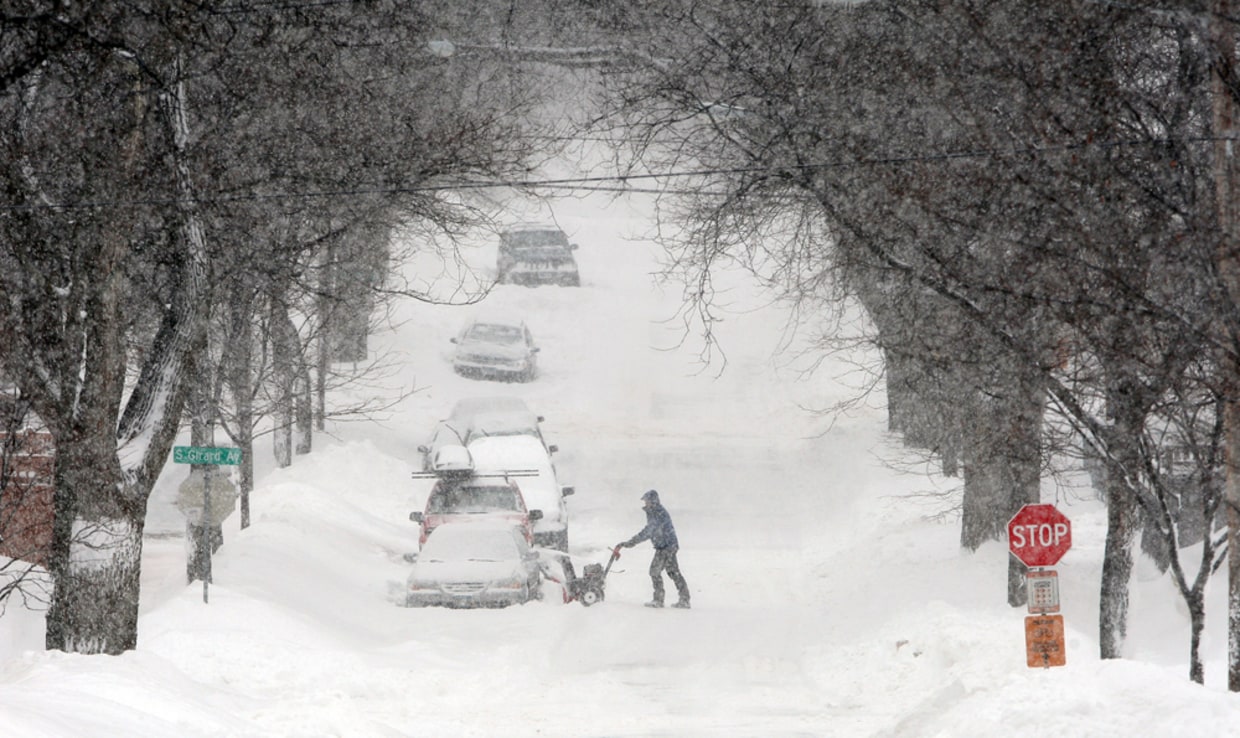
For those who manage properties, operate businesses, or simply live in Minneapolis, adapting to a potentially more variable winter climate is becoming increasingly important. This might involve investing in better snow removal equipment, adjusting business hours during extreme weather, or incorporating more resilient landscaping.
For travelers, the takeaway is to remain flexible and informed. Weather patterns can change rapidly, and forecasts are most reliable in the short term. Monitoring local weather reports and news is the best way to stay ahead of any significant snowfall events and make informed decisions about travel plans and activities. Minneapolis in the winter is a city of resilience and beauty, and with proper preparation and an open mind, its snowy charm can be thoroughly enjoyed.
LifeOutOfTheBox is a participant in the Amazon Services LLC Associates Program, an affiliate advertising program designed to provide a means for sites to earn advertising fees by advertising and linking to Amazon.com. Amazon, the Amazon logo, AmazonSupply, and the AmazonSupply logo are trademarks of Amazon.com, Inc. or its affiliates. As an Amazon Associate we earn affiliate commissions from qualifying purchases.