
The question of geographical scale often sparks curiosity, particularly when comparing distinct regions with vastly different cultural and geographical identities. The comparison between Texas and Japan is a fascinating one, not just in terms of sheer landmass, but also in how that size impacts travel, lifestyle, and the perception of distances within these two prominent entities. While Texas might conjure images of sprawling ranches and endless highways, and Japan of dense metropolises and bullet trains, understanding their actual size is crucial for any discerning traveler or resident looking to grasp the logistical realities of exploring or inhabiting these places.
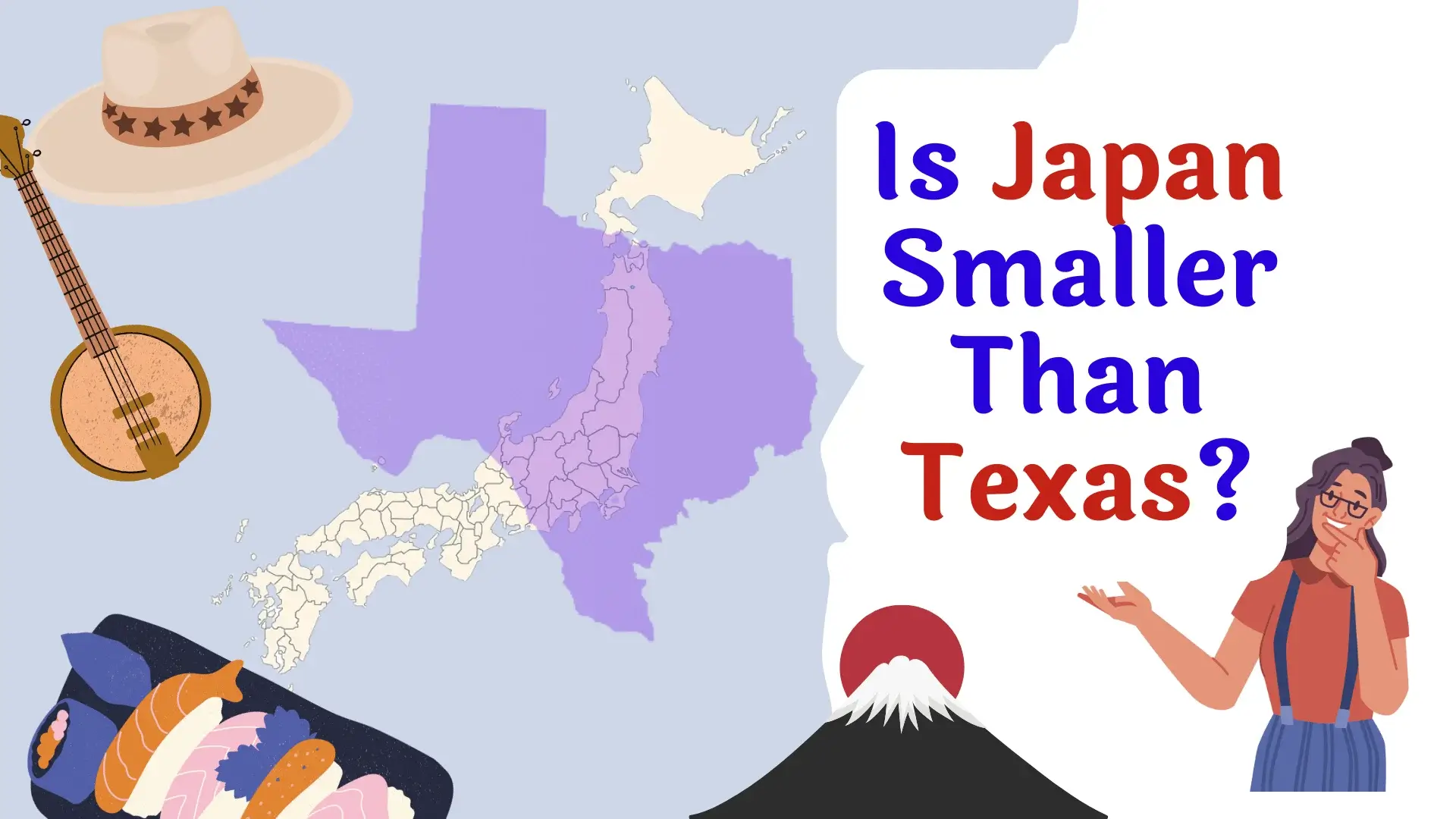
Measuring the Giants: Land Area Comparisons
At first glance, the vastness of Texas is undeniable. Known for its expansive territory, it is the second-largest state in the United States by both area and population. Its sheer breadth contributes to a perception of significant distance between its major cities, such as Houston, Dallas, San Antonio, and Austin. Driving from one major metropolitan area to another can often feel like a journey in itself, taking several hours.
Conversely, Japan is an archipelago nation, comprising thousands of islands stretching across a considerable distance in the Pacific Ocean. While it might not possess the singular continental expanse of Texas, its island nature creates a unique geographical dynamic.
Texas: A State of Immense Proportions
The total area of Texas is approximately 268,596 square miles (695,662 square kilometers). This makes it a landmass that rivals many countries in size. To put this into perspective, if Texas were an independent nation, it would rank among the larger countries globally. This immense size influences everything from its diverse climates and landscapes – from the piney woods of the east to the desert plains of the west – to the logistics of infrastructure and the variety of experiences available to those who choose to explore it.
Japan: An Archipelago’s Reach
Japan, on the other hand, has a total area of approximately 145,937 square miles (377,975 square kilometers). This figure encompasses its four main islands – Hokkaido, Honshu, Shikoku, and Kyushu – along with numerous smaller islands. While smaller in total area than Texas, Japan’s geographical configuration as a chain of islands presents different challenges and opportunities for travel and exploration. The population density is significantly higher in Japan, especially in its urban centers like Tokyo, Osaka, and Nagoya, leading to a very different kind of spatial experience.
Implications for Travel and Exploration
The difference in land area, and importantly, how that area is utilized and interconnected, profoundly impacts the travel experience in both Texas and Japan.
Navigating the Vastness of Texas
Traveling across Texas often necessitates long drives or domestic flights. The sheer distances between its major attractions, from the historical sites of San Antonio to the natural beauty of Big Bend National Park, can make a comprehensive exploration a time-consuming endeavor. Road trips are a quintessential Texan experience, with highways like I-10 and I-35 serving as major arteries connecting its diverse regions.
- Driving Distances: A drive from El Paso in the west to Beaumont in the east is over 900 miles, a journey that can take more than 13 hours of continuous driving. This necessitates careful planning for multi-day trips.
- Air Travel: For those seeking to cover greater distances efficiently, flying between cities like Dallas and Houston is common, although the flight times themselves are relatively short.
- Regional Diversity: The expansive size allows for incredible regional diversity in landscapes, culture, and cuisine, from the Gulf Coast to the Panhandle. This means that experiencing “all of Texas” is akin to visiting multiple distinct regions rather than a single homogeneous area.
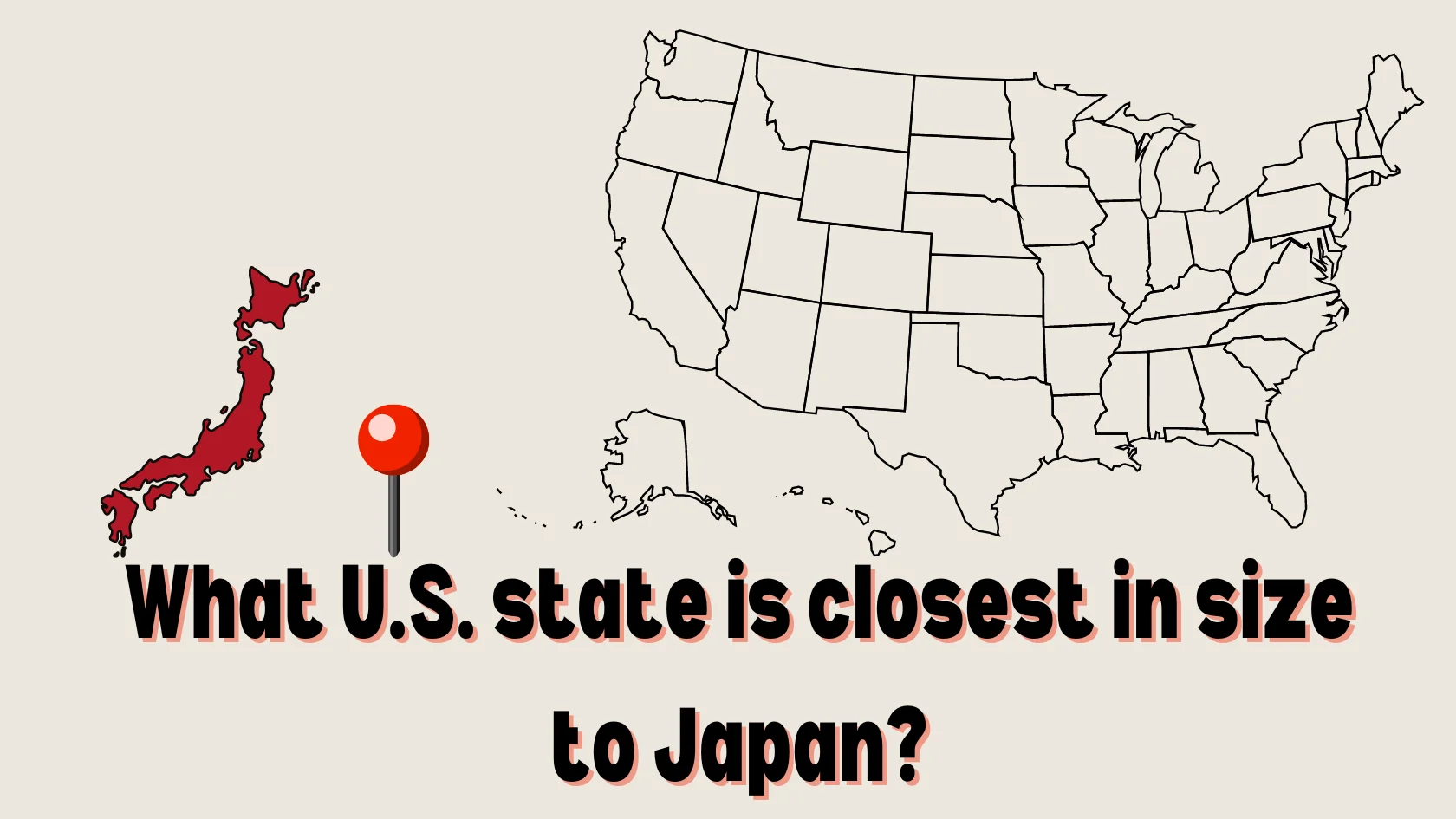
The Efficient Connectivity of Japan
Japan, despite its island geography, is renowned for its highly efficient transportation network, particularly its Shinkansen, or bullet train system. This allows travelers to traverse significant distances between major cities with remarkable speed and comfort.
- Shinkansen Network: The Shinkansen connects virtually all major cities on the main islands, allowing for rapid travel between Tokyo and Kyoto in just over two hours, a distance that would take considerably longer by road in Texas.
- Island Hopping: While the main islands are well-connected, reaching some of the smaller, more remote islands of Japan might involve ferries or smaller aircraft, offering a different kind of travel adventure.
- Urban Density and Commuting: The high population density in Japan means that even within cities, efficient public transport is paramount. Commuting can be extensive, but it is often done via sophisticated subway and rail systems.
Size and Lifestyle: A Tale of Two Scales
The perceived and actual scale of Texas and Japan shapes the daily lives and lifestyle choices of their inhabitants and the experiences of visitors.
The Sprawling Lifestyle of Texas
The vastness of Texas often correlates with a more car-centric lifestyle. Many of its cities are characterized by sprawl, with suburbs extending far from the urban core. This necessitates personal vehicles for most daily activities, from commuting to grocery shopping.
- “Everything’s Bigger in Texas”: This popular adage is not just about land size but also reflects a certain mindset regarding space and scale in many aspects of life, from dining portions to property sizes.
- Rural vs. Urban Divide: The significant difference in population density between its major urban centers and its vast rural and semi-rural areas creates distinct lifestyles. Ranching, agriculture, and oil industries are significant in many parts of the state, requiring vast tracts of land.
- Open Spaces and Outdoor Pursuits: Texas offers immense opportunities for outdoor recreation, from hunting and fishing in its diverse ecosystems to exploring vast state and national parks like Big Bend and Palo Duro Canyon. These often require significant travel to access.
The Compact and Connected Lifestyle of Japan
Japan’s more compact size, combined with its high population density and excellent public transport, fosters a lifestyle that is often more reliant on public transit and walking, especially in urban areas.
- Urban Living: Major cities like Tokyo are incredibly densely populated, with residents often living in smaller homes and relying heavily on public transportation for their daily needs.
- Efficiency and Convenience: The emphasis on efficiency in Japan extends to its urban planning and infrastructure, making it possible to live a rich and fulfilling life without necessarily owning a car.
- Cultural Immersion: The concentration of cultural landmarks, historical sites, and culinary experiences within relatively smaller geographical areas means that exploring Japan can offer a highly immersive experience, with many attractions accessible by train or on foot.
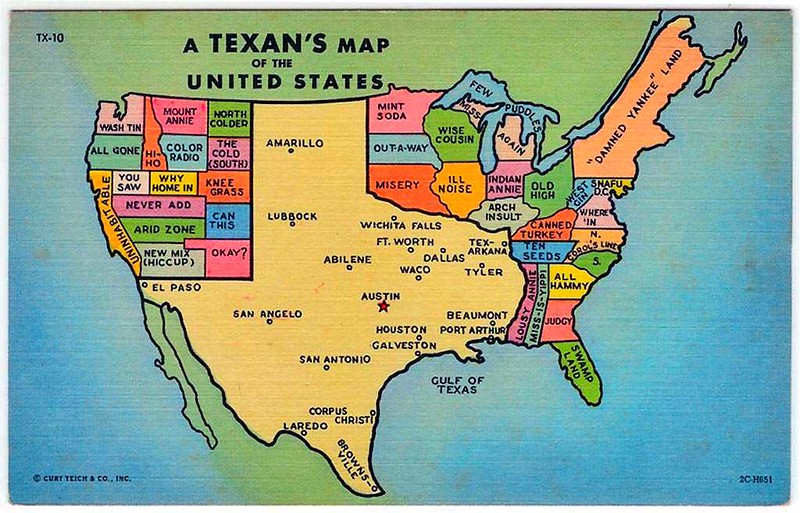
Conclusion: Different Scales, Different Wonders
So, is Texas bigger than Japan? Yes, in terms of sheer land area, Texas is significantly larger. Its 268,596 square miles dwarf Japan’s 145,937 square miles. However, this quantitative difference only tells part of the story.
Japan’s archipelago nature, coupled with its advanced infrastructure, offers a travel experience characterized by rapid transit and concentrated attractions. The distances are navigable with ease, allowing for extensive exploration of its cultural tapestry and natural beauty within a more limited time frame.
Texas, with its continental proportions, demands a different approach to travel. Its vastness allows for a profound sense of open space, diverse landscapes, and a lifestyle that often embraces the automobile. Exploring its entirety is a journey of considerable scale, offering a mosaic of experiences that reflect its immense size. Both destinations, in their own unique ways, offer unparalleled opportunities for discovery, shaped by their fundamental geographical characteristics.
LifeOutOfTheBox is a participant in the Amazon Services LLC Associates Program, an affiliate advertising program designed to provide a means for sites to earn advertising fees by advertising and linking to Amazon.com. Amazon, the Amazon logo, AmazonSupply, and the AmazonSupply logo are trademarks of Amazon.com, Inc. or its affiliates. As an Amazon Associate we earn affiliate commissions from qualifying purchases.