
The Magnolia State, known for its sun-drenched landscapes and humid summers, often conjures images of magnolias, bayous, and Southern hospitality. But when the mercury drops, a question often arises for those considering a visit or a relocation to this picturesque Southern state: Does Mississippi get snow? While it might not be synonymous with winter wonderlands like some of its Northern counterparts, Mississippi does experience snowfall, albeit with varying degrees of frequency and intensity across its diverse geography. Understanding the nuances of Mississippi’s winter climate is crucial for anyone planning a trip, seeking to experience its unique seasonal charm, or simply curious about its weather patterns.
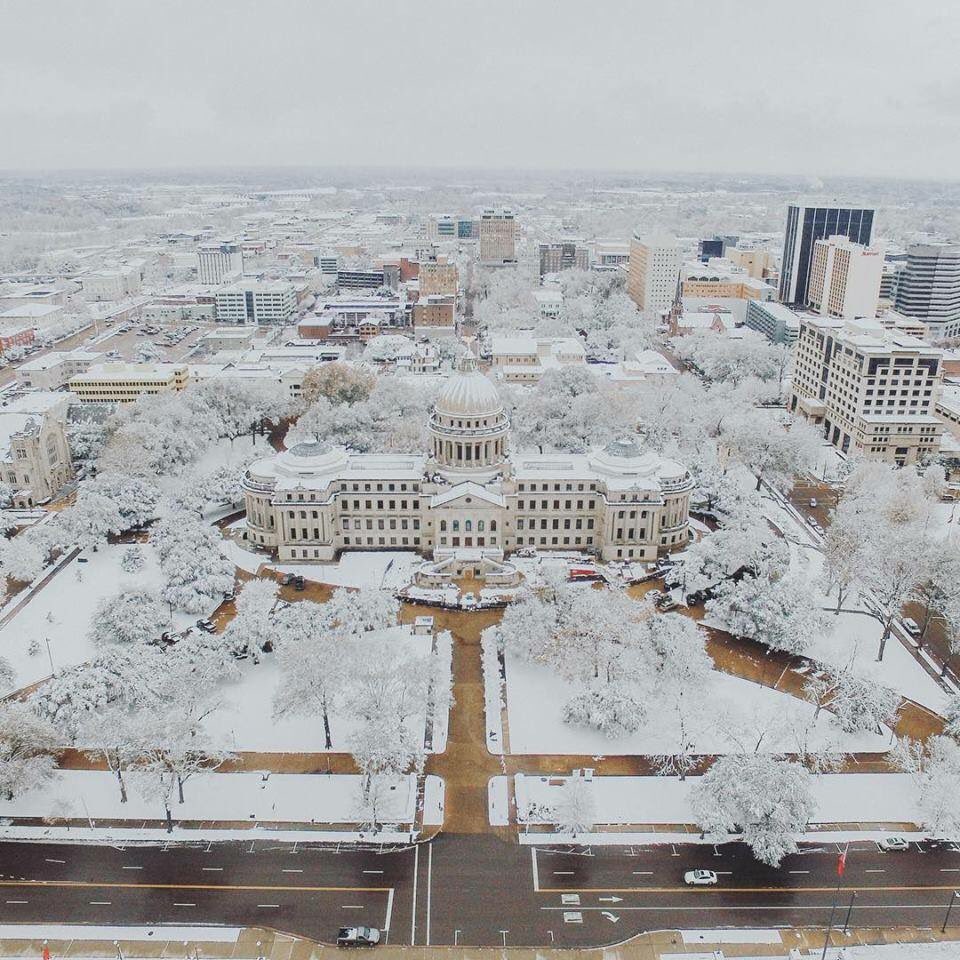
Mississippi’s climate is broadly characterized as humid subtropical. This means hot, humid summers and mild winters. However, “mild” does not necessarily mean snow-free. The state’s latitudinal position and proximity to the Gulf of Mexico influence its weather significantly. Coastal areas, particularly along the Gulf Coast, tend to experience warmer winters, with snow being a rare event. Inland, and especially in the northern regions of the state, the likelihood of encountering snow increases. This geographical variation is key to understanding Mississippi’s relationship with winter precipitation.
Understanding Mississippi’s Winter Climate
The typical winter in Mississippi, from December through February, is generally mild. Average daily temperatures in cities like Jackson often hover in the low to mid-40s Fahrenheit during the day, with nighttime lows dipping into the 30s. However, cold snaps are not uncommon. These can bring temperatures below freezing for extended periods, creating conditions conducive to frost, ice, and, occasionally, snow.
The formation of snow requires a specific set of atmospheric conditions: temperatures at or below freezing from the cloud base to the ground, and sufficient moisture in the atmosphere. In Mississippi, these conditions align less frequently than in more northerly states, making snowfall a noteworthy event rather than a predictable occurrence. When these elements do converge, the state can be transformed, offering a unique visual spectacle.
Factors Influencing Snowfall
Several meteorological factors contribute to the occurrence of snow in Mississippi:
- Cold Air Masses: The arrival of strong, cold air masses from the north or northwest is the primary trigger for freezing temperatures. These systems can displace the warmer, moist air that typically dominates the region.
- Moisture Availability: For snow to fall, there must be moisture in the atmosphere in the form of clouds and precipitation. This moisture can originate from systems moving across the country or from moisture picked up from the Gulf of Mexico, which can then interact with cold air.
- Temperature Profiles: The precise temperature profile of the atmosphere, from the ground up to several thousand feet, is critical. Even if surface temperatures are below freezing, if the air aloft is too warm, precipitation will fall as sleet or freezing rain. Conversely, if temperatures are consistently below freezing throughout the vertical column, snow is likely.
- Storm Systems: Winter storms that track across the southeastern United States are often responsible for bringing snow to Mississippi. The exact path and intensity of these storms dictate whether precipitation falls as snow, sleet, freezing rain, or simply rain.
Geographical Variations
The northern third of Mississippi, often referred to as the “Hill Country,” generally experiences colder temperatures and a higher probability of snowfall compared to the Delta or the Pine Belt regions. Cities like Oxford and Tupelo are more likely to see accumulating snow than coastal cities like Biloxi or Gulfport.
- Northern Mississippi: This region is more susceptible to arctic outbreaks and can experience moderate to occasionally heavy snowfalls. Accumulations of several inches are possible, leading to temporary disruptions in daily life.
- Central Mississippi: Cities like Jackson can receive light snow, often melting upon contact with warmer surfaces. However, significant snow events can occur, leading to travel advisories.
- Southern Mississippi and the Coast: Snowfall in these areas is exceptionally rare. When it does occur, it is usually a light dusting that melts quickly. Freezing rain and ice are more common concerns in these regions during cold snaps, posing significant travel hazards.
Notable Snowfall Events in Mississippi
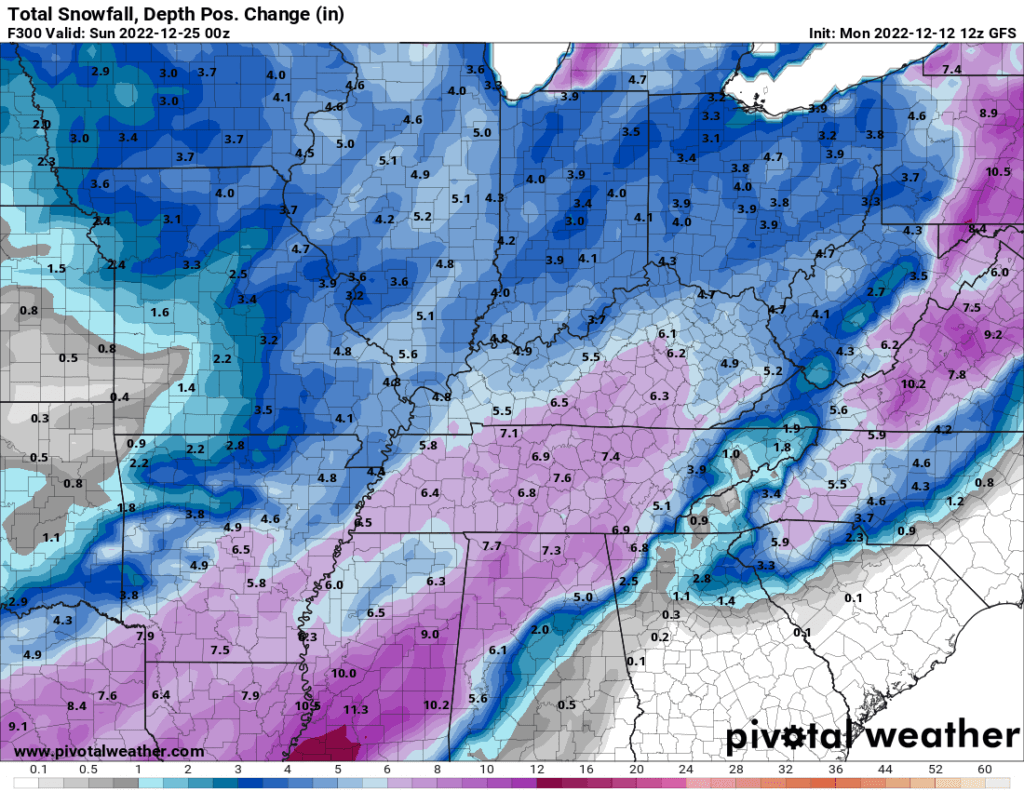
While the average annual snowfall in Mississippi is quite low, particularly in the southern half, there have been notable instances where the state has been blanketed in white. These events are often memorable for residents, offering a stark contrast to the typical Southern climate.
One of the most significant snow events in recent memory occurred in February 2015, when a widespread snowstorm impacted much of the state. This system brought several inches of snow, causing traffic chaos, school closures, and a general sense of awe at the transformation of the landscape. Another notable event was in January 2011, when a significant winter storm brought snow and ice across much of the state, leading to widespread power outages and hazardous travel conditions. These events, though infrequent, highlight the potential for substantial winter weather.
Impact of Snowfall on Daily Life
When Mississippi does receive snow, it can have a significant impact on daily life. Infrastructure is not typically built to withstand heavy snow or prolonged freezing conditions. Roadways can become treacherous, leading to significant travel disruptions. School districts often close schools, and businesses may alter their operating hours or close entirely.
The excitement surrounding snowfall is often palpable. For many, especially children, it’s a rare and magical opportunity for snow days, building snowmen, and experiencing a different side of their state. However, for those responsible for public safety and infrastructure, it presents a considerable challenge. Emergency services must be prepared for increased calls, and road crews must work quickly to clear major arteries, often with limited resources designed for such conditions.
Experiencing Winter in Mississippi
While not a primary winter destination for snow enthusiasts, Mississippi offers a unique winter experience for those who appreciate a milder climate with the occasional touch of frost and snow. Visitors during the winter months can still enjoy many of the state’s attractions, often with fewer crowds and potentially lower accommodation prices.
Winter Activities and Attractions
- Historic Sites: Explore the rich history of Mississippi at sites like the Vicksburg National Military Park or the antebellum homes scattered throughout the state. A light dusting of snow can add a serene beauty to these historical landscapes.
- Culinary Delights: Sample the renowned Mississippi cuisine. Winter is a perfect time to enjoy hearty Southern dishes, from seafood along the coast to comfort food inland. Consider visiting charming towns like Ocean Springs for their culinary scene.
- Outdoor Pursuits (Weather Permitting): While heavy snow might limit some activities, milder winter days are ideal for exploring state parks like Tishomingo State Park or enjoying a stroll through the charming streets of Natchez.
- Festivals and Events: Many communities host winter festivals and holiday events. While the focus might be on Christmas and New Year’s, the festive spirit often extends into January and February.
Preparing for Winter Travel
If you plan to travel to Mississippi during the winter months, it’s wise to be prepared for a range of weather conditions.
- Check the Forecast: Always monitor the weather forecast closely, especially if traveling during the late fall or winter. Mississippi’s weather can change rapidly.
- Pack Accordingly: While heavy winter gear may not be necessary for most of the winter, packing layers, a warm jacket, a hat, and gloves is advisable, especially for evenings or if venturing into the northern parts of the state. If a snow event is predicted, prepare for potential travel disruptions.
- Vehicle Preparedness: Ensure your vehicle is in good condition. If snow or ice is a possibility, check tire pressure and tread. Carry an emergency kit that includes blankets, water, and non-perishable snacks, particularly for longer journeys.
- Accommodation Flexibility: Be aware that severe winter weather can sometimes lead to flight delays or cancellations, and road closures. Having some flexibility in your travel plans can be beneficial. Many charming inns and hotels across Mississippi offer cozy retreats during the cooler months.

Conclusion: A State of Surprises
So, does Mississippi get snow? Yes, it does. While it’s not a predictable or constant feature of its climate, snowfall is a part of Mississippi’s winter tapestry. These occasional snowfalls transform the landscape, offering a unique visual and experiential dimension to this Southern state. For travelers and residents alike, understanding this aspect of Mississippi’s weather adds another layer to its already rich and diverse character. From the crisp, cool air of a winter morning to the rare, beautiful blanket of snow, Mississippi’s winters offer a quiet charm that can be just as captivating as its celebrated spring and summer seasons. The possibility of snow only adds to the allure and unpredictability that makes exploring Mississippi a constant discovery.
LifeOutOfTheBox is a participant in the Amazon Services LLC Associates Program, an affiliate advertising program designed to provide a means for sites to earn advertising fees by advertising and linking to Amazon.com. Amazon, the Amazon logo, AmazonSupply, and the AmazonSupply logo are trademarks of Amazon.com, Inc. or its affiliates. As an Amazon Associate we earn affiliate commissions from qualifying purchases.