
The transition from the cooler, wetter months of winter to the burgeoning warmth of spring makes Hawaii a fascinating subject for any traveler planning a visit during the month of March. Situated in the heart of the Pacific Ocean, this archipelago experience a unique climatic shift that influences everything from the local flora to the types of cultural activities available to tourists. Understanding the nuances of the weather during this period is essential for those looking to immerse themselves in the authentic lifestyle and vibrant traditions of the United States’ most tropical state.
The Climatic Landscape: What to Expect
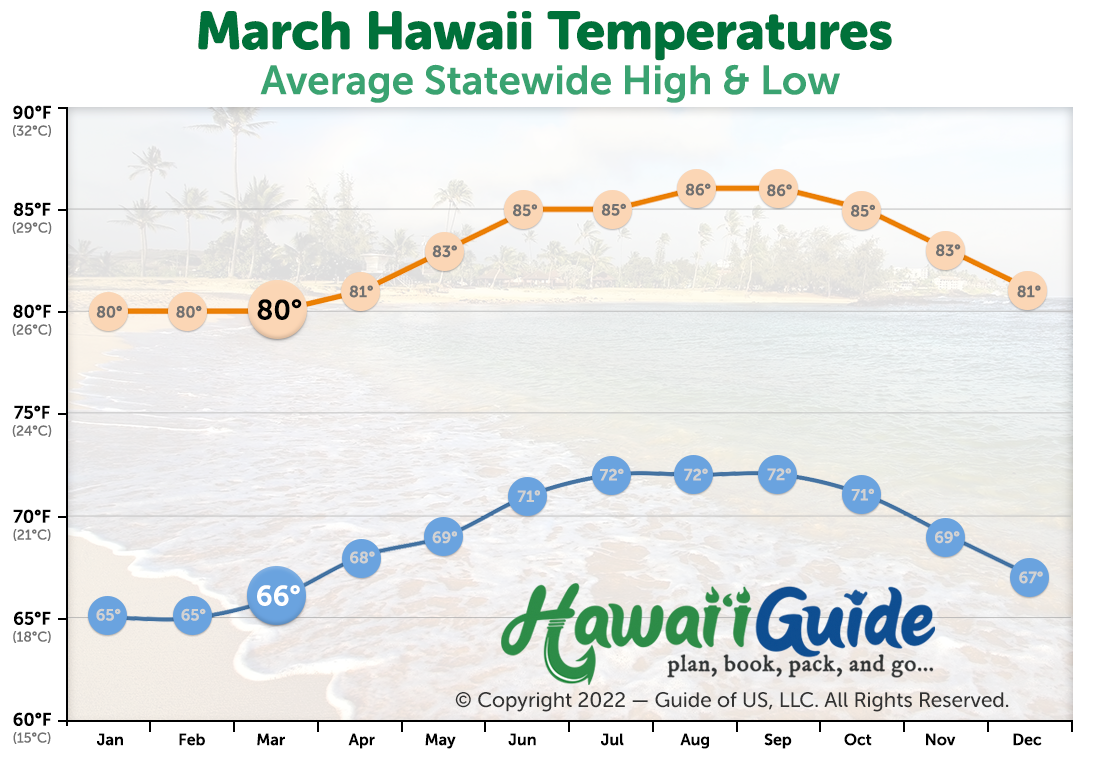
In March, the weather across the islands is generally characterized by pleasant temperatures and a noticeable decrease in rainfall compared to January and February. However, it remains part of the “wet season,” which typically runs from November through April. This means visitors should anticipate a mix of bright, sunny days and brief, refreshing tropical showers. The average high temperatures hover around 78°F to 81°F, while the evenings bring a comfortable coolness, with lows averaging between 64°F and 68°F.
Microclimates and Regional Variation
One of the most important things for a visitor to understand is that the weather can vary significantly depending on which island you are visiting and which side of that island you occupy. The “windward” (northeast) sides of the islands tend to receive more rain and have lusher, greener landscapes, while the “leeward” (southwest) sides are generally drier and sunnier.
For instance, on Oahu, the city of Honolulu and the famous beaches of Waikiki are nestled on the leeward side, offering consistent sunshine even when clouds gather over the mountains. Conversely, on Kauai, often called the Garden Isle, March showers are what keep the dramatic cliffs of the Na Pali Coast and the deep crevices of Waimea Canyon so vibrantly green.
On the Big Island (also known as Hawaii Island), the contrast is even more stark. While you might be sunbathing in Kona, you could look up and see snow dusting the peaks of Mauna Kea. Meanwhile, Hilo remains one of the wettest cities in the country, providing a backdrop for spectacular waterfalls that are at their most powerful during the early spring months.
Ocean Temperatures and Conditions
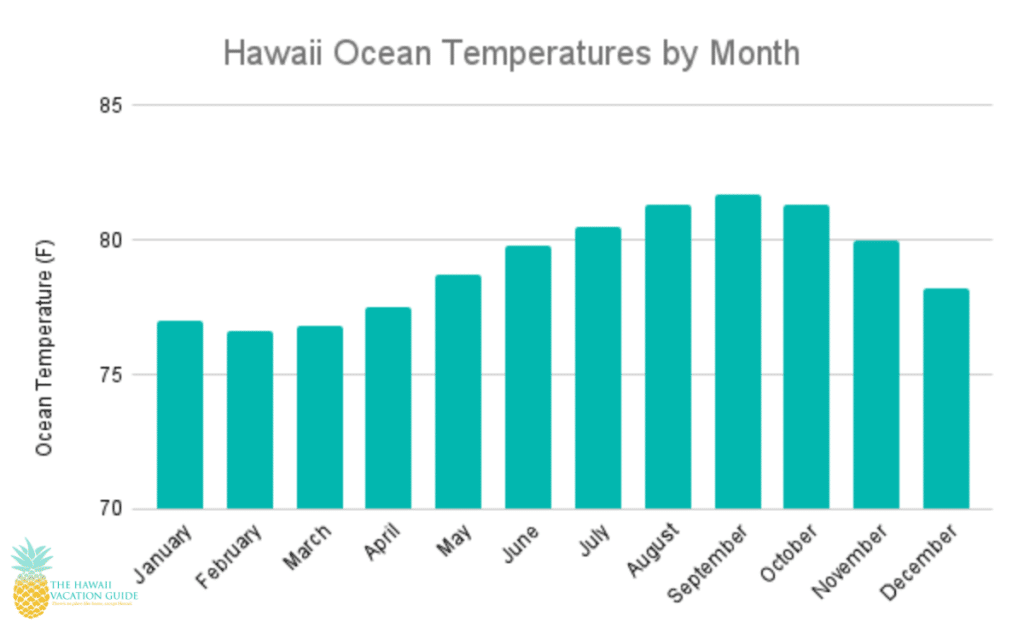
The water temperature in March remains relatively stable, averaging around 74°F to 75°F. While this is slightly cooler than the peak summer months, it is still very comfortable for swimming, snorkeling, and diving. However, March is also the tail end of the big wave season. On the North Shore of islands like Oahu and Maui, the winter swells can still be quite formidable, making some beaches more suitable for watching professional surfers than for casual swimming.
Cultural Vibrancy and Spring Festivals
The tourism experience in March is enriched by a variety of cultural events that take advantage of the mild weather. This is a time when the local community celebrates its heritage and the diverse influences that have shaped the islands.
The Honolulu Festival
One of the premier events in March is the Honolulu Festival. This multi-day celebration focuses on the cultural bond between Hawaii and the Pacific Rim region. The festival features traditional dance, music, and crafts from Japan, Australia, and various Polynesian cultures. The highlight for many is the grand parade through the streets of Waikiki and the spectacular fireworks display over the ocean, which is best enjoyed under the clear March night sky.
Prince Kuhio Day
On March 26th, the state celebrates Prince Kuhio Day. This public holiday honors Prince Jonah Kuhio Kalanianaole, a ten-term delegate to the United States Congress and a tireless advocate for the Native Hawaiian people. Throughout the islands, you will find canoe races, hula performances, and community festivals. Participating in these events offers tourists a deep dive into the history of the Hawaiian monarchy and the ongoing efforts to preserve the indigenous culture.
Culinary Tourism in March
March is a fantastic time for food-focused tourism. As the spring harvest begins, local farmers’ markets are teeming with seasonal delights. Visitors should look for fresh Papaya, Lychee, and the early arrivals of Mango. The mild weather makes outdoor dining a staple of the Hawaiian experience. Whether you are visiting a high-end restaurant in Lahaina or a roadside shrimp truck on the North Shore, the emphasis is on “farm-to-table” and “sea-to-table” freshness.

Outdoor Activities and Wildlife Encounters
The weather in March provides the perfect balance for outdoor enthusiasts. It is not so hot that hiking becomes grueling, yet it is warm enough for all manner of water sports.
The Peak of Whale Watching
Perhaps the most significant draw for tourism in March is the presence of the Humpback Whales. These majestic creatures migrate from Alaska to the warm Hawaiian waters to mate and give birth. March is widely considered the peak of the whale-watching season. Tours departing from Maui, particularly from the harbor in Lahaina, offer nearly guaranteed sightings. The calm waters of the Auau Channel between Maui, Molokai, and Lanai create a protected sanctuary where these giants can often be seen breaching from the shore.
Hiking and Natural Exploration
With the landscape still lush from the winter rains, March is an ideal time for hiking. On Oahu, a trek up Diamond Head provides panoramic views of the coastline. On Kauai, the Kalalau Trail offers a more challenging adventure for seasoned hikers, though one must always check weather reports as rain can make the trails slippery.
For those visiting Maui, a trip to Haleakala National Park is a must. Watching the sunrise from the summit of Haleakala is a spiritual experience for many. In March, you’ll need to pack heavy layers for the summit, where temperatures can drop below freezing, contrasting sharply with the tropical warmth at sea level.
Snorkeling and Marine Conservation
The early spring is a great time to visit Hanauma Bay on Oahu. As a protected marine life conservation district, it offers some of the best snorkeling in the islands. Tourists can learn about the delicate coral reef ecosystems and see a vast array of tropical fish. In March, the visibility is often excellent, provided there hasn’t been a significant storm recently to stir up the sediment.
Strategic Tips for the March Traveler
Navigating Hawaii in March requires a bit of strategic planning to maximize the experience and minimize the impact of the variable weather and tourist crowds.
Navigating “Spring Break”
It is important to note that March coincides with Spring Break for many schools and universities in the United States and Canada. This can lead to an increase in crowds at popular landmarks like Pearl Harbor or the Polynesian Cultural Center. To avoid the busiest times, try to schedule your visits to major attractions on weekdays or during the early morning hours. Booking tours and activities well in advance is highly recommended during this month.
Packing for Success
The key to a successful Hawaiian vacation in March is “layering.” While the daytime will mostly require swimwear, shorts, and light shirts, you will definitely need a light jacket or sweater for the evenings, especially if you are near the coast where the trade winds can be brisk. Additionally, a high-quality, lightweight rain jacket is indispensable. The showers in Hawaii are often “sunshowers”—short bursts of rain while the sun is still shining—but having protection allows you to continue your explorations without getting soaked.
Exploring Beyond the Main Hubs
To truly appreciate the weather and the tourism offerings of March, consider exploring the more rural areas. On the Big Island, a drive through the Waipio Valley showcases the raw power of the islands’ volcanic history and the lushness of the spring season. On Maui, the Road to Hana is particularly beautiful in March, as the numerous waterfalls along the route are usually flowing vigorously.
Respecting the Aina (Land)
Regardless of the weather, a core tenet of Hawaiian tourism is “Malama Aina,” or caring for the land. Visitors are encouraged to be mindful of their environmental footprint. This includes using reef-safe sunscreen, which is legally mandated in many parts of the islands, and staying on marked trails during hikes to protect the native ecosystem. March is a time of renewal in the natural world, and respecting this cycle ensures that the beauty of Hawaii remains for generations to come.
In conclusion, the weather in Hawaii during March serves as a perfect backdrop for a diverse range of tourism activities. From the cultural richness of Prince Kuhio Day to the awe-inspiring sight of Humpback Whales in the Pacific Ocean, the islands offer an experience that is both invigorating and deeply restorative. By understanding the regional microclimates and preparing for the transitional nature of the season, travelers can enjoy the very best that this tropical paradise has to offer.
LifeOutOfTheBox is a participant in the Amazon Services LLC Associates Program, an affiliate advertising program designed to provide a means for sites to earn advertising fees by advertising and linking to Amazon.com. Amazon, the Amazon logo, AmazonSupply, and the AmazonSupply logo are trademarks of Amazon.com, Inc. or its affiliates. As an Amazon Associate we earn affiliate commissions from qualifying purchases.