
The Majestic Symbol of Mississippi’s Natural Heritage
Mississippi, a state rich in natural beauty and cultural heritage, honors its unique wildlife through official designations. Understanding these symbols provides a deeper appreciation for the state’s identity and its commitment to conservation. The question of Mississippi’s state animal delves into the heart of its natural landscape, highlighting creatures that have long roamed its forests, fields, and waterways. This exploration aims to illuminate the significance of this chosen symbol, connecting it to the broader narrative of Mississippi’s natural history and its enduring appeal to visitors and residents alike.

Unveiling the Official State Animal
After a period of informal recognition, Mississippi officially designated its state animal, a decision that reflects a broader sentiment about the state’s ecological character. The process of selecting a state animal often involves considerations of prevalence, cultural significance, and symbolic representation. For Mississippi, the choice was not merely an arbitrary one but a reflection of a species that embodies the spirit and ecological richness of the Magnolia State.
The Significance of the Chosen Creature
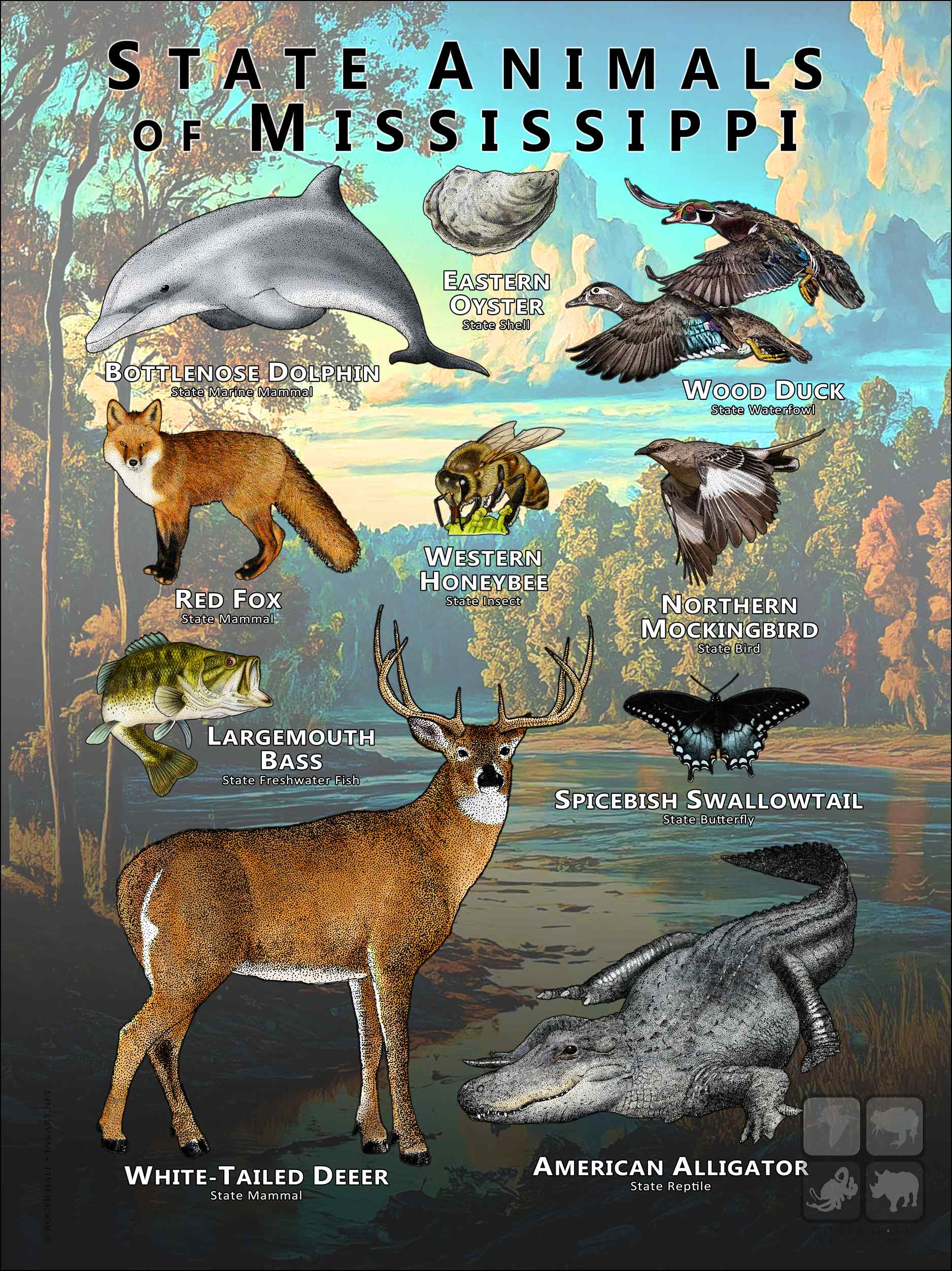
The official state animal of Mississippi is the White-tailed Deer (Odocoileus virginianus). This choice is far from coincidental. The white-tailed deer is one of the most widespread and recognizable mammals in North America, and it holds a particularly prominent place in Mississippi’s ecosystems. Its adaptability, grace, and prevalence across diverse habitats—from dense woodlands to open fields and even suburban areas—make it a fitting emblem for the state.
The white-tailed deer represents more than just a species; it symbolizes the vast natural landscapes that define Mississippi. From the rolling hills of the Tombigbee National Forest to the cypress swamps of the Mississippi Delta, these animals thrive, contributing to the biodiversity and ecological balance of these regions. Their presence is a constant reminder of the wild beauty that continues to flourish within the state’s borders, a key draw for those interested in nature tourism and exploring Mississippi’s great outdoors.
The White-Tailed Deer: An Ecological Keystone
The white-tailed deer plays a crucial role in the ecological fabric of Mississippi. Its browsing habits influence vegetation composition, and it serves as prey for natural predators, thus maintaining a delicate balance within the food web. Understanding its behavior, habitat preferences, and impact is essential for appreciating its status as a state symbol and for informed wildlife management.
Habitat and Distribution in Mississippi
White-tailed deer are incredibly adaptable and can be found in nearly every county across Mississippi. Their preferred habitats include:
- Forests and Woodlands: Dense timberlands provide ample food and shelter, particularly during harsh weather. Mississippi’s extensive forests, such as those within DeSoto National Forest, are prime deer country.
- Agricultural Lands: The edges of farms and fields offer a rich source of forage.
- Wetlands and River Bottoms: Areas along major rivers like the Mississippi River and its tributaries provide critical resources and travel corridors.
- Suburban and Urban Peripheries: Increasingly, deer are adapting to human-dominated landscapes, often found in parks and green spaces on the outskirts of cities like Jackson and Gulfport.
This widespread distribution means that encountering white-tailed deer is a common and often cherished experience for many Mississippians and visitors exploring the state’s rural and semi-rural areas.
Behavioral Traits and Life Cycle
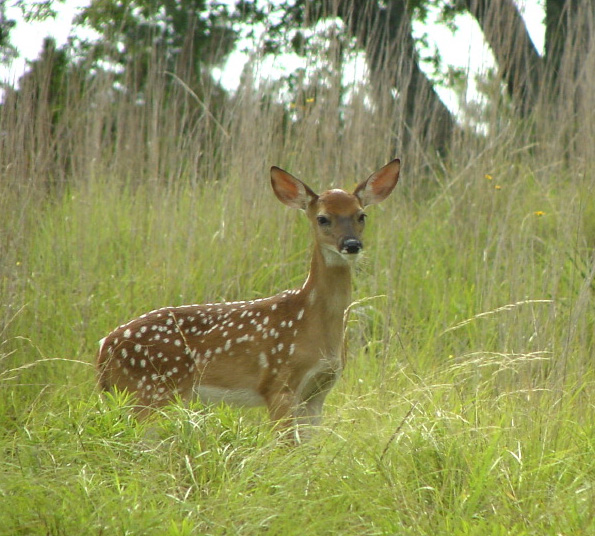
The white-tailed deer is known for its cautious nature and its distinctive white tail, which is raised when it senses danger, serving as an alarm signal to other deer. Key behavioral aspects include:
- Diet: Primarily herbivores, their diet consists of leaves, twigs, fruits, acorns, and grasses, which change seasonally. This makes them sensitive indicators of habitat health.
- Social Structure: Typically live in small family groups, with does and their fawns forming the core units. Bucks often forage alone or in bachelor groups outside the breeding season.
- Reproduction: The breeding season, or “rut,” usually occurs in late fall, leading to the birth of fawns in the spring.
- Activity Patterns: Most active during dawn and dusk, periods of crepuscular activity.
These characteristics contribute to their visibility and engagement with the natural world, making them a compelling symbol for the state.
Cultural and Economic Significance
Beyond its ecological importance, the white-tailed deer holds significant cultural and economic value in Mississippi. It is deeply embedded in the state’s heritage, influencing traditions and contributing to its economy through various avenues.
Hunting and Outdoor Recreation
Hunting is a deeply ingrained tradition in Mississippi, and the white-tailed deer is the primary game animal. This pursuit draws thousands of people annually, contributing significantly to the state’s economy through license sales, equipment purchases, and tourism. The Mississippi Department of Wildlife, Fisheries, and Parks manages hunting seasons and regulations to ensure sustainable populations and a thriving hunting heritage. For many, hunting is not just a sport but a way to connect with nature, acquire food, and pass down traditions.
Tourism and Wildlife Viewing
Even for those who do not hunt, the presence of white-tailed deer enhances the appeal of Mississippi as a destination for nature enthusiasts and wildlife watchers. The opportunity to spot deer in their natural habitat adds a layer of richness to visits to state parks, national forests, and scenic byways. This wildlife viewing aspect contributes to the state’s appeal as a travel destination, drawing individuals seeking authentic outdoor experiences.
Conservation and Future Outlook
The enduring presence of the white-tailed deer in Mississippi is a testament to successful conservation efforts and the natural resilience of the species. However, challenges remain, and ongoing management is crucial to ensure its continued thriving.
Challenges and Management Strategies
While generally abundant, white-tailed deer populations can face challenges such as:
- Habitat Loss and Fragmentation: Development and land-use changes can reduce available habitat and disrupt migration corridors.
- Disease: Outbreaks of diseases like Chronic Wasting Disease (CWD) pose a potential threat to deer populations and require vigilant monitoring.
- Human-Wildlife Conflict: As deer populations grow, conflicts with humans can arise, including vehicle collisions and damage to agricultural crops and residential landscaping.
Mississippi’s wildlife agencies employ various management strategies to address these issues, including habitat restoration, population monitoring, disease surveillance, and public education campaigns to mitigate human-wildlife conflicts. These efforts are vital for maintaining healthy deer populations and ensuring their continued role as a beloved state symbol.
Preserving Mississippi’s Natural Legacy
The white-tailed deer serves as a powerful reminder of Mississippi’s commitment to preserving its natural heritage. Its designation as the state animal underscores the importance of protecting its habitats and ensuring that future generations can experience the wonder of these magnificent creatures. As visitors explore the diverse landscapes of Mississippi, from the sandy shores of the Gulf Coast to the rolling hills of the Pine Belt, the possibility of encountering the state animal adds a special dimension to their journey, connecting them to the wild heart of the Magnolia State. The Great River Road, for instance, offers not only scenic beauty but also opportunities to observe wildlife in their natural settings. This focus on natural conservation is increasingly becoming a cornerstone of Mississippi’s tourism strategy, attracting eco-conscious travelers seeking authentic American travel experiences.
The continued success of initiatives like the Wildlife Management Areas across the state further solidifies Mississippi’s dedication to its wildlife. These protected zones allow species like the white-tailed deer to flourish, undisturbed by excessive human intervention, thus preserving the ecological integrity that makes Mississippi such a unique place to explore and experience. The state’s commitment to its natural symbols, like the white-tailed deer, is a fundamental part of its identity, offering a tangible connection to its wild soul.
LifeOutOfTheBox is a participant in the Amazon Services LLC Associates Program, an affiliate advertising program designed to provide a means for sites to earn advertising fees by advertising and linking to Amazon.com. Amazon, the Amazon logo, AmazonSupply, and the AmazonSupply logo are trademarks of Amazon.com, Inc. or its affiliates. As an Amazon Associate we earn affiliate commissions from qualifying purchases.