
Embarking on a journey from the historic shores of Boston to the vibrant heart of Dublin is a transatlantic adventure that captures the imagination. This route, popular with both leisure and business travelers, bridges two cultures with deep historical connections. Understanding the flight duration is a crucial first step in planning your trip, influencing everything from your packing list to your itinerary upon arrival.
The Direct Flight: Your Most Efficient Route
For those seeking the most straightforward path between these two iconic cities, a direct flight is the clear winner. Airlines operating this route are acutely aware of the demand and have optimized their schedules for efficiency.
Average Flight Time
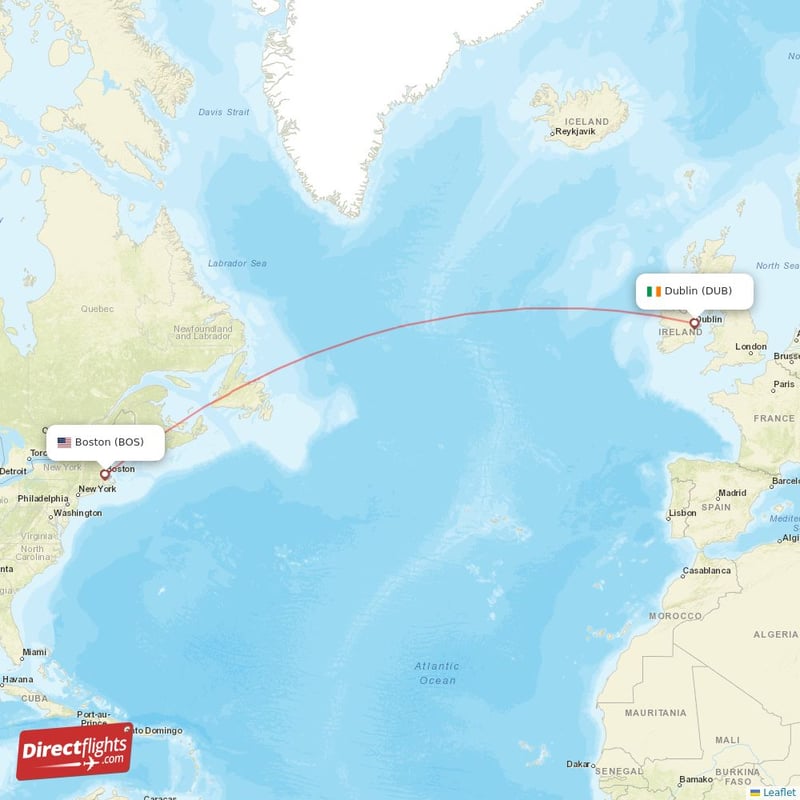
The typical duration of a direct flight from Logan International Airport in Boston to Dublin Airport hovers around six hours and thirty minutes. This is a benchmark figure, and actual flight times can fluctuate slightly. Factors such as the specific aircraft used, prevailing wind conditions, and the assigned flight path can all contribute to minor variations. Some flights might be as short as six hours and fifteen minutes, while others could stretch closer to six hours and forty-five minutes.
Airline Carriers and Schedules
Several reputable airlines offer direct services on this route, ensuring a competitive market and a range of departure times to suit different travel needs. Carriers like Aer Lingus and Delta Air Lines are frequent operators, providing daily or near-daily connections. It’s always advisable to check the schedules of specific airlines when booking, as these can change seasonally or due to operational adjustments. Booking in advance often secures better fares and preferred flight times, which is particularly important for popular transatlantic routes.
Optimizing Your Direct Flight Experience
To make the most of your direct flight, consider these tips:
- Choose your seat strategically: Opt for a seat closer to the front of the aircraft for a quicker exit upon landing, especially if you have an onward connection or are eager to start your Irish adventure.
- Pack for comfort: Given the flight length, comfortable clothing is paramount. Layers are your best friend, as cabin temperatures can vary.
- Entertainment preparedness: While most long-haul flights offer in-flight entertainment systems, having your own downloaded movies, music, or books ensures you’re never bored.
- Time zone awareness: Boston operates on Eastern Time (ET), while Dublin is on Irish Standard Time (IST), which is five hours ahead. Be prepared for this significant time difference to mitigate the effects of jet lag.
The Nuances of Flight Duration: Factors to Consider
While the average direct flight time provides a solid estimate, understanding the variables that influence it can help manage expectations and prepare for your journey.
Wind Speed and Direction
One of the most significant factors impacting flight duration across the Atlantic is the jet stream. This high-altitude river of air can either accelerate or decelerate an aircraft.
- Tailwinds: Traveling eastward from Boston to Dublin, flights often benefit from prevailing tailwinds. These winds push the aircraft forward, significantly reducing flight time.
- Headwinds: Conversely, flights traveling westward from Dublin to Boston will encounter headwinds, making the return journey typically longer than the outbound trip.
Aircraft Type and Speed
Different aircraft models have varying cruising speeds. While most modern wide-body jets used for transatlantic routes cruise at similar speeds, subtle differences can contribute to variations in flight time. The efficiency and capacity of the aircraft are primary considerations for airlines when assigning flights to specific routes.
Air Traffic Control and Flight Paths
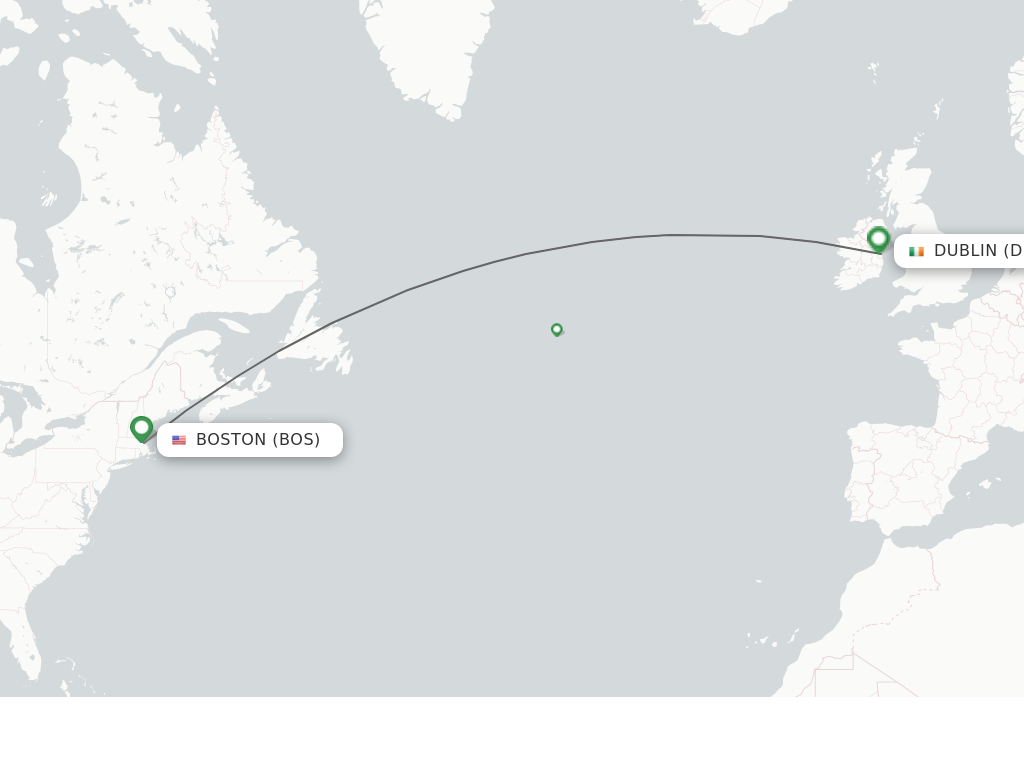
The specific flight path assigned by air traffic control can also influence the duration. Controllers aim for the most efficient and safest routes, but factors like weather patterns, other air traffic, and airspace restrictions can necessitate slight deviations, adding or subtracting a few minutes from the total travel time.
The Impact of Connecting Flights
While direct flights are generally preferred for speed, connecting flights are sometimes a necessary or more budget-friendly option. However, they invariably increase total travel time.
When a Stopover is Involved
If you opt for a flight with a stopover, the total travel time can extend significantly. Common connection points for flights between Boston and Dublin might include cities like New York, London, or other major European hubs.
- Layover Duration: The length of the layover is the primary determinant of the extended travel time. Layovers can range from a couple of hours to overnight stays.
- Transit Time: You also need to account for time spent deplaning, navigating the connecting airport, and re-boarding.
- Potential Delays: Each leg of a connecting flight introduces the risk of delays, which can compound and lead to missed connections.
Estimating Total Travel Time with Connections
To estimate the total travel time for a connecting flight, add the flight times of each segment to the layover duration, plus an additional buffer for transit and potential delays. A journey that might be around 6.5 hours direct could easily become 9-12 hours or even longer with a single stop, depending on the layover.
Preparing for Your Arrival in Dublin
Once you’ve landed in Dublin, the real adventure begins. Understanding your arrival time is key to planning your first day in the Emerald Isle.
Jet Lag and Recovery
The five-hour time difference between Boston and Dublin is substantial and can lead to jet lag.
- Strategies for Mitigation: To combat jet lag, try to adjust your sleep schedule in the days leading up to your flight. On the plane, stay hydrated, avoid excessive alcohol and caffeine, and try to sleep according to Dublin time. Upon arrival, expose yourself to natural daylight.
- Impact on First Day: Depending on your flight schedule, you might arrive in Dublin in the morning or afternoon. If you land in the morning, you’ll have a full day ahead, but you’ll need to push through the initial fatigue. An afternoon arrival might mean a more relaxed first day, focusing on settling into your accommodation and perhaps a gentle stroll.
Transportation from Dublin Airport
Dublin Airport is well-connected to the city center.
- Aircoach and Dublin Express: These are popular express bus services offering direct routes to various points in Dublin city center and surrounding areas. They are efficient and cost-effective.
- Taxis and Ride-Sharing: Taxis are readily available outside the arrivals terminals. Ride-sharing services also operate in Ireland.
- Car Rental: If you plan to explore beyond the city, car rental agencies are located at the airport. However, be aware of driving on the left-hand side of the road.
Immediate Post-Flight Activities
With your flight duration accounted for, you can better plan your initial hours in Dublin.
- Check-in to Accommodation: Whether you’ve booked a hotel like The Shelbourne, a cozy guesthouse, or a rental apartment, aim to check in and leave your luggage.
- First Taste of Dublin: Many travelers choose to head straight for a traditional Irish pub for a meal and a pint of Guinness.
- Gentle Exploration: Depending on your energy levels, a walk along the River Liffey, a visit to Trinity College, or simply soaking in the atmosphere of areas like Temple Bar can be perfect ways to ease into your stay.
By understanding the typical flight time from Boston to Dublin and the various factors that influence it, you can plan a smoother, more enjoyable transatlantic journey. This knowledge empowers you to make informed decisions about your travel arrangements, from booking the right flight to managing your time and energy upon arrival in the captivating city of Dublin.
LifeOutOfTheBox is a participant in the Amazon Services LLC Associates Program, an affiliate advertising program designed to provide a means for sites to earn advertising fees by advertising and linking to Amazon.com. Amazon, the Amazon logo, AmazonSupply, and the AmazonSupply logo are trademarks of Amazon.com, Inc. or its affiliates. As an Amazon Associate we earn affiliate commissions from qualifying purchases.