
The upcoming elections in Mississippi promise a dynamic landscape, with key races shaping the state’s political future. As citizens prepare to cast their votes, understanding the candidates and their platforms is paramount. This guide delves into the prominent positions on the ballot, offering insights into the individuals vying for your consideration. While the core of this article focuses on the political arena, it’s important to remember that the vibrant culture and unique attractions of Mississippi are often shaped by the leadership elected to represent its people. From the historic charm of Natchez to the bustling energy of Jackson, the state offers a rich tapestry of experiences for residents and visitors alike, and the elected officials play a role in preserving and promoting these aspects.
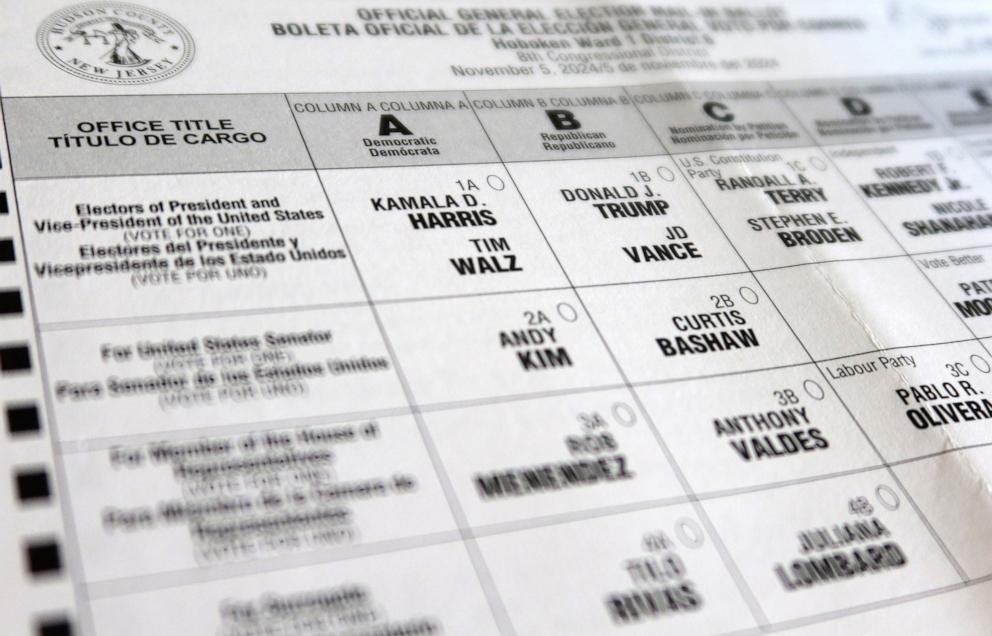
Gubernatorial Race: A Contest for the State’s Top Office
The race for Governor of Mississippi is often a focal point, attracting significant attention due to the executive power vested in the office. This position oversees state agencies, proposes legislation, and acts as the primary representative of Mississippi on the national stage. Candidates typically present distinct visions for the state’s economic development, education system, and social policies.
Incumbent and Challengers
The incumbent governor, Tate Reeves, is seeking re-election, highlighting his administration’s achievements and outlining a continuation of his policy agenda. Key areas of focus for his campaign often include economic growth, public safety, and fiscal responsibility. He emphasizes his commitment to Mississippi’s conservative values and fostering a business-friendly environment.
Challengers to the incumbent typically bring forth alternative perspectives on state governance. These candidates often advocate for increased investment in public services, such as education and healthcare, and may propose different approaches to economic diversification or environmental protection. Their campaigns aim to connect with voters who seek a change in direction or feel that certain segments of the population have been overlooked.
Key Policy Stances
Voters will be evaluating candidates based on their proposed policies across a range of critical issues. These often include:
- Economic Development: Candidates will present strategies for job creation, attracting new businesses, and supporting existing ones. This might involve discussions about tax incentives, workforce training programs, and infrastructure improvements.
- Education: The future of Mississippi’s schools is a perennial concern. Debates often center on funding levels, curriculum development, teacher salaries, and school choice initiatives.
- Healthcare: Access to affordable and quality healthcare is a significant issue for many Mississippians. Candidates will outline their plans for addressing healthcare access, the opioid crisis, and the state’s public health infrastructure.
- Infrastructure: Investments in roads, bridges, broadband internet, and other essential infrastructure are crucial for economic growth and quality of life. Candidates will detail their priorities and funding proposals.
U.S. Senate Race: Representing Mississippi on the National Stage
The election for the U.S. Senate seat is another pivotal contest, as it determines who will represent Mississippi in the federal legislative body. Senators play a crucial role in shaping national policy, including legislation related to agriculture, commerce, national defense, and social issues. The representatives from Mississippi in the Senate often champion the state’s specific interests within the broader federal framework.
Incumbent Senator and Their Record
The incumbent U.S. Senator, often a figure with a long-standing public service record, will be presenting their case for re-election. Their campaign will likely highlight legislative achievements, voting records, and their efforts to secure federal funding and support for Mississippi. They may emphasize their experience and influence in Washington, D.C.
Challenging Candidates and Their Platforms
Opposing candidates will seek to offer voters a distinct choice, often by critiquing the incumbent’s record or proposing new legislative priorities. Their platforms might focus on issues such as healthcare reform, environmental policies, economic fairness, or civil rights. These challengers aim to energize voters who are looking for a different approach to national representation.
National and State Issues
The campaign discourse will inevitably touch upon both national and state-specific issues. This includes how federal policies might impact Mississippi’s economy, its agricultural sector, its unique cultural heritage, and its infrastructure needs. The candidates’ ability to articulate how they will advocate for Mississippi in the U.S. Senate will be a key determinant for voters.

U.S. House of Representatives Races: District-Specific Representation
Mississippi is divided into several congressional districts, each electing a representative to the U.S. House of Representatives. These races, while focused on specific districts, contribute to the overall representation of the state in Congress. Representatives in the House have a more localized focus, often dealing with issues that directly affect their constituents within their specific geographic area.
District-Specific Contests
Each congressional district will have its own set of candidates vying for the seat. These races can be highly competitive and often reflect the unique demographic and economic characteristics of the district. Voters will examine the candidates’ understanding of local issues and their proposed solutions.
Local Economic and Social Concerns
Candidates for the U.S. House of Representatives will typically address concerns pertinent to their district. This could include advocating for federal support for local industries, such as the burgeoning tourism sector in areas like the Mississippi Delta, or addressing challenges related to rural development, infrastructure in smaller communities, or job growth in specific urban centers. They will also speak to social issues that resonate within their district.
Federal Legislation and Local Impact
The impact of federal legislation on local communities is a central theme in these races. Candidates will articulate how they plan to vote on national bills and how those votes will translate into tangible benefits or address challenges for their constituents. This includes discussions about appropriations for local projects, regulations affecting local businesses, and federal programs that serve the district.
State Legislative Races: Shaping Policy from Within
Beyond the federal contests, numerous races for the Mississippi State Legislature are also crucial. These elections determine the composition of the Mississippi State Legislature, the body responsible for creating and passing state laws. State legislators make decisions that directly impact education, taxation, public safety, and a myriad of other areas affecting the daily lives of Mississippians.
House and Senate Elections
Both chambers of the state legislature, the Mississippi House of Representatives and the Mississippi State Senate, will see contested elections. These races often feature candidates with deep ties to their local communities, bringing a ground-level understanding of the issues facing their constituents.
Local Ordinances and Statewide Impact
State legislators are tasked with crafting laws that can have a profound and lasting impact across Mississippi. Debates in these races often revolve around the state budget, economic development initiatives, environmental regulations, and social policies. Candidates will present their vision for how Mississippi should be governed at the state level. The decisions made by these elected officials can influence everything from the preservation of historic sites like the Vicksburg National Military Park to the promotion of the state’s vibrant music scene and its world-renowned culinary traditions.
Other Key Races and Ballot Measures
In addition to the major offices, voters in Mississippi may also encounter contests for other state and local positions, as well as potential ballot measures. These can include elections for:
- Statewide Offices: Positions such as Lieutenant Governor, Secretary of State, Attorney General, State Auditor, Commissioner of Agriculture and Commerce, and Insurance Commissioner are vital for the day-to-day functioning of the state government. Each of these roles carries specific responsibilities that shape policy and administration.
- Judicial Elections: Depending on the election cycle, voters may be asked to elect judges at various levels of the state’s judiciary. These elections are critical for ensuring a fair and impartial legal system.
- Local Offices: County and municipal elections will also be on the ballot in many areas, including sheriffs, district attorneys, mayors, and city council members. These officials are on the front lines of public service and directly impact local communities.
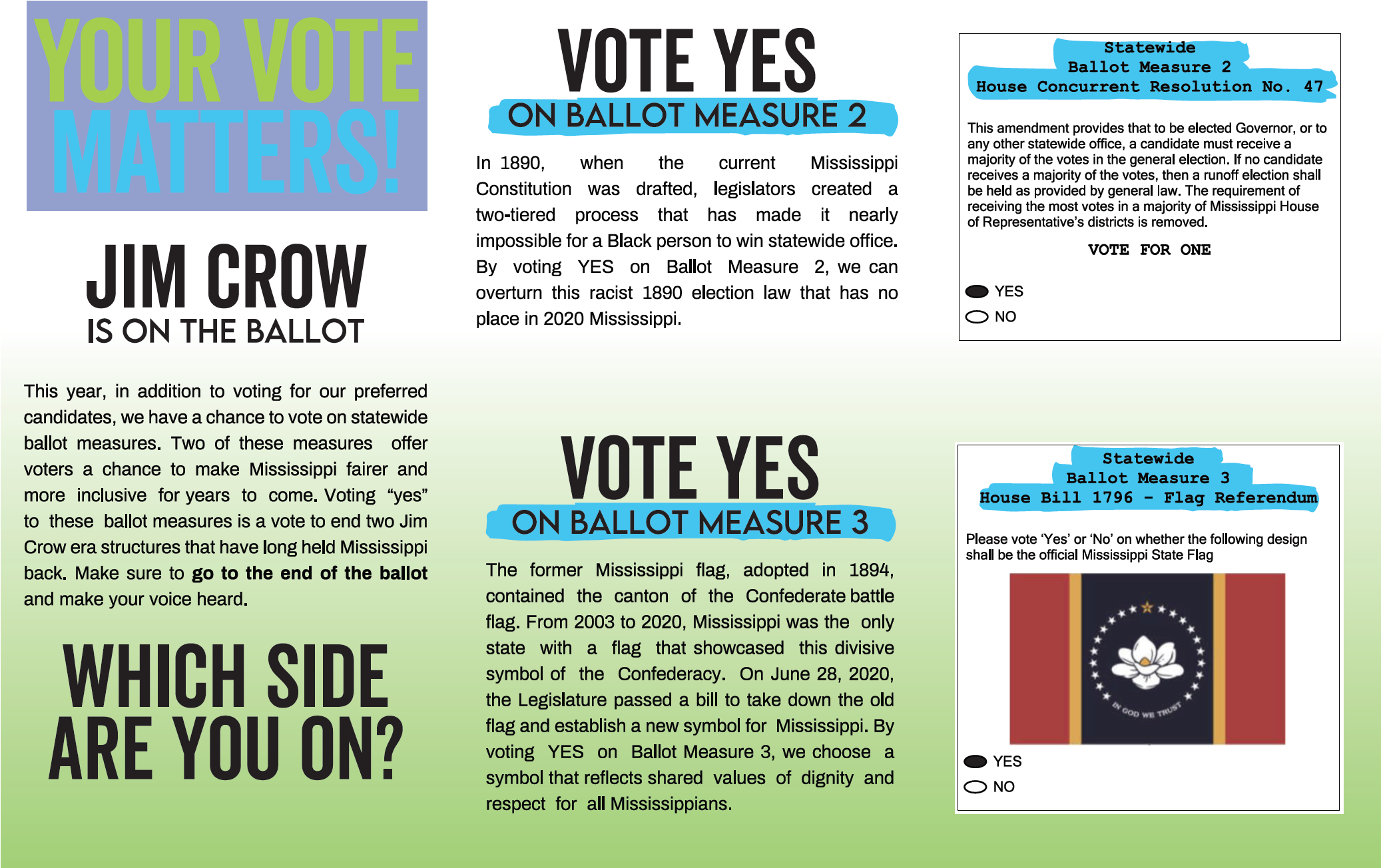
- Ballot Initiatives: In some instances, voters may have the opportunity to vote directly on proposed constitutional amendments or laws. These ballot measures allow citizens to have a direct say in significant policy decisions.
Understanding the full spectrum of the ballot ensures that every vote contributes to the ongoing development and governance of Mississippi, influencing its trajectory for years to come.
LifeOutOfTheBox is a participant in the Amazon Services LLC Associates Program, an affiliate advertising program designed to provide a means for sites to earn advertising fees by advertising and linking to Amazon.com. Amazon, the Amazon logo, AmazonSupply, and the AmazonSupply logo are trademarks of Amazon.com, Inc. or its affiliates. As an Amazon Associate we earn affiliate commissions from qualifying purchases.