
Montana, the “Big Sky Country,” is a state synonymous with vast open spaces, breathtaking natural beauty, and a lifestyle that beckons those seeking refuge from the urban sprawl. Its allure lies not only in its iconic landscapes, such as the Glacier National Park and the Yellowstone National Park, but also in the dream of owning a piece of this untamed wilderness. However, the question of “How much is land in Montana?” is far from simple. It’s a complex interplay of location, features, zoning, and market dynamics that dictates the value of a property.

Factors Influencing Montana Land Prices
The price of land in Montana is a mosaic of various contributing elements. Understanding these factors is crucial for anyone considering an investment, whether for a ranch, a recreational getaway, or a permanent residence.
Location, Location, Location
The adage holds true for Montana land. Proximity to desirable amenities and natural attractions significantly impacts value.
Proximity to Major Cities and Towns
Land closer to established population centers like Billings, Missoula, or Bozeman generally commands higher prices. These areas offer more infrastructure, employment opportunities, and amenities, making them attractive for residential and commercial development. For instance, land on the outskirts of Bozeman, a booming hub for tech and outdoor recreation, can be substantially more expensive than comparable acreage in a more remote eastern Montana county.
Access to Outdoor Recreation
Montana’s primary draw for many is its unparalleled access to outdoor pursuits. Land adjacent to or with easy access to national forests, wilderness areas, rivers for fishing and floating, or ski resorts like Big Sky Resort will be priced at a premium. Buyers are often willing to pay more for the convenience of stepping out their door and into the natural playground. This includes areas popular for hunting, hiking, and wildlife viewing, which contribute to the recreational value.
Scenic Views and Water Frontage
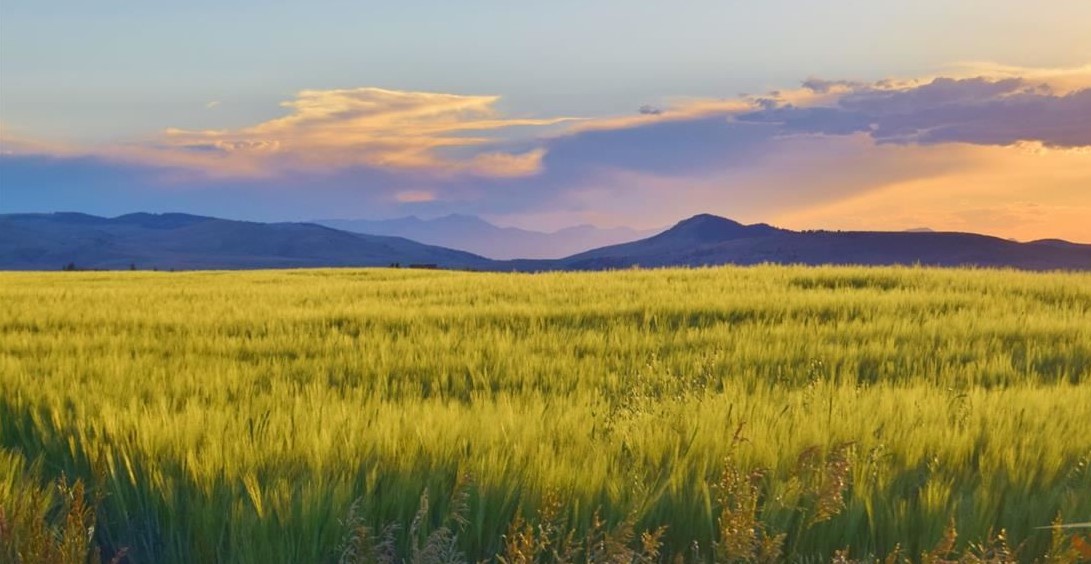
Spectacular views of mountains, valleys, or the iconic big sky are a significant value driver. Properties boasting panoramic vistas, especially those that are unobstructed, are highly sought after. Similarly, land with frontage on rivers, lakes, or streams adds considerable value. Water rights, riparian access, and the aesthetic appeal of water are strong selling points, making waterfront properties among the most expensive.
Land Characteristics and Features
Beyond geographical placement, the intrinsic qualities of the land itself play a vital role in its valuation.
Topography and Usability
The lay of the land – whether it’s flat, rolling, or mountainous – affects its suitability for different purposes. Flat, arable land is ideal for agriculture and development, making it more valuable for those specific uses. Steep or heavily timbered terrain might be less valuable for farming but could be highly prized for its scenic beauty, privacy, and recreational potential. The cost of developing land, such as clearing trees or building access roads, can also influence its price.
Water Resources
The presence and availability of water are paramount in Montana. This includes developed water rights for irrigation, domestic use, or stock watering, as well as natural sources like springs, wells, or existing water features. Parcels with reliable, high-quality water sources are more valuable, especially in drier regions or for agricultural operations.
Timber and Mineral Rights
While not always a primary consideration for all buyers, the presence of valuable timber or subsurface mineral rights can add significant value to a parcel. Timber resources can provide income potential, and mineral rights can offer the prospect of royalties if valuable deposits are discovered. The extent and type of these resources are key determinants of their impact on land value.
Access and Infrastructure
Ease of access is a critical factor. Land with well-maintained road access, whether public or private, is generally more desirable and valuable than land that is landlocked or requires extensive off-road travel. The availability of utilities such as electricity, natural gas, and internet service also plays a role, particularly for residential development. Properties that are already connected or have easy access to these services will command higher prices.
Zoning and Permitted Uses
The legal framework governing land use significantly impacts its price.
Residential vs. Agricultural vs. Commercial Zoning
Different zoning designations cater to specific uses and, consequently, have different valuation metrics. Residential zoning will be influenced by factors attractive to homeowners, while agricultural zoning will focus on soil quality and water for farming. Commercial or industrial zoning will consider proximity to transportation routes and labor pools. A parcel zoned for multiple uses might be more valuable due to its flexibility.
Development Potential and Restrictions
The potential for subdivision, building multiple homes, or establishing a commercial enterprise can greatly increase land value. Conversely, conservation easements, environmental protections, or strict building codes can limit development and, therefore, lower the price. Understanding these restrictions is vital for buyers.
Market Conditions and Economic Factors
Like any market, Montana land prices are subject to broader economic trends and local demand.
Supply and Demand Dynamics
The basic economic principle of supply and demand is a major driver. In areas with high demand and limited available land, prices will naturally escalate. Conversely, in regions with abundant undeveloped land, prices may remain more stable or even decrease. The increasing popularity of Montana as a destination for remote work and a lifestyle change has significantly boosted demand in recent years.
Economic Health of the Region
The overall economic health of Montana, including its key industries like agriculture, tourism, and resource extraction, influences land values. A robust economy generally leads to increased demand for land, both for business and personal use, driving up prices.
Interest Rates and Financing
The cost of borrowing money can impact land prices. Higher interest rates can make purchasing land more expensive, potentially leading to a decrease in demand and prices. Conversely, lower interest rates can make financing more accessible, stimulating the market.
Average Land Prices Across Montana
Pinpointing an exact average price for land in Montana is challenging due to the vast disparities across the state. However, providing a range based on different regions and typical uses can offer a clearer picture.
Western Montana: The Premium Region
Western Montana, encompassing areas like Flathead County, Missoula County, and the Gallatin Valley (home to Bozeman), is generally the most expensive. This is due to its proximity to world-class ski resorts, national parks, and a thriving tourism industry, combined with stunning mountain scenery.
- Recreational Acreage/Mountain View Lots: Prices here can range from $15,000 to $50,000+ per acre, especially for parcels with exceptional views, water features, or close proximity to amenities.
- Ranch Land/Large Acreage: Prime ranch land, particularly in valleys with good water and agricultural potential, might fetch between $5,000 to $20,000+ per acre, depending on its specific attributes and location.
- Development Parcels: Land zoned for development, particularly near growing towns, can exceed $50,000 per acre, sometimes reaching into the hundreds of thousands for prime commercial or high-density residential locations.
Central and Southern Montana: Balanced Value
Central and southern Montana, including areas around Great Falls, Helena, and parts of Park County, offer a broader range of prices, often providing more value for the dollar compared to the western corridor.
- Ranch Land/Rural Acreage: Expect prices to range from $2,000 to $10,000 per acre for larger parcels. Smaller, more accessible tracts might fall within $8,000 to $25,000 per acre.
- Recreational Properties: Land with access to rivers or recreational areas might be priced from $7,000 to $30,000+ per acre.
- Building Lots: Smaller lots within subdivisions or near towns could range from $50,000 to $250,000+, depending on size and amenities.
Eastern Montana: The Value Proposition
Eastern Montana, characterized by rolling plains and a strong agricultural heritage, offers the most affordable land prices. This region is ideal for those seeking vast, wide-open spaces, significant ranching opportunities, or a more secluded lifestyle.
- Ranch Land/Large Acreage: Prices here are typically the lowest, ranging from $500 to $3,000 per acre for extensive tracts suitable for grazing and farming.
- Recreational Acreage: While less mountainous, opportunities for hunting and solitude can be found, with prices often starting at $1,000 to $5,000 per acre.
- Smaller Parcels near Towns: Even near smaller eastern towns, land prices will be significantly lower than in the west. Building lots might range from $20,000 to $100,000.
Considerations for Land Buyers
Purchasing land in Montana is a significant undertaking that requires careful due diligence and a clear understanding of your goals.
Due Diligence is Key
Before making any offer, thorough research is essential. This includes:
- Title Search: Ensure clear ownership and identify any liens, encumbrances, or easements that could affect the property.
- Survey: Obtain a professional survey to confirm property boundaries and identify any encroachments.
- Zoning and Permitting: Verify current zoning regulations and understand what types of development or activities are permitted.
- Environmental Assessments: Investigate any potential environmental concerns, such as soil contamination or wetland areas.
- Water Rights: Understand the extent and validity of any water rights associated with the property.
Financing Land Purchases
Financing for raw land can be more challenging than for improved properties.
- Cash Purchase: Many buyers opt to purchase land with cash to avoid complex financing.
- Land Loans: Some banks and credit unions offer land loans, though interest rates and terms may differ from traditional mortgages.
- Seller Financing: In some cases, the seller may be willing to finance a portion of the purchase price, especially for larger or more remote properties.

Long-Term Vision
Consider your long-term plans for the land. Are you looking to build a dream home, establish a ranch, invest for future appreciation, or simply own a piece of wild country? Your objectives will guide your search and influence the type of land that best suits your needs and budget. The dream of owning land in Montana is attainable, but it requires a grounded approach, informed by an understanding of the factors that shape its value.
LifeOutOfTheBox is a participant in the Amazon Services LLC Associates Program, an affiliate advertising program designed to provide a means for sites to earn advertising fees by advertising and linking to Amazon.com. Amazon, the Amazon logo, AmazonSupply, and the AmazonSupply logo are trademarks of Amazon.com, Inc. or its affiliates. As an Amazon Associate we earn affiliate commissions from qualifying purchases.