
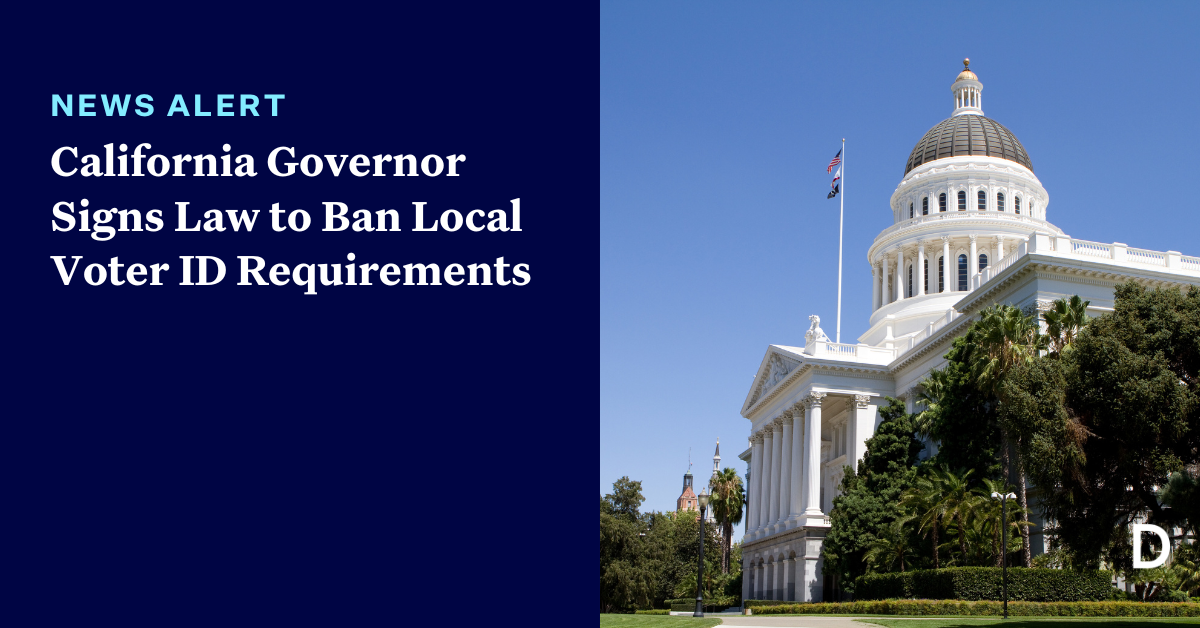
For visitors exploring the diverse tapestry of the United States, particularly those with an interest in local governance and unique state characteristics, the civic landscape of California often presents a fascinating study. Among the many distinctive features of the Golden State’s local culture, its approach to election integrity and voter accessibility stands out, particularly the absence of a statewide requirement for voters to present photo identification at the polls. This isn’t merely a procedural detail but rather a deeply ingrained aspect of California’s political philosophy, reflecting a commitment to broad participation and a specific interpretation of democratic values that forms part of its unique social fabric. Understanding this aspect can offer a richer appreciation of California’s identity, much like delving into its renowned culinary scene or its iconic natural landmarks.

Unpacking California’s Civic Philosophy: A Glimpse into Local Culture
The decision not to require identification at the polls in California is rooted in a fundamental philosophical stance that prioritizes voter access and aims to eliminate potential barriers to participation. This approach is a cornerstone of California’s progressive local culture, where efforts to maximize civic engagement are often seen as paramount. For those observing or immersing themselves in California life, this policy reveals a lot about the state’s ethos of inclusivity and its trust in its citizenry, a cultural nuance distinct from many other parts of the United States.
The Core Principle of Accessibility
At the heart of California’s electoral system is the belief that every eligible citizen should have the opportunity to cast their ballot without undue burden. Proponents of this system argue that strict voter ID laws, particularly those requiring government-issued photo identification, can disproportionately affect certain populations. These groups often include the elderly, students, low-income individuals, people with disabilities, and racial or ethnic minorities, who may face challenges in obtaining or maintaining such identification due to cost, transportation issues, or lack of necessary underlying documents. From a cultural perspective, California’s policy reflects a broader societal value that seeks to protect the rights of all residents, ensuring that the act of voting remains as accessible as possible. This emphasis on equality in participation is a defining feature of the state’s progressive political landscape, often surprising to visitors from regions with different civic norms.
Historical Roots and Progressive Ideals
California’s history is replete with movements advocating for greater civil rights and expanded democratic participation. The state has long been a trailblazer in adopting policies aimed at dismantling barriers, from pioneering environmental protections to championing LGBTQ+ rights. In the realm of voting, this progressive heritage translates into a system designed to be as open as possible. The absence of a voter ID requirement is not an oversight but a deliberate choice, fortified by decades of legal precedent and legislative action focused on broadening the electorate. This historical trajectory underscores a cultural narrative where democratic ideals are continually tested and refined to be more inclusive. For tourists interested in the historical evolution of American democracy, California’s approach offers a unique case study in how a state interprets and enacts its commitment to universal suffrage, reflecting a deeply embedded aspect of its local identity.
Beyond the Ballot Box: How Voter Registration Works
While California does not require ID at the polling place, this does not mean its electoral system lacks safeguards against fraud. Instead, the state employs a robust, multi-layered voter registration and verification process designed to ensure the integrity of elections before a ballot is ever cast. This system, which relies on accurate and continuously updated registration records, is another key aspect of California’s civic culture that visitors might find insightful. It demonstrates a different philosophy of security, one focused on proactive verification rather than reactive identification at the point of voting.
Automatic Voter Registration and its Impact
A significant component of California’s approach is automatic voter registration, often referred to as “Motor Voter.” Under this system, eligible citizens who interact with the DMV (Department of Motor Vehicles) – for instance, when applying for or renewing a driver’s license or state identification card – are automatically registered to vote unless they opt out. This proactive registration method minimizes the burden on individuals and significantly increases the accuracy of voter rolls by cross-referencing information with state databases. The Motor Voter Act, both at the federal level and California’s state-specific implementation, epitomizes the state’s drive to integrate civic participation seamlessly into everyday life, making it a less formal and more ingrained cultural expectation. For visitors, understanding this seamless integration helps illustrate how California simplifies engagement with its democratic processes, making it a less intimidating aspect of local life compared to regions with more cumbersome registration procedures.
Verification Measures in Place
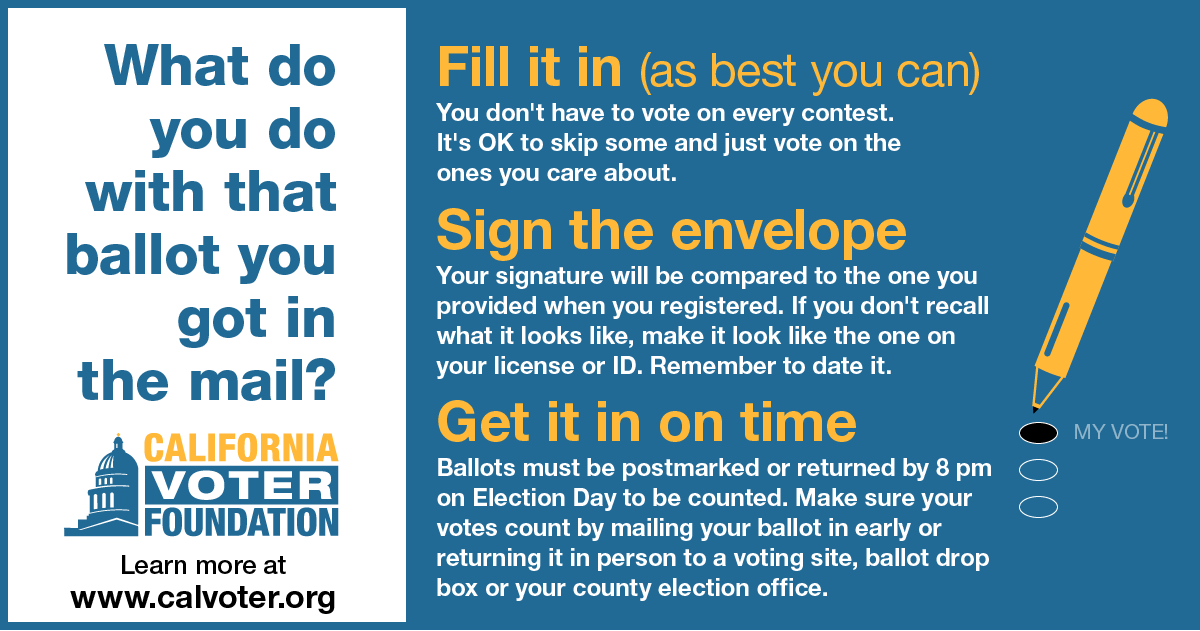
Prior to election day, extensive efforts are undertaken to verify the eligibility of registered voters. This includes cross-referencing registration information with state residency data, death records, and felony conviction databases to remove ineligible voters. Additionally, the signature on a vote-by-mail ballot is compared to the signature on file for that voter. These meticulous checks occur behind the scenes, ensuring that only eligible citizens cast ballots and that each ballot is unique and verifiable. These measures underscore a cultural trust in the integrity of the registration process and the administrative mechanisms in place, rather than placing the burden of proof on the individual voter at the polling station. For tourists keen on understanding the operational nuances of a progressive state, these unseen but vital processes offer a deeper insight into California’s commitment to secure yet accessible elections.
Understanding California’s Unique Democratic Landscape for Visitors
For many travelers, exploring a new destination involves more than just seeing landmarks; it’s about understanding the ethos and daily workings of a place. California’s voting ID policy is a prime example of a civic norm that profoundly shapes the local environment, offering a unique perspective on the state’s character. This aspect of governance, though not a tourist attraction itself, contributes to the overall cultural milieu that visitors experience.
Contrast with Other Regions: A Cultural Perspective
Visitors from states or countries with strict voter ID laws might find California’s approach refreshingly open or, conversely, potentially concerning, depending on their own civic backgrounds. This contrast is a key part of understanding the diverse democratic cultures within the United States. California’s stance reflects a distinct cultural value that prioritizes maximum voter turnout, even if it means relying more heavily on pre-election verification and post-election auditing rather than point-of-sale identification. This philosophical divergence offers a compelling cultural insight into how different societies balance the competing concerns of accessibility and security in their democratic processes. For those interested in comparative governance or simply the varied “flavors” of American culture, California’s election practices provide a rich topic for reflection.
Engaging with California’s Dynamic Civic Environment
While tourists cannot vote in California elections, observing or reading about its civic engagement can be an enlightening part of a visit. Election periods in California are often vibrant, characterized by extensive public discourse, community organizing, and high levels of participation, particularly in local and state-level issues. The ease of voter registration and casting a ballot via mail means that civic life is very active and integrated into the daily rhythm. Experiencing the pervasive political advertisements, the numerous ballot propositions, and the general public enthusiasm during election season can give visitors a palpable sense of California’s lively democratic culture, where public input is actively solicited and considered a vital component of good governance. This active public sphere is as much a part of the local experience as the farmer’s markets or beach culture.
The Broader Implications for California Life
The absence of a voter ID requirement is more than just an election rule; it’s a policy that reinforces broader cultural values within California and has tangible effects on its communities. This policy influences everything from the demographics of voter participation to the general sense of civic ownership among residents, shaping the unique societal landscape that visitors encounter.
Fostering Community Participation
By removing what many consider a barrier to voting, California consciously fosters a culture of broad community participation. This approach is intended to ensure that all voices, particularly those from marginalized communities, have the opportunity to be heard in the political process. The result is often a more diverse electorate that more closely reflects the state’s multicultural population. This commitment to inclusive representation is a defining characteristic of California’s social and political environment. For visitors, this translates into a society that often emphasizes community engagement and diverse perspectives, visible in everything from local art installations to public policy debates, offering a rich cultural experience.
A Lens on California’s Future
The ongoing debate around voter ID laws, both nationally and within various states, highlights a fundamental ideological divide in the United States. California’s consistent stance against requiring ID to vote positions it as a leader in the movement for expanded access, often contrasting sharply with other states. This progressive approach to democratic participation is indicative of California’s forward-looking cultural identity and its willingness to challenge conventional norms in pursuit of its ideals. For those observing its trajectory, California’s voting policies offer a window into its aspirations for a more inclusive and participatory future, a future it continuously strives to build through its unique blend of innovation and social progress. This commitment to shaping its own destiny, even in foundational civic practices, is an undeniable and intriguing aspect of the California experience.
LifeOutOfTheBox is a participant in the Amazon Services LLC Associates Program, an affiliate advertising program designed to provide a means for sites to earn advertising fees by advertising and linking to Amazon.com. Amazon, the Amazon logo, AmazonSupply, and the AmazonSupply logo are trademarks of Amazon.com, Inc. or its affiliates. As an Amazon Associate we earn affiliate commissions from qualifying purchases.