
Montana, a state renowned for its vast, untamed landscapes and the majestic Rocky Mountains, experiences a diverse range of weather patterns throughout the year. Understanding the climate is crucial for anyone planning a visit, whether for adventure sports, scenic drives, or simply to immerse oneself in the unparalleled natural beauty of Big Sky Country. The weather here is characterized by distinct seasons, each offering unique experiences and challenges for travelers. From the crisp air of autumn to the sun-drenched days of summer, Montana’s climate is a fundamental aspect of its allure and a key consideration for any itinerary.
Seasonal Weather Patterns
Montana’s weather is largely dictated by its inland location and significant elevation changes. The state experiences four pronounced seasons, each with its own typical temperature ranges, precipitation levels, and atmospheric conditions. This variability means that packing appropriately and planning activities around the expected weather is essential for a comfortable and enjoyable trip.
Spring (March – May)
Spring in Montana is a transitional period, often marked by unpredictability. While the snow begins to melt in the lower elevations, higher mountain passes can remain snowbound well into late spring or even early summer. Daytime temperatures can fluctuate wildly, with warm, sunny days giving way to sudden cold snaps and snowfall.
- Temperatures: Early spring can still see freezing temperatures, especially at night, while by late May, average daytime highs in many areas might reach the 60s and 70s Fahrenheit (15-25 degrees Celsius).
- Precipitation: Spring is often one of the wetter seasons, with a mix of rain and snow. Thunderstorms can become more common as temperatures rise.
- Conditions for Travel: Roads in lower elevations generally become clear, but access to many mountainous regions and national parks like Glacier National Park might still be limited. Hiking trails at lower altitudes begin to open up, though mud and lingering snow patches are common. Wildlife becomes more active, offering opportunities for viewing.
Summer (June – August)
Summer is arguably the most popular time to visit Montana, with long daylight hours and generally pleasant weather. This season is ideal for outdoor activities such as hiking, camping, fishing, and exploring the numerous national and state parks.
- Temperatures: Average daytime highs typically range from the 70s to the 80s Fahrenheit (20-30 degrees Celsius), with occasional heatwaves pushing temperatures higher. Evenings can still be cool, especially at higher elevations.
- Precipitation: While generally drier than spring, summer can still bring afternoon thunderstorms, which can be quite intense. These are often short-lived and can be accompanied by hail.
- Conditions for Travel: All roads and trails are typically open, providing full access to destinations like Yellowstone National Park and Bozeman. Wildfire season is a concern during summer, and visitors should stay informed about any air quality advisories or fire restrictions. The abundance of sunshine makes it perfect for enjoying outdoor recreation.
Autumn (September – November)
Autumn in Montana is a spectacle of color, with aspens turning vibrant shades of gold and red. The weather becomes cooler and crister, offering a beautiful and serene experience for visitors. This season is perfect for scenic drives and hiking before winter sets in.
- Temperatures: September can still offer mild, pleasant days, but temperatures begin to drop significantly as October and November progress. Average daytime highs in September might be in the 60s Fahrenheit (15-20 degrees Celsius), falling to the 30s and 40s Fahrenheit (0-10 degrees Celsius) by late autumn. Nighttime temperatures frequently dip below freezing.
- Precipitation: Precipitation increases as winter approaches, with a mix of rain and early snowfalls becoming more frequent.
- Conditions for Travel: Many campgrounds and some visitor facilities in national parks may begin to close for the season in late September or October. Mountain passes can experience early snow, potentially causing temporary closures. However, the crisp air and stunning fall foliage make this a favored time for photographers and those seeking a more tranquil experience.
Winter (December – February)
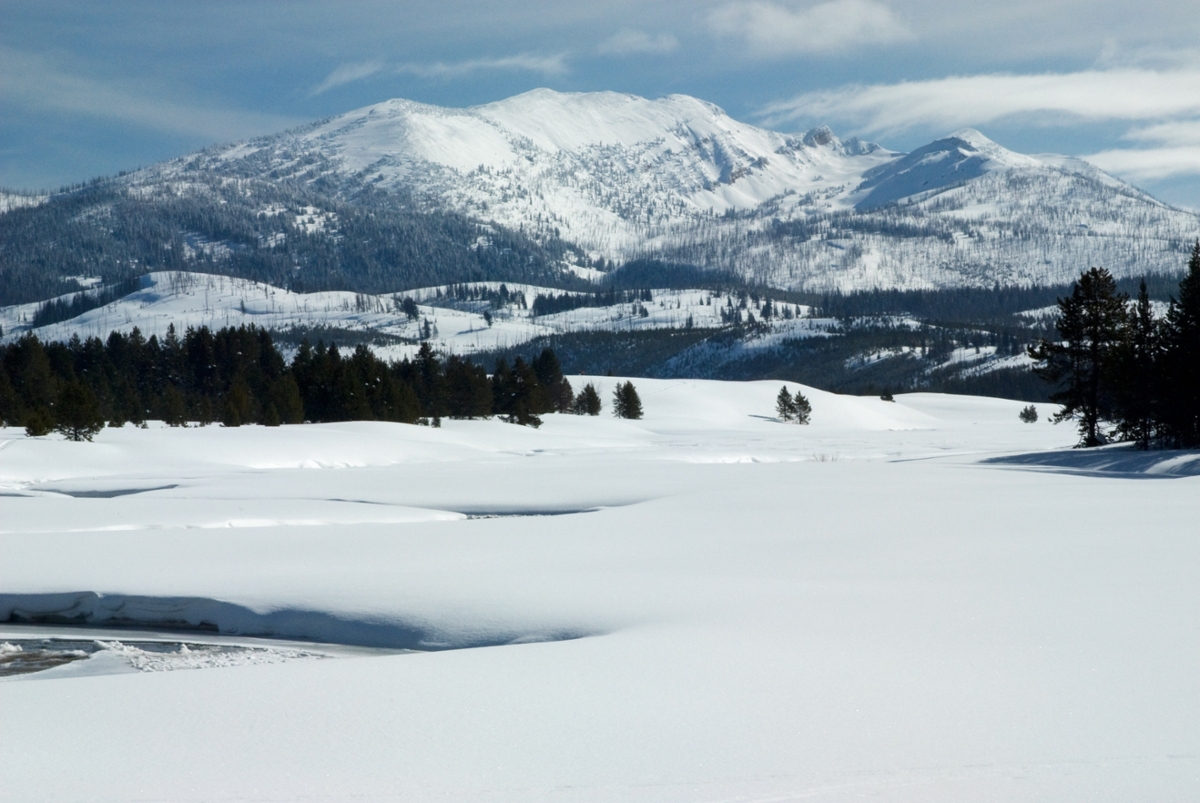
Winter in Montana is characterized by cold temperatures, abundant snowfall, and opportunities for winter sports. It’s a time for cozy evenings by the fire and exhilarating days on the slopes or trails.
- Temperatures: Average daytime temperatures are often below freezing, frequently ranging from the 20s to 30s Fahrenheit (-5 to -1 degrees Celsius), and can plummet much lower, especially in wind chill.
- Precipitation: Snowfall is common and can be heavy, particularly in the mountains. This is what makes Montana a premier destination for skiing and snowboarding.
- Conditions for Travel: Many roads, especially in rural and mountainous areas, can be covered in snow and ice, requiring 4-wheel drive vehicles or chains. Some roads and park facilities will be closed due to snow. However, resorts like Big Sky Resort are in full swing, offering world-class winter recreation. The stark beauty of snow-covered landscapes is breathtaking.
Regional Weather Variations
Montana’s vastness means that weather can vary significantly from one region to another within the state. Understanding these regional differences can further refine your travel plans.
Western Montana (The Mountains)

This region, dominated by the Rocky Mountains, including the Glacier National Park area and the western slopes leading towards Idaho, experiences the most dramatic weather.
- Elevation Impact: Higher elevations mean colder temperatures year-round and significantly more snowfall in winter. The famous Going-to-the-Sun Road in Glacier National Park is typically only fully open from late June to early October due to snow.
- Precipitation: This area receives the most precipitation in the state, contributing to its lush forests and abundant snowpack.
- Summer: While generally pleasant, summer afternoons can bring intense thunderstorms.
- Winter: This is prime snow country, with heavy snow ideal for skiing and snowboarding in areas like Whitefish Mountain Resort.
Central Montana (The Plains and Valleys)
Stretching from the eastern slopes of the Rockies eastward towards the Great Plains, central Montana, including cities like Helena and Great Falls, tends to have more moderate, though still variable, weather.
- Temperature Extremes: This region can experience greater temperature swings between day and night and between seasons compared to the western mountains. Summers can be hot, and winters can be quite cold.
- Wind: The plains are known for their strong winds, which can significantly impact perceived temperatures, especially in winter, creating a “wind chill” effect.
- Precipitation: Generally drier than western Montana, though thunderstorms can still occur in summer. Winter snowfall is present but often less consistent or deep than in the mountains.
Eastern Montana (The Prairies and Badlands)
The eastern third of the state, characterized by rolling prairies and dramatic geological formations like the Makoshika State Park badlands, has a semi-arid climate.
- Continental Climate: This region experiences a more classic continental climate with hot summers and cold winters, often with less moderating influence from mountain ranges.
- Precipitation: This is the driest part of Montana, with less overall precipitation than the west. However, when storms do occur, they can be intense.
- Summer: Summers can be hot and dry, with potential for drought.
- Winter: Winters are cold and can be harsh, with significant snow, but often with more clear, dry days than the western mountains.
Planning Your Visit Based on Weather
The best time to visit Montana is highly subjective and depends entirely on your intended activities.
For Outdoor Adventures and National Park Exploration
The summer months (June to August) are optimal for general exploration of national parks like Glacier National Park and Yellowstone National Park. Hiking trails are generally clear, and all park roads are open. However, be prepared for crowds and book accommodations well in advance. For those seeking fewer crowds and stunning scenery, early September can offer beautiful fall colors and pleasant temperatures, though some facilities may begin to close.
For Winter Sports Enthusiasts
Winter (December to March) is the season for skiing, snowboarding, and snowshoeing. Resorts such as Big Sky Resort, Bridger Bowl, and Big Mountain Ski Resort offer excellent conditions. Pack for extreme cold, and be aware that travel can be impacted by snow and ice.
For Photographers and Scenery Seekers
Autumn (September to October) provides a breathtaking canvas of fall foliage, particularly in the western mountainous regions. The light is often beautiful, and the crisp air is invigorating. Spring (April to May) can also offer unique photographic opportunities with wildflowers blooming and wildlife becoming more active, though weather can be unpredictable.

For Budget Travelers
The shoulder seasons—spring (late April to early June) and fall (mid-September to late October)—often offer lower prices for accommodations and fewer crowds. While weather can be more variable, the beauty of Montana is present in these transitional periods, and you can still enjoy many activities.
Regardless of when you plan to visit, checking the weather forecast frequently and being prepared for the dynamic nature of Montana’s climate will ensure a more comfortable and memorable experience. From the towering peaks of the Rockies to the vast plains, Montana’s weather is an integral part of its wild and captivating spirit.
LifeOutOfTheBox is a participant in the Amazon Services LLC Associates Program, an affiliate advertising program designed to provide a means for sites to earn advertising fees by advertising and linking to Amazon.com. Amazon, the Amazon logo, AmazonSupply, and the AmazonSupply logo are trademarks of Amazon.com, Inc. or its affiliates. As an Amazon Associate we earn affiliate commissions from qualifying purchases.