
Flathead Lake, an undeniable jewel in the crown of Montana, is not just a body of water; it’s a vast expanse of pristine beauty, a playground for outdoor enthusiasts, and a sanctuary of natural grandeur. Situated in the northwestern region of the state, its presence profoundly shapes the landscape and the lifestyle of the surrounding communities. Understanding its precise location is the first step in appreciating its immense appeal for travelers seeking authentic Western experiences, breathtaking scenery, and a deep connection with nature.
Geographic Placement and Surrounding Regions
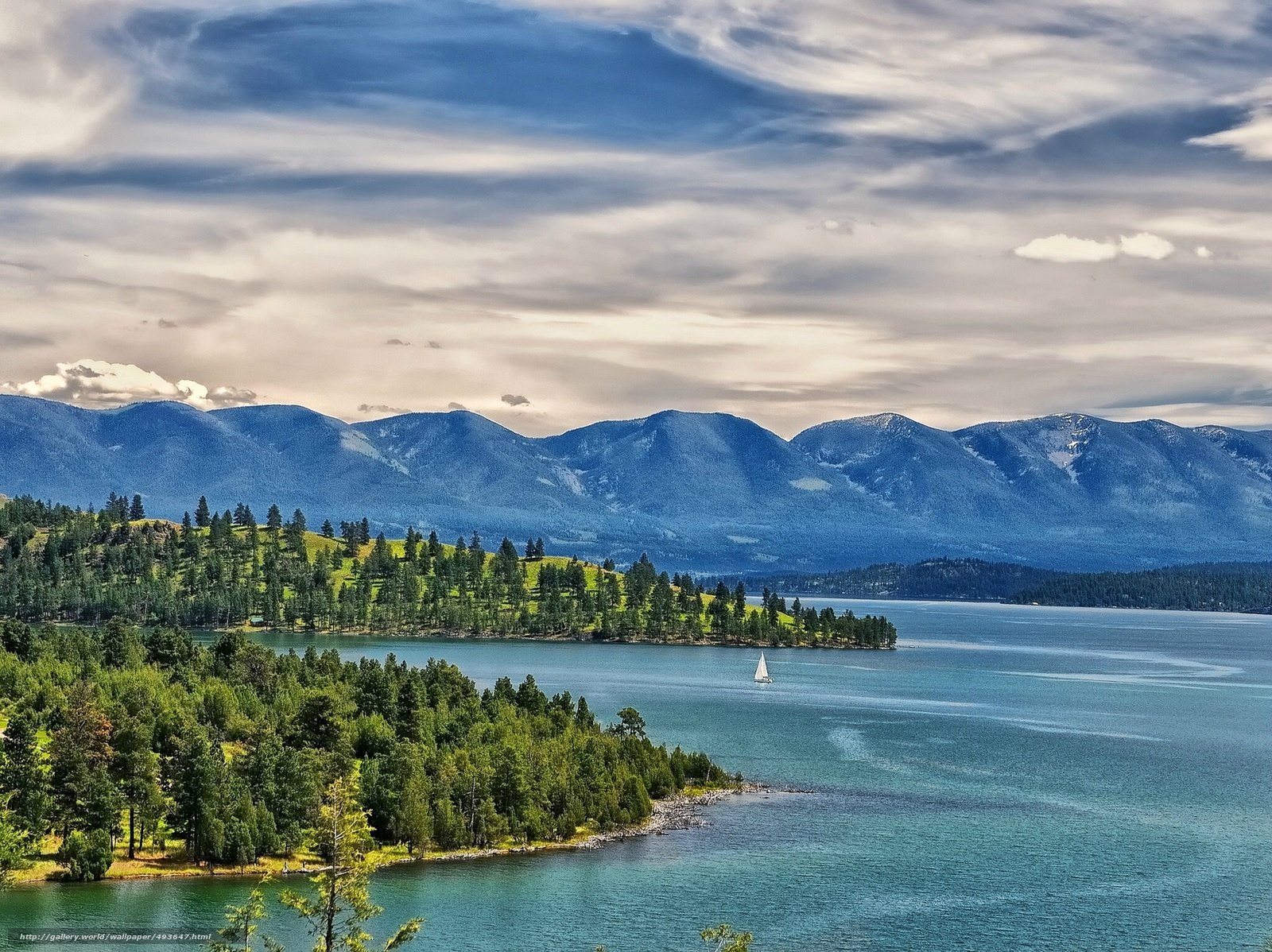
Flathead Lake is a prominent feature of Montana’s geography, nestled within the larger Flathead Valley. This valley, carved by ancient glaciers, is renowned for its dramatic mountain vistas, fertile agricultural lands, and a rich tapestry of natural ecosystems. The lake itself is the largest natural freshwater lake west of the Mississippi River by surface area, stretching approximately 30 miles in length and up to 15 miles in width at its broadest point. Its sheer scale contributes significantly to the region’s microclimate, influencing weather patterns and supporting diverse flora and fauna.

The lake’s geographical position places it in close proximity to several significant natural landmarks and population centers, making it an accessible yet secluded destination. To the west, the mighty Rocky Mountains form an imposing backdrop, their snow-capped peaks reflecting in the lake’s clear waters. To the east, the Mission Mountains present a rugged and wild contrast, offering challenging hiking opportunities and pristine wilderness.
Key Communities and Access Points
Several charming towns and cities serve as gateways to Flathead Lake and its recreational opportunities. The largest urban center nearby is Kalispell, located to the north of the lake. Kalispell acts as a primary hub for air travel, with the Glacier Park International Airport serving as a convenient entry point for visitors. From Kalispell, travelers can easily access various points along the lake’s northern shores.
Further south and west, the city of Polson sits at the southern tip of Flathead Lake, strategically positioned as a major gateway to the lake’s extensive recreational facilities. Polson offers a charming downtown area, access to boat launches, and a vibrant local atmosphere. Along the western shore, smaller communities like Bigfork and Lakeside provide intimate glimpses into lakeside living, each boasting unique character and attractions. Bigfork, in particular, is known for its thriving arts scene and its picturesque setting where the Swan River meets the lake.
Proximity to National Parks and Wilderness Areas
One of Flathead Lake’s most compelling attributes is its proximity to some of America’s most treasured natural preserves. Just to the north lies Glacier National Park, a UNESCO World Heritage Site renowned for its majestic peaks, ancient glaciers, pristine alpine meadows, and abundant wildlife. The park’s southern boundary is within easy driving distance of the lake, making it a common addition to any itinerary focused on this part of Montana. Visitors often combine a trip to Flathead Lake with an exploration of Glacier’s iconic Going-to-the-Sun Road and its numerous hiking trails.
Beyond Glacier, the Flathead National Forest surrounds much of the lake, offering vast tracts of protected wilderness. This forest encompasses significant portions of the Mission Mountains Wilderness, providing unparalleled opportunities for backpacking, camping, and wildlife viewing in a truly wild setting. The abundance of protected lands around Flathead Lake underscores its importance as a conservation success story and a vital ecological corridor.
Understanding the Flathead Lake Ecosystem
Flathead Lake is more than just a scenic backdrop; it is a dynamic and complex ecosystem that supports a remarkable diversity of life. Its creation by glacial activity has shaped its unique characteristics, from its considerable depth to its nutrient-rich waters.
Geological Origins and Lake Formation
The lake’s origins are deeply rooted in the geological history of the region. During the last glacial period, massive ice sheets sculpted the landscape, carving out the deep basin that would eventually be filled with water. As the glaciers retreated, they left behind moraines and outwash plains, damming rivers and creating the expansive lake we see today. The sheer volume of glacial till and sediment deposited has contributed to the lake’s clarity and its unique bathymetry. The lake’s depth varies considerably, reaching over 370 feet in some areas, which influences water temperatures and habitat stratification.
Water Quality and Clarity
Flathead Lake is celebrated for its exceptional water quality and remarkable clarity, a testament to the relatively undeveloped nature of its watershed and responsible land management practices. The lake is fed by numerous rivers and streams, many originating in the pristine wilderness areas of the surrounding mountains. The water’s clarity allows for impressive visibility, enabling divers to explore its depths and providing breathtaking views from the surface. This clarity is crucial for the health of the lake’s aquatic life, supporting a robust food web that sustains a variety of fish species. The ongoing efforts to monitor and protect water quality are paramount to preserving this natural asset for future generations.
Flora and Fauna
The diverse habitats surrounding Flathead Lake support an impressive array of plant and animal life. The lake’s shores are fringed with riparian vegetation, transitioning into the coniferous forests of the surrounding mountains. These forests are home to iconic Western species such as grizzly bears, black bears, elk, deer, and a variety of smaller mammals. Birdlife is abundant, with numerous species of waterfowl, raptors, and songbirds frequenting the lake and its environs.
The lake itself is a vital habitat for several fish species. Historically, it was renowned for its populations of cutthroat trout, Dolly Varden, and mountain whitefish. While some native species have faced challenges, conservation efforts are underway to restore and protect them. The introduction of kokanee salmon and the presence of lake trout have added to the lake’s fishery, attracting anglers from far and wide. The health of these fish populations is intrinsically linked to the overall health of the Flathead Lake ecosystem.
Activities and Attractions Around Flathead Lake
The allure of Flathead Lake extends far beyond its geographical coordinates. It is a vibrant hub for a multitude of activities, catering to those seeking adventure, relaxation, and cultural immersion.
Water-Based Recreation
Naturally, the lake itself is the primary draw for water-based activities. Boating is a favorite pastime, with numerous marinas and public access points available for launching everything from kayaks and paddleboards to larger powerboats and sailboats. The sheer size of the lake offers ample space for exploration, with secluded coves and expansive stretches of open water.
Swimming is popular during the warmer months, with designated beaches and swimming areas providing safe and enjoyable access to the cool, clear water. Fishing is another significant draw, with anglers targeting a variety of species throughout the year. Guided fishing tours are readily available, offering local expertise and access to the best fishing spots.

Windsurfing and sailing benefit from the lake’s often breezy conditions, particularly in the afternoons. For those who prefer to stay beneath the surface, snorkeling and scuba diving are possible, offering a unique perspective on the lake’s underwater world, though water temperatures can be a significant factor.
Land-Based Adventures and Scenic Drives
The landscape surrounding Flathead Lake is as captivating as the water itself. Scenic drives are a quintessential experience, offering panoramic views and opportunities to discover charming roadside attractions. The western shore, in particular, is traversed by Highway 93, which provides stunning vistas of the lake against the backdrop of the Mission Mountains.
Hiking trails abound in the surrounding national forests and state parks. From gentle lakeside strolls to challenging mountain ascents, there are options for all fitness levels. The Flathead Lake State Park system comprises several units scattered along the shoreline, each offering unique recreational opportunities and access to beautiful natural settings.
For those interested in agricultural tourism, the region is dotted with fruit orchards, particularly known for its cherries and apples. U-pick farms offer a delightful way to experience the local harvest during the summer and fall months. Exploring these local farms provides a taste of the agricultural heritage that is deeply intertwined with the lake’s identity.
Exploring Local Culture and Arts
The communities surrounding Flathead Lake boast a rich cultural heritage and a burgeoning arts scene. Bigfork, for instance, is renowned for its thriving theater and art galleries. The Bigfork Summer Playhouse is a popular venue for live performances, and the town’s numerous galleries showcase the work of local and regional artists.
The Southeastern Flathead Lake Historic District offers a glimpse into the area’s past, with well-preserved historic buildings and interpretive signage detailing the region’s development. Museums in towns like Polson and Kalispell provide further insights into the natural history, cultural heritage, and indigenous history of the Flathead Valley.
The vibrant local communities offer farmers’ markets, festivals, and events throughout the year, providing visitors with authentic experiences and opportunities to engage with the local culture. From live music to craft fairs, these events add another layer of richness to any visit to Flathead Lake.
Planning Your Visit to Flathead Lake
To fully experience the magic of Flathead Lake, thoughtful planning is essential. Understanding the best times to visit, accommodation options, and travel logistics will ensure a memorable and seamless trip.
Best Times to Visit
The peak tourist season for Flathead Lake generally runs from June through September, when the weather is warmest and most conducive to outdoor activities. Summer offers long daylight hours, perfect for maximizing time spent on the water or exploring the trails. The months of July and August are particularly popular, with warm temperatures and a lively atmosphere in the lakeside towns.
Spring (April to May) offers a quieter experience with blooming wildflowers and fewer crowds. However, snowmelt can still affect trail conditions in higher elevations, and water temperatures will be considerably colder.
Autumn (September to October) is a spectacular time to visit, with the changing colors of the deciduous trees painting the landscape in vibrant hues of red, orange, and gold. The weather can be crisp and cool, ideal for hiking and scenic drives. Fishing opportunities often remain excellent during this period.
Winter (November to March) transforms the region into a serene, snow-covered wonderland. While many water-based activities are unavailable, the area offers opportunities for snowshoeing, cross-country skiing, and enjoying the peaceful beauty of the frozen lake. Ice fishing is also a popular winter pursuit.
Accommodation Options
Flathead Lake offers a diverse range of accommodation to suit every preference and budget. From luxurious resorts to cozy cabins and budget-friendly motels, visitors can find the perfect place to stay.
Many travelers opt for vacation rentals, including lakefront homes, condos, and cabins, which provide privacy and a home-away-from-home experience. These are particularly popular for families or groups.
Hotels and motels are plentiful in the larger towns surrounding the lake, such as Kalispell, Polson, and Bigfork. These establishments offer a range of amenities and services, catering to different travel styles.
For a more immersive experience, consider camping in one of the many campgrounds within the state parks or national forests. These offer a close connection to nature and are often the most budget-friendly option. Boutique lodges and bed and breakfasts provide a more intimate and personalized lodging experience.
Getting There and Around
The primary gateway for air travelers to the Flathead Lake region is Glacier Park International Airport (FCA), located near Kalispell. The airport is served by several major airlines, offering direct flights from various cities.
Once you arrive, renting a car is highly recommended to explore the region effectively. Public transportation options are limited outside of the larger towns. A vehicle provides the freedom to venture to different parts of the lake, access trailheads, and discover hidden gems at your own pace.
Driving is the most common way to access Flathead Lake from other parts of Montana or neighboring states. Major highways, such as U.S. Highway 93, provide scenic routes into the valley. It is advisable to check road conditions, especially during the shoulder seasons when weather can be unpredictable.
In summary, Flathead Lake is a breathtaking destination situated in the heart of Montana’s majestic northwestern landscape. Its precise location within the Flathead Valley, surrounded by dramatic mountain ranges and adjacent to the world-renowned Glacier National Park, makes it a prime spot for experiencing the grandeur of the American West. Whether you seek adventure on its pristine waters, tranquility amidst its natural beauty, or cultural enrichment in its charming communities, Flathead Lake offers an unforgettable journey into one of Montana’s most cherished treasures.
LifeOutOfTheBox is a participant in the Amazon Services LLC Associates Program, an affiliate advertising program designed to provide a means for sites to earn advertising fees by advertising and linking to Amazon.com. Amazon, the Amazon logo, AmazonSupply, and the AmazonSupply logo are trademarks of Amazon.com, Inc. or its affiliates. As an Amazon Associate we earn affiliate commissions from qualifying purchases.