
Navigating the highways and byways of Oklahoma offers a diverse driving experience, from the rolling plains to the vibrant urban centers. For many travelers, understanding the cost of toll roads is a crucial part of planning a trip, ensuring a smooth and budget-conscious journey. Oklahoma boasts a network of toll roads, primarily managed by the Oklahoma Turnpike Authority (OTA), designed to facilitate efficient travel and fund infrastructure improvements. This guide delves into the specifics of toll road costs across the state, helping you anticipate expenses and make informed decisions for your travels.

Understanding Oklahoma’s Toll Road System
Oklahoma‘s toll roads are a modern and expanding network. The primary tollways, collectively known as the “PikePass” system, are designed to bypass congested areas and provide faster routes for motorists. The concept behind toll roads is simple: users pay a fee for the convenience and improved infrastructure. These fees are reinvested into maintaining and expanding the turnpike system, ensuring its continued functionality and safety for millions of drivers annually.
The PikePass System: Your Key to Toll Roads
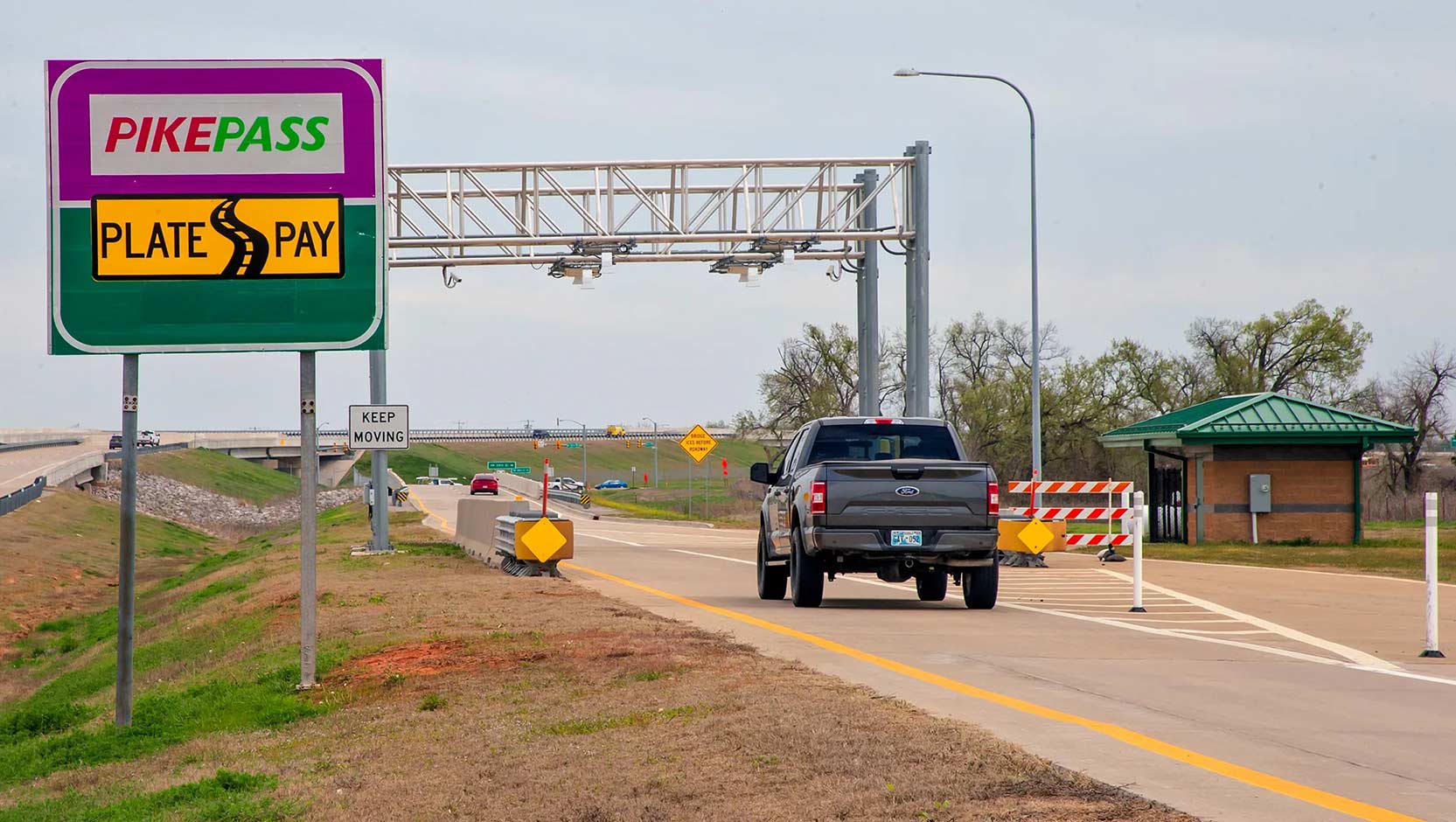
The Oklahoma Turnpike Authority operates the state’s toll collection system, with the PikePass being the electronic transponder that simplifies toll payments. While cash is accepted on some older sections or specific ramps, the overwhelming majority of toll collection is now electronic. This includes:
- PikePass Transponders: These small electronic devices are mounted on your vehicle’s windshield. When you pass through a toll plaza, the transponder communicates with overhead readers, automatically deducting the toll amount from your linked account. This offers the most cost-effective and convenient way to use Oklahoma’s toll roads, often providing discounted rates compared to pay-by-plate options.
- Toll by Plate: For vehicles without a PikePass transponder, a camera captures your license plate. The Oklahoma Turnpike Authority then sends a bill to the registered owner of the vehicle. This method is generally more expensive than using a PikePass, as it includes administrative fees.
- Online and Mail Payments: If you receive a Toll by Plate invoice, you can typically pay online through the OTA website or by mail. It’s crucial to pay these invoices promptly to avoid accumulating late fees and potential penalties.
The PikePass system is interoperable with many other toll agencies across the United States, meaning your PikePass can often be used on toll roads in other states. This is particularly beneficial for long-distance travelers.
Major Toll Roads and Their Routes
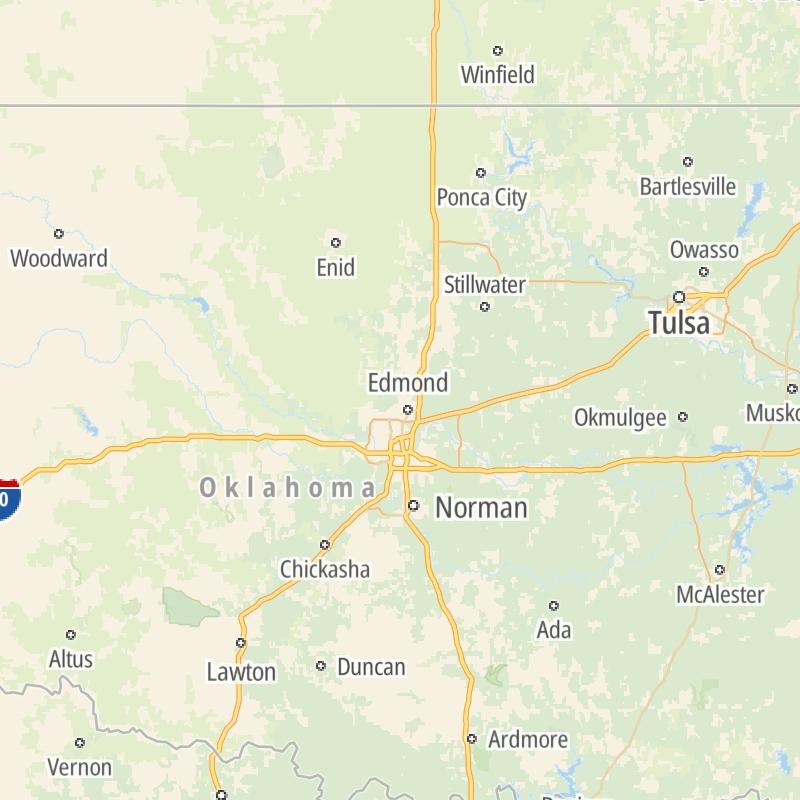
Oklahoma’s toll road network is comprised of several key turnpikes, each serving different regions and connecting major cities. Understanding these routes can help you estimate your travel costs:
- Turner Turnpike: This historic turnpike connects Oklahoma City and Tulsa, spanning approximately 88 miles. It is a vital artery for travel between these two major metropolitan areas.
- Will Rogers Turnpike: Extending eastward from Tulsa, the Will Rogers Turnpike continues towards the border with Missouri, passing through cities like Vinita.
- Cherokee Turnpike: This section connects the Will Rogers Turnpike with Catoosa and extends to the northeast, offering access to scenic areas and tribal lands.
- Muskogee Turnpike: Running south from Tulsa towards Muskogee, this turnpike is essential for travelers heading into the northeastern part of the state.
- Cimarron Turnpike: Located in northern Oklahoma, this turnpike connects Tulsa to cities like Enid and eventually to the Kansas border.
- Kilpatrick Turnpike: This is a significant beltway that encircles the northern and western parts of Oklahoma City, easing traffic flow around the metropolitan area and connecting various suburbs and major interstates.
- H.E. Bailey Turnpike: Traveling south from Oklahoma City towards Lawton and the Texas border, the H.E. Bailey Turnpike is a key route for those heading south.
- Kickapoo Turnpike: A newer addition, this turnpike provides a crucial connection in the Oklahoma City metropolitan area, particularly for drivers heading east from the north.
- Bernard H. Knesek Turnpike: This turnpike, part of the larger turnpike network, further enhances connectivity within the state.
Determining Toll Costs: Factors and Estimates
The cost of using Oklahoma’s toll roads is not a fixed rate but rather varies based on several key factors. Understanding these elements will help you predict your expenses more accurately.
Key Factors Influencing Toll Prices
- Distance Traveled: The most significant factor is the distance you travel on a particular turnpike. Longer distances naturally incur higher tolls. Tolls are typically calculated based on specific segments or exits you use.
- Vehicle Class: The type of vehicle you are driving plays a crucial role in toll calculation. Passenger cars, motorcycles, and lighter trucks generally have lower tolls than larger trucks, RVs, or vehicles with multiple axles. The Oklahoma Turnpike Authority uses a classification system to determine these rates.
- Method of Payment: As mentioned, using a PikePass transponder generally offers the lowest per-mile cost due to discounted rates. Toll by Plate methods are more expensive, incorporating additional fees for processing and mailing invoices.
- Time of Day/Congestion (Less Common in OK): While some toll systems implement variable pricing based on peak hours, Oklahoma’s toll road pricing is primarily based on distance and vehicle class, with less emphasis on time-of-day surcharges.
- New Toll Projects and Rate Adjustments: Toll rates are subject to periodic adjustments by the Oklahoma Turnpike Authority to account for inflation, maintenance costs, and debt service on bonds issued for infrastructure projects. Major new turnpikes, like extensions or new beltways, will have their own pricing structures.
Estimating Your Toll Expenses
Providing exact toll costs for every possible route would be exhaustive. However, we can offer some practical methods for estimating your expenses:
1. Utilize Online Toll Calculators
The most efficient way to get a precise estimate is to use the official Oklahoma Turnpike Authority website or a reliable third-party toll calculator. These tools typically require you to input:
- Starting Point and Destination: Specify your origin and final destination.
- Route Preference: Indicate whether you want to use toll roads or avoid them.
- Vehicle Type: Select your vehicle class (e.g., passenger car, 2-axle truck).
The calculator will then generate an estimated toll cost for your specific journey, often providing options for different routes.
2. General Cost Ranges for Common Routes
While not definitive, here are some general ranges for common routes, assuming a standard passenger vehicle and using a PikePass for the most economical rate. These are approximate and can change:
- Oklahoma City to Tulsa (Turner Turnpike): Expect tolls to be in the range of $7 to $10 for a one-way trip.
- Tulsa to Will Rogers Turnpike (e.g., nearing the Missouri border): Depending on the exact exit, this could range from $4 to $8.
- Oklahoma City Loop (Kilpatrick Turnpike, Kickapoo Turnpike portions): A full loop or significant portion of these beltways might cost between $5 and $15, depending on the segments used.
- H.E. Bailey Turnpike (Oklahoma City to Lawton): This route could range from $6 to $10.
Important Note: These are rough estimates. Always check current rates for the most accurate figures. Toll by Plate users should anticipate paying significantly more for these same routes.
Getting a PikePass
If you plan on using Oklahoma’s toll roads regularly or even for a single long trip, obtaining a PikePass is highly recommended. You can apply for a PikePass online through the Oklahoma Turnpike Authority website. There are typically different account types, such as pre-paid accounts, which require an initial deposit or balance. A small monthly administrative fee may apply depending on the account type.
Planning Your Trip: Tips for Toll Road Users
To ensure a hassle-free experience when using Oklahoma’s toll roads, consider these practical tips:
Preparing for Your Journey
- Check Your Transponder: If you have a PikePass, ensure it is properly mounted and has sufficient funds in its associated account. Low balances can lead to transaction failures and potential billing issues.
- Familiarize Yourself with Routes: Before you depart, use a GPS navigation app (like Google Maps or Waze) or the OTA’s route planner to identify which roads are tolled. These apps often provide toll estimates and allow you to select routes that avoid tolls if preferred.
- Understand Signage: Look for signs indicating upcoming toll plazas and whether they are electronic or accept cash. Signs will often display the PikePass logo.
Managing Payments and Invoices
- Pay Toll by Plate Invoices Promptly: If you receive a Toll by Plate invoice, mark the due date and pay it as soon as possible to avoid late fees. You can usually pay online through the OTA website.
- Set Up Auto-Renewal/Replenishment: For PikePass users, setting up automatic replenishment for your account is a good way to prevent your balance from running low.
- Keep Records: It’s a good practice to keep records of your toll payments, especially if you are traveling for business or seeking reimbursement.
Alternatives to Toll Roads
While toll roads offer speed and convenience, Oklahoma also has an extensive network of free state highways and interstates. If your budget is a primary concern, or if you have more time and wish to see more of the local landscape, consider planning your route to utilize these non-tolled options. Navigation apps are excellent for comparing routes and their associated costs and travel times. For instance, traveling between Oklahoma City and Tulsa can be done via I-44 (the Turner Turnpike) or by taking US-66 and other state highways, which will be slower but free.
By understanding the Oklahoma toll road system, the factors that influence costs, and by utilizing the available tools and tips, you can effectively manage your travel expenses and enjoy a more predictable and pleasant driving experience across the Sooner State.
LifeOutOfTheBox is a participant in the Amazon Services LLC Associates Program, an affiliate advertising program designed to provide a means for sites to earn advertising fees by advertising and linking to Amazon.com. Amazon, the Amazon logo, AmazonSupply, and the AmazonSupply logo are trademarks of Amazon.com, Inc. or its affiliates. As an Amazon Associate we earn affiliate commissions from qualifying purchases.