
The humble California Roll, often underestimated and occasionally dismissed by sushi purists, stands as a true titan in the global culinary landscape. Far more than just a simple combination of rice and fillings, it represents a pivotal moment in the popularization of Japanese cuisine in the Western world, a testament to culinary fusion, and a constant, comforting presence for travelers worldwide. Whether you’re exploring the vibrant food scene of a bustling metropolis, enjoying the serene luxury of a beachfront resort, or simply seeking a familiar and delicious meal on your journey, the California Roll is almost certainly within reach.
This iconic dish has transcended its origins, evolving into a global phenomenon that can be found from the most exclusive Manhattan sushi bars to the casual eateries nestled in the heart of Europe or Asia. Its appeal lies in its approachable flavors, lack of raw fish (traditionally), and satisfying texture, making it a gateway for countless individuals into the diverse and exciting world of sushi. For the modern traveler, understanding “what is in a California Roll” isn’t just about ingredients; it’s about appreciating a cultural bridge, a culinary landmark, and a reliable lifestyle choice that enhances the travel experience, no matter the destination.

Deconstructing the Icon: The Core Ingredients of a California Roll
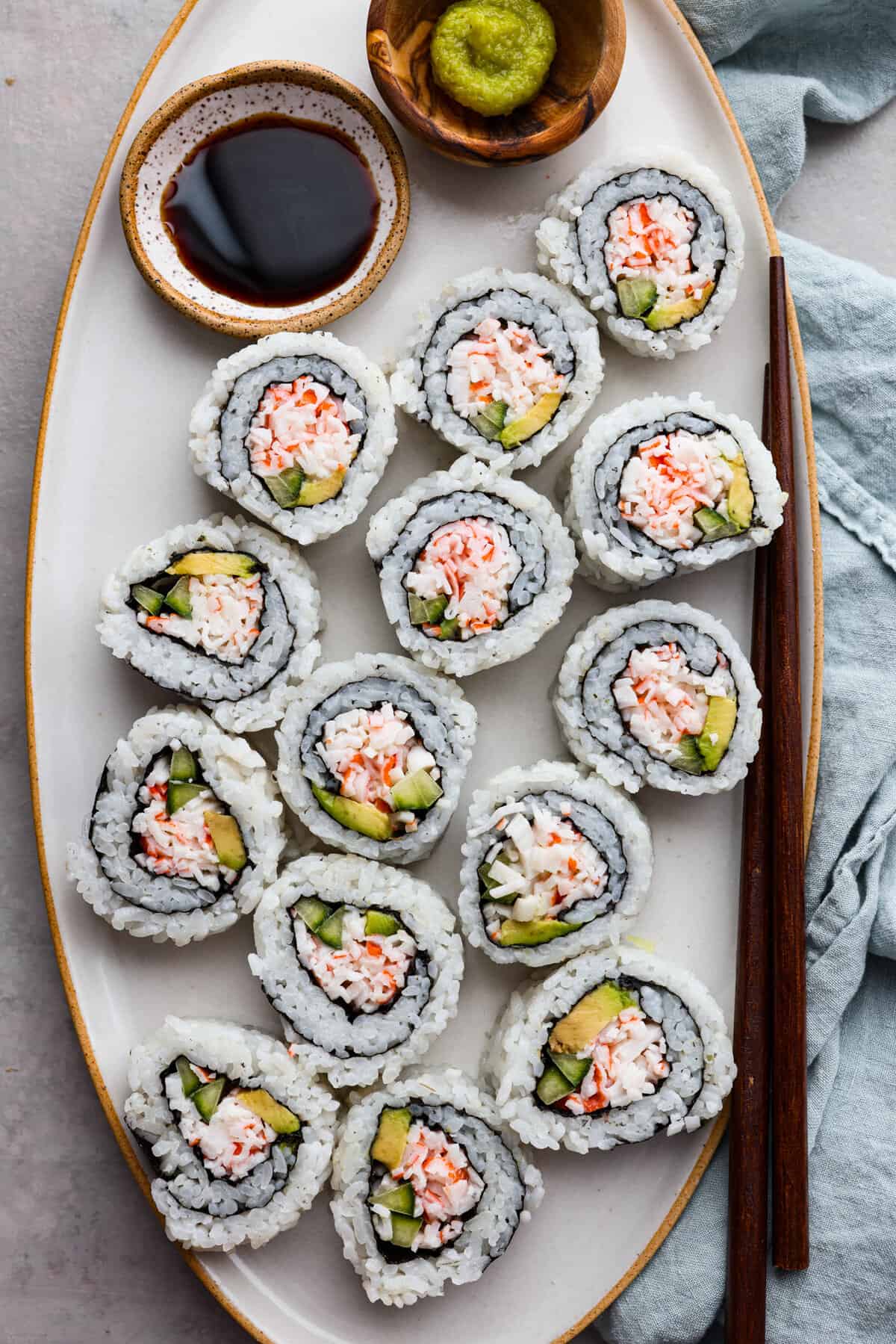
At its heart, the California Roll is a marvel of simplicity and balance, a testament to how a few well-chosen components can create something universally beloved. Unlike traditional Japanese sushi which often places nori (seaweed) on the outside, the California Roll is typically an “uramaki,” or inside-out roll, with the rice on the exterior. This innovation was key to its success, making it less intimidating for those unaccustomed to the texture of seaweed.
Let’s break down the essential elements that define this ubiquitous dish:
The Foundation: Perfectly Seasoned Sushi Rice
The bedrock of any good sushi roll is its rice. For a California Roll, this means short-grain Japanese rice, meticulously cooked and seasoned with a blend of rice vinegar, sugar, and salt. The result is a sticky, slightly tangy, and subtly sweet canvas that holds the entire creation together. The quality of the rice preparation is paramount, as it forms the bulk of the roll and greatly influences the overall flavor and texture experience. When traveling, particularly to regions where rice is a staple, appreciating the nuanced preparation of sushi rice can offer a glimpse into local culinary dedication.
The Signature Sweetness: Crab or Imitation Crab
Perhaps the most distinctive ingredient in a California Roll is the crab meat. Historically and most commonly, this refers to imitation crab meat, also known as surimi. This processed seafood product, typically made from white fish (like pollock) that has been deboned, minced, washed, and then combined with starch, egg whites, salt, and flavorings, offers a sweet, delicate flavor and flaky texture that mimics real crab. Its consistent availability and mild taste made it an ideal choice for a roll designed to appeal to a broad audience.
However, with the rise of gourmet sushi and a demand for higher quality, many establishments, particularly those found in upscale resorts or fine dining restaurants, now offer California Rolls made with real crab meat. This can range from snow crab to Dungeness crab, offering a richer, more authentic oceanic flavor profile. When exploring culinary destinations, discerning between a surimi-based roll and one featuring genuine crab can be an interesting aspect of your food tourism journey, often reflecting the price point and culinary ambition of the establishment.
The Creamy Contrast: Fresh Avocado
The inclusion of avocado is not only characteristic of the California Roll but also a nod to its namesake state. California is renowned for its Hass avocados, and their creamy, buttery texture and mild, slightly nutty flavor provide a perfect counterpoint to the sweetness of the crab and the crispness of the cucumber. Avocado also adds a delightful mouthfeel and a boost of healthy fats, making the roll a satisfying and often perceived as a healthier option for travelers mindful of their diet.
The Refreshing Crunch: Crisp Cucumber
To balance the richness of the avocado and the softness of the crab and rice, fresh cucumber spears are indispensable. Their cool, crisp texture and refreshing, subtly vegetal flavor cut through the other ingredients, adding a vital textural contrast. Typically, the seeds are removed to ensure only the firm, crunchy flesh remains, contributing a clean finish to each bite.
The Unseen Wrapper: Nori Seaweed
While often hidden on the inside, nori seaweed plays a crucial role. This dried, roasted seaweed sheet provides a subtle umami flavor and structural integrity, holding the fillings together before they are enveloped by the rice. Its earthy notes add depth to the overall profile, even if it’s not the most prominent flavor.
The Finishing Touches: Sesame Seeds or Masago
Finally, most California Rolls are garnished with a sprinkle of toasted sesame seeds (often a mix of white and black) or bright orange masago (capelin roe) on the outside. These additions not only enhance the visual appeal but also contribute a subtle nutty flavor and a delicate pop of texture, rounding out the sensory experience.
A Taste of History: The California Roll’s American Origins and Global Impact
The story of the California Roll is a fascinating narrative of innovation, cultural adaptation, and culinary diplomacy. While the exact origins are debated, the prevailing theory credits the roll’s invention to Japanese sushi chefs working in Los Angeles in the late 1960s or early 1970s. One popular account attributes its creation to Chef Ichiro Mashita at the restaurant Tokyo Kaikan in Little Tokyo. Faced with a clientele unfamiliar with raw fish and the texture of nori on the outside, Mashita began experimenting. He substituted fatty tuna (toro), which was then less popular in the United States and difficult to source consistently, with cooked crab meat. He also moved the nori to the inside, tucking it beneath the rice, and added creamy avocado and crisp cucumber. This “inside-out” approach, or uramaki style, made the roll far more approachable to the American palate.
The success was immediate and profound. The California Roll quickly became a sensation, particularly in Southern California, where its fresh ingredients and mild flavors resonated with the burgeoning health-conscious lifestyle. It served as a crucial “gateway sushi” for countless individuals, demystifying the concept of sushi and making it accessible to a broader audience. Prior to its invention, sushi was largely confined to specific ethnic enclaves. The California Roll opened the floodgates, paving the way for sushi to become a mainstream dining option across the United States and eventually, the world.
This innovative dish became a symbol of fusion cuisine, demonstrating how culinary traditions can evolve and adapt when they cross borders. It proved that authenticity could coexist with innovation, and that delicious food knew no cultural boundaries. Its global spread was swift, carried by travelers, chefs, and restaurateurs who recognized its universal appeal. Today, it’s not uncommon to find a California Roll on the menu of a sushi restaurant in London, a luxury hotel in Dubai, or even a casual eatery in Tokyo – a fascinating full-circle moment for a dish that originated as a Western adaptation of a Japanese staple.

The California Roll as a Travel Companion: Lifestyle and Culinary Tourism
For the modern traveler, the California Roll is more than just a dish; it’s a reliable culinary companion that speaks to convenience, comfort, and sometimes, even a touch of luxury. Its ubiquitous presence across diverse destinations makes it an indispensable part of the global food tourism landscape, catering to various travel styles and budgets.
A Universal Comfort Food on the Go
Whether you’re exploring ancient ruins, navigating bustling city streets, or relaxing by the Pacific Ocean, finding a California Roll is often a straightforward affair. Its portability makes it an excellent choice for a quick lunch between sightseeing stops, a picnic in a scenic park, or a light dinner in your hotel suite. This ease of access and familiarity provides a comforting constant amidst the new and often unfamiliar experiences of travel. For families traveling with children, it offers a gentle introduction to Asian flavors, making dining out a less daunting experience.
From Budget Bites to Luxury Dining
The beauty of the California Roll lies in its versatility across price points and dining experiences. On a budget trip, you might grab a freshly made roll from a supermarket deli or a casual take-out spot, providing a satisfying and affordable meal. Conversely, when indulging in luxury travel, you can enjoy an elevated version at a five-star resort restaurant. Imagine savoring a carefully crafted California Roll made with real Dungeness crab, fresh local avocado, and premium sushi rice, presented artfully at a Four Seasons Resort in Hawaii or a chic boutique hotel in Miami. Even room service menus at high-end accommodations frequently feature this beloved roll, offering a delightful and convenient dining option after a long day of exploring.
A Healthy Choice for Mindful Travelers
In an era where wellness and healthy eating are integral to many lifestyles, the California Roll stands out as a relatively wholesome choice. Packed with healthy fats from avocado, lean protein from crab, and fresh vegetables, it provides a balanced meal that won’t leave you feeling overly heavy or sluggish. This makes it an appealing option for business travelers needing to maintain energy, or for anyone wanting to sustain a healthy routine while away from home. Its fresh ingredients align well with the global trend towards lighter, more nutritious food options, allowing travelers to enjoy diverse cuisines without compromising their dietary goals.
Culinary Exploration and Cultural Bridges
While the California Roll might not be authentically Japanese in the strictest sense, it plays a vital role in culinary tourism. For many, it’s the first step into the expansive world of sushi. Sampling it in different cities – perhaps trying a version with local seafood in Vancouver, or discovering regional variations in Australia – can be an intriguing aspect of a food-focused trip. It acts as a familiar anchor that encourages further adventurous eating, prompting travelers to explore other rolls, nigiri, and sashimi once their palate is accustomed to the flavors and textures.
Moreover, the California Roll’s journey from a Los Angeles innovation to a global staple highlights the dynamic nature of food as a cultural artifact. Experiencing its presence in various countries underscores how culinary traditions are not static but continually evolve through migration, adaptation, and cross-cultural exchange. This makes the simple act of eating a California Roll a subtle yet profound engagement with global food history and local cultural interpretation.
Beyond the Roll: Expanding Your Sushi Horizons
Once you’ve savored the delightful simplicity of the California Roll and appreciate its place in culinary history, it naturally opens the door to a broader exploration of sushi and Japanese cuisine. While the California Roll is a fantastic starting point, the world of sushi is incredibly diverse and offers endless opportunities for culinary discovery during your travels.
Consider embarking on a deeper dive into authentic Japanese preparations. In cities like Tokyo, Kyoto, or Osaka, you can experience the artistry of traditional nigiri and sashimi, where the quality of the fish is paramount and the chef’s skill is evident in every delicate slice. Exploring these cities, which are rich in culture and history, can also involve visiting bustling fish markets like Tsukiji Outer Market (formerly the main Tsukiji Market) in Tokyo or enjoying a multi-course omakase meal that showcases the freshest seasonal ingredients. Such experiences go beyond just eating; they become a profound engagement with local culture and culinary tradition, often considered landmarks of gastronomy.
For those who enjoy the fusion aspect of the California Roll, many global cities offer innovative sushi creations. London, New York City, and San Diego, for instance, boast vibrant sushi scenes where chefs continually push boundaries, incorporating local ingredients and international flavors into their rolls and dishes. You might discover rolls featuring spicy tuna, tempura shrimp, or even unique vegetarian options, reflecting the diverse culinary landscape of these travel destinations.
Ultimately, the California Roll serves as a welcoming ambassador, inviting travelers to embark on a delicious journey. Its approachable nature makes it a perfect dish to enjoy at any hotel or resort around the world, whether you’re seeking a familiar taste or a bridge to new culinary adventures. From its humble origins in Los Angeles to its current status as a global icon, the California Roll is a testament to food’s power to connect people, bridge cultures, and enrich the experience of travel, one delicious bite at a time. So next time you encounter this familiar roll, remember its rich history and the journey it took to become the beloved staple it is today.
LifeOutOfTheBox is a participant in the Amazon Services LLC Associates Program, an affiliate advertising program designed to provide a means for sites to earn advertising fees by advertising and linking to Amazon.com. Amazon, the Amazon logo, AmazonSupply, and the AmazonSupply logo are trademarks of Amazon.com, Inc. or its affiliates. As an Amazon Associate we earn affiliate commissions from qualifying purchases.