
Understanding timezones is fundamental for any traveler planning a trip, ensuring smooth transitions and accurate scheduling. For those venturing to or within the state of Nebraska, this seemingly simple question of “What timezone is Nebraska in?” unlocks a more nuanced reality. Unlike many states that uniformly adhere to a single timezone, Nebraska presents a bifurcated timezone landscape, impacting everything from arrival times at the airport to making dinner reservations in different parts of the state. This guide delves into the timezone divisions of Nebraska, exploring the historical context, geographical boundaries, and practical implications for travelers and residents alike.
Navigating Nebraska’s Timezone Divide
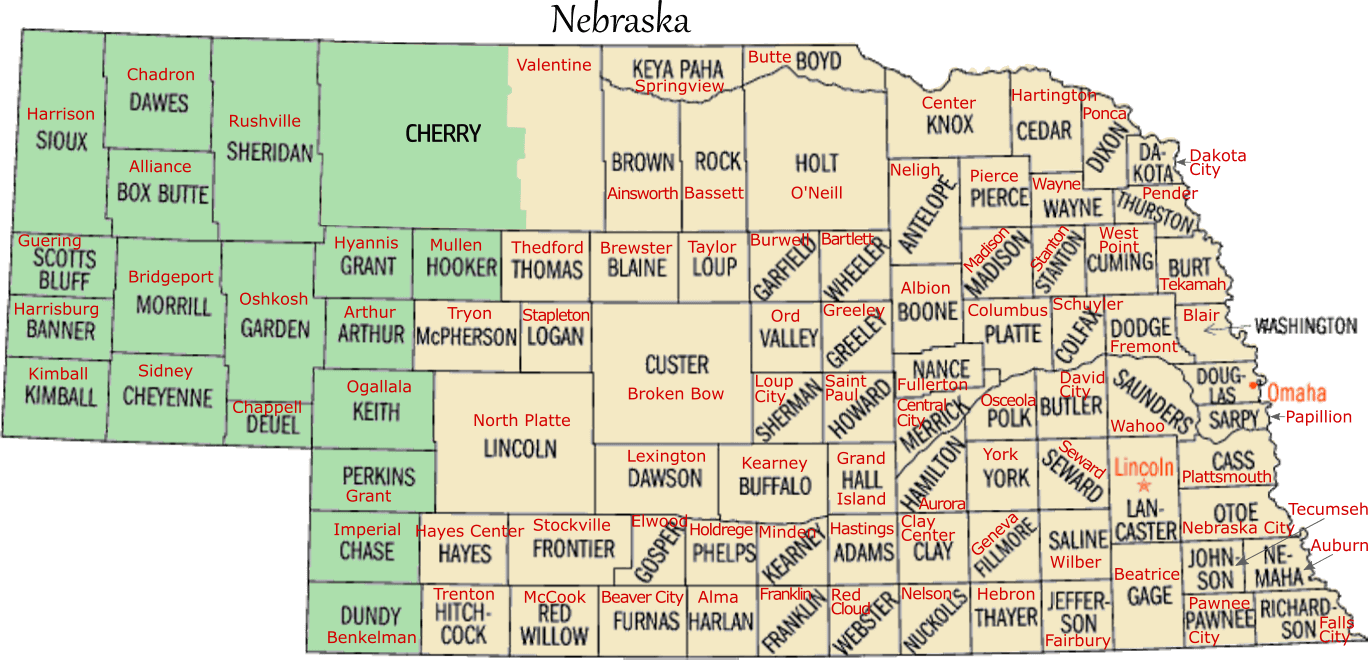
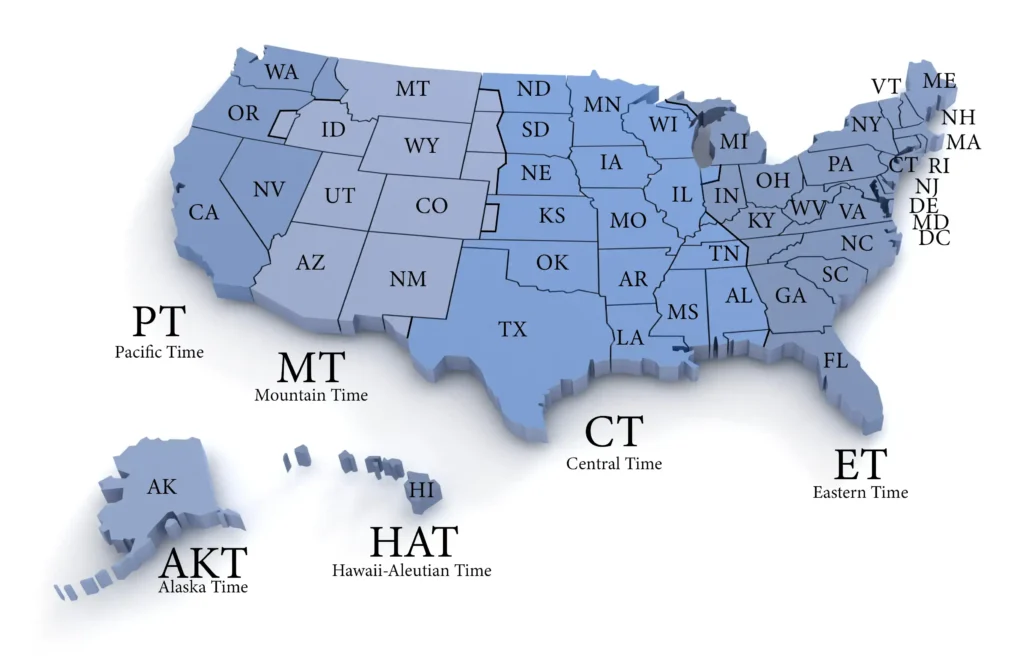
Nebraska is split between two of North America’s primary timezones: the Central Time Zone (CT) and the Mountain Time Zone (MT). This division is not arbitrary; it follows a general north-south line, with most of the state observing Central Time and a significant portion in the western part adhering to Mountain Time. For travelers, this means that a simple cross-state drive could involve adjusting your watch. This distinction is crucial for planning excursions, connecting with local businesses, and understanding the rhythm of daily life across the state.
The Central Time Zone Dominance
The vast majority of Nebraska operates on Central Time. This includes its largest metropolitan areas and most populous regions.
Eastern Nebraska and the Heart of the State
Cities like Omaha, Lincoln, and Grand Island all fall within the Central Time Zone. This means they observe Central Standard Time (CST) during the winter months, which is UTC-6, and Central Daylight Time (CDT) during the warmer months, which is UTC-5. This is the timezone experienced by the majority of Nebraska‘s population and is often what comes to mind when thinking about Nebraska time.
When you land at Eppley Airfield in Omaha or arrive at the Lincoln Airport for a business trip or a vacation exploring the state’s capital, you will be in the Central Time Zone. This impacts flight schedules, hotel check-in times, and the operating hours of attractions throughout eastern and central Nebraska.
Practical Considerations for Travelers in CT
For visitors exploring attractions like the Omaha’s Henry Doorly Zoo and Aquarium or attending events in Lincoln, understanding that they are in the Central Time Zone is key. This means coordinating meetings, booking tours, and making dinner reservations will all be based on CT. If you are driving from a state that observes Mountain Time, be prepared for a one-hour jump forward. Similarly, if you are driving into Nebraska from the east, you will be gaining an hour.
The Western Frontier: Mountain Time Zone
In contrast to the eastern and central parts of the state, western Nebraska observes Mountain Time. This transition is noticeable as you travel westward across the state.
The Panhandle and Beyond
Counties in the westernmost part of Nebraska, often referred to as the Panhandle, are in the Mountain Time Zone. Cities like Scottsbluff and Sidney operate on Mountain Standard Time (MST) in the winter (UTC-7) and Mountain Daylight Time (MDT) in the summer (UTC-6). This geographical division means that even within the same state, there’s a consistent one-hour difference between these regions.
If your travel plans take you to the scenic Chimney Rock National Historic Site or the unique landscape of Scotts Bluff National Monument, you will be operating under Mountain Time. This is a significant factor when coordinating with anyone outside this specific region of Nebraska, whether for business or leisure.
Implications for Western Nebraska Visitors
Travelers heading to the western reaches of Nebraska need to be particularly mindful of this timezone shift. If you are flying into a regional airport like the Western Nebraska Regional Airport in Scottsbluff, ensure your flight information reflects the correct timezone. When planning activities, especially those that might involve contacting individuals or businesses in other parts of the state, always confirm the timezone of the other party. This is also important if you are renting a car and plan to drive extensively across the state.
The Historical and Geographical Basis of Nebraska’s Timezones
The division of Nebraska into two timezones is rooted in historical decisions and geographical realities that have shaped the state’s development and its connections to neighboring regions.

A Historical Context of Timekeeping
The adoption of standard timezones in the United States in 1883 was a response to the increasing complexity of railway scheduling. Before this, each town often set its own local time, leading to considerable confusion. The establishment of national timezones aimed to bring order to this chaos. As Nebraska developed, its western regions naturally aligned with the time observed in neighboring states like Wyoming and Colorado, which are predominantly in the Mountain Time Zone. Conversely, the more populous eastern and central parts of the state found greater alignment with states to their east, which are primarily in the Central Time Zone.
The Unifying Force of Daylight Saving Time
While Nebraska is divided by standard time, both the Central and Mountain Time Zones within the state observe Daylight Saving Time (DST). This means that during the spring, summer, and early autumn months, the time difference between the two zones remains a consistent one hour.
- Central Daylight Time (CDT): UTC-5
- Mountain Daylight Time (MDT): UTC-6
This observation of DST ensures that the one-hour differential is maintained throughout the warmer half of the year, simplifying some aspects of inter-timezone coordination within the state, although it doesn’t erase the fundamental difference. This synchronized shift is a common feature across many states that straddle timezone boundaries, helping to maintain a degree of consistency in daily routines and economic activities.
Practical Travel Tips for Timezone Navigation in Nebraska
For any traveler, understanding the timezone at your destination is paramount. In Nebraska, this requires a bit more attention due to the state’s unique split.
Planning Your Itinerary
When booking flights, hotels, or activities, always confirm the local timezone. For example, if you are flying into Omaha and then driving west to visit attractions near North Platte, remember that you will be crossing into the Mountain Time Zone. This means an early morning flight to Omaha at 8 AM CT would feel like 7 AM when you arrive in North Platte if you were to drive there immediately.
Essential Checks Before Departure and Arrival
- Confirm flight times: Double-check arrival and departure times with airlines, specifying the timezone.
- Hotel bookings: Ensure your hotel reservations are made for the correct local time. Most booking platforms will display local time, but it’s good practice to confirm.
- Activity schedules: If you have booked tours, restaurant reservations, or tickets to events, verify that the times listed are in the local timezone of the venue.
Staying Connected Across Timezones
Communication is key when traveling. If you are traveling with companions or coordinating with hosts, be explicit about the timezone you are in.
Tips for Inter-Zone Communication
- Specify the timezone: When sending messages or making calls, always mention the timezone, e.g., “Meeting at 2 PM CT” or “Call me at 10 AM MT.”
- Use timezone converter apps: Several mobile applications can help you easily convert times between different zones.
- Inform your contacts: Let friends, family, or business associates know which timezone you will be in during your trip to Nebraska.
Driving and Road Travel
For road trips, the timezone shift can be a subtle but important consideration.
Navigating the Open Road
- Map applications: Modern GPS and map applications usually update your timezone automatically as you cross boundaries, but it’s wise to be aware.
- Gas stops and services: If you’re relying on specific operating hours for roadside services, factoring in the timezone difference can prevent missed opportunities. For instance, a diner near the border might be closing at 9 PM MT, which is 10 PM CT.
By being informed and prepared, navigating Nebraska’s timezone split becomes a straightforward aspect of travel planning, allowing you to fully immerse yourself in the diverse experiences this remarkable state has to offer, from the bustling streets of Omaha to the rugged beauty of the western Panhandle.
LifeOutOfTheBox is a participant in the Amazon Services LLC Associates Program, an affiliate advertising program designed to provide a means for sites to earn advertising fees by advertising and linking to Amazon.com. Amazon, the Amazon logo, AmazonSupply, and the AmazonSupply logo are trademarks of Amazon.com, Inc. or its affiliates. As an Amazon Associate we earn affiliate commissions from qualifying purchases.