
Moosehead Lake, a vast and pristine expanse of water nestled in the heart of Maine‘s north woods, stands as a testament to the enduring wild beauty of the American Northeast. Its sheer scale and the surrounding undeveloped wilderness have long captured the imagination of those seeking an escape from the clamor of modern life. More than just a geographical location, Moosehead Lake represents a significant natural landmark, a vibrant hub for outdoor recreation, and a gateway to understanding the ecological and cultural heritage of this unique region.
A Geographic Beacon in the North Woods
The question of “Where is Moosehead Lake, Maine?” leads one to a region characterized by its rugged terrain, dense forests, and a profound sense of solitude. Situated in Piscataquis County, it is the largest lake in New England by surface area, covering approximately 75,100 acres. This immense body of water is the headwaters of the Kennebec River, a vital artery that flows through much of the state.

Location and Accessibility
Moosehead Lake is located in the central-western part of Piscataquis County, approximately 30 miles northwest of Dover-Foxcroft, the county seat. Its remoteness is part of its allure, yet it remains accessible to travelers eager to explore its wonders. The primary gateway towns offering services and lodging include Greenville and Rockwood.
To reach Moosehead Lake, most visitors travel by car. From Portland, Maine’s largest city, it’s a scenic drive of about three to four hours northeast. Travelers coming from Boston, Massachusetts, can expect a journey of around five to six hours. Major routes leading to the area include U.S. Route 15 and Maine State Route 15, which wind through picturesque landscapes, offering glimpses of the vast forests and rolling hills that define this part of Maine. For those flying, the nearest commercial airport is Bangor International Airport (BGR), located about an hour and a half’s drive east of Greenville. From there, car rentals are readily available.
A Defining Natural Landmark
The sheer size of Moosehead Lake is awe-inspiring. Its shoreline stretches for over 500 miles, a testament to its complex and intricate shape. The lake is dotted with numerous islands, the largest of which is Sugar Island, offering secluded coves and unique microclimates. The surrounding landscape is dominated by a mix of coniferous and deciduous forests, including spruce, fir, maple, and birch, creating a vibrant tapestry of green that shifts with the seasons.
The topography around the lake is characterized by rolling hills and the majestic presence of nearby mountains. Mount Katahdin, Maine’s highest peak and the northern terminus of the Appalachian Trail, is visible on clear days from various points around the lake, serving as a constant reminder of the grander wilderness that surrounds it. This proximity to such iconic natural features underscores Moosehead Lake’s status as a significant natural landmark within the broader context of Acadia National Park and other notable conservation areas in the state.
The Allure of the Wilderness Experience
The location of Moosehead Lake is inextricably linked to its identity as a premier destination for those seeking an authentic wilderness experience. The vast, undeveloped tracts of land surrounding the lake offer a sanctuary for wildlife and a playground for outdoor enthusiasts. This is not merely a place to visit; it’s a place to immerse oneself in the raw beauty and untamed spirit of the north woods.
Flora and Fauna
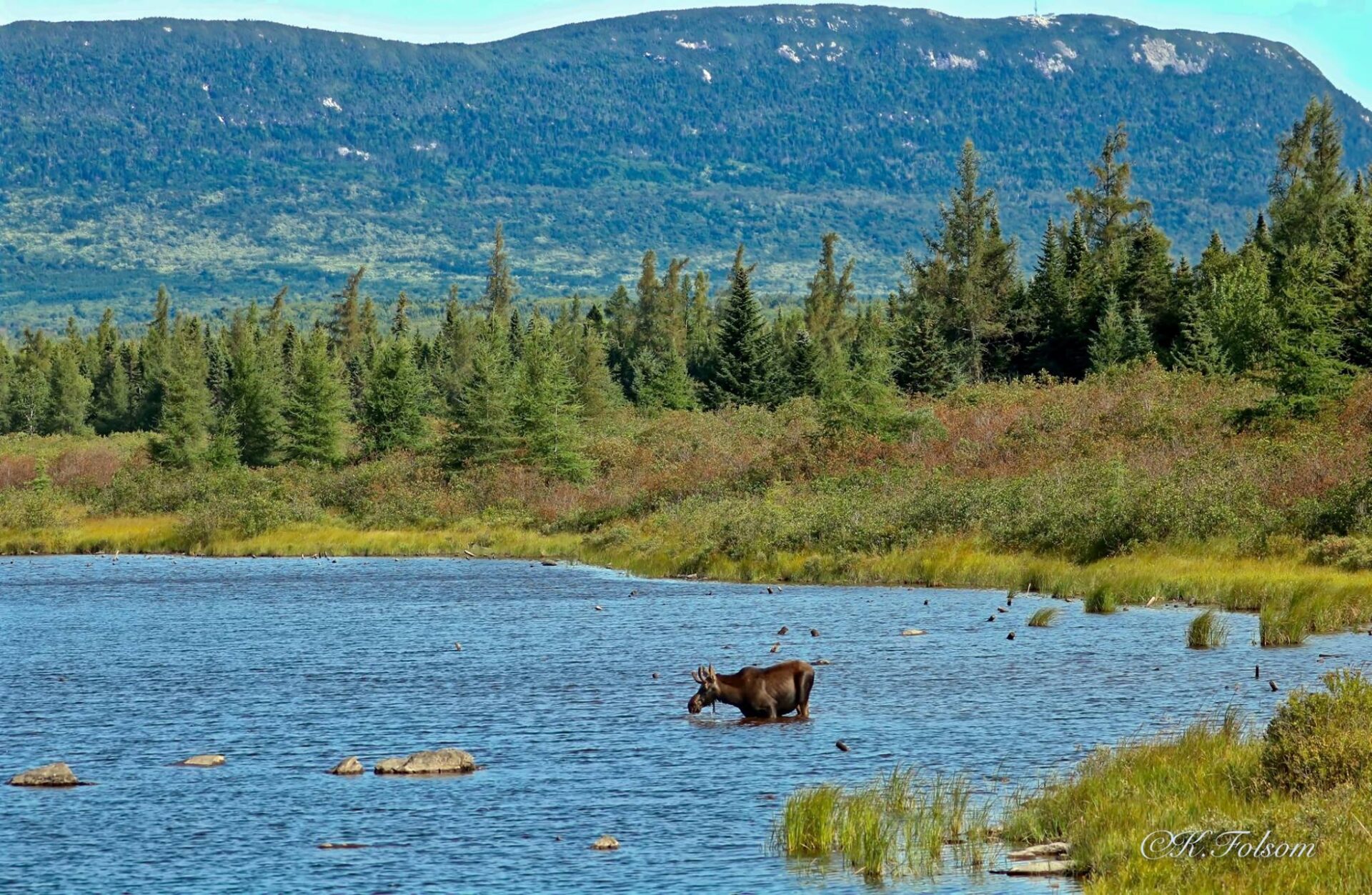
The ecological richness of the Moosehead Lake region is remarkable. The dense forests provide habitat for a diverse array of wildlife. Moose, the lake’s namesake, are frequently sighted here, their regal presence a hallmark of the area. Other mammals include black bears, white-tailed deer, coyotes, foxes, and numerous smaller creatures like beavers and muskrats.
The birdlife is equally impressive, with bald eagles and ospreys soaring overhead, particularly along the lake’s waterways. The forests are home to various songbirds, woodpeckers, and owls, while waterfowl are abundant on the lake and its tributaries. The waters themselves teem with fish, including landlocked salmon, brook trout, lake trout, and various species of perch and bass, making Moosehead Lake a renowned destination for anglers.
The Significance of the North Woods
The “North Woods” is a term that evokes images of vast, wild forests, pristine lakes, and a slower pace of life. Moosehead Lake is situated at the very heart of this iconic region. The area’s economy and culture have long been shaped by its natural resources, from logging and fishing to tourism. Preserving this wilderness character is a key concern for local communities and environmental organizations alike. The continued existence of such large, intact forest ecosystems is crucial for biodiversity, carbon sequestration, and the overall health of the planet.
Recreational Opportunities Abound
The defining characteristic of Moosehead Lake as a travel destination is the sheer abundance of outdoor recreational activities it offers. Its vast size and the surrounding natural landscape provide an ideal setting for a wide range of pursuits, catering to adventurers, families, and those simply seeking to connect with nature.
Summer Activities
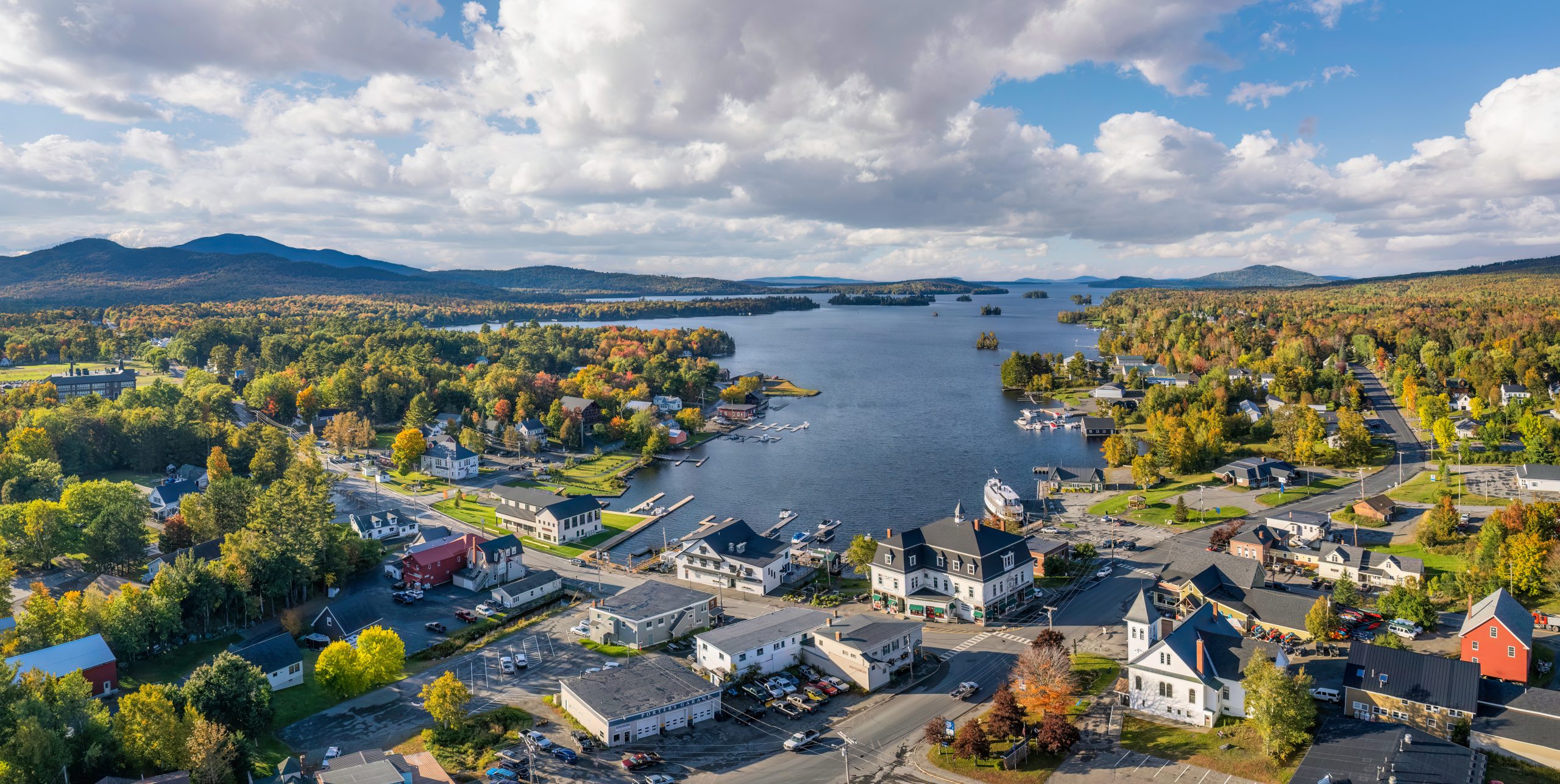
During the warmer months, Moosehead Lake transforms into a hub for water-based activities. Boating, canoeing, and kayaking are incredibly popular, allowing visitors to explore the lake’s many islands and secluded coves. The calm waters are perfect for leisurely cruises, while the lake’s size also attracts sailors and those seeking more vigorous water sports.
Fishing is a major draw, with anglers casting lines for native species that thrive in the cold, clear waters. Guided fishing trips are widely available, offering local expertise to help visitors find the best spots and learn effective techniques.
Hiking trails abound in the surrounding areas, offering varying levels of difficulty and breathtaking views. Trails like the one up Mount Katahdin (accessible from Baxter State Park, a significant driving distance but a common extension for visitors to the region) or the more local trails around Lily Bay State Park provide opportunities to experience the beauty of the Maine woods on foot.
Scenic drives offer a relaxed way to appreciate the landscape, with numerous pull-offs providing opportunities for photography and wildlife viewing. The Moosehead Marine Railway, a historic excursion train, offers a unique perspective on the lake and its surroundings, often departing from Greenville.
Winter Wonderland
As winter descends, Moosehead Lake transforms into a different, yet equally captivating, destination. The frozen surface of the lake becomes a vast expanse for ice fishing, snowmobiling, and cross-country skiing. Snowmobile trails crisscross the region, connecting communities and offering miles of groomed pathways through the snow-covered forests.
Ice fishing is a cherished local tradition, with anglers drilling holes in the ice to catch lake trout and salmon. For the more adventurous, dog sledding tours provide a thrilling way to experience the frozen landscape, mirroring the historical modes of transportation in the north woods.
Snowshoeing offers a quieter, more intimate way to explore the winter scenery, with trails leading through snow-laden trees and along frozen shorelines. The crisp, clean air and the quiet solitude of a snow-covered forest are an experience unto themselves.
Wildlife Viewing and Photography
Moosehead Lake is a prime location for wildlife enthusiasts and photographers. The abundance of moose, deer, and various bird species provides ample opportunities for observing and capturing nature’s wonders. Guided wildlife tours are often available, increasing the chances of encountering these elusive creatures in their natural habitat. Dawn and dusk are particularly magical times for photography, as the soft light illuminates the landscape and the wildlife becomes more active. The reflection of the surrounding mountains and forests on the still surface of the lake during these hours is a photographer’s dream.
Planning Your Visit to Moosehead Lake
A journey to Moosehead Lake is an investment in an experience that resonates long after one departs. Careful planning ensures that visitors can fully embrace the natural splendor and recreational opportunities that this magnificent destination offers.
When to Visit
Each season offers a distinct character to Moosehead Lake. Summer (June-August) provides the warmest weather and the full spectrum of water activities, though it is also the busiest time. Autumn (September-October) is spectacular, with vibrant fall foliage painting the forests in hues of red, orange, and yellow, accompanied by cooler temperatures and fewer crowds. Winter (December-March) is for the hardy adventurer, offering a pristine snowy landscape and unique winter sports. Spring (April-May) is a transitional period, with melting snow, the awakening of nature, and fewer visitors, offering a more serene experience.
Accommodation Options
While Moosehead Lake is primarily known for its natural attractions, there are several lodging options available, ranging from rustic cabins to more developed lodges and inns. Many of these are clustered in towns like Greenville and Rockwood. Options include:
- Cabins and Cottages: Numerous rentals offer a cozy and private way to experience the lakefront.
- Inns and Motels: Basic to comfortable accommodations are available in the gateway towns.
- Lodges and Resorts: For a more upscale experience, some lodges offer amenities and guided activities. Consider places like the Squaw Mountain Inn for its views and historic charm, or smaller, locally-owned establishments that provide a more intimate connection with the area.
Essential Tips for Travelers
- Embrace the Outdoors: The true essence of Moosehead Lake lies in its natural environment. Be prepared for outdoor activities by packing appropriate clothing and gear for the season.
- Respect Wildlife: Maintain a safe distance from all wild animals, especially moose. Never feed them.
- Leave No Trace: Practice responsible outdoor ethics by packing out all trash, staying on marked trails, and minimizing your impact on the environment.
- Connectivity: Cell service can be spotty in more remote areas around the lake. Inform someone of your plans if you are venturing off the beaten path.
- Local Culture: Engage with the local communities. The people of the Moosehead Lake region often have deep roots and a wealth of knowledge about the area’s history and natural wonders. Consider visiting local museums or historical societies to learn more about the logging and tourism heritage.
Moosehead Lake is more than just a dot on the map; it is a profound encounter with the wild heart of New England. It is a place where the grandeur of nature is on full display, offering a sanctuary for wildlife, a playground for adventurers, and a source of inspiration for all who seek the profound beauty of the North Woods.
LifeOutOfTheBox is a participant in the Amazon Services LLC Associates Program, an affiliate advertising program designed to provide a means for sites to earn advertising fees by advertising and linking to Amazon.com. Amazon, the Amazon logo, AmazonSupply, and the AmazonSupply logo are trademarks of Amazon.com, Inc. or its affiliates. As an Amazon Associate we earn affiliate commissions from qualifying purchases.