
The crisp desert air, the dazzling lights of the Las Vegas Strip, the majestic red rocks of Red Rock Canyon – these are the images that often come to mind when thinking of Nevada. But beneath the surface of this iconic American state lies a dynamic environment, and for many travelers and residents, a crucial question arises: how strict are Nevada’s smog regulations? Understanding this not only impacts the air we breathe but also influences how we plan our visits and engage with the local environment.
Nevada’s air quality is a complex interplay of natural factors and human activity. The vast desert landscapes, while beautiful, can contribute to particulate matter through dust storms, especially during certain seasons. Add to this the significant urban centers, primarily Las Vegas and Reno, with their traffic, industrial emissions, and large tourist populations, and the need for robust environmental oversight becomes apparent. The state, like all others in the United States, operates under the purview of the federal Clean Air Act, which sets national ambient air quality standards. However, the implementation and stringency of these regulations are largely managed at the state and local levels, leading to variations in how strictly smog is controlled across different regions of Nevada.

Understanding Air Quality in Nevada
The primary pollutants of concern in Nevada mirror those found in many other industrialized and populated areas. These include ground-level ozone (O3), particulate matter (PM2.5 and PM10), carbon monoxide (CO), sulfur dioxide (SO2), and nitrogen dioxide (NO2). The sources of these pollutants are varied, ranging from vehicle exhaust and industrial processes to natural events like dust storms and wildfires.
Key Pollutants and Their Sources
- Ground-Level Ozone (O3): Often referred to as “smog,” this pollutant forms when volatile organic compounds (VOCs) and nitrogen oxides (NOx) react in the presence of sunlight. In Nevada, vehicles are a major contributor to VOCs and NOx, particularly in the congested areas around Las Vegas. High temperatures and abundant sunshine, common in the Nevada desert, create ideal conditions for ozone formation, making it a significant concern during the summer months.
- Particulate Matter (PM): These are tiny solid or liquid particles suspended in the air. PM2.5 refers to particles smaller than 2.5 micrometers, and PM10 to particles smaller than 10 micrometers. Sources include dust from unpaved roads and construction sites, vehicle exhaust, industrial emissions, and smoke from wildfires, which have become increasingly prevalent in the western United States. The desert environment of Nevada is naturally prone to dust, but human activities can exacerbate this.
- Carbon Monoxide (CO): A colorless, odorless gas produced by the incomplete combustion of carbon-containing fuels. Vehicle emissions are the primary source, and CO levels tend to be higher in areas with heavy traffic congestion.
- Nitrogen Dioxide (NO2): A reddish-brown gas formed when fuel is burned at high temperatures. Vehicle exhaust and industrial facilities are major contributors.
- Sulfur Dioxide (SO2): Primarily emitted from the burning of fossil fuels containing sulfur, such as coal and oil, and from industrial processes. While less of a concern in Nevada compared to some other states, it can still be a factor.
Natural Influences on Air Quality
Nevada’s unique geography plays a significant role in its air quality. The state is characterized by arid and semi-arid desert environments, with vast open spaces and mountain ranges.
- Dust Storms (Dust Devils and Haboobs): The dry climate and sandy soil make Nevada susceptible to dust storms. Dust devils are small, rotating columns of air that pick up dust, while haboobs are larger, more powerful dust storms, often associated with thunderstorms. These events can dramatically increase particulate matter levels, temporarily impacting air quality across wide areas.
- Wildfires: Wildfire smoke, originating from California, Oregon, and other neighboring states, can frequently drift into Nevada, significantly degrading air quality, particularly in the northern parts of the state. These smoke events can last for days, affecting visibility and posing health risks.
- Topography and Meteorology: Nevada’s valleys and basins can sometimes trap pollutants, especially during temperature inversions, when a layer of warm air sits above cooler air, preventing the dispersal of contaminants. Prevailing wind patterns also influence how pollutants are transported into, out of, and within the state.
Regulatory Framework and Enforcement
The Nevada Division of Environmental Protection (NDEP) is the primary state agency responsible for protecting air quality. The NDEP works in conjunction with the U.S. Environmental Protection Agency (EPA) to develop and implement air quality regulations.
State-Level Regulations
Nevada has established its own ambient air quality standards and regulations that align with, and in some cases can be more stringent than, federal requirements. These regulations cover a range of sources, including:
- Mobile Sources: Vehicle emissions testing programs are in place in specific counties, primarily in the Las Vegas metropolitan area (Clark County) and the Reno metropolitan area (Washoe County). These programs aim to ensure that vehicles meet emission control standards.
- Stationary Sources: Industrial facilities, power plants, and other large emission sources are required to obtain permits that specify emission limits and operational requirements. These permits are subject to regular review and renewal.
- Fugitive Dust Control: Regulations are in place to control dust from construction sites, unpaved roads, and mining operations, particularly in areas prone to dust generation. This often involves requirements for watering roads, covering stockpiles, and other dust suppression measures.
- Ozone Precursor Controls: Measures are implemented to reduce emissions of VOCs and NOx, which are precursors to ozone formation. This can include regulations on fuel volatility, industrial emissions, and architectural coatings.
Enforcement and Compliance
The NDEP employs a variety of methods to ensure compliance with air quality regulations. This includes:
- Monitoring: A network of air quality monitoring stations is operated across the state to continuously measure pollutant levels. These stations provide real-time data that is publicly accessible.
- Inspections: NDEP inspectors conduct site visits to permitted facilities to verify compliance with permit conditions and regulations.
- Enforcement Actions: When violations are identified, the NDEP can take a range of enforcement actions, from issuing notices of violation to imposing fines and penalties. In more severe cases, legal action may be pursued.
- Public Awareness and Education: The NDEP also engages in public outreach to educate citizens about air quality issues and encourage voluntary actions to reduce pollution.
Nevada’s Air Quality Designations
Under the Clean Air Act, the EPA designates areas as “attainment,” “nonattainment,” or “unclassifiable” for each of the national ambient air quality standards. Areas that are not meeting the standards are classified as nonattainment and are required to develop State Implementation Plans (SIPs) to demonstrate how they will achieve compliance.
Historically, Clark County has faced challenges with ozone and particulate matter, leading to nonattainment designations for certain pollutants. This has necessitated the implementation of stricter controls, particularly on mobile sources and industrial emissions. While Reno and other parts of the state may have better air quality in general, they are still subject to regulations and monitoring. The NDEP actively works to reclassify nonattainment areas to attainment as air quality improves, which is a testament to the effectiveness of implemented control measures.
Smog Hotspots and Travel Considerations
While Nevada offers pristine natural beauty, certain areas are more susceptible to elevated levels of smog and other air pollutants. Understanding these “hotspots” can be beneficial for travelers and outdoor enthusiasts.
Las Vegas Metropolitan Area
The Las Vegas valley, due to its high population density, significant vehicle traffic, and desert climate, is the most likely area in Nevada to experience elevated levels of smog, particularly ground-level ozone during the hot summer months. The combination of intense sunlight, heat, and emissions from vehicles and other sources creates a potent recipe for ozone formation.
- Vehicle Emissions: The sheer volume of vehicles, including tourist rentals and local traffic, contributes substantially to the problem. Las Vegas has implemented a vehicle emissions testing program for registered vehicles in Clark County to help mitigate this.
- Industrial and Commercial Activity: While not heavily industrialized, the extensive construction and commercial activities in the valley can also contribute to particulate matter and other emissions.
- Traveler Impact: Visitors to Las Vegas may notice hazy skies on certain days, particularly during peak summer heat. Individuals with respiratory sensitivities, such as asthma, may want to check daily air quality reports, available through the NDEP or various online platforms, and limit strenuous outdoor activities on days with high ozone levels.
Reno and Northern Nevada
Reno and northern Nevada generally experience better air quality than the Las Vegas valley. However, they are not immune to air quality issues, especially those related to wildfire smoke.
- Wildfire Smoke: As mentioned, smoke from wildfires in western North America can significantly impact air quality in Reno and surrounding areas. Visibility can be reduced to mere miles, and fine particulate matter levels can spike, posing health risks. Travelers planning trips to areas like Lake Tahoe during fire season should monitor air quality forecasts closely.
- Urban Emissions: Like any urban center, Reno has vehicle emissions and some industrial activity that contribute to local air pollution, though generally at lower levels than in the Las Vegas metropolitan area.
Outdoor Recreation Areas
While popular tourist destinations like Red Rock Canyon National Conservation Area and Lake Tahoe are renowned for their natural beauty, they can still be affected by regional air pollution.
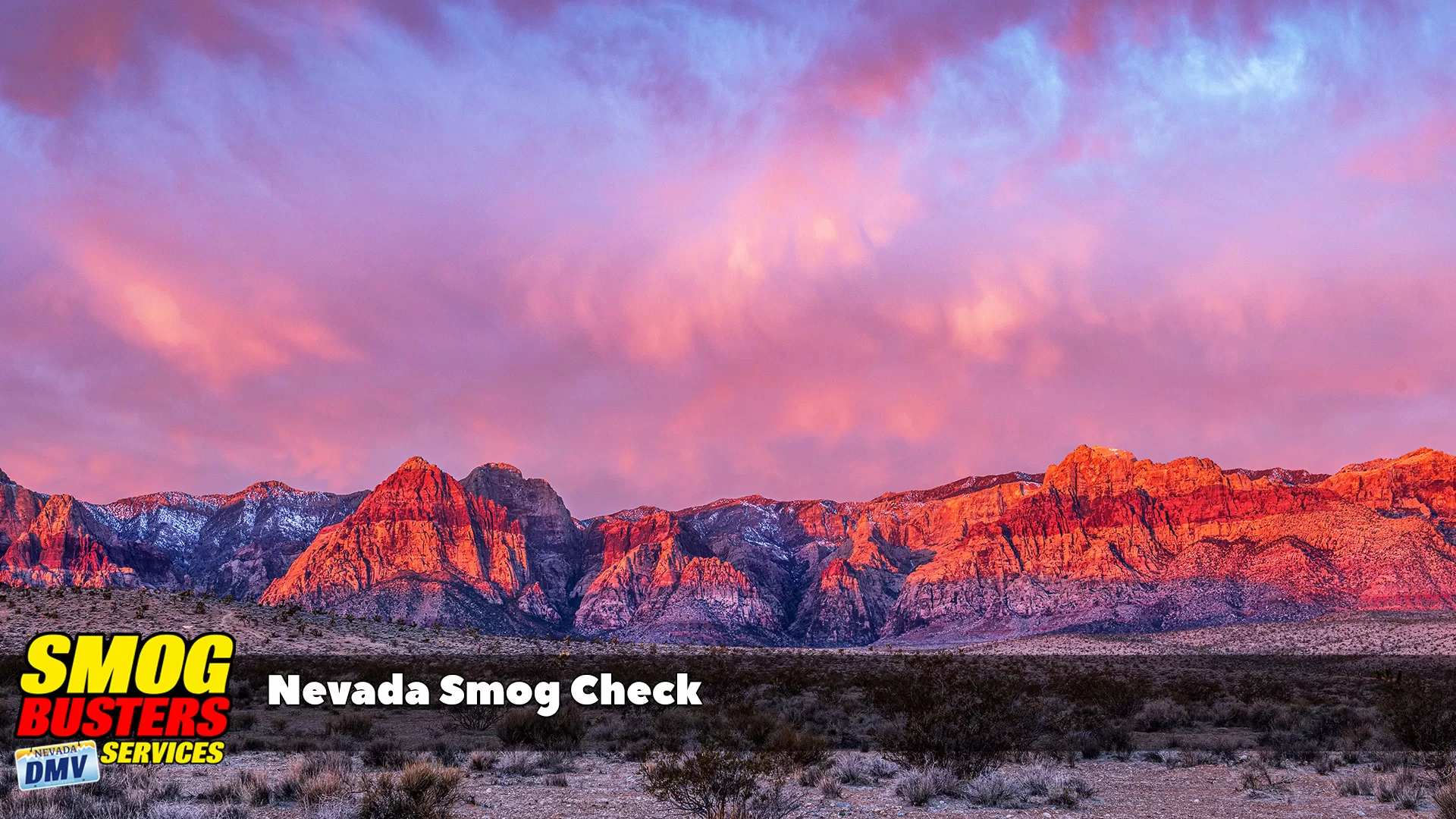
- Red Rock Canyon: Located west of Las Vegas, Red Rock Canyon is susceptible to the same ozone pollution that affects the valley. During hot summer days, smog can sometimes be observed hanging over the distant city from the higher elevations of the canyon. Dust from unpaved roads within the conservation area can also contribute to particulate matter.
- Lake Tahoe: The basin’s unique topography can sometimes trap pollutants, and wildfire smoke is a recurring issue during the summer and fall. Efforts are ongoing to improve air quality around the lake, focusing on vehicle emissions and wood-burning stoves.
The Future of Air Quality in Nevada
The commitment to maintaining and improving air quality in Nevada is an ongoing endeavor, driven by both regulatory requirements and a growing awareness of the importance of environmental health.
Technological Advancements and Policy Initiatives
Nevada is increasingly embracing technological advancements and forward-thinking policies to tackle air pollution:
- Transition to Cleaner Energy: The state is making strides in renewable energy, with significant investments in solar power. A transition away from fossil fuels for electricity generation will have a substantial positive impact on air quality.
- Electric Vehicle (EV) Adoption: Nevada has been working to promote the adoption of electric vehicles through incentives and charging infrastructure development. As more EVs hit the road, tailpipe emissions in urban areas will decrease.
- Improved Monitoring and Modeling: Advances in air quality monitoring technology and sophisticated atmospheric modeling allow for a more precise understanding of pollution sources and their impacts, enabling targeted interventions.
- Regional Cooperation: Air pollution does not respect state borders. Nevada actively participates in regional initiatives with neighboring states like California and Arizona to address transboundary pollution, such as ozone transport and wildfire smoke.
The Role of the Traveler and Resident
Both visitors and residents play a role in preserving Nevada’s air quality:
- Conscious Travel Choices: Opting for fuel-efficient or electric rental vehicles, carpooling, and utilizing public transportation where available can reduce individual carbon footprints.
- Reducing Personal Emissions: In residential areas, minimizing unnecessary driving, properly maintaining vehicles, and avoiding the use of gas-powered lawn equipment can make a difference.
- Awareness and Advocacy: Staying informed about local air quality reports and supporting policies that promote clean air are crucial for long-term environmental health.
In conclusion, while Nevada faces environmental challenges inherent to its climate and development, the state has a robust regulatory framework and is actively pursuing strategies to mitigate smog and protect air quality. Travelers can enjoy the diverse landscapes and vibrant cities with a mindful approach, understanding that a commitment to cleaner air is an integral part of preserving the unique beauty and health of the Silver State.
LifeOutOfTheBox is a participant in the Amazon Services LLC Associates Program, an affiliate advertising program designed to provide a means for sites to earn advertising fees by advertising and linking to Amazon.com. Amazon, the Amazon logo, AmazonSupply, and the AmazonSupply logo are trademarks of Amazon.com, Inc. or its affiliates. As an Amazon Associate we earn affiliate commissions from qualifying purchases.