
Nevada, a state synonymous with glittering casinos, vast desert landscapes, and a unique brand of entertainment, often evokes images of glitz and glamour. For many, it’s a destination for a memorable vacation, a place to try their luck at the tables, or an awe-inspiring natural escape. However, beyond the captivating allure of its tourist attractions and vibrant cities, prospective visitors and even those considering a longer stay might wonder about the financial implications of their time spent in the Silver State. A common question that arises, particularly when contemplating a move or extended visit, is regarding the presence of income tax. Understanding Nevada’s tax structure is crucial for anyone planning a trip, a business venture, or a lifestyle change within its borders.

Nevada’s Tax Landscape: A Unique Proposition
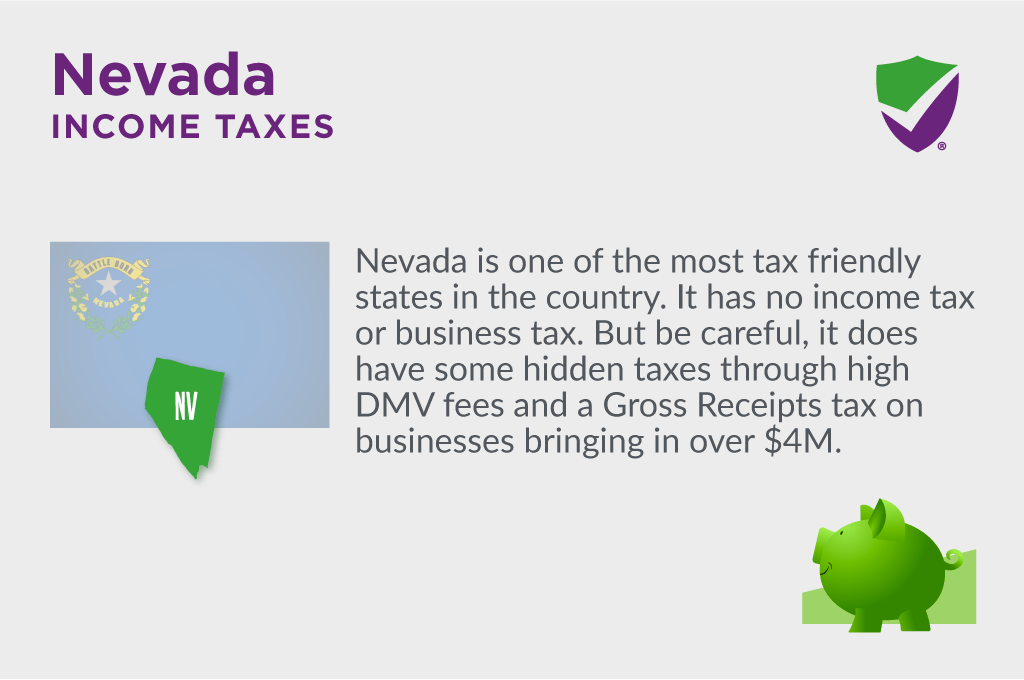
Nevada stands apart from many other U.S. states due to its distinctive approach to taxation. At the forefront of this distinction is the notable absence of a state income tax. This policy has been a cornerstone of Nevada’s economic strategy for decades, aiming to attract businesses and individuals by offering a favorable financial environment.
No State Income Tax: A Defining Feature
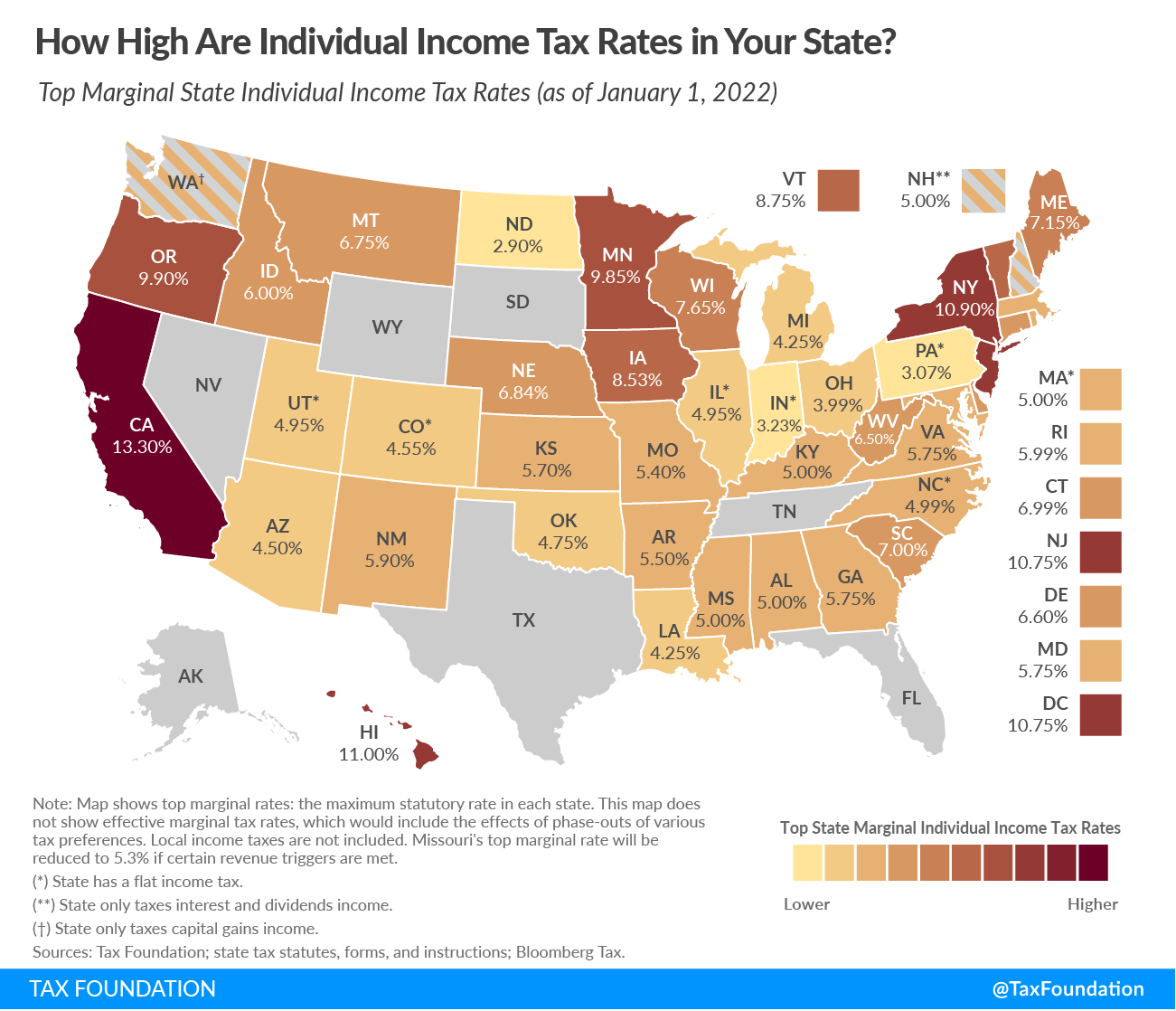
The most significant aspect of Nevada’s tax system, and one that heavily influences its appeal to tourists and potential residents alike, is the complete lack of a state income tax. This means that individuals earning wages or profits within Nevada are not subject to state-level income tax deductions from their earnings. This contrasts sharply with states like California or New York, where state income tax can represent a substantial portion of an individual’s financial obligations.
This absence of income tax is often cited as a primary reason for the state’s robust population growth and economic diversification. For those who travel to Nevada for leisure, it means their disposable income isn’t further diminished by state income levies on any potential earnings from short-term work or freelance opportunities while visiting. For businesses operating within the state, this translates to a more attractive operational cost structure, which can, in turn, contribute to lower prices for goods and services, potentially benefiting tourists as well.
The Foundation of State Revenue
While Nevada foregoes income tax, it doesn’t mean the state operates without significant revenue streams. Instead, it relies heavily on other forms of taxation to fund public services, infrastructure, and state operations. This shift in focus has led to a robust sales tax system and a substantial reliance on taxes generated from the state’s thriving tourism and gaming industries.
Sales Tax: A Broad-Based Levy
Nevada levies a state sales tax, which is then augmented by local (county) sales taxes, resulting in a combined rate that varies across different regions. Cities like Las Vegas and Reno have specific combined rates. This tax applies to the purchase of tangible goods and certain services. For tourists, this means that the cost of souvenirs, dining out, and many retail purchases will include this tax. While it doesn’t directly impact income, it is a direct cost incurred during a visit.
The rationale behind this system is that tourists, who are significant consumers of goods and services, contribute directly to the state’s revenue through their spending. This aligns with the idea of making the state attractive for earning income while ensuring that those who benefit from the state’s amenities also contribute to its upkeep.
Gaming and Tourism Taxes: The Economic Engine
The cornerstone of Nevada’s tax revenue is derived from its world-renowned gaming and tourism sectors. Taxes on casino winnings, hotel stays, and various entertainment activities form a substantial portion of the state’s budget. This model creates a symbiotic relationship: the state encourages and supports these industries through its tax policies, and in return, these industries generate the revenue needed to fund public services.
For travelers, this means that while they don’t pay income tax, the costs associated with gambling, entertainment, and accommodation often include taxes that support the state. This is a common characteristic of tourist-dependent economies, where a significant portion of the tax burden is borne by those who visit and partake in the state’s offerings.
Implications for Travelers and Visitors
The absence of state income tax in Nevada carries several implications for those planning a visit, whether for a short holiday or a longer-term stay.
Enhanced Disposable Income for Tourists
For individuals visiting Nevada for leisure, the lack of state income tax means their entire income, if they are employed elsewhere, remains theirs to spend. This can lead to a greater sense of financial freedom during their vacation. They can allocate more of their budget towards experiences, dining, shopping, or extending their stay, without the concern of state income tax deductions on any money they bring in from outside Nevada.
Business Travel and Short-Term Engagements
For those traveling to Nevada for business purposes, such as attending conferences in Las Vegas or engaging in temporary work projects, the tax implications are also favorable. Income earned from such activities within Nevada is not subject to state income tax. This can make Nevada an attractive location for companies to hold events or for individuals to undertake short-term assignments.
The Allure for Remote Workers and Digital Nomads
The progressive tax policies in Nevada, particularly the absence of income tax, have increasingly attracted remote workers and digital nomads. Many individuals who can work from anywhere are choosing to establish residency or spend extended periods in Nevada, drawn by the prospect of keeping their entire income. This trend can influence the availability of accommodations and the overall atmosphere of certain areas.
Beyond Income Tax: Other Financial Considerations
While income tax is a significant financial consideration, it’s essential for travelers and potential residents to be aware of other taxes and fees that contribute to the cost of living and visiting Nevada.
Property Taxes
Nevada does have property taxes, which are levied at the county and local levels. These taxes are crucial for funding local services such as schools, police, and fire departments. For those considering a longer stay or purchasing property, understanding the local property tax rates is essential.
Business Taxes and Fees
Businesses operating in Nevada are subject to various taxes and fees, including corporate income tax (though this is distinct from personal income tax), business license fees, and other regulatory charges. While these do not directly impact an individual tourist’s income, they can influence the pricing of goods and services offered within the state.
Tax on Specific Industries
As mentioned, industries like gaming and lodging are subject to specific taxes. For instance, hotel occupancy taxes are levied on short-term stays, contributing to local tourism initiatives and infrastructure. These are direct costs incurred by visitors staying in hotels like the Bellagio or the Wynn Las Vegas.
Nevada’s Tax Policy in Context
Nevada’s decision to forgo state income tax is a deliberate policy choice that has shaped its economic development and its appeal as a tourist destination. The state’s reliance on sales, gaming, and tourism taxes creates a revenue model that is intrinsically linked to its most prominent industries.
For travelers, this means that while they can enjoy the fruits of their labor without state income tax deductions, they will contribute to the state’s revenue through their consumption and participation in the entertainment and hospitality sectors. This understanding allows for a more informed appreciation of the financial dynamics at play in the Silver State, whether one is merely passing through or considering a more permanent presence. The economic landscape of Nevada, sculpted by its unique tax policies, is a fascinating study in how states can leverage specific industries to fund their operations and attract a diverse population.
LifeOutOfTheBox is a participant in the Amazon Services LLC Associates Program, an affiliate advertising program designed to provide a means for sites to earn advertising fees by advertising and linking to Amazon.com. Amazon, the Amazon logo, AmazonSupply, and the AmazonSupply logo are trademarks of Amazon.com, Inc. or its affiliates. As an Amazon Associate we earn affiliate commissions from qualifying purchases.