
Nevada’s electoral process, particularly the tabulation of mail-in ballots, has become a focal point of national attention in recent election cycles. Understanding the timeline and procedures involved in counting these ballots is crucial for voters and observers alike. This article delves into the mechanics of Nevada’s ballot counting process, exploring the legal framework, logistical considerations, and the factors that influence when votes are tallied.
Understanding Nevada’s Election Laws and Ballot Counting
Nevada has a robust legal framework governing election administration, including specific provisions for processing and counting mail-in ballots. The state has embraced mail-in voting, making it an accessible option for a significant portion of its electorate. This accessibility, however, necessitates a well-defined and transparent counting process to ensure the integrity of the election results.

The Role of Absentee and Mail-In Ballots
In Nevada, voters have several options for casting their ballots, with mail-in voting being a prominent one. The state has enacted laws that allow for no-excuse absentee voting, meaning any registered voter can request an absentee ballot without needing to provide a specific reason. These ballots are then mailed to voters, who can return them via mail or drop-off locations.
Once received by election officials, these ballots undergo a verification process. This typically involves signature verification, where the signature on the ballot envelope is compared to the voter’s signature on file with the Secretary of State. This step is a critical safeguard against voter fraud.
Legal Timelines for Ballot Reception and Processing
Nevada law specifies deadlines for when mail-in ballots must be received by election officials to be considered valid. For general elections, these deadlines are often set a few days after Election Day, allowing for ballots mailed on time but arriving slightly late to be included. This extension is a key feature of Nevada’s mail-in voting system, designed to maximize voter participation.
Beyond the reception deadline, election officials have established procedures for the processing and tabulation of these ballots. This processing can begin before Election Day, allowing election workers to prepare ballots for scanning and counting. However, the official tabulation and reporting of results typically commence on Election Day.
Signature Verification Procedures
The signature verification process is a cornerstone of ensuring the legitimacy of mail-in ballots. Election workers, often trained bipartisan teams, carefully examine each signature. If a discrepancy is found, the voter is usually given an opportunity to “cure” the ballot, meaning they can provide documentation to confirm their identity and the authenticity of their signature. This cure period also extends beyond Election Day, providing an additional layer of assurance for voters.
Ballot Seeding and Early Processing
To expedite the counting process, Nevada election officials are permitted to begin certain pre-election tasks for mail-in ballots. This can include opening the outer envelopes, verifying signatures, and preparing the ballots for scanning. This “seeding” process allows for a more efficient tally once polls close on Election Day. However, the actual tabulation and public release of results are strictly regulated and generally do not occur until after the polls have officially shut.
The Election Day and Post-Election Counting Process
Election Day in Nevada is a culmination of weeks of preparation, and the counting of ballots, particularly mail-in ballots, is a meticulously orchestrated operation. The procedures ensure that every valid vote is accounted for in a timely and accurate manner.
Tabulation on Election Day
Once the polls close at 7 p.m. Pacific Time on Election Day, the official tabulation of mail-in ballots commences. This involves feeding the prepared ballots into high-speed scanners that read and record the votes. These scanners are designed to be accurate and efficient, but the sheer volume of ballots can mean that the process extends beyond the immediate closing of the polls.
Election officials in Clark County and Washoe County, the state’s two most populous counties, often release initial results on Election Night, but these results typically include early in-person voting and a portion of the mail-in ballots that have been processed. The full picture of the vote count emerges over subsequent days.
Post-Election Tabulation and Certification
The days following Election Day are dedicated to completing the tabulation of all remaining mail-in ballots, including those received within the extended deadline and any ballots that required curing. This process is transparent, with observers from political parties and the public often permitted to witness the proceedings, subject to established rules.
The final results are not officially certified until all valid ballots have been counted and all discrepancies have been resolved. The certification process is overseen by county election officials and ultimately by the Nevada Secretary of State, who are responsible for declaring the final, official outcomes of the elections.
The Role of Voting Machines and Tabulation Centers
The tabulation of ballots in Nevada relies on sophisticated optical scanners and tabulation centers. These centers are secure facilities where election workers, under strict protocols, process and scan the ballots. The data from the scanners is then compiled into preliminary results.
The security of these tabulation centers and the data they hold is paramount. Robust cybersecurity measures are in place to prevent any unauthorized access or manipulation of the vote tallies. Audits and post-election reviews further bolster confidence in the accuracy of the reported results.

Reporting Preliminary vs. Final Results
It is important to distinguish between preliminary and final election results. Preliminary results, often released on Election Night, represent a snapshot of the votes counted up to that point. These numbers can and do change as more mail-in ballots are processed and tabulated in the days following the election.
Final results are only declared after the complete tabulation of all valid ballots and the official certification process by the Nevada Secretary of State. This meticulous approach ensures that every eligible vote is counted accurately and that the election outcome reflects the will of the voters.
Factors Influencing Ballot Counting Timelines
Several factors can influence how quickly mail-in ballots are counted and reported in Nevada. Understanding these elements provides a clearer picture of why vote counts may take time to finalize.
Ballot Volume and Turnout
A primary driver of the counting timeline is the sheer volume of mail-in ballots cast. In elections with high voter turnout, especially those where mail-in voting is heavily utilized, election officials face a significant task in processing and tabulating a large number of ballots. A higher volume naturally translates to a longer counting period.
Staffing and Resource Allocation
The efficiency of the ballot counting process is also dependent on the availability of trained election staff and adequate resources. Election offices in Nevada must recruit, train, and deploy a sufficient number of poll workers and ballot counters to handle the workload. Resource constraints, such as the number of available scanners or staffing levels, can impact the speed of tabulation.
Ballot Rejections and Curing Processes
As mentioned, signature verification and other checks can lead to ballots being initially flagged for potential issues. The subsequent “curing” process, where voters are given an opportunity to rectify these issues, adds time to the overall counting timeline. While essential for ensuring every valid vote is counted, these steps inherently extend the period before final results are available.
Unexpected Challenges and Audits
Occasionally, unforeseen challenges can arise, such as technical glitches with tabulation equipment or the need for manual audits or recounts in extremely close races. These situations, though rare, can further delay the finalization of election results. Nevada employs robust audit procedures to ensure accuracy, and these processes are factored into the overall timeline.
Legal Challenges and Recounts
In highly contested elections, legal challenges or the initiation of manual recounts can significantly extend the timeline for determining final results. These processes are governed by specific legal frameworks designed to ensure thoroughness and fairness, but they inevitably require additional time beyond the standard tabulation period.
Transparency and Public Trust in Nevada’s Vote Counting
Maintaining transparency throughout the ballot counting process is paramount to fostering public trust in Nevada’s electoral system. Election officials are committed to ensuring that the public can observe and understand the procedures in place.
Public Observation of Tabulation
Election officials in Nevada generally allow public observation of the ballot tabulation process. This includes allowing poll watchers appointed by political parties and, in many instances, members of the public to be present at tabulation centers. This direct observation helps to demystify the process and build confidence in its integrity.
Accessibility of Information
Information regarding election timelines, ballot counting procedures, and preliminary results is made available to the public through official election websites and press briefings. This commitment to open communication ensures that voters and stakeholders are kept informed throughout the election cycle.
Post-Election Audits and Security Measures
Nevada utilizes post-election audits to verify the accuracy of the vote count. These audits, often conducted on a sample basis, involve a manual comparison of a subset of scanned ballots with the machine counts. Robust security measures are also implemented at every stage of the process, from ballot collection to tabulation and storage, to safeguard the integrity of the vote.
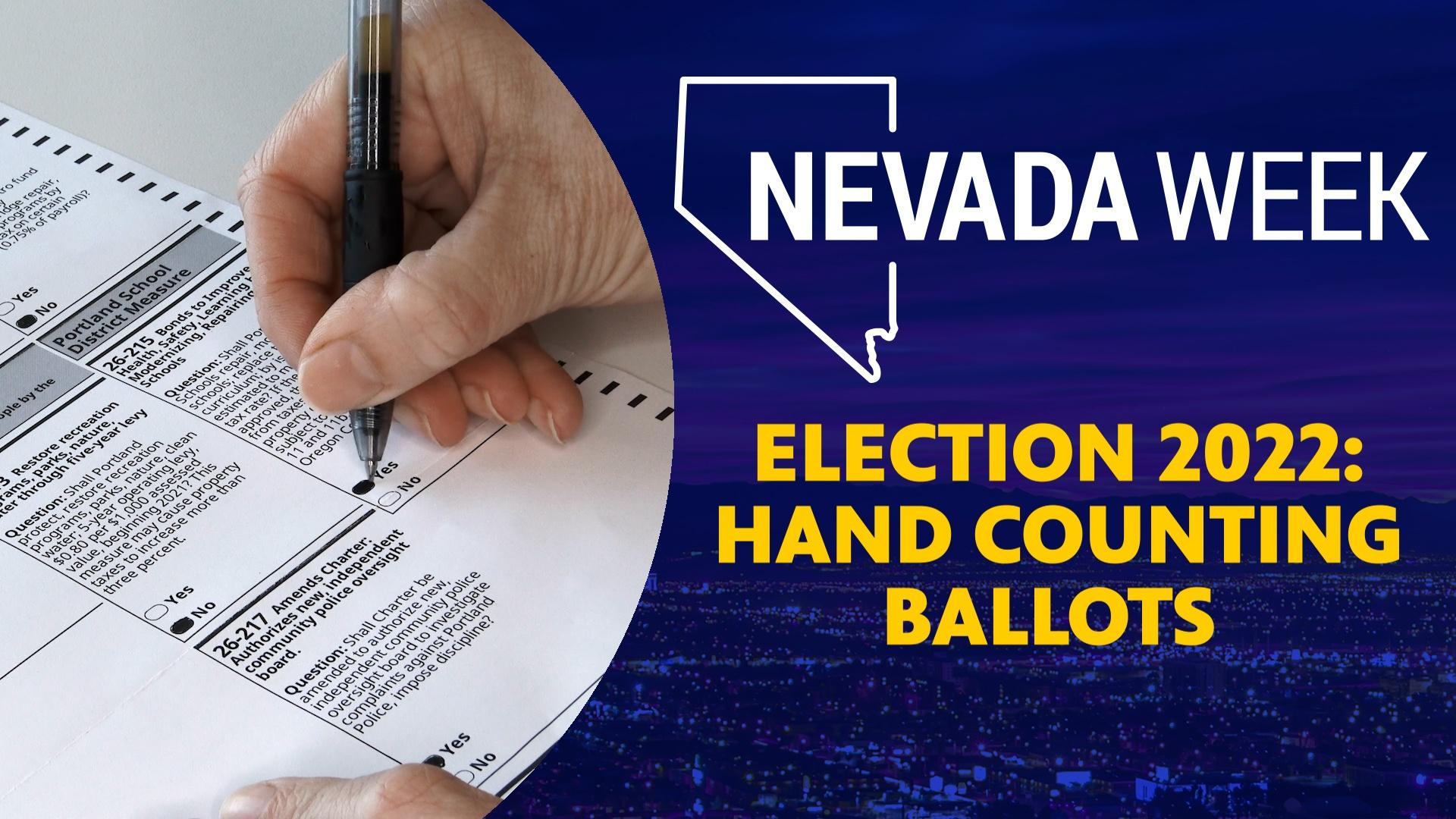
Conclusion: A Deliberate and Secure Process
The counting of mail-in ballots in Nevada is a deliberate, secure, and legally mandated process. While the exact timeline for when all ballots are counted can vary depending on the factors discussed above, the state’s election laws are designed to ensure accuracy, accessibility, and transparency. Voters can be assured that election officials are diligently working to tally every valid vote, upholding the democratic principles that underpin Nevada’s electoral system. The commitment to a thorough and verifiable counting process is a hallmark of Nevada’s approach to elections, ensuring that the voice of every voter is heard.
LifeOutOfTheBox is a participant in the Amazon Services LLC Associates Program, an affiliate advertising program designed to provide a means for sites to earn advertising fees by advertising and linking to Amazon.com. Amazon, the Amazon logo, AmazonSupply, and the AmazonSupply logo are trademarks of Amazon.com, Inc. or its affiliates. As an Amazon Associate we earn affiliate commissions from qualifying purchases.