
For families planning a coastal getaway to California, the allure of its marine life and recreational activities is undeniable. Among the unique experiences available, diving or hoop netting for the elusive California Spiny Lobster stands out as an exciting adventure. However, participating in such activities often comes with specific regulations, particularly concerning permits and licenses. A common question from enthusiastic parents and guardians is whether minors need a special “Lobster Card” to join in on the fun. Understanding the nuances of California’s fishing regulations is crucial for a legal, safe, and enjoyable experience for all ages.
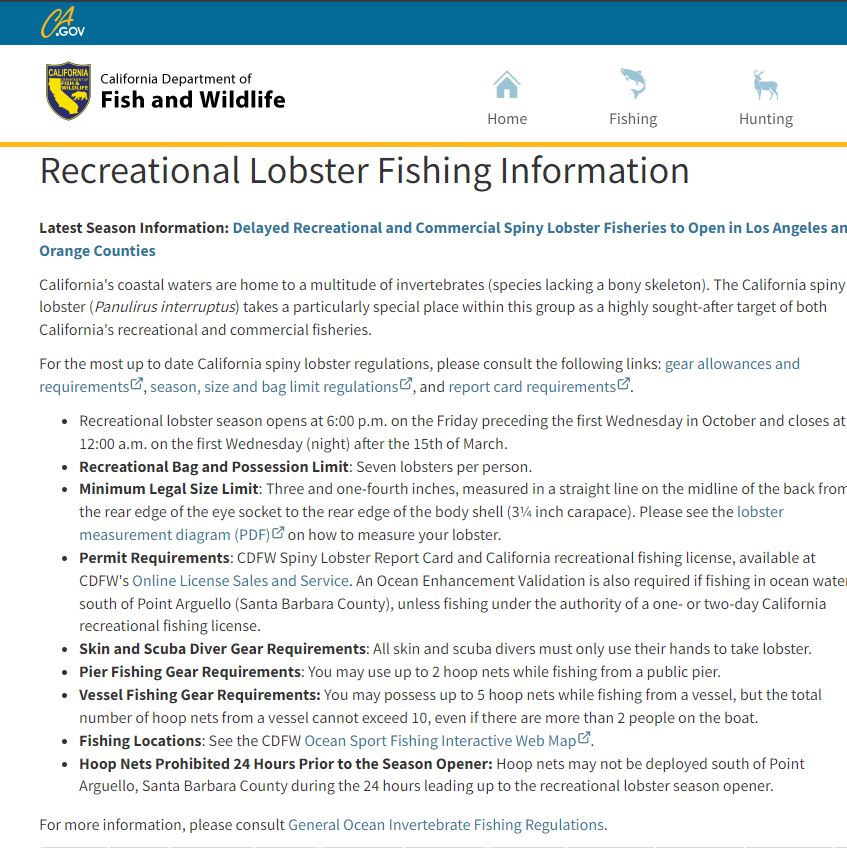
Navigating California’s Recreational Lobster Fishery Regulations
The recreational pursuit of California Spiny Lobster is a cherished tradition for many, drawing both seasoned enthusiasts and curious first-timers to the state’s vibrant Pacific Ocean waters. While the thrill of the catch is a significant draw, the California Department of Fish and Wildlife (CDFW) meticulously regulates this activity to ensure sustainability and conservation of the species. These regulations cover everything from season dates and bag limits to methods of take and, most importantly, licensing requirements. For tourists planning to engage in this activity, being well-informed is the first step towards a memorable and responsible adventure.
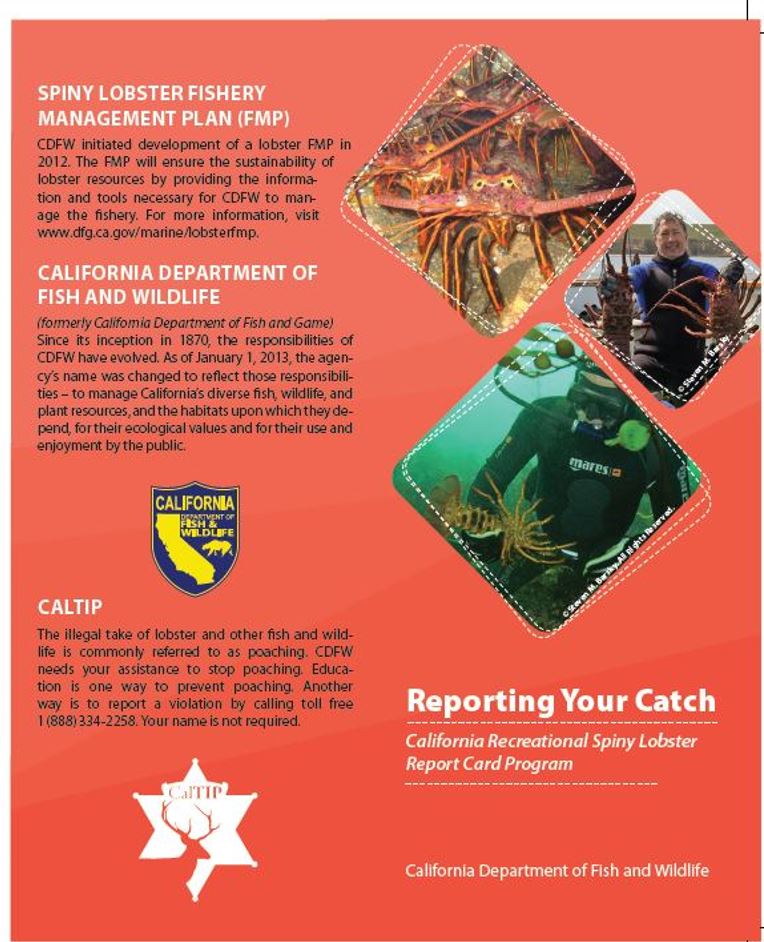
The primary document that often sparks confusion, referred to colloquially as a “Lobster Card,” is officially known as the Spiny Lobster Report Card. This card is distinct from a general recreational fishing license, though both may be required depending on the angler’s age. The purpose of the Spiny Lobster Report Card is critical for conservation efforts: it allows the CDFW to collect vital data on catch rates, fishing effort, and locations, which are essential for managing the California Spiny Lobster population sustainably. Each lobster caught must be immediately recorded on the card, and the card must be returned to the CDFW at the end of the season.
The Spiny Lobster Report Card: A Requirement for All Ages
Addressing the core question directly: yes, all individuals, regardless of age, including minors, who are taking or attempting to take California Spiny Lobster are required to possess a valid Spiny Lobster Report Card. This is a key distinction from the general recreational fishing license. While the general fishing license requirement typically kicks in at age 16, the report card obligation applies universally.
This means that if a family with children under 16 plans to go lobster hoop netting or diving, each child actively participating in the catch—whether by pulling up a hoop net or collecting a lobster while diving—must have their own Spiny Lobster Report Card. This ensures that every lobster harvested is accounted for, contributing to accurate data collection for management purposes. Failing to possess a report card when taking lobster can result in penalties, making it essential for tourists to understand and comply with this regulation.
General Recreational Fishing License for Minors
While the Spiny Lobster Report Card is mandatory for all ages participating in lobster take, the requirement for a general recreational fishing license differs based on age. In California:
- Individuals 16 years of age or older must possess a valid California recreational fishing license to take fish, mollusks, crustaceans, invertebrates, amphibians, or reptiles. This applies to lobster fishing as well.
- Minors under 16 years of age are generally exempt from needing a general recreational fishing license.
Therefore, a minor under 16 who wishes to catch California Spiny Lobster would not need a general fishing license but would absolutely need a Spiny Lobster Report Card. This nuanced regulation is often a point of confusion for visitors, highlighting the importance of thorough preparation before embarking on a lobster fishing excursion.
Planning a Family Lobster Adventure in California
Engaging in the California Spiny Lobster fishery as a family can be an incredibly enriching experience, combining elements of outdoor adventure, marine biology, and local culture. To ensure a smooth and enjoyable trip for everyone, especially for families with minors, careful planning is paramount. This involves not only understanding the regulations but also preparing for the practicalities of the activity and embracing responsible tourism practices.
Acquiring Necessary Permits and Gear
The first step for any family planning a lobster trip in California is to secure the necessary permits. Recreational fishing licenses and Spiny Lobster Report Cards can be purchased online through the CDFW’s licensing system or from authorized license agents, which include many bait and tackle shops, sporting goods stores, and even some dive shops across California. It’s advisable to purchase these well in advance of your trip to avoid last-minute hassles. Remember, each person taking lobster, regardless of age, needs a Spiny Lobster Report Card.
Beyond permits, having the right gear is crucial. Depending on your chosen method—hoop netting from a pier or boat, or diving (snorkeling or SCUBA)—your equipment needs will vary. Essential gear for hoop netting includes:
- Hoop nets (check local regulations for maximum number per person).
- Bait cages and suitable bait (sardines, mackerel, or commercial lobster bait work well).
- A measuring gauge to ensure all lobsters caught meet the minimum legal size.
- Gloves to protect hands from the lobster’s sharp spines.
- A cooler or bucket for keeping your catch fresh.
For diving, additional equipment such as wetsuits, masks, fins, snorkels, and possibly SCUBA gear (if certified) will be necessary. Always ensure all gear is in good condition and suitable for the marine environment.
Safety and Ethical Considerations
Safety should always be the top priority, especially when involving minors in ocean activities. When hoop netting from piers or jetties, be mindful of slippery surfaces and strong currents. If on a boat, ensure everyone wears appropriate life vests. For diving, never dive alone, and always adhere to safe diving practices. Given that lobster season often starts in cooler months, appropriate thermal protection is vital for divers.
Ethical considerations are also paramount for responsible tourism. This includes respecting catch limits, returning undersized lobsters immediately and gently to the water, and accurately filling out your Spiny Lobster Report Card. Education plays a key role here; teach minors about marine conservation, the importance of healthy ecosystems, and why regulations are in place. This instills a sense of responsibility and appreciation for California’s natural resources. Consider booking a guided tour with a reputable charter in areas like San Diego, Orange County, or Santa Barbara, especially if your family is new to lobster fishing. These charters often provide gear, guidance, and ensure compliance with regulations.
Beyond the Catch: Enjoying California’s Coastal Tourism
While the thrill of catching your own California Spiny Lobster is a highlight, a family trip centered around this activity can be part of a broader, richer coastal tourism experience in California. The state’s coastline offers a wealth of attractions, educational opportunities, and recreational pursuits that complement a lobster fishing adventure.
Marine Education and Conservation
Integrate marine education into your trip. Many coastal towns feature excellent aquariums and marine science centers that offer interactive exhibits on California’s marine life, including the spiny lobster. Institutions like the Aquarium of the Pacific in Long Beach or the Birch Aquarium in La Jolla provide invaluable insights into ocean ecosystems and conservation efforts. These visits can deepen a child’s understanding and appreciation for the very creatures they might be trying to catch, fostering a stronger connection to nature.
Consider participating in coastal clean-up events or learning about local conservation projects. Many regions, particularly in Southern California around cities like San Diego, Los Angeles, and Santa Barbara, have organizations dedicated to protecting marine habitats. This type of engagement transforms a simple fishing trip into a comprehensive lesson in environmental stewardship.
Exploring Coastal Towns and Culinary Delights
California’s coastal towns offer vibrant atmospheres, unique shops, and diverse culinary scenes. After a day on the water, explore the charming piers of Santa Monica or Huntington Beach, stroll through the artistic streets of Laguna Beach, or enjoy the maritime history of San Francisco (though lobster fishing is primarily a Southern California activity). Many restaurants along the coast specialize in fresh seafood, offering an opportunity to taste professionally prepared lobster if your own catch doesn’t quite meet the family’s demand, or simply to enjoy other local delicacies.
For those who succeed in catching lobster, preparing it together as a family can be the culmination of the adventure. There’s immense satisfaction in cooking and enjoying a meal that you’ve sourced yourself, creating lasting memories around the dinner table. This farm-to-table (or ocean-to-table) experience is a hallmark of authentic tourism.
Whale Watching and Island Excursions
Beyond lobster, the California coast is renowned for its whale watching opportunities, especially during migration seasons. Companies operating out of harbors in Dana Point, Newport Beach, and San Diego offer tours that provide breathtaking views of gray whales, blue whales, and dolphins. These excursions offer another fantastic way to connect with the marine environment without the need for fishing permits.
Additionally, consider a day trip or overnight stay to one of California’s stunning offshore islands, such as Catalina Island or the Channel Islands National Park. These islands offer unique ecosystems, opportunities for hiking, snorkeling, kayaking, and wildlife viewing, providing a diverse set of activities to complement your lobster-centric trip. Such excursions often highlight the natural beauty and biodiversity that California works so hard to preserve, making the regulatory aspects of lobster fishing seem a small but necessary part of a larger, awe-inspiring picture of responsible enjoyment.
In conclusion, for minors dreaming of catching a California Spiny Lobster, the answer to whether they need a “Lobster Card” is a resounding yes, in the form of a Spiny Lobster Report Card. While a general fishing license is only required for those 16 and older, the report card is universal. By understanding and adhering to these regulations, families can ensure a legal, safe, and truly unforgettable tourism experience along California’s magnificent coast.
LifeOutOfTheBox is a participant in the Amazon Services LLC Associates Program, an affiliate advertising program designed to provide a means for sites to earn advertising fees by advertising and linking to Amazon.com. Amazon, the Amazon logo, AmazonSupply, and the AmazonSupply logo are trademarks of Amazon.com, Inc. or its affiliates. As an Amazon Associate we earn affiliate commissions from qualifying purchases.