
The landscape of American democracy is constantly shaped by the individuals who step forward to represent their constituents. As the 2024 election cycle intensifies, Nevada, a state known for its dynamic political scene and significant growth, is poised to see a series of compelling contests for its seats in the U.S. House of Representatives. Understanding who is running, their platforms, and the districts they aim to represent is crucial for engaged citizenship. This overview delves into the key races and candidates vying for congressional representation in Nevada for 2024, providing insight into the choices voters will face.
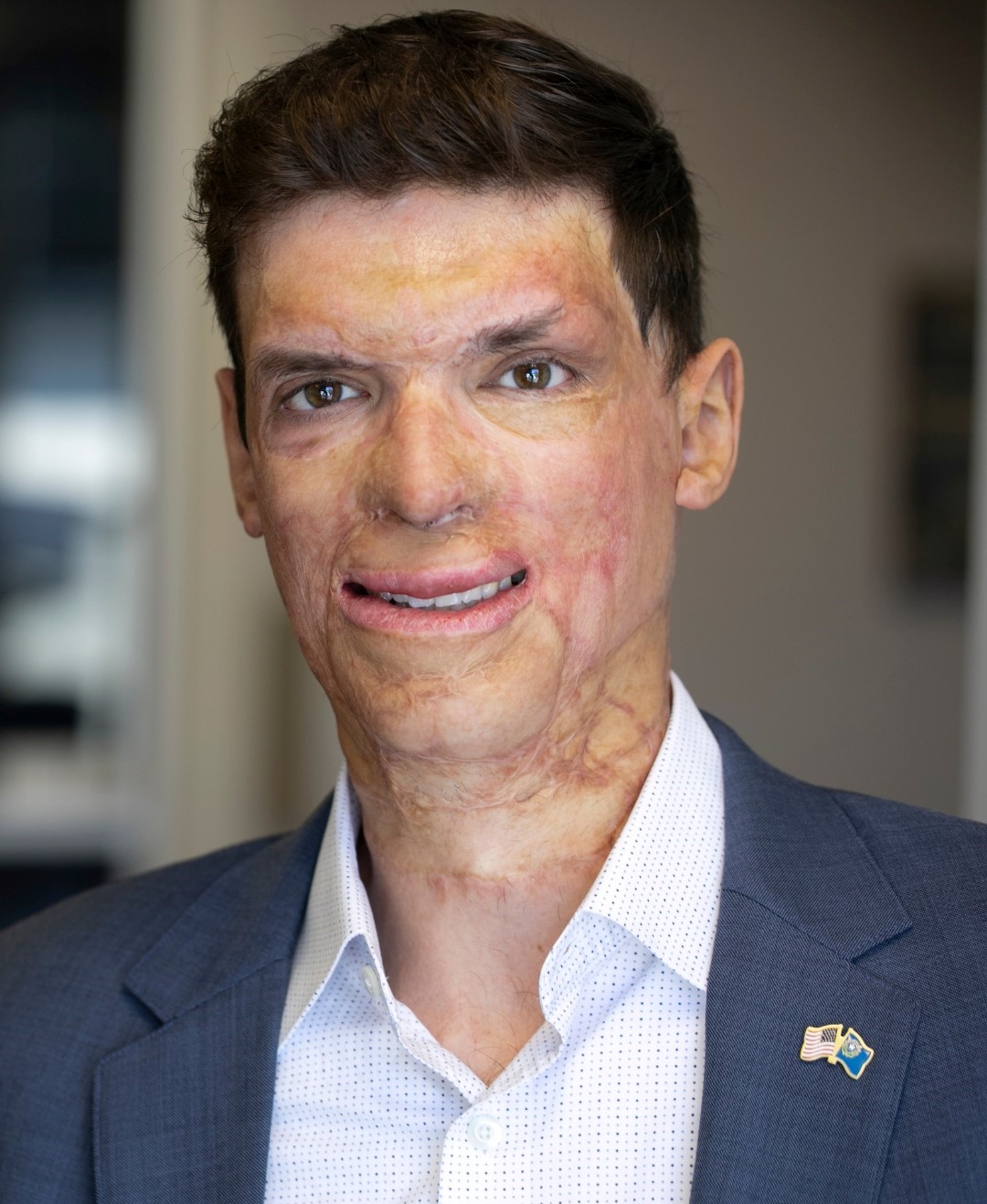
Nevada’s Congressional Districts: A Snapshot
Nevada is currently represented by four members in the U.S. House of Representatives. The state’s congressional districts are drawn to reflect its diverse population and geographic areas, each with its own unique demographics and political leanings. These districts are:
- Nevada’s 1st Congressional District: Largely encompassing the urban core of Las Vegas, this district has historically leaned Democratic. It is home to a significant portion of the state’s population and includes many of its famous resorts and entertainment venues.
- Nevada’s 2nd Congressional District: This vast and predominantly rural district covers northern Nevada, including the state capital, Carson City, and extends to the border with Oregon and California. It has tended to be more Republican in its voting patterns.
- Nevada’s 3rd Congressional District: Situated in the southern part of the state, this district includes a mix of suburban areas and parts of Henderson and Las Vegas. It has been a competitive district, often swinging between parties.
- Nevada’s 4th Congressional District: Also located in the southern part of the state, this district includes areas north and east of Las Vegas, encompassing cities like North Las Vegas. It has also shown a tendency to lean Democratic.
The upcoming elections will determine who represents these diverse regions in Washington D.C., influencing national policy on issues ranging from economic development and immigration to environmental protection and healthcare.
Key Races and Candidate Profiles
As of early reporting, the field of candidates for Nevada’s congressional seats in 2024 is beginning to take shape. While the candidate lists can fluctuate, some prominent figures and potential contenders have emerged, signaling competitive races in several districts.
Nevada’s 1st Congressional District
The incumbent, Dina Titus, has served Nevada’s 1st Congressional District since 2013 and is expected to seek re-election. Her tenure has focused on issues pertinent to her urban constituents, including economic development in the tourism and hospitality sectors, affordable housing, and infrastructure improvements. Should she run, her opponents will face the challenge of unseating an established representative with a strong local base. Potential challengers from the Republican party are likely to focus on issues of inflation, border security, and the overall direction of the national economy. The district’s demographics, heavily urban and diverse, often favor Democratic candidates, but a strong grassroots campaign and focus on specific local concerns could shift the balance.
Nevada’s 2nd Congressional District
This district, representing a significant portion of Nevada‘s landmass, has seen shifts in its representation. The incumbent, Mark Amodei, has held this seat for years, representing a more conservative viewpoint. His campaign typically emphasizes fiscal responsibility, lower taxes, and supporting the state’s mining and agricultural industries. Challengers from the Democratic party in this expansive district will face the challenge of uniting diverse interests, from rural ranchers to residents of Reno and Carson City. Key issues for potential challengers might include access to healthcare in rural areas, renewable energy development, and protecting public lands. The vast geography of the 2nd district presents unique campaigning challenges, requiring candidates to connect with voters across a wide range of communities.

Nevada’s 3rd Congressional District
Often described as a bellwether district, Nevada’s 3rd Congressional District has been highly competitive. The incumbent, Susie Lee, has focused on constituent services, infrastructure projects, and healthcare access. Her campaigns have often highlighted her commitment to pragmatic solutions and bipartisan cooperation. Potential Republican challengers are likely to campaign on themes of economic recovery, national security, and addressing concerns about the cost of living. The suburban nature of much of this district means candidates must appeal to a broad spectrum of voters, balancing the needs of families, small businesses, and a growing population. Issues such as education, public safety, and transportation are likely to be central to the campaign discourse.
Nevada’s 4th Congressional District
Representing a diverse mix of urban and exurban areas, Nevada’s 4th Congressional District is another seat that garners significant attention. The incumbent, Steven Horsford, has a history of engaging with community leaders and advocating for policies aimed at supporting working families and economic diversification. His platform often includes efforts to bring federal resources to North Las Vegas and surrounding communities, focusing on job creation and infrastructure. Republican contenders will likely focus on issues of inflation, government spending, and border security, aiming to resonate with voters concerned about national policies. The district’s demographic makeup, with a strong presence of minority voters, makes community outreach and engagement a critical component of any successful campaign.
Campaign Themes and Voter Engagement
As candidates solidify their campaigns, several overarching themes are likely to dominate the discourse in Nevada’s congressional races. Economic prosperity, always a central concern, will be viewed through the lens of inflation, job growth, and the future of key Nevada industries like tourism, gaming, and technology. Candidates will present their plans for fostering economic opportunities and addressing the rising cost of living for Nevadans.
Healthcare remains a perennial issue, with candidates debating the role of government in healthcare provision, the affordability of insurance, and access to quality medical services, particularly in more remote parts of the state. The future of Nevada‘s natural resources, including water rights and the development of renewable energy, will also be a significant point of discussion, especially in the vast 2nd Congressional District.
Immigration and border security are also topics that resonate across the state, given Nevada‘s proximity to the southern border and its role as a transit and destination state. Candidates will articulate their approaches to border management, immigration reform, and the economic and social impacts of these policies.
Beyond policy, voter engagement will be crucial. Candidates will be deploying various strategies to reach and mobilize voters, from traditional town hall meetings and door-to-door canvassing to digital outreach and social media campaigns. Given Nevada‘s status as a swing state, particularly in presidential elections, the congressional races often serve as important indicators of broader political trends. The outcome of these contests will not only determine representation in Congress but also contribute to the ongoing narrative of Nevada‘s evolving political identity.
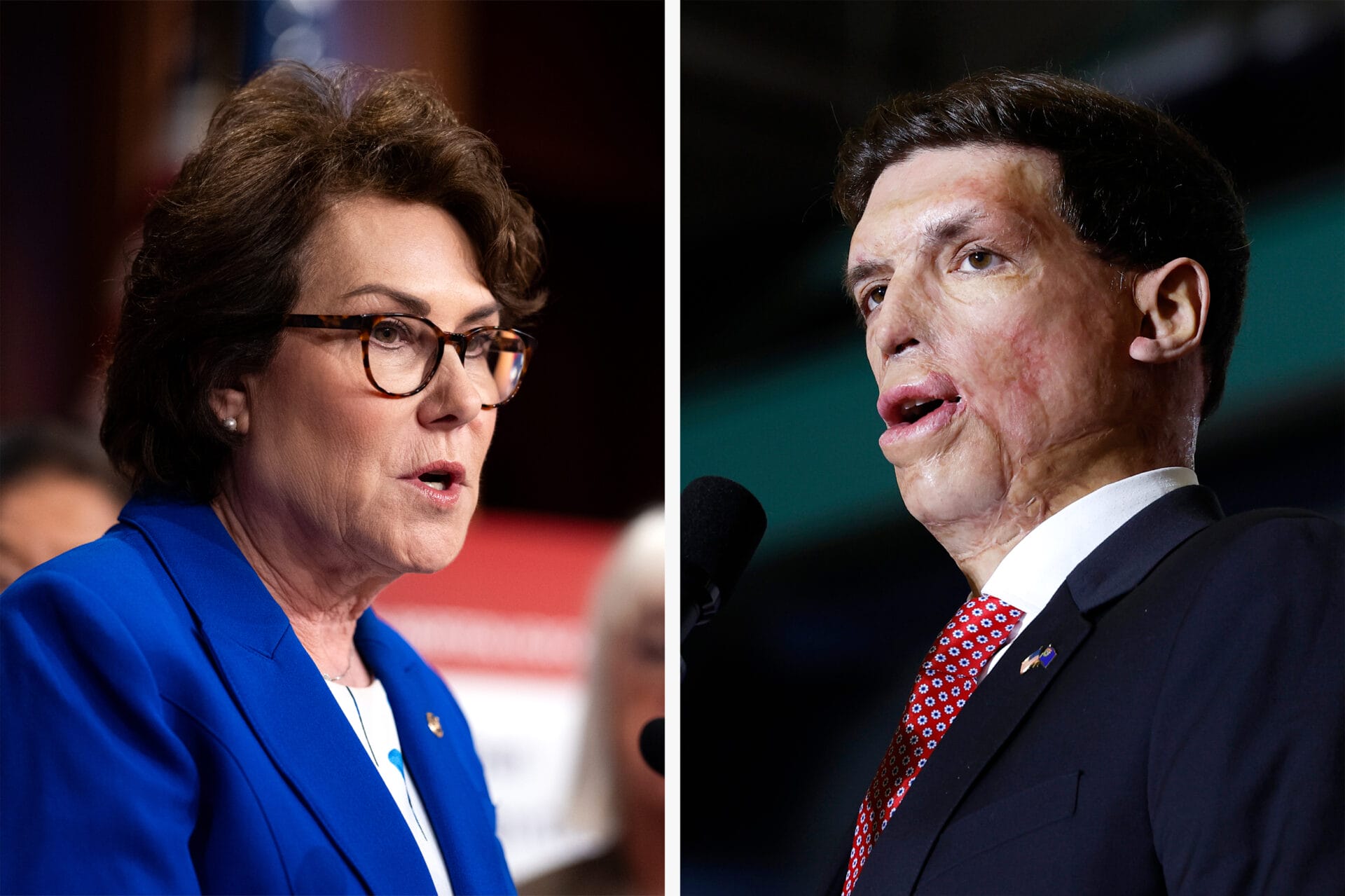
The Road to Washington: Voter Participation and Impact
The 2024 congressional elections in Nevada represent a critical juncture for the state and the nation. The individuals elected will have a profound impact on the legislative agenda in Washington D.C., shaping policies that affect the lives of Nevadans and the country as a whole. From economic stimulus packages and infrastructure investments to environmental regulations and social programs, the decisions made by these representatives will have tangible consequences.
For voters, understanding the candidates and their platforms is the first step in exercising their democratic power. Attending candidate forums, researching voting records, and engaging in respectful debate are all vital components of an informed electorate. The diverse nature of Nevada, from the bustling urban centers of Clark County to the vast rural expanses of its northern territories, means that candidates must be prepared to address a wide array of concerns and interests.
The energy and dynamism of Nevada‘s political landscape make its congressional races particularly compelling. As the election draws closer, the conversations, debates, and ultimately, the votes cast, will define who will carry the voice of Nevada into the halls of Congress for the next term. This electoral process not only determines who serves but also shapes the future direction of the state and its role within the broader American political framework.
LifeOutOfTheBox is a participant in the Amazon Services LLC Associates Program, an affiliate advertising program designed to provide a means for sites to earn advertising fees by advertising and linking to Amazon.com. Amazon, the Amazon logo, AmazonSupply, and the AmazonSupply logo are trademarks of Amazon.com, Inc. or its affiliates. As an Amazon Associate we earn affiliate commissions from qualifying purchases.