
Nevada, a state renowned for its dazzling Las Vegas Strip and sprawling desert landscapes, often finds itself at the epicenter of political discourse, particularly during presidential election cycles. The question of whether a candidate like Donald Trump can secure victory in the Silver State is a complex one, hinging on a confluence of demographic shifts, economic indicators, historical voting patterns, and the candidate’s own unique appeal and controversies. Understanding Nevada’s electoral landscape requires a deep dive into its multifaceted identity.
Nevada’s Shifting Electorate
Nevada’s population has undergone significant transformations in recent decades. Historically, it was a state with a strong rural, conservative base complemented by the booming, entertainment-driven urban centers of Clark County and the state capital, Carson City. However, rapid growth, fueled by migration from states like California, has introduced a more diverse electorate with varying political leanings.
The Influence of Hispanic Voters
One of the most critical demographic groups in Nevada is the Hispanic population, which has been steadily growing and now represents a significant portion of the state’s voters. This bloc, while not monolithic in its political affiliations, has historically leaned Democratic. However, factors such as economic concerns, social issues, and targeted outreach efforts by political campaigns can sway their votes. Donald Trump’s policies and rhetoric have often resonated with certain segments of the Hispanic community, particularly those focused on economic nationalism and border security. Conversely, other segments may be alienated by his immigration policies and language. Therefore, Trump’s ability to capture a substantial share of the Hispanic vote in Nevada will be a key determinant of his success.
The Role of Rural and Suburban Areas
Beyond the urban cores, Nevada’s vast rural areas tend to be more conservative and have historically been strongholds for Republican candidates. These regions, often characterized by agricultural economies, mining, and a strong sense of self-reliance, often respond well to appeals based on traditional values and a critique of federal overreach. Conversely, the growing suburban populations in areas like Reno and the outskirts of Las Vegas present a more mixed political picture. Suburban voters are often more economically sensitive and can be swayed by issues related to education, healthcare, and economic stability. Trump’s populist message has often found traction in these areas, but suburban voters can also be critical of his more divisive rhetoric.
The Impact of Tourism and Hospitality Workers
Nevada’s economy is intrinsically linked to the tourism and hospitality industry, with a significant portion of the workforce employed in hotels, casinos, restaurants, and entertainment venues. This sector, heavily concentrated in Clark County, is diverse and can be influenced by economic conditions. Union membership is also prevalent in this industry, and the endorsements and mobilization efforts of these unions can play a crucial role. Trump’s economic policies, such as tax cuts and deregulation, might appeal to business owners within the industry, but his impact on workers, particularly concerning labor rights and wages, is a more contentious issue. The sentiment among these workers could be a swing factor in Nevada’s elections.
Historical Voting Trends and Trump’s Nevada Record
Nevada has a history of being a swing state, meaning it can vote for either the Democratic or Republican nominee. While it has trended Democratic in recent presidential elections, its electoral outcomes have often been close, indicating a deeply divided electorate.
The 2016 Election
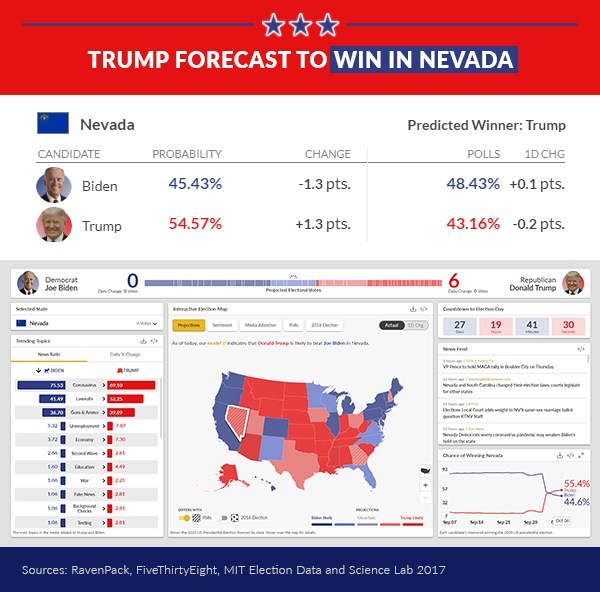
In the 2016 election, Donald Trump secured approximately 45.5% of the vote in Nevada, losing to Hillary Clinton by a narrow margin of just over 2%. This result demonstrated that Trump could build a significant coalition in the state, even in the face of opposition from traditional Republican establishment figures. His appeal to working-class voters, his promise to bring back jobs, and his outsider persona resonated with a segment of the Nevada electorate that felt overlooked by conventional politicians.
The 2020 Election

In 2020, Joe Biden narrowly won Nevada, securing 49.8% of the vote to Trump’s 47.7%. This outcome further underscored the state’s competitive nature. While Biden was able to mobilize Democratic voters and attract some moderate Republicans and independents, Trump maintained a substantial base of support. The COVID-19 pandemic and its economic repercussions, along with concerns about social unrest, played significant roles in shaping voter sentiment during that election.
Trump’s Appeal and Challenges in Nevada
Donald Trump’s political brand is one that elicits strong reactions. His supporters often view him as a strong leader who is willing to challenge the status quo and fight for their interests. His rallies in Nevada have historically drawn large, enthusiastic crowds, indicating a dedicated base of support. His direct communication style and his willingness to engage in populist rhetoric often resonate with voters who feel disconnected from traditional politics.
However, Trump also faces significant challenges in Nevada. His controversies, legal issues, and often inflammatory rhetoric can alienate moderate voters, independents, and certain demographic groups, particularly in the rapidly diversifying urban and suburban areas. The state’s economy, while diverse, is sensitive to national and global economic trends, and voters may weigh Trump’s economic policies against their potential impact on their livelihoods and the state’s signature industries. Furthermore, the growing influence of younger voters, who tend to be more progressive, could also present a challenge for Trump.
Key Factors for a Trump Victory in Nevada
For Donald Trump to win Nevada in a future election, several key factors would likely need to align in his favor.
Economic Performance and Messaging
Nevada’s economy is heavily reliant on tourism and hospitality, sectors that can be volatile. Trump’s campaign would likely focus on economic themes, promising to boost employment, control inflation, and support businesses. The perception of the national economy at the time of the election will be crucial. If voters feel economically insecure, Trump’s promises of economic revitalization might gain traction. His ability to connect with workers in sectors beyond traditional manufacturing, such as hospitality and construction, will be vital. He would need to articulate a clear economic vision that addresses the concerns of Nevadans, from small business owners to service industry employees.
Mobilization of the Base and Persuasion of Swing Voters
A successful Trump campaign in Nevada would require not only energizing his core supporters but also persuading a sufficient number of undecided or swing voters. This would involve targeted outreach to key demographic groups, including working-class voters, rural communities, and potentially some segments of the Hispanic and Asian-American populations. His campaign would need to craft messages that resonate with these diverse groups, addressing their specific concerns without alienating his base. The effectiveness of his ground game, including voter registration drives and get-out-the-vote efforts, will be paramount.
Opposition’s Weaknesses and External Events
The political landscape is rarely static. The effectiveness of the opposition’s campaign, their candidate’s strengths and weaknesses, and unforeseen events can all significantly impact election outcomes. Trump’s ability to capitalize on any perceived vulnerabilities of his opponents, whether they be policy missteps, gaffes, or broader dissatisfaction with the incumbent administration, could prove decisive. External events, such as international crises, natural disasters, or significant domestic policy developments, can also shift voter priorities and perceptions, potentially benefiting or hindering Trump’s chances.
The Role of the Las Vegas Strip and Gaming Industry
The Las Vegas Strip, with its iconic hotels and casinos like Bellagio, Caesars Palace, and The Venetian, is more than just a tourist destination; it’s a massive economic engine and a symbol of Nevada’s unique identity. The sentiment among the powerful gaming industry magnates and the thousands of workers employed in this sector can influence the broader electorate. Trump’s past interactions with business leaders and his approach to regulation could be factors. The economic health of the gaming industry, particularly in the wake of potential disruptions like pandemics, would be a significant consideration for voters in Clark County.

Conclusion: A Contested Landscape
Nevada remains a battleground state, and the question of whether Donald Trump will win it is far from settled. His path to victory would depend on his ability to navigate the state’s evolving demographics, capitalize on economic anxieties, and energize his base while persuading enough swing voters to cross the aisle. The Silver State’s electoral destiny, as always, will likely be decided by a narrow margin, making every vote and every demographic segment critically important. The unique blend of entertainment, economic diversity, and a population drawn from across the nation makes Nevada a fascinating and perpetually contested political arena.
LifeOutOfTheBox is a participant in the Amazon Services LLC Associates Program, an affiliate advertising program designed to provide a means for sites to earn advertising fees by advertising and linking to Amazon.com. Amazon, the Amazon logo, AmazonSupply, and the AmazonSupply logo are trademarks of Amazon.com, Inc. or its affiliates. As an Amazon Associate we earn affiliate commissions from qualifying purchases.