
The allure of autumn in New Hampshire is undeniable, a vibrant spectacle painted across rolling hills and majestic mountains. For travelers seeking to witness this breathtaking transformation, timing is everything. Understanding the nuances of peak foliage, from the initial blush of color to the final fiery crescendo, allows for the planning of an unforgettable journey through the Granite State. This guide delves into the annual rhythm of New Hampshire‘s fall colors, helping you pinpoint the perfect moment to experience its most spectacular display.
Understanding the Factors Influencing Foliage Color
The magic of fall foliage isn’t a random event; it’s a carefully orchestrated performance driven by a complex interplay of environmental factors. While the days grow shorter, signaling the trees to prepare for winter, it’s the combination of temperature, sunlight, and moisture that truly dictates the brilliance and duration of the color display.
The Role of Weather Patterns
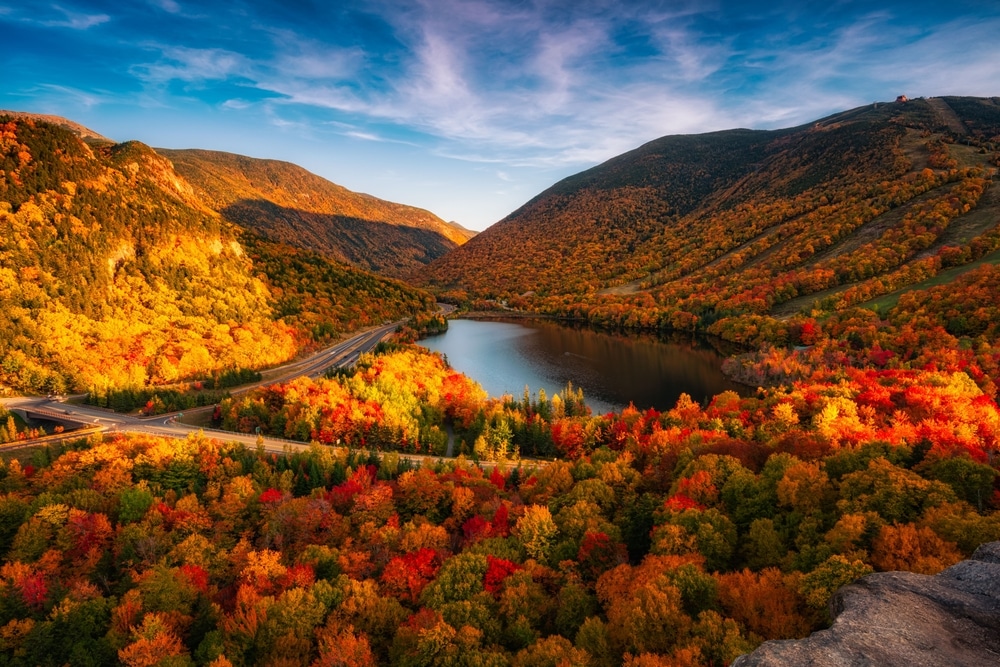
Temperature plays a pivotal role. Cool, crisp nights are essential for developing vibrant reds and purples. When temperatures drop below a certain threshold, but above freezing, the sugars within the leaves become trapped. This trapped sugar, in turn, reacts with pigments to produce brilliant red and crimson hues. Conversely, warm, sunny days throughout the late summer and early fall encourage the production of chlorophyll, the green pigment responsible for photosynthesis. As the days shorten and temperatures cool, chlorophyll production wanes, allowing other pigments – yellows and oranges – to become visible. A sudden frost can prematurely end the display, leading to duller colors or simply causing leaves to drop before their full glory is realized.
Sunlight is equally important. Prolonged periods of sunshine, especially during the day leading up to and during the foliage season, contribute to more intense and varied colors. Sunlight helps in the creation of sugars that contribute to the reds and purples. A lack of sunlight due to overcast skies can result in less vibrant displays, as the chemical reactions that create the stunning colors are less efficient.
Moisture levels also have a significant impact. A moderately wet spring and summer, followed by a dry, sunny autumn, is the ideal recipe for peak foliage. Drought conditions can stress the trees, leading to premature leaf drop or a less vibrant color palette. Excessive rainfall, particularly during the crucial weeks, can dilute the intensity of the colors and potentially lead to an earlier shedding of leaves.
Tree Species and Their Color Palettes
New Hampshire boasts a diverse array of tree species, each contributing its unique palette to the autumn canvas. Understanding these species can offer a deeper appreciation for the unfolding spectacle.
- Maples: The stars of the show are undoubtedly the maple trees. Sugar maples, in particular, are renowned for their brilliant reds, oranges, and yellows. Red maples often put on a stunning display of fiery reds, while silver maples tend towards vibrant yellows.
- Oaks: Oak trees, such as red oak and scarlet oak, are known for their rich, deep reds and russet browns. Their colors tend to appear slightly later in the season than the maples.
- Birches: The striking white bark of the paper birch contrasts beautifully with its golden-yellow foliage. Yellow birches also offer a cheerful splash of yellow.
- Aspens and Poplars: These trees are famous for their pure, bright yellows that shimmer and dance in the slightest breeze.
- Beeches: American beeches contribute warm hues of golden-yellow and bronze to the autumn landscape.
The gradual progression of color, starting with early-turning species and moving through to later ones, creates a prolonged and dynamic viewing experience across the state.
Peak Foliage Timing: A Regional Approach
Pinpointing the exact week for peak foliage in New Hampshire requires a look at its varied topography and geographical regions. The state’s elevation and proximity to the coast create microclimates that influence the timing of the color change. Generally, colors appear earlier at higher elevations and in the northern parts of the state and progress southward and to lower elevations.
Northern New Hampshire: The Early Bloomers
The northernmost reaches of New Hampshire, including the White Mountains region, are typically the first to experience the vibrant transformation. Here, cooler temperatures arrive sooner, initiating the color change.
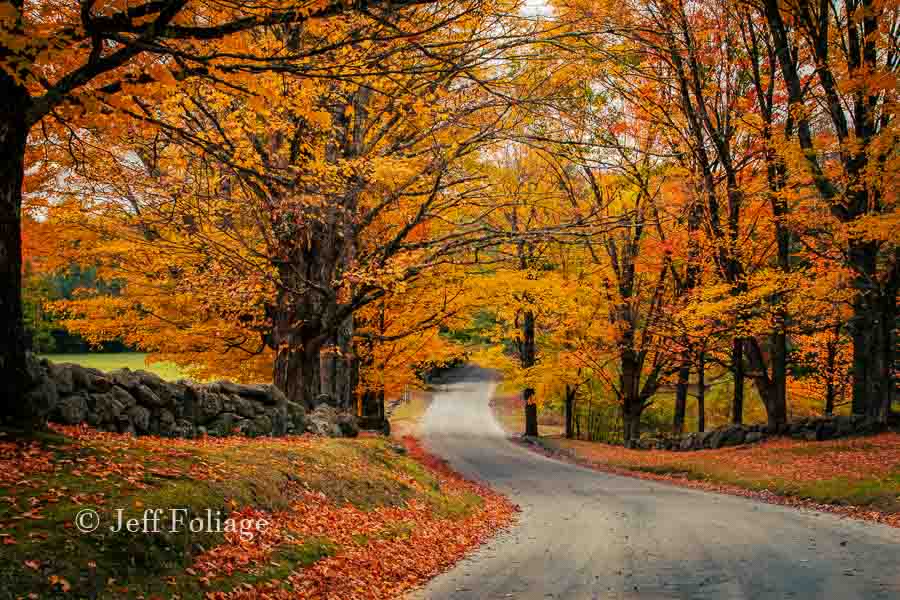
- Late September to Early October: This is the prime window for peak foliage in areas like Coos County, encompassing towns such as Errol, Pittsburg, and the northern sections of the Great North Woods. The higher elevations of the White Mountains National Forest, including areas around Mount Washington, will also begin to show early color during this period. Travelers heading to the northern parts of the state should plan their visits within this timeframe for the most spectacular displays. The crisp air and the initial turning of the maples and birches create an almost ethereal beauty.
Central New Hampshire: The Mid-Season Spectacle
As the calendar moves into the first half of October, the foliage spectacle moves south and to the central parts of the state. This region offers a slightly longer window of peak color.
- Early to Mid-October: The heart of New Hampshire, including areas around the Lakes Region and the foothills of the White Mountains, typically reaches its peak during the first two weeks of October. Towns like Concord, Laconia, and Wolfeboro will be awash in color. The combination of the changing leaves against the backdrop of Lake Winnipesaukee and the rolling hills creates postcard-perfect scenes. This is often considered the most accessible time for many visitors, as the colors are widespread and vibrant.
Southern New Hampshire: The Late Flourish
The southernmost parts of New Hampshire, including areas closer to the coast and the Massachusetts border, tend to experience peak foliage later in the season.
- Mid to Late October: By the middle to the latter half of October, the southern regions of New Hampshire are usually at their most vibrant. Areas around Nashua, Manchester, and the Seacoast region, while perhaps less dramatic than the mountains, offer a more subdued yet equally beautiful display of autumn hues. The colors here can persist longer, offering a final flourish as the season draws to a close. This period is ideal for those who prefer slightly warmer weather and a less crowded experience, as the peak in the north has already passed.
Planning Your New Hampshire Foliage Trip
Experiencing New Hampshire‘s peak foliage requires thoughtful planning to ensure you capture the most breathtaking views and enjoy a seamless travel experience. Consider these essential tips to make the most of your autumn adventure.
Choosing Your Viewing Locations
New Hampshire offers an abundance of stunning viewpoints, each providing a unique perspective on the fall colors.
- Scenic Drives: Iconic routes like the Kancamagus Highway (Route 112) through the White Mountains are legendary for their fall beauty. Other notable drives include the Route 302 corridor and the Lake Sunapee loop. These routes are designed to showcase the best of the autumnal landscape.
- Mountain Vistas: For panoramic views, consider ascending to observation points. The Mount Washington State Park offers unparalleled vistas from the summit (weather permitting). Many smaller peaks and fire towers across the state also provide excellent vantage points.
- Lakes and Rivers: The reflections of colorful trees on the calm waters of Lake Winnipesaukee, Lake Sunapee, or along the Connecticut River create a magical atmosphere. Boat tours or simply enjoying the view from the shore can be incredibly rewarding.
- Charming Towns: Many New Hampshire towns are nestled within valleys or surrounded by colorful hillsides, offering a charming blend of autumn scenery and local culture. Explore towns like Hanover, Woodstock, or Jackson for a delightful experience.
Accommodation and Activities
Booking your accommodation in advance is crucial, as New Hampshire experiences a significant surge in tourism during the fall.
- Lodging Options: From cozy bed and breakfasts in quaint villages to upscale resorts in the mountains, New Hampshire offers a range of accommodations to suit every traveler’s needs and budget. Consider staying in the Lakes Region for water views or in the White Mountains for immediate access to hiking trails and scenic drives.
- Outdoor Activities: Enhance your foliage experience with activities like hiking, biking, apple picking at local orchards, visiting pumpkin patches, or enjoying scenic train rides. Many state parks and forests offer well-maintained trails suitable for all fitness levels, allowing you to immerse yourself directly in the vibrant autumn colors.
- Local Events: Keep an eye out for local fall festivals, craft fairs, and farmers’ markets that often coincide with the peak foliage season. These events offer a wonderful opportunity to experience the local culture and savor seasonal treats.
Staying Informed
The dynamic nature of foliage means that conditions can change rapidly. Staying informed is key to adjusting your plans as needed.
- Foliage Reports: New Hampshire‘s official tourism website and various local news outlets provide weekly foliage reports throughout the autumn season. These reports offer up-to-date information on color progression, estimated peak times for different regions, and driving recommendations.
- Weather Forecasts: Always check the weather forecast before venturing out. Be prepared for varying conditions, especially in mountainous areas, and pack layers accordingly.
By understanding the factors that influence foliage color, appreciating the regional timing, and planning your trip with care, you can ensure a truly unforgettable autumn experience in the picturesque landscapes of New Hampshire.
LifeOutOfTheBox is a participant in the Amazon Services LLC Associates Program, an affiliate advertising program designed to provide a means for sites to earn advertising fees by advertising and linking to Amazon.com. Amazon, the Amazon logo, AmazonSupply, and the AmazonSupply logo are trademarks of Amazon.com, Inc. or its affiliates. As an Amazon Associate we earn affiliate commissions from qualifying purchases.