
Understanding the Geographic Allure of Orlando
Orlando, Florida, often synonymous with world-class theme parks and family fun, sits strategically in the heart of the Sunshine State. Its appeal as a global tourist destination stems not only from its renowned attractions but also from its accessible location, drawing millions of visitors annually from across the United States and beyond. While pinpointing an exact distance requires a starting point, understanding Orlando’s position on the map is the first step in planning any successful journey.
A Central Florida Gem
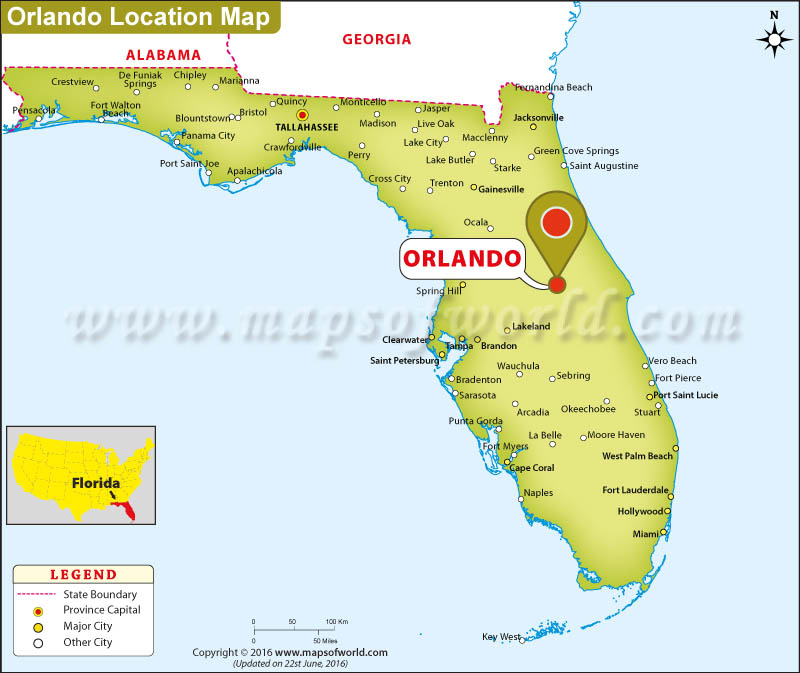
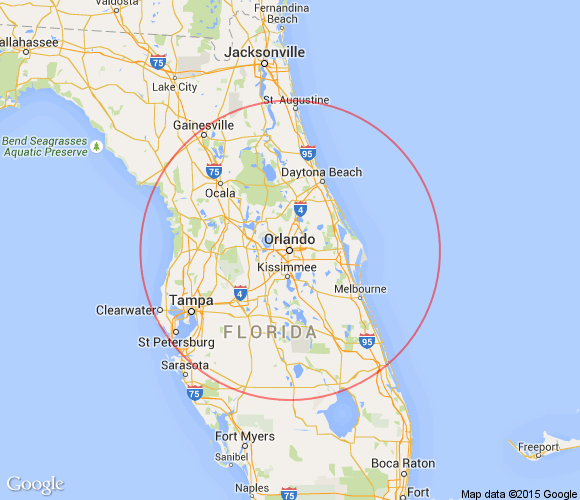
Orlando’s central location in Florida provides an excellent base for exploring the state. It’s roughly equidistant from the Atlantic Ocean to the east and the Gulf of Mexico to the west, making day trips to various coastal areas feasible. This strategic positioning has undoubtedly contributed to its development as a major transportation hub, with robust infrastructure supporting road, rail, and air travel. The city’s growth was catalyzed by the vision of entities like Walt Disney World Resort, which chose this central location for its expansive park, triggering a tourism boom that continues to this day.
Proximity to Key Florida Cities
While visitors often fly directly into Orlando, many travelers incorporate it into a larger Florida itinerary.
- From Miami, Orlando is approximately 230-240 miles north, a drive that typically takes 3.5 to 4 hours, depending on traffic.
- Tampa, on the Gulf Coast, is a mere 85-90 miles west, about a 1.5-hour drive.
- To the north, Jacksonville is roughly 140 miles away, translating to a 2 to 2.5-hour drive.
These relatively short distances make multi-city Florida adventures highly appealing, with Orlando serving as a pivotal point for exploration.
Calculating Your Journey: Distances from Major US Hubs
The distance to Orlando varies dramatically depending on your starting point within the United States. Understanding these distances, along with typical travel times, is essential for planning the most efficient and enjoyable trip.
East Coast Expeditions
Travelers from the eastern United States have a range of options, with driving being a popular choice for many.
- From New York City: The distance is approximately 1,070-1,100 miles. A non-stop drive typically takes around 16-18 hours, often requiring an overnight stop. Flights, however, are a swift alternative, usually lasting about 2.5 to 3 hours from JFK, LaGuardia, or Newark airports to Orlando International Airport (MCO).
- From Atlanta: Located in the Southeast, Atlanta is considerably closer, about 440-470 miles from Orlando. This translates to a manageable 6.5-7.5 hour drive. Flights are very common and take approximately 1 hour and 15 minutes.
- From Washington D.C.: The nation’s capital is roughly 850-880 miles north of Orlando. Driving typically takes 13-15 hours, making it a viable single-day trip for determined drivers or a comfortable two-day journey. Flights are approximately 2 hours in duration.
Midwest and Central Routes
For those in the Midwest and central United States, the journey to Orlando generally involves longer driving times or opting for air travel.
- From Chicago: The distance to Orlando is a significant 1,150-1,200 miles. Driving this distance typically spans 18-20 hours of actual driving time, necessitating at least one, if not two, overnight stops. Flights offer a much quicker solution, taking around 2.5 to 3 hours.
- From Dallas: Situated further southwest, Dallas is approximately 1,120-1,150 miles from Orlando. A road trip from Dallas usually takes 17-19 hours, also making it a multi-day driving endeavor. Direct flights typically range from 2.5 to 3 hours.
West Coast Ventures
For travelers originating from the West Coast of the United States, flying is almost always the preferred and most practical mode of transportation due to the immense distances involved.
- From Los Angeles: Orlando is roughly 2,400-2,500 miles away. Driving would be an epic journey of 35-40 hours or more, typically requiring 3-5 days. Flights are the standard, with direct routes taking around 4.5 to 5 hours.
- From Seattle: The furthest major US city listed, Seattle is approximately 2,800-2,900 miles from Orlando. A road trip would be an extensive cross-country adventure, taking well over 40 hours of driving. Flying is the only reasonable option, with typical direct flight times of 5.5 to 6 hours.
Modes of Transportation and Their Implications
Choosing how to get to Orlando significantly impacts the travel experience, cost, and overall duration. Each mode offers distinct advantages and disadvantages, catering to different preferences and budgets.
Driving to Orlando: The Road Trip Experience
Driving provides unparalleled flexibility, allowing travelers to set their own pace, make spontaneous stops, and carry more luggage. It can be a cost-effective option for groups or families once fuel and potential overnight stays are factored in.
- Pros: Flexibility, scenic routes, control over schedule, often cheaper for groups.
- Cons: Long driving hours, potential for fatigue, wear and tear on vehicles, fuel costs, tolls, parking fees upon arrival.
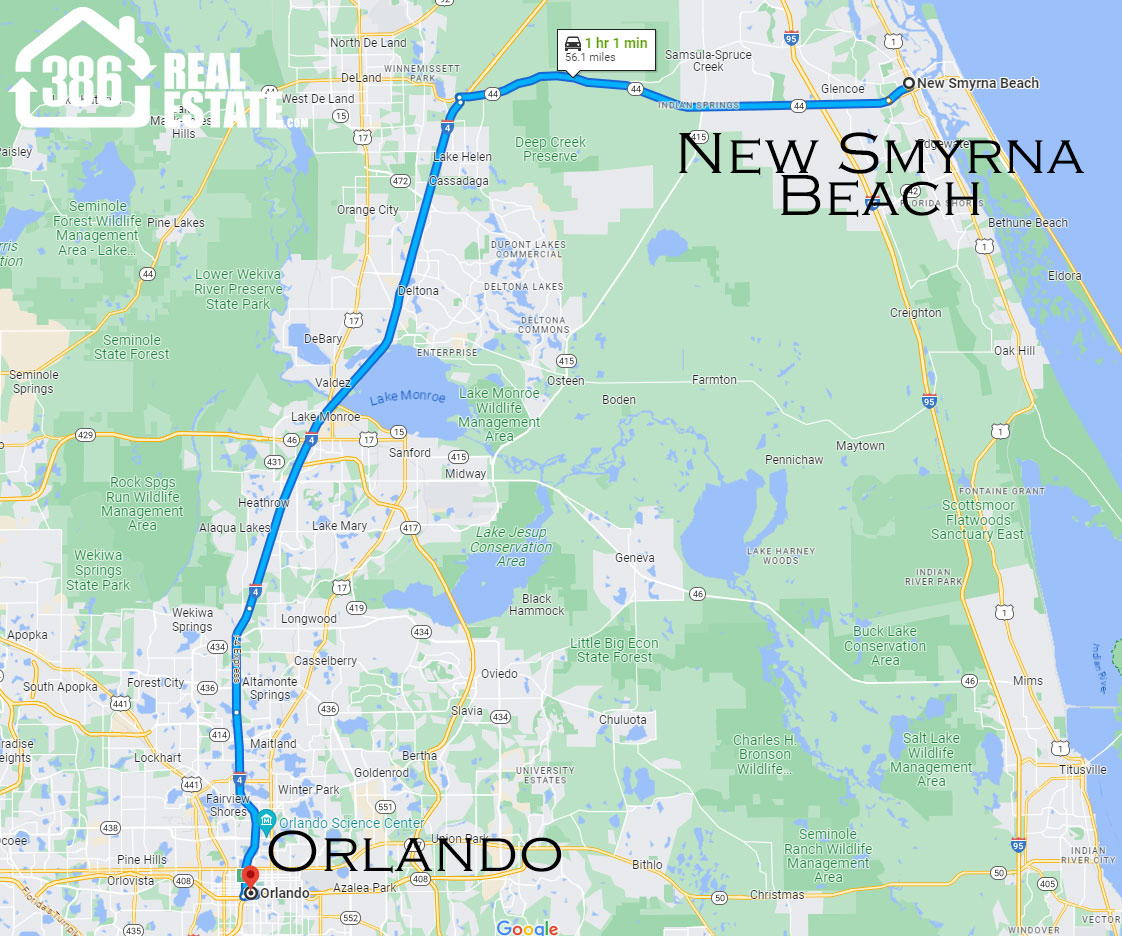
- Key Interstate Highways: Major arteries like Interstate 95 (I-95) runs along the East Coast, connecting many northern cities directly to Florida. Interstate 75 (I-75) serves travelers from the Midwest, running south through Georgia and into Florida. Within Florida, Interstate 4 (I-4) is the primary route into Orlando.
- Tips for Long Drives: Plan your route in advance, factor in breaks every few hours, ensure your vehicle is well-maintained, consider carpooling, and prepare for potential tolls (especially on Florida turnpikes). An average speed of 60-65 mph is a reasonable estimate for planning purposes, accounting for stops and traffic.
Flying to Orlando: Speed and Convenience
For many, flying is the fastest and most convenient way to reach Orlando, especially from distant locations.
- Major Airports: Orlando International Airport (MCO) is the primary gateway, a bustling hub with extensive domestic and international connections. A secondary option is Orlando Sanford International Airport (SFB), which serves budget airlines and smaller markets.
- Flight Durations: As mentioned previously, flight times vary from 1.5 hours (e.g., Atlanta) to 6 hours (e.g., Seattle) for direct routes.
- Booking Tips: Booking flights well in advance, especially during peak seasons, can secure better fares. Consider flying on weekdays or during off-peak hours for potential savings.
- Ground Transportation: Upon arrival at MCO or SFB, various ground transportation options are available, including rental cars, ride-sharing services, taxis, and shuttle buses to hotels or theme parks.
Bus and Train Travel: Alternative Options
While less popular for long distances to Orlando than flying or driving, bus and train services offer viable alternatives for specific traveler profiles.
- Amtrak Services: Amtrak offers routes to Orlando, including the unique Auto Train from Lorton, Virginia, which allows passengers to bring their vehicle. This can be a comfortable option for those who want to avoid driving but still have their car at their destination. The overall journey time on Amtrak is typically longer than driving but offers a relaxing experience.
- Bus Services: Companies like Greyhound and Megabus provide extensive networks connecting various cities to Orlando. These are generally the most budget-friendly options but come with the longest travel times and fewer amenities.
- Pros and Cons: Cost-effective and often more environmentally friendly than flying (especially for trains), bus and train travel allows passengers to relax and enjoy the scenery. However, they are significantly slower and offer less flexibility than driving.
Optimizing Your Journey to Orlando
A well-planned trip to Orlando goes beyond merely calculating distance. Strategic planning can enhance your travel experience, save money, and mitigate potential stressors.
Timing Your Trip
The timing of your visit impacts everything from travel costs to crowd levels.
- Peak vs. Off-Peak Seasons: Orlando’s peak seasons often coincide with school holidays (summer, spring break, Christmas). During these times, expect higher flight prices, increased hotel rates, more traffic on roads leading into Orlando, and longer lines at attractions. Traveling during off-peak times (e.g., late January, September, early December) can lead to significant savings and a more relaxed pace.
- Weather Considerations: Florida summers can be hot and humid with frequent afternoon thunderstorms, which can affect driving conditions. Winter months offer cooler, drier weather, ideal for travel, though this can also contribute to higher seasonal demand.
Budgeting for the Travel
Thorough budgeting is crucial, especially for longer journeys.
- Fuel Costs and Tolls: For drivers, estimate fuel consumption based on your vehicle’s MPG and current gas prices. Factor in tolls, which can add up significantly on major interstates and Florida turnpikes.
- Plane Tickets and Car Rental: Flight prices fluctuate wildly, so use price tracking tools. If flying, remember to budget for a rental car in Orlando, as the city’s attractions are spread out.
- Accommodation: If driving long distances, plan for overnight stays, which add to the overall travel cost. Compare hotel prices along your route in advance.
Essential Travel Planning Tips
- Packing Considerations: Pack appropriately for Florida’s climate. For road trips, pack snacks, drinks, and entertainment for passengers.
- Vehicle Maintenance: Before a long road trip, ensure your vehicle is serviced, tires are checked, and fluids are topped off. A roadside emergency kit is always a good idea.
- Entertainment: Long journeys, whether by car, bus, or train, can be tedious. Prepare playlists, podcasts, audiobooks, or movies to keep everyone entertained.
- Book in Advance: Regardless of your chosen mode of transport, booking flights, hotels, and rental cars (if needed) well in advance will almost always result in better prices and availability.
What Awaits You in Orlando?
Upon arrival, regardless of how far you’ve traveled, Orlando truly delivers on its promise as a premier vacation destination.
World-Class Theme Parks
Orlando is globally renowned for its concentration of theme parks. Visitors flock to Walt Disney World Resort (home to Magic Kingdom, Epcot, Hollywood Studios, and Animal Kingdom), Universal Orlando Resort (featuring Universal Studios Florida and Islands of Adventure), and SeaWorld Orlando for unparalleled entertainment and immersive experiences.
Beyond the Parks
While theme parks are a major draw, Orlando offers a wealth of other activities. International Drive teems with dining, shopping, and entertainment options. You can explore the Kennedy Space Center Visitor Complex on the Space Coast, enjoy the natural beauty of Florida’s springs, or indulge in the city’s vibrant culinary scene. No matter how long or short your journey, the destination makes every mile worthwhile.
LifeOutOfTheBox is a participant in the Amazon Services LLC Associates Program, an affiliate advertising program designed to provide a means for sites to earn advertising fees by advertising and linking to Amazon.com. Amazon, the Amazon logo, AmazonSupply, and the AmazonSupply logo are trademarks of Amazon.com, Inc. or its affiliates. As an Amazon Associate we earn affiliate commissions from qualifying purchases.