
For centuries, the majestic wolf has roamed the wild landscapes of North America, a symbol of untamed wilderness and ecological balance. The question of their presence in a specific region often sparks curiosity and concern, particularly for those venturing into the great outdoors. New Mexico, with its vast, rugged terrains, from the towering Sangre de Cristo Mountains to the expansive Chihuahuan Desert, is a landscape that seems perfectly suited for these elusive predators. Understanding the status of wolves in New Mexico is not just a matter of ecological interest; it’s integral to appreciating the state’s natural heritage and planning responsible explorations of its wild places.
The Enduring Presence of the Mexican Gray Wolf
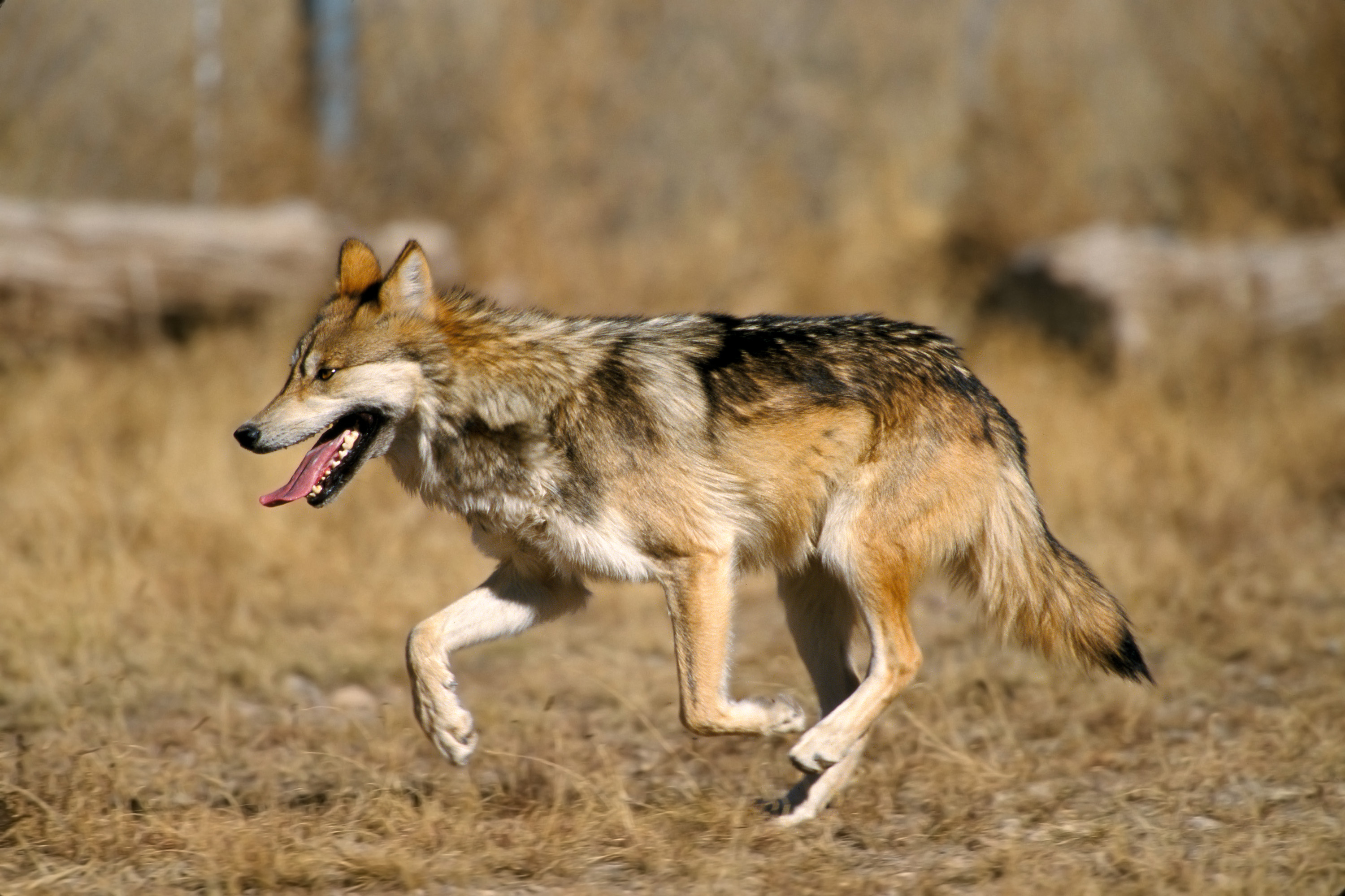
The story of wolves in New Mexico is intrinsically linked to the fate of the Mexican gray wolf (Canis lupus baileyi). Once a thriving apex predator across the southwestern United States and Mexico, this subspecies faced severe persecution and near extinction by the mid-20th century. Habitat loss, hunting, and poisoning campaigns pushed them to the brink, with wild populations effectively disappearing. However, dedicated conservation efforts, including a captive breeding program and reintroduction initiatives, have brought this iconic wolf back from the precipice.
Reintroduction and Recovery Efforts
The U.S. Fish and Wildlife Service, in collaboration with state agencies and conservation organizations, has been instrumental in the Mexican gray wolf recovery program. This ambitious endeavor aims to reestablish a viable population of these wolves in their historic range. Initial reintroductions began in the Apache National Forest in Arizona, with subsequent releases and natural dispersal expanding their territory into neighboring New Mexico. The Gila National Forest has become a critical stronghold for these reintroduced wolves, offering the vast, wild expanses necessary for their survival and reproduction.
Challenges and Triumphs
The recovery of the Mexican gray wolf has not been without its challenges. Opponents have raised concerns about potential conflicts with livestock, while others point to the slow pace of population growth as a sign of limited success. However, proponents highlight the significant ecological benefits of reintroducing an apex predator, including the regulation of prey populations such as elk and deer, which can in turn benefit vegetation and other wildlife. Successes include the establishment of breeding packs, the birth of wild pups, and an increasing, albeit gradual, wolf population. These triumphs underscore the resilience of nature and the importance of sustained conservation commitment.
Exploring Wolf Country: Understanding and Appreciation
For travelers and nature enthusiasts interested in the wild inhabitants of New Mexico, understanding the presence and behavior of wolves is key to a safe and enriching experience. While sightings are rare, knowing where wolves are known to roam and how to act responsibly in their habitat contributes to both personal safety and the wolves’ conservation.
Where to Look (and What to Expect)
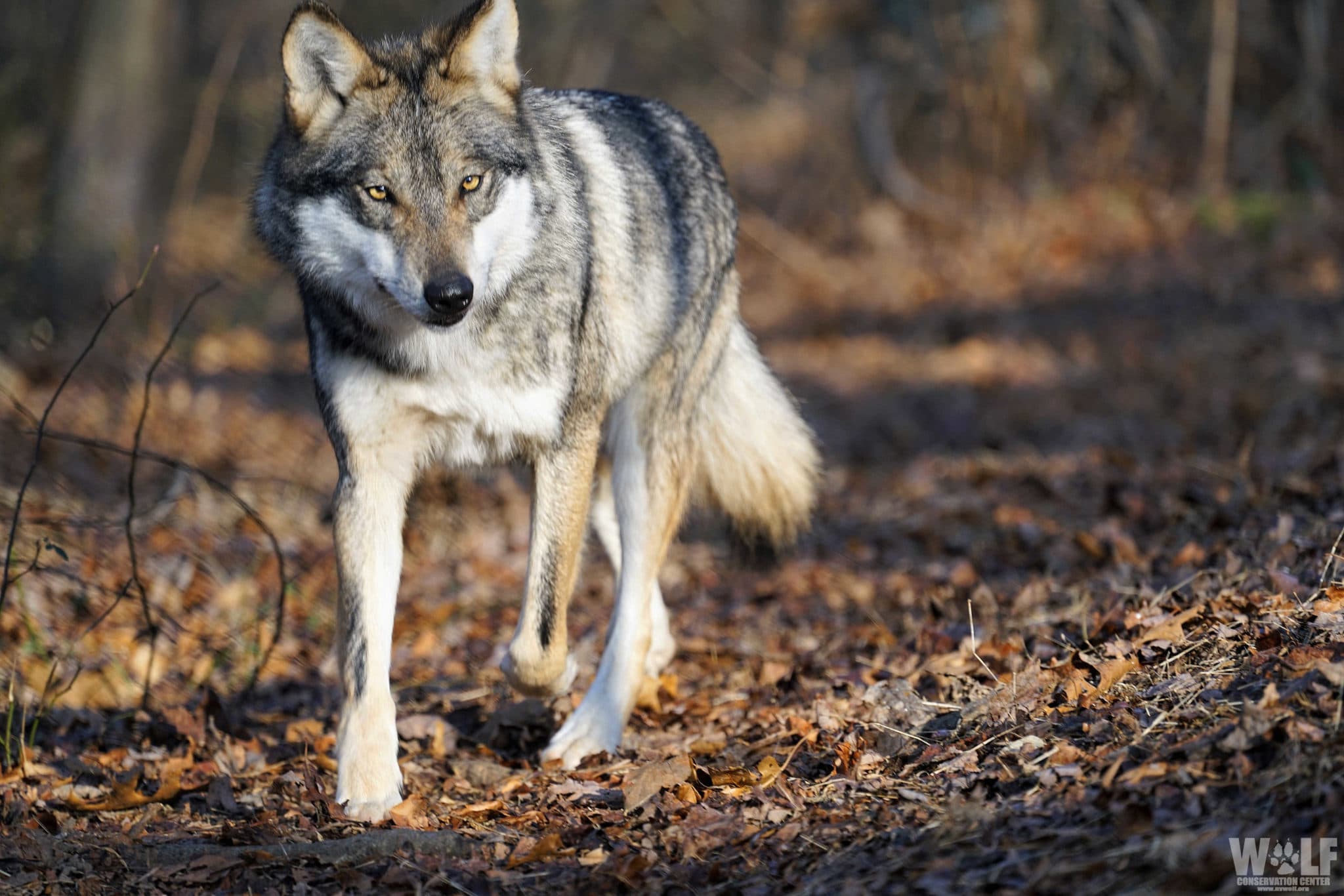
The primary areas where Mexican gray wolves are found in New Mexico are within the larger wilderness areas of the southwestern part of the state. The Gila National Forest is a prime location, along with surrounding national forest lands. These vast tracts of land offer the secluded, remote environments that wolves require. However, it’s crucial to manage expectations: wolves are elusive, intelligent animals that actively avoid human contact. Spotting a wolf in the wild is an extraordinary event, often requiring considerable patience, luck, and expert guidance.
Responsible Wildlife Viewing
When venturing into wolf country, responsible practices are paramount. The goal is to observe wildlife without disturbing them or their habitat.
Maintaining Distance:
- Never approach wolves: If you are fortunate enough to see a wolf, maintain a significant distance. This is for your safety and the wolf’s well-being. Approaching a wild animal can cause it stress and potentially lead to defensive behavior.
- Use binoculars or telephoto lenses: These tools allow for detailed observation without intruding on the animal’s space.
Securing Food and Scent:
- Proper food storage: In areas where wolves are present, it’s important to store food securely, especially when camping. This prevents habituation, which can lead to negative interactions.
- Minimize strong scents: Avoid leaving strong-smelling items like perfumes or lotions around your campsite, as these can attract curious wildlife.
Respecting Habitat:
- Stay on marked trails: This minimizes your impact on the environment and reduces the chance of surprising wildlife.
- Understand wolf behavior: Educate yourself about wolf pack dynamics and territory. This knowledge can enhance your appreciation for their role in the ecosystem.
Reporting Sightings and Encounters
Your observations can be valuable to conservation efforts. If you have a confirmed wolf sighting, or if you encounter any unusual wildlife behavior, it is advisable to report it to the appropriate wildlife authorities. This information helps track wolf populations, monitor their movements, and address any potential human-wildlife conflicts proactively. Agencies such as the New Mexico Department of Game and Fish are key points of contact for such reports.
Beyond the Mexican Gray Wolf: Other Canine Relatives
While the Mexican gray wolf is the primary focus of wolf conservation in New Mexico, it’s worth noting that other canids share these landscapes. Understanding the distinctions between different species enhances our appreciation for the diversity of New Mexico’s wildlife.
Coyotes and Foxes
Coyotes (Canis latrans) are abundant throughout New Mexico, thriving in a variety of habitats from urban fringes to remote wilderness. They are smaller than wolves and often travel in pairs or small family groups. Their presence is a testament to their adaptability. Similarly, various fox species, such as the swift fox (Vulpes velox) and the red fox (Vulpes vulpes), inhabit the state. These smaller canids play vital roles in controlling rodent populations and are an integral part of the ecosystem. While sometimes mistaken for wolves, their size, coloration, and behavior are distinct.
Recognizing the Difference
Distinguishing between a wolf, coyote, or fox is essential for accurate identification and reporting.
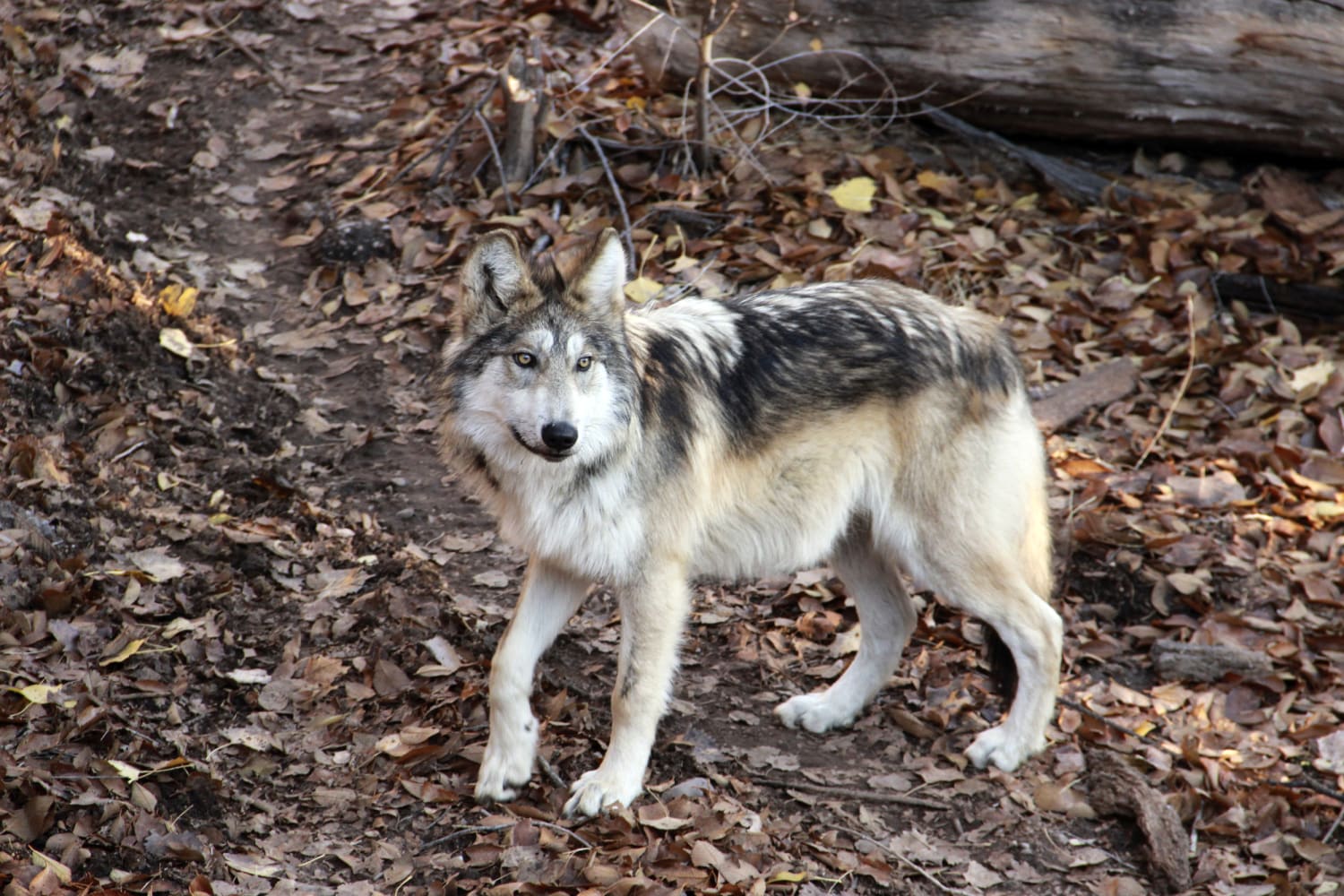
- Size: Wolves are significantly larger than coyotes and foxes, with wolves weighing anywhere from 50 to over 100 pounds. Coyotes are typically 20-50 pounds, and foxes are considerably smaller.
- Tracks: Wolf tracks are notably larger than coyote or fox tracks, often appearing more rounded.
- Behavior: Wolves often move with a more deliberate, powerful gait, while coyotes can appear more loping or skittish. Wolves also tend to howl in a more melodic, sustained manner than the yipping and barking of coyotes.
The Future of Wolves in New Mexico
The presence of wolves in New Mexico is a dynamic and evolving story. The success of the Mexican gray wolf recovery program is a beacon of hope for endangered species and a testament to the power of dedicated conservation. For visitors, understanding these animals and their habitat enriches the travel experience, transforming a simple visit to a natural area into an opportunity to connect with the wild heart of the Southwest.
Conservation as a Travel Ethos
Embracing conservation principles while exploring New Mexico’s wild landscapes is not just recommended; it’s essential. By supporting organizations involved in wildlife protection, respecting regulations, and practicing Leave No Trace principles, travelers contribute directly to the preservation of these magnificent creatures and their habitat. The presence of wolves, even if unseen, enriches the wilderness experience, reminding us of the complex tapestry of life that thrives in places like the Lincoln National Forest and the Santa Fe National Forest.
Planning Your Wilderness Adventure
For those eager to explore the potential for wildlife encounters in wolf territory, careful planning is key. Researching the specific areas known for wolf activity, understanding local regulations, and perhaps even engaging with local wildlife tours or educational programs can significantly enhance your trip. While a wolf sighting remains a rare privilege, the journey into these wild places offers unparalleled opportunities to appreciate the natural beauty and ecological significance of New Mexico. The possibility of contributing to the ongoing story of wolf recovery through responsible tourism adds a profound layer to any adventure.
LifeOutOfTheBox is a participant in the Amazon Services LLC Associates Program, an affiliate advertising program designed to provide a means for sites to earn advertising fees by advertising and linking to Amazon.com. Amazon, the Amazon logo, AmazonSupply, and the AmazonSupply logo are trademarks of Amazon.com, Inc. or its affiliates. As an Amazon Associate we earn affiliate commissions from qualifying purchases.