
Navigating the vast and dynamic road networks of Texas can be an exhilarating experience, offering a gateway to vibrant cities, stunning natural landscapes, and unique cultural experiences. From the bustling energy of Houston to the historic charm of San Antonio and the artistic flair of Austin, the Lone Star State boasts an impressive array of destinations. While exploring these diverse regions, particularly the major metropolitan areas, you’ll invariably encounter a sophisticated system of toll roads designed to manage traffic flow and fund infrastructure improvements. Understanding how to pay these tolls is essential for a smooth and stress-free journey. This guide will equip you with the knowledge to navigate Texas toll roads with confidence, ensuring you can focus on enjoying the journey rather than worrying about unexpected fees.
Understanding Texas Toll Road Systems
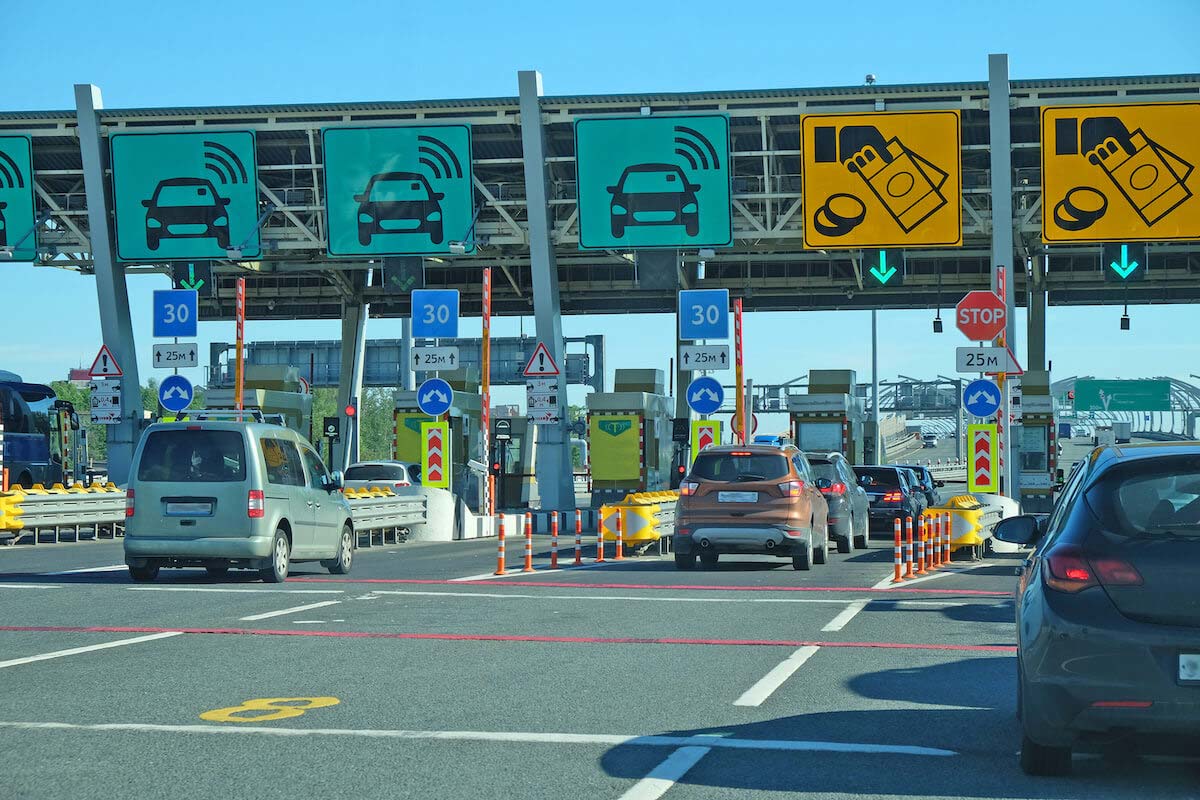
Texas employs a variety of toll road systems, managed by different authorities across the state. The most prominent among these are the Texas Department of Transportation (TxDOT) toll roads, which are often part of larger highway projects, and regional toll road authorities such as the Harris County Toll Road Authority (HCTA) in the Houston area, the Central Texas Regional Mobility Authority (CTRMA) serving Austin and surrounding counties, and the North Texas Tollway Authority (NTTA) in the Dallas-Fort Worth metroplex.
Transponders: The Easiest Way to Pay
The most convenient and often the most cost-effective method for paying tolls in Texas is through a transponder. These small electronic devices are mounted on your vehicle’s windshield and communicate wirelessly with toll readers as you pass through toll plazas.
Types of Transponders:
- Statewide Pass: Many drivers opt for a statewide pass, such as TxTag, through TxDOT. This single transponder is accepted on toll roads managed by TxDOT and also on those operated by the HCTA, CTRMA, and NTTA, providing seamless coverage across most of Texas. This is generally the recommended option for frequent travelers or those residing in or visiting multiple major metropolitan areas.
- Regional Transponders: While a statewide pass covers most areas, some drivers might choose to use a transponder specific to a particular region if they primarily travel within that area. For instance, an NTTA TollTag is ideal for residents of the Dallas-Fort Worth metroplex. However, it’s crucial to verify acceptance on other toll roads before relying solely on a regional transponder.
How Transponders Work:
When you set up a transponder account, you link it to your vehicle and a payment method, typically a credit card or a bank account. As you drive through a toll plaza, the transponder is scanned, and the toll amount is automatically deducted from your prepaid account or billed to your linked payment method. This eliminates the need to stop and pay, saving you time and often providing a discount compared to other payment methods.
Pay-By-Mail and Pay-By-Plate: Alternatives for Non-Transponder Users
For those who don’t have a transponder or whose transponder isn’t recognized, Texas toll authorities offer alternative payment options.
Pay-By-Mail:
If you are a visitor or rarely use toll roads, you might receive a “Toll Bill” in the mail. This bill is generated by identifying your vehicle’s license plate through cameras at the toll plaza. The bill is then sent to the registered owner of the vehicle at the address on file with the Texas Department of Motor Vehicles.
- Receiving a Bill: Toll bills are typically sent out within a few weeks of the toll usage. They will detail the specific toll roads used, the dates of travel, and the amount due.
- Payment Options: Pay-by-mail options usually include online payment, mailing a check or money order, or sometimes paying in person at designated customer service centers. It’s crucial to pay these bills by their due date to avoid late fees and potential penalties.
- Cost: Be aware that Pay-By-Mail often incurs higher fees than using a transponder due to the administrative costs associated with identifying and billing drivers.
Pay-By-Plate:
Similar to Pay-By-Mail, Pay-By-Plate involves capturing your license plate information. However, this method usually requires you to proactively set up an account or make a payment online or through an app before or shortly after using the toll road.
- Proactive Setup: With Pay-By-Plate, you would typically create an online account linked to your license plate. You then pre-fund this account or link a payment method, and tolls are deducted as you use the roads. This is a good option if you have an out-of-state license plate and want to avoid receiving a bill in the mail, or if you prefer not to install a transponder.
- Post-Use Payment: Some authorities also allow you to enter your license plate number on their website after using a toll road and pay for the tolls incurred within a specific timeframe. This requires diligence to remember to pay promptly.
- Fees: Similar to Pay-By-Mail, Pay-By-Plate services may also have additional administrative fees compared to transponder usage.
Managing Your Toll Account and Payments
Regardless of the payment method you choose, responsible account management is key to avoiding issues.
Setting Up and Maintaining Your Transponder Account:
- Online Portals: Most toll authorities have user-friendly websites where you can set up and manage your account. This includes adding or updating vehicle information, changing payment methods, checking your balance, and reviewing your toll history.
- Automatic Replenishment: To ensure your account always has sufficient funds, most transponder systems offer automatic replenishment. You can set a minimum balance threshold, and when your account drops below that level, a set amount is automatically charged to your linked payment method.
- Notifications: Keep your contact information up-to-date. Most providers will send email or text notifications for low balances, upcoming payment reminders, or account issues.
Dealing with Toll Bills and Inquiries:
- Timely Payment: If you receive a toll bill, prioritize paying it by the due date. Late payments can result in significant penalties, which can escalate over time.
- Disputing Charges: If you believe you’ve received an incorrect bill, contact the respective toll authority’s customer service immediately. They can investigate the charge and provide clarification or make adjustments if necessary. Keep records of all your travel and correspondence.
- Customer Service: Texas toll authorities generally offer robust customer service channels, including phone support, email, and online chat. Don’t hesitate to reach out if you have questions or encounter problems.
Specific Toll Road Authorities and Their Services
While the principles of paying tolls are similar across Texas, understanding the specific providers can be beneficial.
TxDOT Toll Roads:
TxDOT operates a significant number of toll roads across the state, often integrated into major highway systems. Their primary transponder is the TxTag.
- TxTag: Managed by TxDOT, TxTag is accepted statewide on most toll facilities, including those operated by NTTA, HCTA, and CTRMA. It’s a popular choice for its broad compatibility.
Harris County Toll Road Authority (HCTA):
Serving the greater Houston area, the HCTA manages toll roads such as the Hardy Toll Road, Sam Houston Tollway, and Westpark Tollway.
- HCTRA E-Pass: HCTRA offers its own transponder, the E-Pass. While it functions well within Harris County, it’s also interoperable with other major toll systems in Texas.
Central Texas Regional Mobility Authority (CTRMA):
The CTRMA is responsible for several toll projects in the Austin metropolitan area, including SH 130 and various express lanes on major highways.
- Central Texas Tag (CTX): The CTRMA issues the CTX transponder, which is also interoperable with other Texas toll systems.
North Texas Tollway Authority (NTTA):
The NTTA manages a vast network of toll roads in the Dallas-Fort Worth area, including the President George Bush Turnpike, Dallas North Tollway, and Sam Rayburn Tollway.
- NTTA TollTag: The TollTag is the NTTA’s electronic payment method. It is widely accepted across Texas toll roads through interoperability agreements.
Tips for a Smooth Toll Road Experience
To ensure your travels through Texas are as seamless as possible, consider these practical tips:
- Research Your Route: Before embarking on your journey, especially if you’re unfamiliar with the area, use GPS navigation apps that can show you toll roads and their associated costs. Some apps allow you to choose routes that avoid tolls altogether if that’s your preference.
- Install Your Transponder Correctly: Follow the manufacturer’s instructions for mounting your transponder on your windshield. Improper installation can lead to it not being read correctly, resulting in Pay-By-Mail invoices or potential fines.
- Keep Your Account Updated: Ensure your vehicle information and payment methods are always current in your online account. This prevents payment issues and avoids unexpected fees.
- Understand Signage: Pay attention to overhead signs as you approach toll plazas. They often indicate the payment methods accepted (e.g., cash, transponder accepted, express toll only).
- Travel with a Plan: If you’re planning an extended trip or frequently travel through Texas, investing in a statewide transponder like TxTag is highly recommended for convenience and potential cost savings.
By familiarizing yourself with these systems and best practices, you can confidently navigate the intricate toll road network of Texas, ensuring your focus remains on the incredible sights and experiences this state has to offer. Enjoy your exploration of the Lone Star State!
LifeOutOfTheBox is a participant in the Amazon Services LLC Associates Program, an affiliate advertising program designed to provide a means for sites to earn advertising fees by advertising and linking to Amazon.com. Amazon, the Amazon logo, AmazonSupply, and the AmazonSupply logo are trademarks of Amazon.com, Inc. or its affiliates. As an Amazon Associate we earn affiliate commissions from qualifying purchases.