
Before the vibrant archipelagos of Hawaii became a territory and later the 50th state of the United States, these paradisiacal islands had a rich, complex, and deeply spiritual history of self-governance. For centuries, the Hawaiian Islands were a realm of indigenous sovereignty, evolving from isolated chiefdoms into a unified kingdom that navigated the treacherous waters of global colonial expansion. Understanding who truly “owned” Hawaii before American influence took root means delving into the ancient traditions of its first settlers, tracing the rise of its monarchy, and acknowledging the political machinations that ultimately led to its annexation. This journey through time offers not just a historical account but also a profound insight into the enduring spirit of the Hawaiian people and the cultural tapestry that continues to enchant travelers today. For those seeking a deeper connection with their destination, exploring this past is as crucial as finding the perfect resort or the most pristine beach.
The Ancient Roots: A Land of Chiefs and Kingdoms
The story of Hawaii begins long before any Western vessel graced its shores. It is a tale woven with the courage of intrepid voyagers, the wisdom of ancestral knowledge, and a profound respect for the land and sea. The original inhabitants of these isolated islands were not “owned” by anyone in the Western sense; rather, they lived in a symbiotic relationship with their environment, guided by a sophisticated social structure and spiritual beliefs.
The Arrival of Polynesians and Early Settlements
The earliest human footprints on the Hawaiian Islands belong to skilled navigators from Polynesia, who embarked on epic journeys across vast stretches of the Pacific Ocean in double-hulled canoes. It is believed that the first waves of settlers arrived between 300 and 800 CE, primarily from the Marquesas Islands, followed by later migrations from Tahiti around the 11th to 14th centuries. These voyagers brought with them not only their families and cultural practices but also essential plants, animals, and tools, laying the foundation for a vibrant new society.
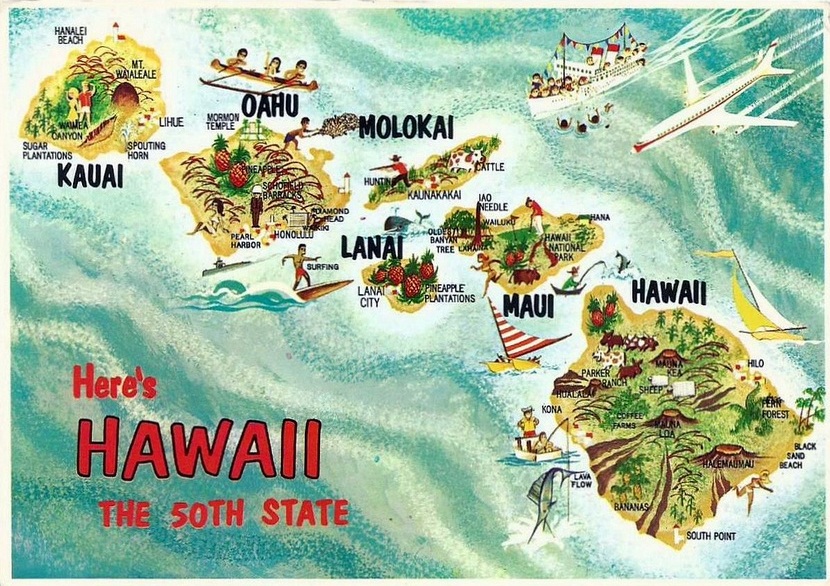
Upon arrival, these settlers dispersed across the major islands, including Oahu, Maui, Molokai, Lanai, Kauai, Niihau, and the Big Island (also known as Hawaii Island). They established self-sufficient communities, developing intricate agricultural systems like kalo (taro) cultivation in terraced wetlands and sophisticated aquaculture techniques in fishponds. Their unique relationship with the land, known as mālama ʻāina (to care for the land), was central to their existence, viewing the earth not as property to be owned but as a living entity to be cherished and sustained. This deep-rooted connection to nature and community is still evident in contemporary Hawaiian culture, influencing everything from local cuisine to environmental conservation efforts that travelers can experience today. Many guided tours and cultural experiences in Hawaii are designed to educate visitors about these ancient practices and the respect Hawaiians hold for their environment.
The Formation of Island Kingdoms
Over centuries, as populations grew and resources were managed, the isolated settlements evolved into complex social structures. The concept of aliʻi (chiefs) emerged, hereditary leaders who governed specific territories, often entire islands or significant portions thereof. These chiefs held immense power and were considered sacred, their authority derived from their lineage and their connection to the gods. Society was structured hierarchically, with the aliʻi nui (high chiefs) at the apex, followed by lesser chiefs, priests (kahuna), skilled artisans, and the common people (makaʻāinana).
Warfare between rival chiefdoms was common, as chiefs sought to expand their influence and control over fertile lands and strategic resources. These conflicts gradually led to the consolidation of power, with a few dominant chiefs emerging on each major island. By the late 18th century, before significant foreign contact, the islands were essentially a patchwork of independent, warring kingdoms, each with its own ruler and distinct identity. This period of dynamic internal politics laid the groundwork for the eventual unification of the islands under a single monarch, a pivotal moment in Hawaiian history. For modern travelers interested in historical landmarks, remnants of these ancient chiefdoms can still be visited, such as heiau (temples) and ancient fishponds, offering a tangible link to Hawaii’s profound past. Exploring these sites provides a unique perspective on the island’s journey, far removed from the luxury travel experiences often associated with the destination.
The Unification of Hawaii: The Reign of Kamehameha the Great
The arrival of Captain James Cook in 1778 marked a dramatic turning point, introducing the Hawaiian Islands to the wider world and, crucially, to Western technology, particularly firearms. This introduction would profoundly alter the balance of power among the warring chiefs and pave the way for an extraordinary leader to forge a unified nation.
Forging a Nation
Among the many ambitious chiefs, one stood out: Kamehameha I, born on the Big Island. A formidable warrior and shrewd strategist, Kamehameha I recognized the immense advantage that Western weaponry could provide. By carefully cultivating relationships with foreign traders and acquiring muskets and cannons, he systematically embarked on a campaign to conquer and unite all the islands under his rule. His military prowess, combined with his diplomatic skills and the support of key allies, led to a series of decisive victories.
By 1795, Kamehameha I had conquered Maui, Molokai, and Oahu, adding them to his control of the Big Island and Lanai. Kauai and Niihau were eventually ceded to him without further bloodshed, completing the unification of the archipelago. In 1810, Kamehameha I officially established the Kingdom of Hawaii, becoming its first monarch, known as Kamehameha the Great. This marked the first time the entire island chain was governed under a single, centralized authority, a remarkable achievement that transformed the islands from disparate chiefdoms into a recognized nation-state. This period saw the establishment of stable governance and laws, fostering a sense of national identity. Visiting historical sites associated with Kamehameha I, such as his statue in Honolulu or significant battlegrounds, provides a powerful link to this founding era, inspiring a deeper appreciation for the unique culture that flourished under his reign.
The Kamehameha Dynasty and Foreign Influence
The Kamehameha Dynasty ruled for nearly 80 years, overseeing a period of immense change and complex interactions with foreign powers. Following Kamehameha I’s death in 1819, his son, Liholiho, ascended to the throne as Kamehameha II. During his reign, and that of his successor, Kauikeaouli (Kamehameha III), Hawaii experienced a rapid influx of missionaries, traders, and whalers from Europe and the United States.
These foreign influences brought significant transformations. The traditional kapu system (a code of conduct and religious laws) was abolished, and Christianity began to take root. Western ideas of land ownership were introduced, culminating in the Great Mahele of 1848, which privatized Hawaiian lands and fundamentally altered the traditional communal land tenure system. While intended to provide commoners with land, it ultimately allowed foreign businessmen to acquire vast tracts, laying the groundwork for future economic and political shifts. The monarchy, under leaders like Kamehameha III, skillfully navigated these pressures, securing international recognition for Hawaii as an independent nation from countries such as the United States, Great Britain, and France. This period of astute diplomacy and internal reform solidified Hawaii’s position on the global stage, a testament to the resilience and foresight of its leaders. For visitors, understanding this era offers context for the blend of cultures and historical architecture found in places like Honolulu, where ancient Hawaiian sites coexist with colonial-era buildings, providing a rich backdrop for exploring the island’s unique lifestyle.
A Kingdom in Transition: Sovereignty and Shifting Tides
The late 19th century brought intensifying pressures on the Hawaiian Kingdom. As its strategic location in the Pacific Ocean became increasingly valuable for trade and military purposes, the ambitions of foreign powers, particularly the United States, began to overshadow the sovereignty of the independent nation.
European and American Interests
From the mid-19th century onwards, American influence in Hawaii grew steadily. American missionaries had established a strong presence, converting many Hawaiians to Christianity and influencing the education system. American businessmen, particularly those involved in the lucrative sugar plantations, became powerful economic forces, acquiring significant landholdings and employing large numbers of immigrant laborers from Asia, Portugal, and other Pacific nations. The United States also saw Hawaii as a crucial naval outpost, especially after its expansion westward to the Pacific coast. Treaties were signed, granting the United States preferential trade agreements and, notably, exclusive rights to use Pearl Harbor as a coaling and repair station.
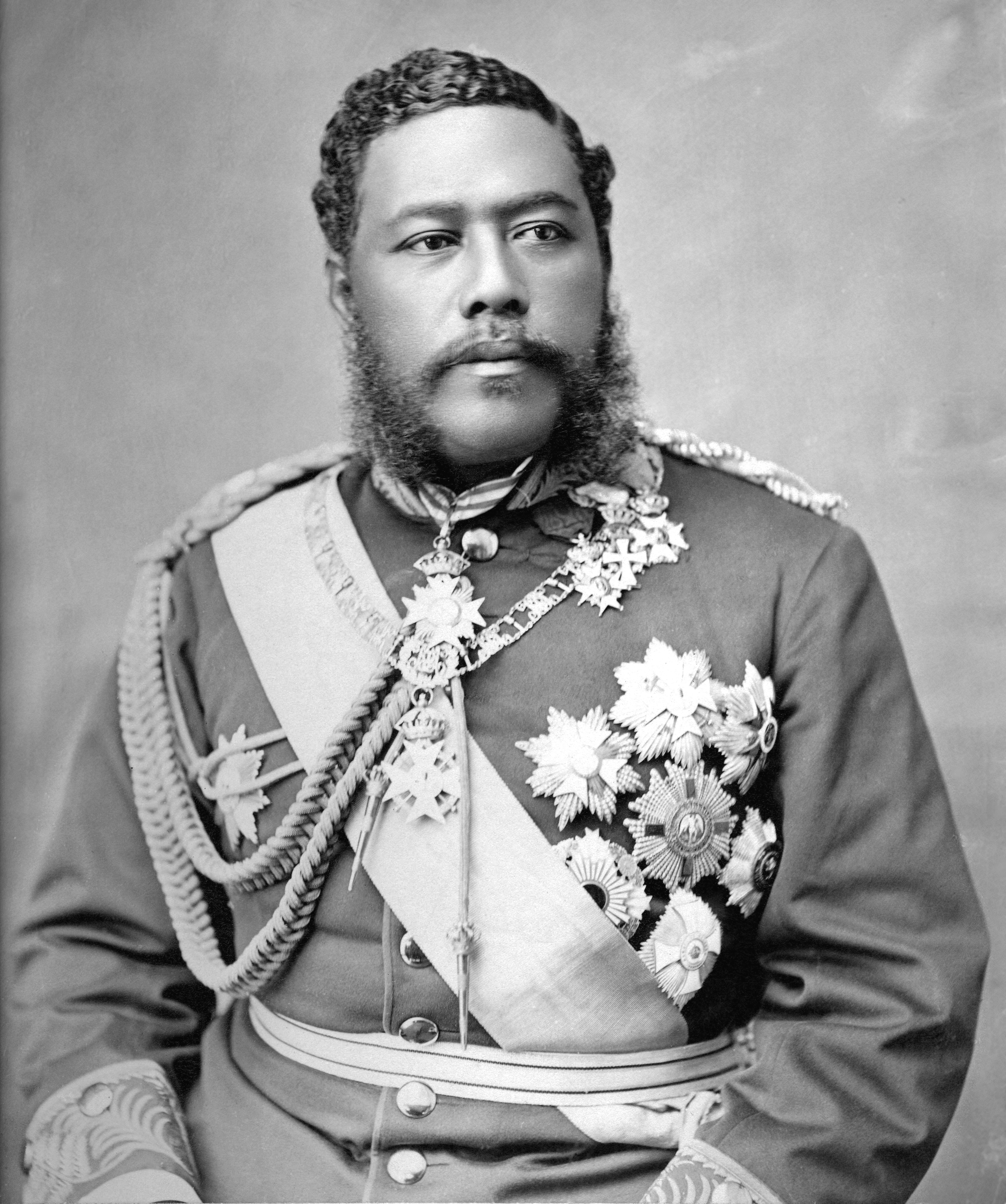
As the indigenous Hawaiian population declined due to introduced diseases, and as foreign residents gained economic power, political tensions rose. The monarchy, under rulers like King Kalākaua, sought to protect Hawaiian sovereignty and traditional culture, often clashing with the burgeoning Western business interests. King Kalākaua’s efforts to restore traditional practices and strengthen the monarchy were met with resistance from a powerful faction of American and European businessmen and descendants of missionaries, who sought greater political control. This era highlights the complex interplay of cultural preservation and external economic pressures, themes that continue to resonate in contemporary discussions about tourism and local culture in Hawaii. Travelers can explore this history by visiting sites like the Iolani Palace in Honolulu, the only official residence of royalty in the United States, which stands as a poignant symbol of the monarchy’s struggle and grandeur.
The Overthrow of the Monarchy
The increasing pressure on the Hawaiian monarchy culminated in a series of events that ultimately led to its demise. In 1887, a group of armed, non-Hawaiian militia, backed by powerful American businessmen, forced King Kalākaua to sign the “Bayonet Constitution,” stripping the monarch of most of his authority and disenfranchising many native Hawaiians and Asian immigrants. This effectively transferred significant power to the wealthy, predominantly American, landowning elite.
Upon King Kalākaua’s death, his sister, Queen Liliʻuokalani, ascended to the throne in 1891. A strong and fiercely patriotic ruler, she immediately sought to restore power to the monarchy and the Hawaiian people by proposing a new constitution. This move directly challenged the interests of the powerful American sugar planters and businessmen. In response, on January 17, 1893, a group known as the Committee of Safety, composed primarily of American and European residents, staged a coup d’état. They were supported by a contingent of United States Marines, who landed in Honolulu and positioned themselves near the government buildings and the Iolani Palace. To avoid bloodshed, Queen Liliʻuokalani reluctantly surrendered her throne under protest, appealing to the United States government for justice.

Despite initial investigations by President Grover Cleveland concluding that the overthrow was illegal, the provisional government, led by Sanford B. Dole, refused to relinquish power. In 1894, they declared the establishment of the Republic of Hawaii, which was quickly recognized by international powers, including the United States. This period marked the end of the sovereign Hawaiian Kingdom, a profound loss of self-determination for the indigenous people who had governed their lands for centuries. For travelers interested in history, visiting Iolani Palace offers an immersive experience, allowing one to walk the very halls where Queen Liliʻuokalani made her stand, providing a solemn reminder of Hawaii’s complex path to statehood.
The Legacy Endures: Experiencing Hawaii’s Rich Past Today
The overthrow of the monarchy and subsequent annexation by the United States in 1898 did not erase the profound cultural and historical legacy of the Hawaiian people. Instead, it became a defining chapter that continues to shape the islands’ identity and the vibrant cultural experiences available to visitors. Today, Hawaii stands as a testament to the resilience of its indigenous culture, offering a unique blend of historical reflection, natural beauty, and modern travel amenities.
Exploring Historical Landmarks and Cultural Sites
For travelers seeking to delve deeper than the pristine beaches and luxurious resorts, Hawaii presents a wealth of historical landmarks and cultural sites. The Iolani Palace in Honolulu remains paramount, offering tours that transport visitors back to the days of Hawaiian royalty, providing insights into the opulent lives of the monarchs and the tragic events of the overthrow. Just a short drive from Honolulu, the Bishop Museum stands as the premier cultural and natural history institution in Hawaii and the Pacific. Its extensive collections of Hawaiian artifacts, royal family heirlooms, and natural science specimens offer an unparalleled educational experience, perfect for family trips looking to blend education with adventure.
On the Big Island, the Hulihee Palace in Kona serves as a former vacation residence for Hawaiian royalty, now a museum showcasing period furniture and artifacts. Nearby, Puʻuhonua o Hōnaunau National Historical Park, or Place of Refuge, offers a glimpse into ancient Hawaiian law and sanctuary, an essential visit for understanding the spiritual foundations of Hawaiian society. These sites are more than just attractions; they are living testaments to a powerful and enduring civilization. Accommodations ranging from luxury villas to budget-friendly apartments are available near these landmarks, allowing travelers to tailor their stay to their historical exploration preferences.
Beyond palaces and museums, the very landscape tells stories. Ancient heiau (temples) dot the islands, often offering stunning vistas and a sense of spiritual connection to the land. Waimea Valley on Oahu combines botanical gardens with historical sites and cultural demonstrations, providing a holistic experience. These landmarks are crucial for understanding the traditional Hawaiian lifestyle and the ingenuity of its people.
Embracing Hawaiian Culture Through Travel
Modern tourism in Hawaii offers countless ways to engage with the rich legacy of the islands, moving beyond mere sightseeing to truly embrace the local culture. Cultural activities, from traditional hula performances to luau feasts that showcase ancient culinary practices, provide immersive experiences. Learning about the Hawaiian language (ʻōlelo Hawaiʻi) or participating in workshops on lei making, ʻukulele playing, or lauhala weaving allows visitors to connect directly with the traditions that have been preserved despite centuries of change.
Many resorts and hotels, particularly those emphasizing local culture, incorporate Hawaiian art, architecture, and language into their design and guest experiences. Some even offer direct access to cultural practitioners or organize excursions to significant historical sites. From the bustling streets of Honolulu to the serene landscapes of Kauai’s Na Pali Coast, the spirit of old Hawaii permeates daily life. Enjoying a cup of local Kona Coffee, savoring traditional poi, or hiking through areas like Haleakala National Park on Maui or Hawaii Volcanoes National Park on the Big Island allows for a deeper appreciation of the land that shaped a civilization.
Budget travel options and long-term stays also open opportunities to integrate into local communities, supporting indigenous businesses and artists. Whether it’s through guided tours that share ancestral stories, visits to local markets, or simply engaging with the warmth and hospitality of the Hawaiian people (aloha), understanding who owned Hawaii before the United States enriches every aspect of a trip. It transforms a vacation into a journey of discovery, honoring a legacy of sovereignty, resilience, and an unbreakable bond between people and place. The modern traveler has a unique opportunity to be a respectful guest, contributing to the preservation of a culture that thrived long before the world knew of its existence.
LifeOutOfTheBox is a participant in the Amazon Services LLC Associates Program, an affiliate advertising program designed to provide a means for sites to earn advertising fees by advertising and linking to Amazon.com. Amazon, the Amazon logo, AmazonSupply, and the AmazonSupply logo are trademarks of Amazon.com, Inc. or its affiliates. As an Amazon Associate we earn affiliate commissions from qualifying purchases.