
For travelers eyeing the vibrant cultural exchange and diverse landscapes spanning the Texas-Mexico Border, the question of its operational status is paramount. While the concept of an “open” or “closed” border often carries complex connotations, particularly given historical events and evolving immigration policies, the general answer for legitimate tourism and commercial travel is typically “yes.” However, this “open” status comes with a nuanced understanding of specific entry requirements, designated crossing points, and current advisories. The dynamic nature of international borders means that staying informed is key to a seamless travel experience.
The Texas border with Mexico is one of the busiest in the world, facilitating millions of crossings annually for various purposes, including family visits, business, medical tourism, and leisure. For those planning a trip, whether it’s a quick day visit to a border town or an extended exploration of both sides, understanding the procedures and current conditions is crucial. Our guide aims to demystify border travel, offering insights into navigation, attractions, accommodation, and safety, ensuring your journey is as enriching as it is smooth.
Navigating the Texas-Mexico Border: A Traveler’s Guide
Crossing an international border, even between close neighbors like the United States and Mexico, requires preparation and adherence to specific protocols. For travelers, understanding these procedures is the first step towards a hassle-free experience, allowing you to focus on the adventure ahead rather than logistical hurdles.
Current Status and Entry Requirements
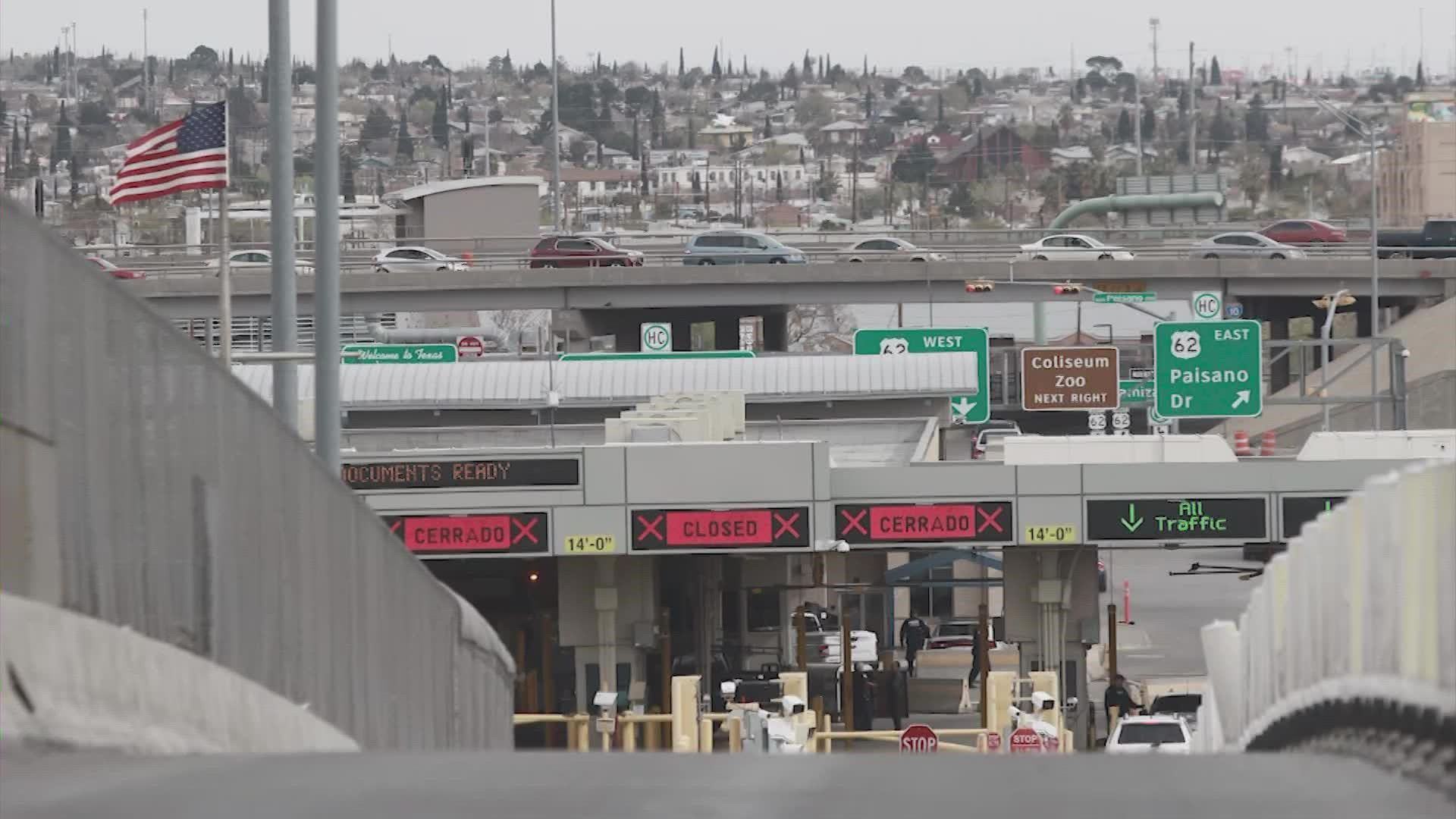
The Texas-Mexico Border is characterized by numerous official ports of entry, each designed to manage the flow of people and goods. While restrictions on “non-essential” travel were notably implemented during the COVID-19 pandemic, these have largely been lifted, returning to pre-pandemic operational norms. This means that tourism, shopping, and visits to family and friends are generally permitted for those with the correct documentation.
For U.S. citizens entering Mexico by land, a valid passport or passport card is typically recommended, though other Western Hemisphere Travel Initiative (WHTI) compliant documents like an Enhanced Driver’s License may be accepted. A Mexican FMM (Forma Migratoria Múltiple) tourist permit is required for stays longer than 7 days or if traveling beyond the immediate border zone, and it can often be obtained at the border crossing point. Conversely, for Mexican citizens entering the United States, a valid passport and a Border Crossing Card (BCC) or a U.S. visa are essential. Frequent crossers might consider trusted traveler programs like NEXUS, SENTRI, or FAST to expedite their passage, though availability for land crossings varies.
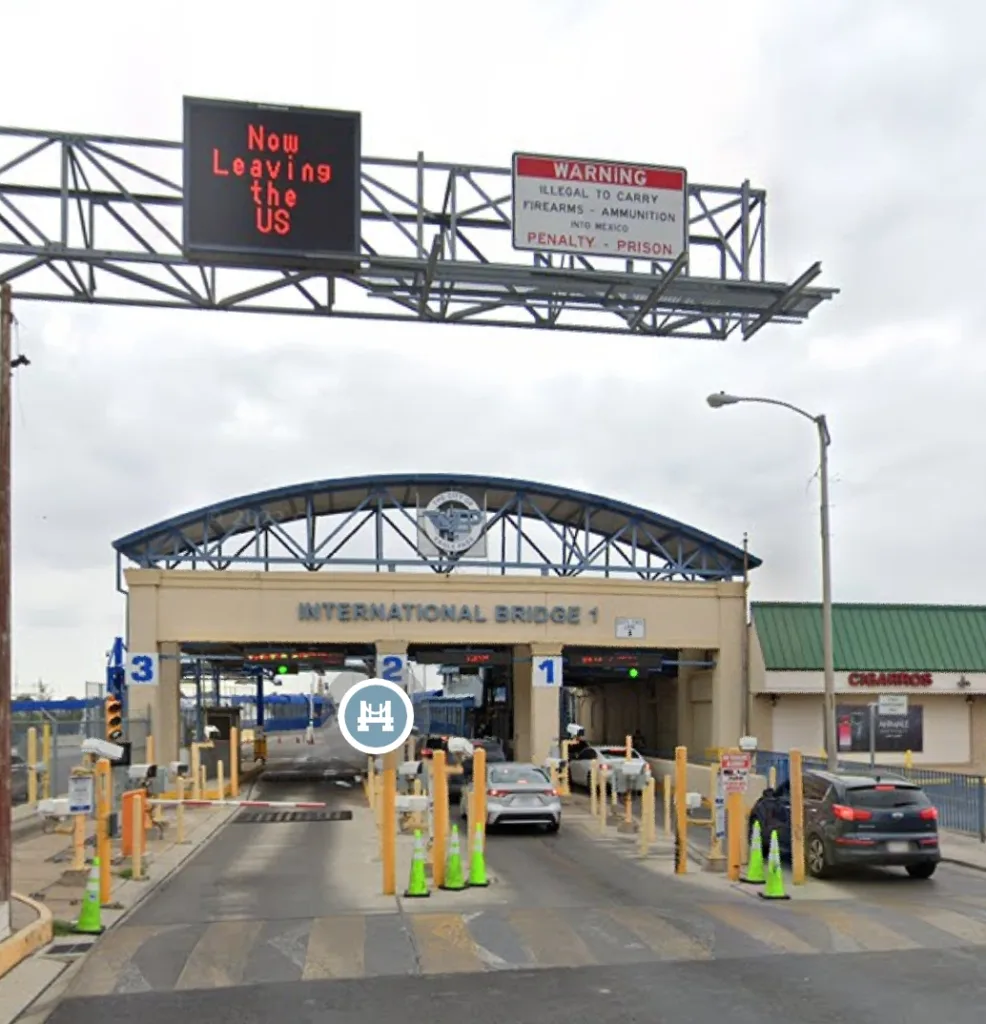
Customs and immigration procedures are standard at all official checkpoints. Travelers should be prepared to declare any goods, especially those exceeding personal allowances, and adhere to currency declaration rules if carrying large sums. It’s always advisable to consult the latest requirements from the U.S. Customs and Border Protection and Mexican immigration authorities before your trip, as regulations can change.
Tips for a Smooth Border Crossing
Optimizing your border crossing experience can significantly enhance your travel plans. Timing is often everything; weekends, holidays, and peak commuter hours typically see longer wait times. Mid-week mornings or late evenings are generally the best times for quicker passage. Checking real-time border wait times through official apps or websites can also provide invaluable assistance in planning.
When traveling by vehicle, ensure all your documentation is in order. If driving your U.S. plated car into Mexico, you’ll need valid Mexican auto insurance, as U.S. policies are generally not recognized south of the border. For travel beyond the border zone in Mexico, a Temporary Import Permit (TIP) for your vehicle may be required, which can be obtained online or at the border. Remember to keep your travel documents, vehicle registration, and insurance readily accessible. Be honest and thorough when declaring items to customs officials to avoid delays or penalties. A well-prepared traveler is a happy traveler, ready to explore the riches that lie across the border.
Exploring the Borderlands: Destinations and Attractions
The Texas-Mexico Border region is far more than just a line on a map; it’s a vibrant tapestry of intertwined cultures, breathtaking natural beauty, and historical significance. From bustling twin cities to serene natural parks, the borderlands offer a unique blend of experiences for every type of traveler.
Texas Gems Along the Rio Grande
On the Texas side, cities lining the Rio Grande river pulse with a distinctive Tex-Mex energy. El Paso, often referred to as the “Sun City,” forms a fascinating twin-city metropolitan area with Ciudad Juarez, Mexico. Here, visitors can immerse themselves in rich history at landmarks like the El Paso Mission Trail, explore vibrant downtown districts, and savor authentic Tex-Mex cuisine. Further east, Laredo stands as a major port of entry, famed for its shopping opportunities, historic downtown area, and close ties to Nuevo Laredo. Its historic sites like the Republic of the Rio Grande Museum offer a glimpse into the region’s unique past.
McAllen, in the Rio Grande Valley, is a hub for ecotourism, especially bird watching, attracting enthusiasts to sites like the National Butterfly Center. It pairs with Reynosa across the border, known for its medical and dental tourism. At the easternmost point of the border lies Brownsville, a city rich in Civil War history, offering proximity to the stunning beaches of South Padre Island. While not directly on the border, the vast wilderness of Big Bend National Park, a UNESCO World Heritage Site, is a spectacular natural landmark shaped by the Rio Grande and offers unparalleled opportunities for hiking, stargazing, and experiencing raw desert beauty. Each of these cities provides a unique gateway to understanding the profound cultural and historical layers of the border region.
Mexican Delights Just Across the Border
Venturing into Mexico across the Texas border unveils a world of authentic experiences. In Ciudad Juarez, visitors can explore historical sites like the Misión de Nuestra Señora de Guadalupe, enjoy vibrant nightlife, and indulge in world-renowned Mexican cuisine that goes far beyond typical border fare. The city’s markets, such as the Mercado Reforma, offer a sensory overload of local crafts, fresh produce, and street food.
Nuevo Laredo is a bustling commercial center known for its shopping, offering everything from traditional artisan goods to modern retail. Visitors often enjoy the local dining scene and the lively atmosphere of its central plazas. In Reynosa and Matamoros, similar experiences await, with opportunities to explore local culture, enjoy authentic flavors, and engage with friendly communities. Whether you’re looking for a quick day trip to sample street tacos and browse markets, or a longer stay to delve deeper into the local history and art scene, the Mexican border towns offer an accessible and enriching cultural immersion. From mariachi music filling the air to vibrant festivals celebrating local traditions, the experiences here are truly unforgettable.
Accommodation and Lifestyle Along the Border
The diversity of the Texas-Mexico Border region extends to its accommodation options and the various lifestyles it caters to. Whether you’re a luxury traveler, a budget-conscious adventurer, a family on vacation, or a business professional, you’ll find suitable lodging and experiences tailored to your needs.
Finding Your Perfect Stay
On the U.S. side in Texas, a wide array of hotels and resorts cater to every preference. In El Paso, options range from historic boutique hotels like The Stanton House, offering luxurious stays and stunning city views, to modern establishments like Hotel Indigo El Paso Downtown, known for its vibrant atmosphere and proximity to downtown attractions. For those seeking a coastal retreat, the resorts on or near South Padre Island, such as the Pearl South Padre or the lively Margaritaville Beach Resort South Padre Island, provide beachfront access, extensive amenities, and a relaxed atmosphere perfect for family vacations or romantic getaways.
Further inland, and serving as a regional travel hub, the sophisticated city of San Antonio offers world-class resorts like La Cantera Resort & Spa, providing an upscale experience with golf courses, multiple pools, and fine dining. For travelers on a tighter budget, numerous motels, guesthouses, and vacation rentals are available throughout the border cities, offering comfortable and convenient stays. Business travelers might also find serviced apartments or extended-stay hotels in cities like McAllen and Laredo, catering to longer visits associated with cross-border commerce and industrial activities.
Diverse Travel Lifestyles in the Border Region
The Texas-Mexico Border region is uniquely positioned to accommodate various travel lifestyles. Families can enjoy educational trips exploring the historical missions, engaging wildlife encounters, or simply relaxing on the beaches of South Padre Island. The cultural fusion offers a fantastic learning opportunity for children and adults alike.
For the luxury traveler, exclusive resorts, high-end dining experiences, and bespoke tours across both sides of the border provide an indulgent escape. Imagine a gourmet food tour in Ciudad Juarez followed by a stay at a lavish El Paso hotel. Budget-conscious adventurers will find plenty of value in local street food, free public parks, hiking trails in natural areas, and affordable markets brimming with unique finds. Camping in areas like Big Bend National Park offers an economical way to experience stunning nature.
Business travelers frequently leverage the border’s economic connectivity, attending conferences, managing logistics, or engaging in international trade. The infrastructure in cities like Laredo and McAllen is well-equipped to support their needs. Furthermore, medical tourism thrives in Mexican border towns like Reynosa and Nuevo Laredo, where travelers can access quality healthcare services at a fraction of the cost in the United States, often staying in nearby accommodations on the Texas side. This diverse array of offerings ensures that every traveler can find their niche in this captivating region.
Responsible Tourism and Safety Considerations
While the Texas-Mexico Border offers a wealth of exciting travel opportunities, responsible tourism also includes prioritizing safety and staying informed. A mindful approach to travel ensures not only your well-being but also a positive impact on the communities you visit.
Staying Informed and Prepared
The political and social landscape of any border region can be dynamic, so it’s vital to stay updated on current conditions. Before and during your trip, consult official government advisories. The U.S. State Department issues travel advisories for Mexico by state, providing valuable information on safety and security. Similarly, the Mexican Foreign Affairs Ministry offers guidance for visitors. Pay attention to local news sources from both sides of the border for specific, localized information that might affect your travel plans.
Purchasing comprehensive travel insurance is always a wise decision for international trips, covering unforeseen circumstances like medical emergencies, trip cancellations, or lost luggage. Keep copies of all important documents, such as your passport and visa, both digitally and physically separate from the originals. Registering your trip with your country’s embassy or consulate can also provide an added layer of support in an emergency.
Safety Practices for Border Travelers
General safety practices apply even more rigorously in unfamiliar environments. Always be aware of your surroundings, especially in crowded areas like markets or public transportation hubs. Avoid displaying large sums of cash or expensive jewelry that might attract unwanted attention. It’s generally advisable to travel during daylight hours, especially when crossing the border or venturing into less familiar areas.
Research the specific neighborhoods or areas you plan to visit, and if in doubt, stick to well-trafficked tourist zones. If driving, be cautious on rural roads, particularly at night. It’s prudent to keep emergency contact numbers readily accessible, including those for local authorities, your accommodation, and your country’s embassy or consulate. By exercising common sense and adhering to local advice, you can mitigate risks and ensure that your experience along the Texas-Mexico Border is memorable for all the right reasons.
In conclusion, the Texas-Mexico Border is indeed open for a myriad of travelers seeking cultural exchange, economic opportunities, and diverse experiences. While it requires diligent preparation and adherence to regulations, the rewards of exploring this vibrant region are immense. From the bustling streets of El Paso and Ciudad Juarez to the tranquil beauty of the Rio Grande and the lively beaches of South Padre Island, the borderlands offer a unique journey. By staying informed, preparing diligently, and traveling responsibly, you can unlock the rich tapestry of destinations, cultures, and adventures that define this incredible part of the world.
LifeOutOfTheBox is a participant in the Amazon Services LLC Associates Program, an affiliate advertising program designed to provide a means for sites to earn advertising fees by advertising and linking to Amazon.com. Amazon, the Amazon logo, AmazonSupply, and the AmazonSupply logo are trademarks of Amazon.com, Inc. or its affiliates. As an Amazon Associate we earn affiliate commissions from qualifying purchases.