
Understanding the intricacies of time zones is a fundamental aspect of seamless travel, and when planning an adventure to the Gem State, asking “What is the time zone for Idaho?” reveals a unique geographical quirk. Unlike many United States states that adhere to a single time zone, Idaho proudly straddles two distinct zones: Mountain Time Zone (MT) and Pacific Time Zone (PT). This dual-zone reality presents both an interesting geographical fact and a practical consideration for travelers, business professionals, and even locals coordinating activities across the state. For those venturing into Idaho for its stunning landscapes, vibrant cities, or unique cultural experiences, grasping this time zone division is crucial for everything from booking accommodations and scheduling tours to simply making dinner reservations without a hitch.
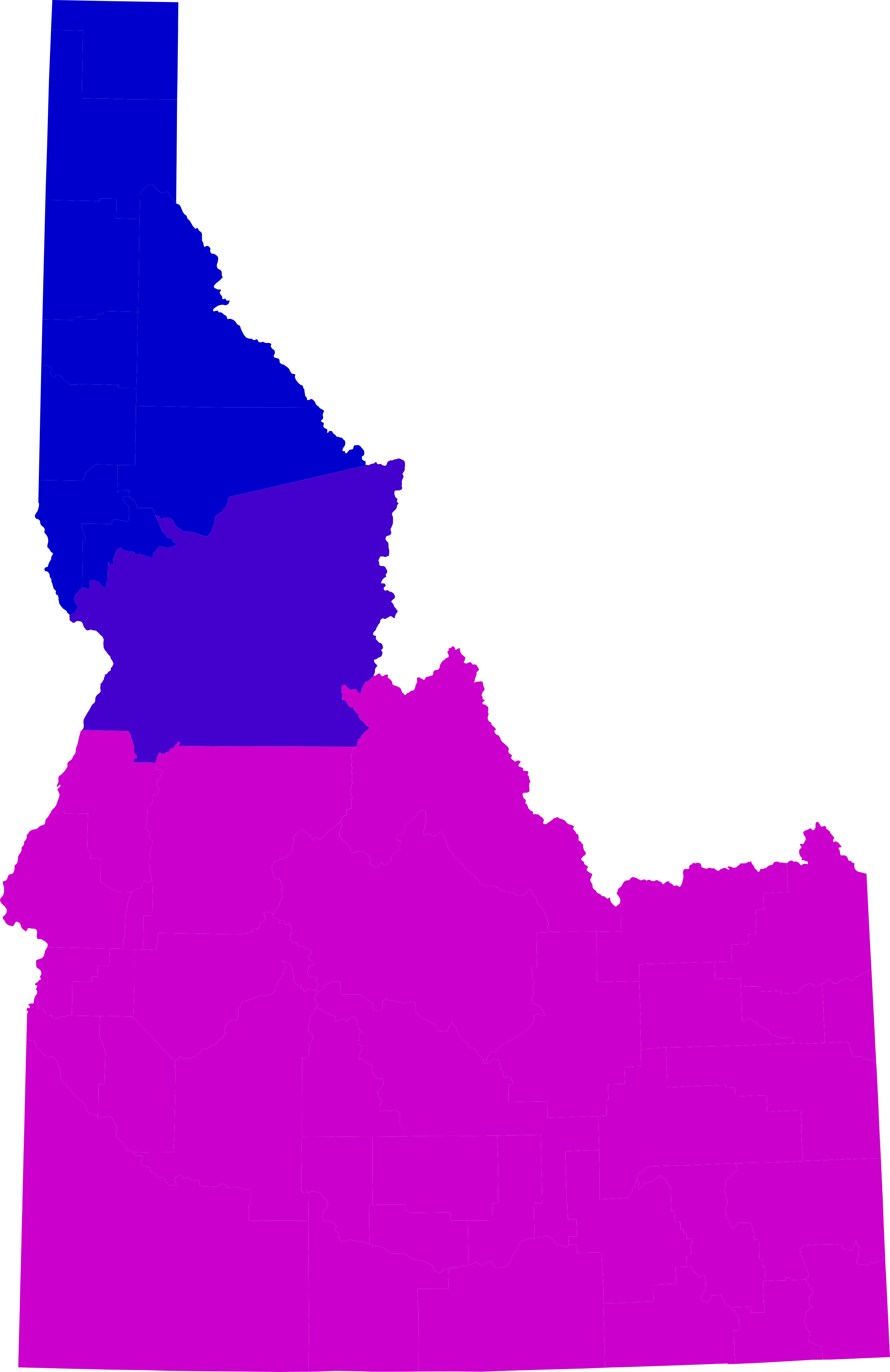
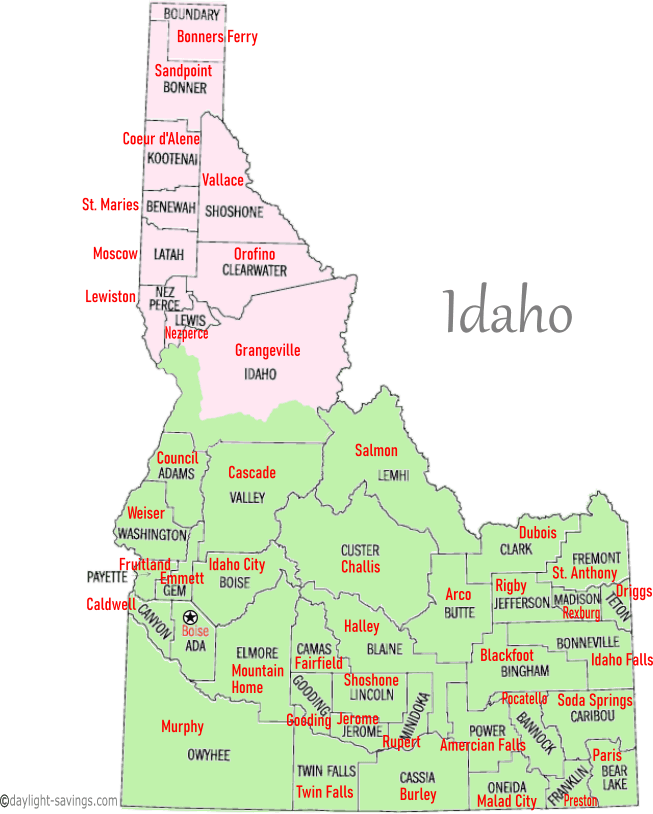
The vast majority of Idaho operates on Mountain Time Zone, observing Daylight Saving Time by typically switching to Mountain Daylight Time (MDT) during the warmer months. However, a significant portion of Northern Idaho, primarily the Idaho Panhandle, follows Pacific Time Zone, also adjusting for Daylight Saving Time to Pacific Daylight Time (PDT). This creates a one-hour difference between the northernmost counties and the rest of the state, a detail that can easily trip up an unprepared traveler. Our comprehensive guide will delve into which areas fall into each zone, why this division exists, and most importantly, how to navigate these time differences to ensure your Idaho travel experience is as enjoyable and stress-free as possible. From planning your itinerary to choosing the perfect accommodation, understanding Idaho’s time zones is your first step towards unlocking an unforgettable adventure in this diverse and captivating state.
Navigating Idaho’s Dual Time Zones: A Geographical Breakdown
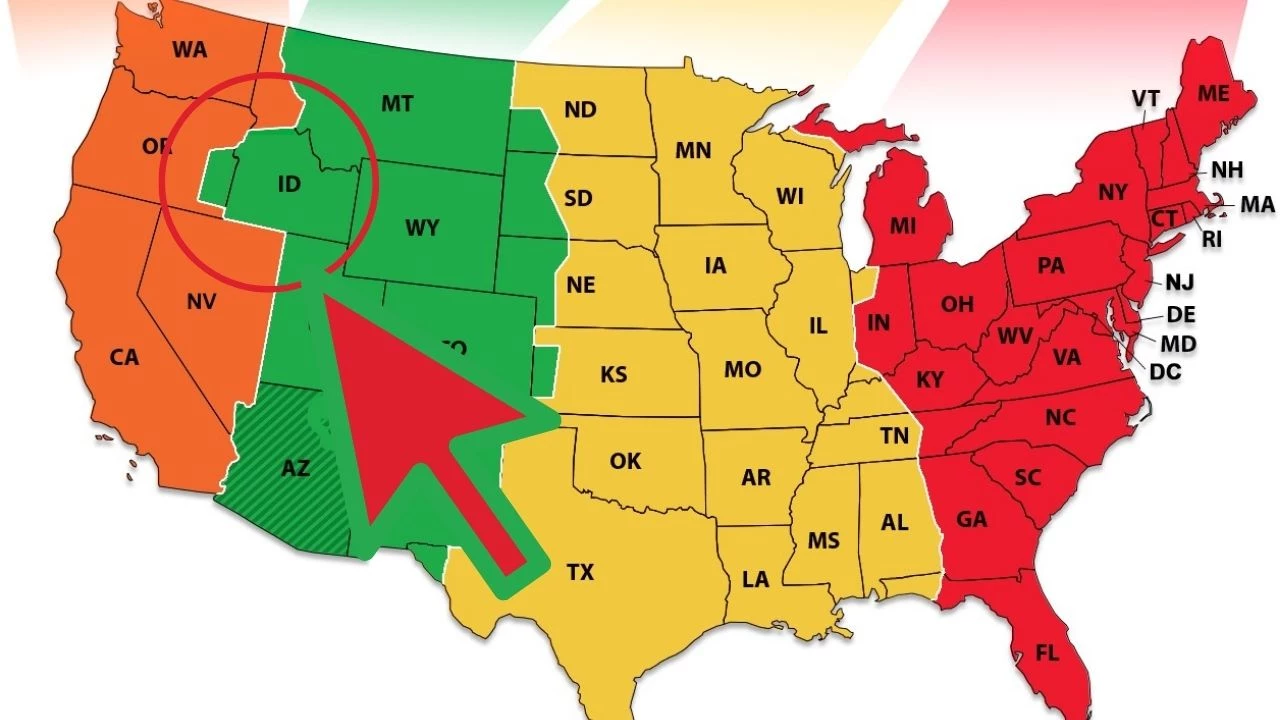
The unique split in Idaho’s time zones is primarily a result of its long, narrow shape and its geographical alignment with neighboring states. The state stretches far enough north to align closely with the Pacific Time Zone states like Washington and Oregon, while its eastern and southern regions are more naturally aligned with Mountain Time Zone states such as Montana, Wyoming, and Utah. This geographical reality has led to the current division, which, while logical from a regional coordination standpoint, requires careful attention from visitors.
The Mountain Time Zone Dominance
The vast majority of Idaho, covering its southern and central regions, operates under the Mountain Time Zone. This includes the state’s capital and largest city, Boise, which serves as a major hub for travel, business, and culture. Visitors arriving at Boise Airport (BOI) will immediately be on Mountain Time, setting the rhythm for their exploration of this dynamic part of the state.
Key cities and popular destinations within the Mountain Time Zone include:
- Boise: The vibrant capital, known for its extensive Boise Greenbelt, burgeoning food scene, and proximity to outdoor adventures like those at Bogus Basin.
- Sun Valley: A world-renowned ski resort and year-round luxury destination, attracting visitors for its pristine slopes, hiking trails, and upscale accommodations.
- Idaho Falls: A gateway to Yellowstone National Park and Grand Teton National Park, offering scenic riverwalks and a friendly atmosphere.
- Pocatello: Home to Idaho State University, with a rich history and access to the Caribou-Targhee National Forest.
- Twin Falls: Famous for the breathtaking Shoshone Falls (often called the “Niagara of the West”) and the dramatic Snake River Canyon, a paradise for base jumpers and outdoor enthusiasts.
- Craters of the Moon National Monument and Preserve: A surreal landscape formed by ancient lava flows, offering unique hiking and stargazing opportunities.
- Bruneau Dunes State Park: Featuring North America’s tallest single-structured sand dune, perfect for sandboarding and stargazing.
When planning your journey to these destinations, it’s safe to assume you’ll be on Mountain Time Zone. This consistency makes scheduling within this larger segment of the state relatively straightforward.
The Pacific Time Zone Slice
The approximately ten counties that form the Idaho Panhandle in Northern Idaho observe the Pacific Time Zone. This region is geographically and economically tied more closely to eastern Washington and Oregon than to the rest of Idaho, making the Pacific Time Zone a practical choice for local commerce and communication.
Prominent cities and attractions in Idaho’s Pacific Time Zone include:
- Coeur d’Alene: A popular resort town on the shores of Lake Coeur d’Alene, offering a vibrant downtown, water sports, and luxury accommodations. It’s a prime destination for tourism and lifestyle experiences.
- Sandpoint: Nestled on Lake Pend Oreille and near Schweitzer Mountain Resort, this charming town is a haven for outdoor enthusiasts and known for its scenic beauty.
- Lewiston: Located at the confluence of the Snake River and Clearwater River, Lewiston is the state’s only seaport, offering river cruises, access to Hells Canyon, and a rich history.
- Silverwood Theme Park: The largest theme park in the Pacific Northwest, located near Athol, a major draw for families seeking thrills and entertainment.
If your travel plans take you to these northern gems, remember to set your clocks back an hour (or forward, depending on the season and your origin) compared to the rest of Idaho. This small adjustment can prevent missed appointments and ensure smooth transitions, especially if you’re traveling across the time zone boundary within the state itself.
The Practicalities: Planning Your Idaho Trip Across Time Zones
For travelers, the time zone difference in Idaho isn’t just a geographical curiosity; it’s a practical consideration that impacts almost every aspect of trip planning. From coordinating flights to booking a dinner reservation, understanding whether you’re in Mountain Time Zone or Pacific Time Zone is key to a seamless experience.
Accommodation and Booking Considerations
Booking your Idaho accommodation requires attention to detail, especially regarding check-in and check-out times. Most online booking platforms will display times in the local zone of the property, but it’s always wise to double-check, particularly if you’re booking from a different time zone.
Consider a scenario where you’ve flown into Boise (MT) and plan to drive north to Coeur d’Alene (PT) on the same day. If your flight lands at 1 PM MT, and you have a hotel reservation at the Coeur d’Alene Resort with a 3 PM check-in, you might think you have plenty of time. However, once you cross into the Pacific Time Zone, that 1 PM MT arrival becomes 12 PM PT, giving you an extra hour before check-in. Conversely, if you’re driving south from Coeur d’Alene to stay at The Grove Hotel in Boise, a 3 PM PT departure becomes 4 PM MT upon crossing the line, potentially cutting into your afternoon plans or making you rush for a meeting.
Always confirm specific check-in/check-out times with your hotel, apartment rental, or villa host. If you’re coordinating with tour operators or guides, clarify all timings in their local time, and ensure you’ve adjusted your personal schedule accordingly. This small step can prevent unnecessary stress and ensures a smooth start and end to your stay.
Activities, Dining, and Experiences
The time zone divide extends to planned activities, restaurant reservations, and any pre-booked experiences. Idaho offers a wealth of activities, from hitting the slopes in Sun Valley to exploring the lakes of Northern Idaho. Each region’s local time dictates operating hours for attractions, guided tours, and restaurant service.
Imagine you’ve booked a thrilling white-water rafting trip on the Snake River near Twin Falls (MT) for 9 AM. Later in your trip, you plan a leisurely dinner cruise on Lake Coeur d’Alene (PT) departing at 7 PM. These timings are relative to their local zones. If you’re communicating with someone in Boise about your dinner cruise in Coeur d’Alene, remember that 7 PM PT is 8 PM MT. For business travelers, coordinating virtual meetings or conference calls with partners across the state requires explicit time zone declarations to avoid miscommunications.
When making reservations for dining or experiences, explicitly state the time zone or confirm with the establishment. For example, “I’d like a table for 7 PM Pacific Time Zone” leaves no room for error. This attention to detail ensures you don’t miss that gourmet meal or thrilling adventure.
Tips for Seamless Time Zone Transitions
To navigate Idaho’s dual time zones effortlessly, here are some actionable tips:
- Always Confirm Local Time: When communicating about plans, explicitly ask or state the time zone. For example, “Is that 10 AM MT or 10 AM PT?” This clarity is invaluable.
- Utilize Technology: Your smartphone or smartwatch can be a great asset. Most devices automatically update to the local time zone. When crossing the time zone boundary within Idaho, ensure your device has registered the change. Consider adding a second world clock widget to your phone, showing both MT and PT for easy reference.
- Create a Detailed Itinerary: When planning your trip, note the time zone for each destination and activity. A day-by-day itinerary with explicit time zones will serve as your personal guide.
- Allow Buffer Time: If you’re driving from one time zone to another for an appointment or activity, build in extra buffer time. This accounts not only for the time change but also for potential delays on the road.
- Inform Your Contacts: If you’re traveling with family or colleagues, make sure everyone is aware of the time zone changes, especially when coordinating meet-ups or check-ins.
- Download Offline Maps: While not directly time-zone related, having offline maps of Idaho on your phone can be a lifesaver, especially if you lose signal in remote areas near time zone boundaries. Knowing your exact location can help confirm the local time.
By implementing these strategies, you can minimize confusion and maximize your enjoyment of everything Idaho has to offer, without a single missed appointment.
Beyond the Clock: Idaho’s Diverse Appeal
While navigating Idaho’s time zones is a practical necessity, it’s merely a backdrop to the state’s incredible diversity and appeal. Idaho is a destination rich in natural beauty, vibrant local culture, thrilling activities, and unique lifestyle experiences, making it a prime choice for various types of travelers.
From the rugged peaks of the Rocky Mountains to the fertile plains and high desert, Idaho’s landscapes are as varied as its time zones. The Mountain Time Zone region, encompassing most of the state, is a haven for outdoor adventurers. Here, you can immerse yourself in the Sawtooth National Recreation Area, offering unparalleled hiking, fishing, and camping experiences. The capital city of Boise blends urban sophistication with easy access to nature. Its downtown core, home to the Old Idaho Penitentiary, a site listed on the National Register of Historic Places, offers a glimpse into the state’s past, while the Boise River Greenbelt provides miles of scenic pathways for cycling and walking. For those interested in luxury travel, Sun Valley delivers world-class resorts, fine dining, and year-round recreational opportunities from skiing in winter to mountain biking in summer.
Moving east, destinations like Idaho Falls and Pocatello serve as cultural and historical centers, with museums and local eateries that offer a taste of authentic Idaho hospitality. Further south, the dramatic Shoshone Falls and the geological wonders of Craters of the Moon National Monument and Preserve are natural landmarks that should not be missed. These areas offer a blend of active adventures and opportunities for quiet contemplation, catering to budget travelers and family trips alike.
Meanwhile, the Pacific Time Zone in the Idaho Panhandle boasts a different kind of allure. Coeur d’Alene, with its pristine lake and charming downtown, is a quintessential resort town. Here, you can enjoy boat tours, explore art galleries, or simply relax by the water. The Coeur d’Alene Resort is a prime example of upscale accommodation that perfectly complements a luxurious travel experience. North of Coeur d’Alene, Sandpoint captivates visitors with its artistic community, vibrant music scene, and proximity to Lake Pend Oreille and the Schweitzer Mountain Resort. Families will find endless entertainment at Silverwood Theme Park, a major draw in the region. For those seeking adventure on the water, Lewiston provides access to Hells Canyon, North America’s deepest river gorge, perfect for jet boat tours and scenic overlooks.
Whether you’re drawn to the rugged wilderness, the charm of small towns, or the amenities of larger cities, Idaho offers a travel experience that can be tailored to any preference. Its unique geography, including the dual time zones, only adds another layer of intrigue to this captivating destination. By being mindful of the clock, you can fully immerse yourself in the rich tapestry of experiences that await throughout this remarkable state.
In conclusion, while the question “What is the time zone for Idaho?” reveals a somewhat complex answer, the practicality of navigating two time zones is easily managed with a little foresight and planning. From booking your ideal hotel in Boise or a cozy cabin in Sandpoint to scheduling your outdoor adventures, understanding this geographical nuance ensures your journey through Idaho is nothing short of exceptional. With proper preparation, you can seamlessly transition between Mountain Time Zone and Pacific Time Zone, allowing you to focus on the breathtaking scenery, unique culture, and unforgettable memories that the Gem State so abundantly offers.
LifeOutOfTheBox is a participant in the Amazon Services LLC Associates Program, an affiliate advertising program designed to provide a means for sites to earn advertising fees by advertising and linking to Amazon.com. Amazon, the Amazon logo, AmazonSupply, and the AmazonSupply logo are trademarks of Amazon.com, Inc. or its affiliates. As an Amazon Associate we earn affiliate commissions from qualifying purchases.