
Texas – the Lone Star State – is a destination synonymous with vast landscapes, vibrant cities, rich history, and an undeniably unique culture. From the bustling metropolitan hubs of Dallas and Houston to the live music capital of Austin and the historic charm of San Antonio, this diverse state offers an incredible array of experiences for every kind of traveler. Whether you’re planning a culinary tourism adventure, a deep dive into historical landmarks, or simply seeking a relaxing getaway at a luxurious resort, understanding the local nuances is key to a seamless trip. Among the practical details that can significantly impact your travel experience are the regulations surrounding alcohol sales.
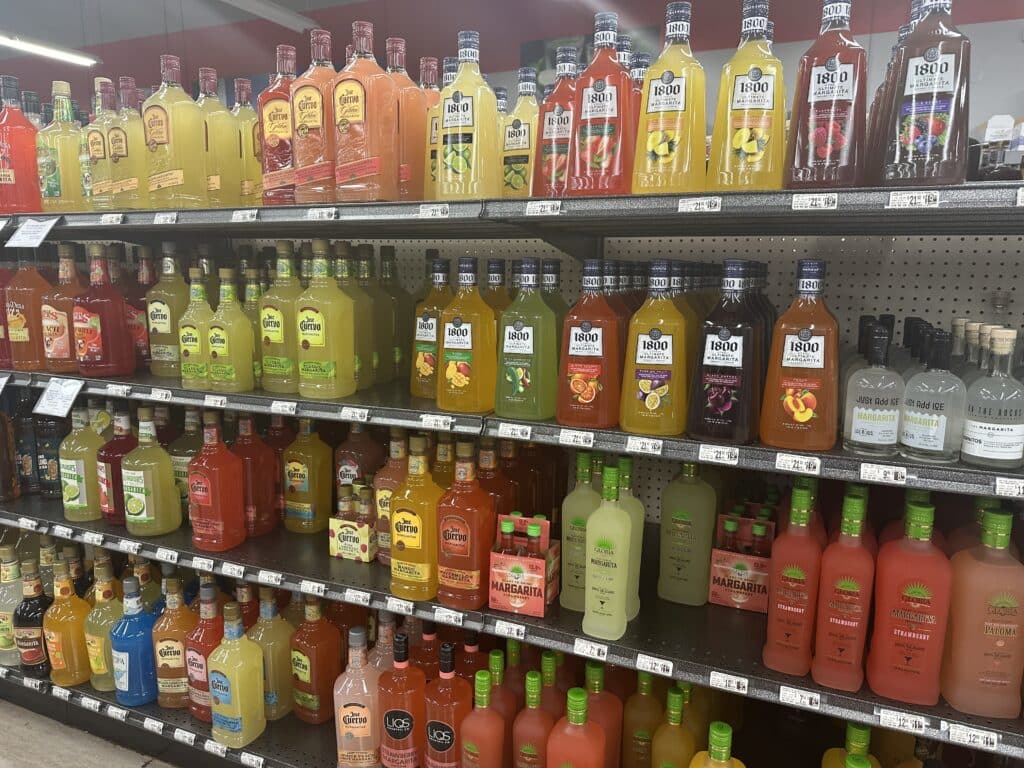
For visitors accustomed to more uniform laws across other states or countries, Texas’s approach to alcohol can seem a little intricate. It’s a blend of statewide statutes and local options, reflecting a historical and cultural tapestry that has evolved over decades. Knowing when and where you can purchase alcoholic beverages isn’t just about adhering to the law; it’s about being prepared, avoiding disappointment, and fully enjoying the vibrant social scenes, exquisite dining, and lively entertainment that Texas proudly offers. This comprehensive guide is designed to clarify these regulations, ensuring you can navigate Texas’s spirited lifestyle with confidence and ease.
Navigating Texas’s Alcohol Landscape: A Visitor’s Introduction
The Lone Star State’s approach to alcohol sales is as grand and varied as its geography. From the Panhandle plains to the Gulf Coast, and the Texas Hill Country to the Rio Grande, local customs and historical legislative decisions have shaped a unique regulatory environment. For those visiting Texas, understanding this framework means you can confidently plan your evenings out, stock up for a relaxing night at your accommodation, or simply know what to expect when exploring different parts of the state.
The General Rules: A Quick Overview
At its core, Texas operates on a tiered system of alcohol regulation. The Texas Alcoholic Beverage Commission (TABC) sets the overarching state laws, which define the maximum allowable hours for alcohol sales. However, crucial to the Texas experience is the principle of “local option,” which grants counties, and even smaller political subdivisions like precincts, the authority to further restrict or expand upon these state-mandated times, particularly concerning the type of alcohol sold and whether it’s for on-premise or off-premise consumption. This means that while there are general guidelines, the specific last call might vary depending on whether you’re in the heart of Austin’s Sixth Street or a quiet rural town.
Why Texas is Unique: Understanding Local Control
The concept of local control over alcohol sales in Texas dates back to post-Prohibition era legislation. Instead of a blanket statewide repeal, the state allowed communities to decide their own fate through local elections. This historical legacy has created a fascinating patchwork of “wet” (where alcohol sales are generally permitted), “dry” (where sales are prohibited), and “partially wet” (where only certain types of alcohol, like beer and wine, are allowed) areas. This unique characteristic is not just a quirky detail; it’s a fundamental aspect of Texas culture and something every traveler should be cognizant of, especially when venturing beyond the major metropolitan areas. It adds an element of local discovery to your journey – sometimes a pleasant surprise, other times requiring a quick adjustment to your plans.
Specific Timings for Various Establishments
The central question for many visitors revolves around the specific hours of operation for different types of alcohol sales. The answer hinges significantly on the kind of establishment you’re visiting and the nature of the beverage you wish to purchase. Here’s a breakdown to help you plan your day and night in Texas.
Bars, Restaurants, and On-Premise Consumption
These are the establishments where you consume alcohol on the premises, such as a lively bar, a fine dining restaurant, or a brewpub. This category includes everything from upscale eateries in Houston to legendary honky-tonks near the Fort Worth Stockyards.
- Standard Hours (Beer, Wine, Mixed Drinks): Generally, alcohol can be served from 7:00 AM to 12:00 AM (midnight) from Monday through Saturday. On Sundays, sales typically commence later, from 10:00 AM to 12:00 AM (midnight). This covers most standard dining and bar experiences.
- Late Hours (Extended Permits): This is where Texas’s vibrant nightlife truly comes alive. Many establishments, particularly in larger cities like Dallas, Houston, Austin, and San Antonio, hold “late hours” permits. These permits allow them to extend their service until 2:00 AM every day of the week, including Sundays. If you’re looking to enjoy a late-night concert on Sixth Street, dance in Deep Ellum, or unwind with a drink after a show, seek out venues with these crucial permits. It’s a game-changer for evening entertainment and ensures that Texas’s major urban areas can compete with any other global city for nightlife excitement.
Grocery Stores, Convenience Stores, and Off-Premise Sales
This category encompasses places where you buy alcohol to take away and consume elsewhere, whether it’s for a picnic at Lady Bird Lake, a quiet drink in your hotel room, or stocking up for a longer stay. These outlets include supermarkets, gas station convenience stores, and many pharmacies.
- Beer and Wine Sales:
- Monday – Friday: Sales are permitted from 7:00 AM to 12:00 AM (midnight).
- Saturday: Sales are permitted for an extended period, from 7:00 AM to 1:00 AM (the following day, meaning Saturday night into Sunday morning).
- Sunday: Sales commence later, from 10:00 AM to 12:00 AM (midnight).
This distinction between weekdays, Saturday, and Sunday for beer and wine sales is important for travelers planning weekend excursions or those arriving in Texas on a Sunday morning hoping to stock up. It’s a good practice to plan your purchases accordingly, especially if you anticipate a quiet evening in your accommodation or a day out exploring the scenic beauty of Texas.
Dedicated Liquor Stores: The Strict Texas Standard
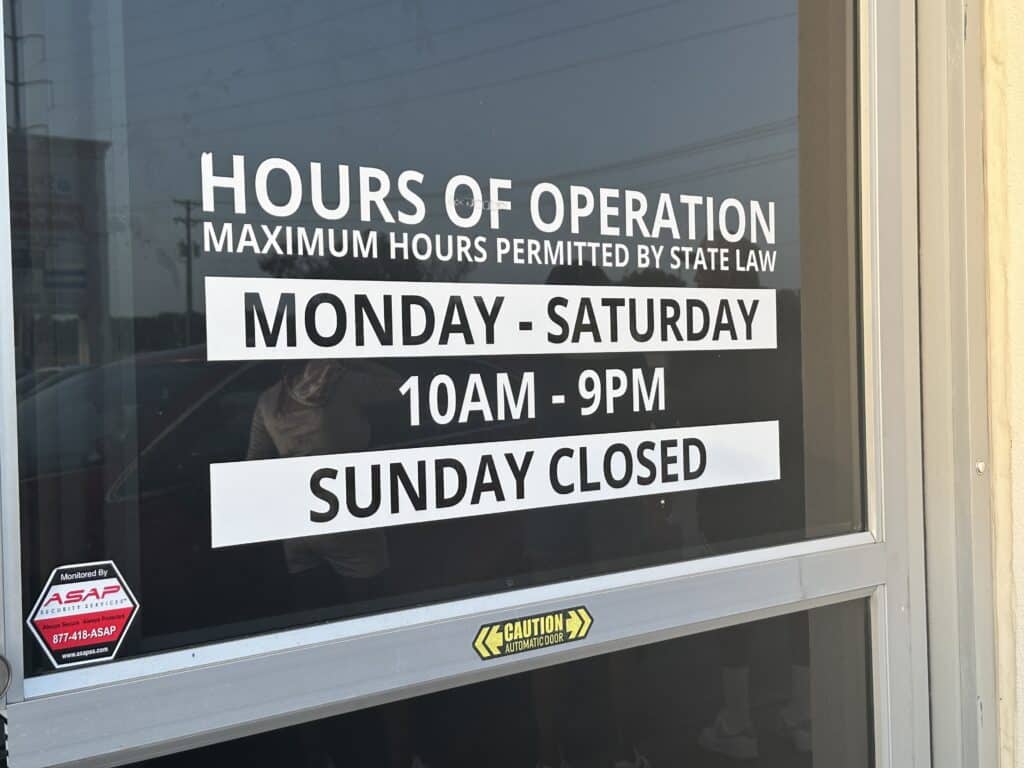
Liquor stores, which exclusively sell distilled spirits (such as vodka, whiskey, rum, and tequila), operate under the strictest regulations in Texas. This is a particular aspect of Texas law that often catches first-time visitors by surprise.
- Operating Hours: Liquor stores can only operate from 10:00 AM to 9:00 PM, Monday through Saturday.
- Sunday Closures: They are closed all day on Sundays. This is a steadfast statewide rule with no exceptions for local permits or special occasions. If you need spirits for a Sunday gathering or a leisurely evening, you must purchase them by Saturday at 9:00 PM.
- Holiday Closures: Furthermore, liquor stores are also legally required to be closed on New Year’s Day, Thanksgiving Day, and Christmas Day. If any of these holidays happen to fall on a Sunday, liquor stores remain closed on the following Monday as well. This is crucial information for anyone planning to purchase spirits, particularly around holiday weekends or for special celebrations during their Texas travel. Always plan ahead to avoid disappointment.
Beyond the Clock: Important Nuances for Texas Visitors
While understanding the closing times is fundamental, a truly informed Texas experience, especially when delving into tourism and local lifestyle, requires an awareness of several other important factors. These nuances reflect the state’s unique legislative history and its cultural approach to alcohol.
The Dry vs. Wet County Divide: What Travelers Need to Know
As previously highlighted, Texas retains the “local option” system, meaning counties and even smaller precincts can determine the legality of alcohol sales within their borders. While major urban centers are almost universally “wet” and offer a full spectrum of alcohol sales, rural areas can vary dramatically.
- Impact on Travelers: If your itinerary takes you off the major highways and into smaller towns or vast natural areas like Big Bend National Park, it is highly advisable to check the local regulations. You might unexpectedly find yourself in a “dry” county where alcohol sales, even at restaurants, are heavily restricted or entirely prohibited. This can be a significant factor if you’re planning a quiet evening at a cabin, a celebratory dinner, or simply stocking up for a camping trip. A quick online search for the county you’ll be passing through or staying in can save you from a surprising and perhaps inconvenient discovery. This is particularly vital for those embarking on extensive road trips across the geographically diverse landscapes of Texas, where access to amenities can change rapidly from one county line to the next.
Special Events and Extended Hours: Exceptions to the Rule
Texas is famous for its lively festivals, concerts, and sporting events, which attract millions of visitors annually. During certain sanctioned events, with appropriate special permits, alcohol sales might be extended beyond the typical 2:00 AM late-hours cut-off.
- Event-Specific Rules: This is common at major venues, stadiums, and expansive festival grounds in cities like Austin (think events like SXSW or Austin City Limits), Houston, and Dallas. Event organizers typically publicize these extended hours well in advance, so always check the specific rules for any major gathering you plan to attend. These exceptions are designed to enhance the festive atmosphere, allowing attendees to enjoy the experience without being overly constrained by standard closing times.
Practical Tips for Enjoying Texas’s Culinary and Social Scene
Beyond the strict timings, a few general tips will help ensure a smooth and enjoyable experience for all visitors interacting with Texas’s alcohol regulations.
- Always Carry Identification: Texas has a strict “21 to drink” law. Even if you appear well over the legal drinking age, expect to be asked for a valid government-issued ID when purchasing alcohol or entering age-restricted venues. It’s standard practice across the state.
- Drink Responsibly: This goes without saying, but with a vibrant nightlife and bustling social scene, it’s paramount to drink responsibly. Designated drivers or ride-sharing services (easily accessible in major cities) are highly recommended, especially when exploring areas known for their bars like Dallas’s Deep Ellum or San Antonio’s historic Riverwalk.
- Ask if Unsure: Texans are renowned for their hospitality. If you’re ever uncertain about specific rules in a particular establishment or locality, don’t hesitate to ask hotel staff, restaurant servers, or local residents. They are usually more than happy to provide guidance.
- Plan Ahead for Sundays and Holidays: This cannot be stressed enough, especially concerning liquor purchases. Anticipating your needs for spirits well in advance of a Sunday or a major holiday will prevent any last-minute scramble or disappointment.
- Be Aware of Public Consumption Laws: While you can certainly enjoy a drink on a licensed restaurant patio or within the confines of a bar, public consumption of alcohol outside of licensed premises is generally prohibited. Stick to designated areas to avoid legal issues.
Planning Your Texas Travel Around Alcohol Regulations
Integrating these alcohol sales rules into your broader travel itinerary can significantly enhance your experience in Texas, particularly for those who appreciate fine dining, lively entertainment, and cultural immersion. Understanding these logistics ensures that your trip runs smoothly and that you can fully partake in the local lifestyle.
Dining, Entertainment, and Accommodation Considerations
When making your accommodation choices, such as booking hotels or resorts, it’s worth inquiring about their specific alcohol service hours, especially if you anticipate late-night dining or unwinding with a drink. Many higher-end hotels in major cities will have “late hours” permits for their bars and room service, offering considerable convenience for guests. For those planning late dinners, checking if a chosen restaurant serves alcohol up to midnight or 2:00 AM can be a deciding factor. This information is particularly valuable for culinary tourism enthusiasts who wish to pair their exquisite Texas meals with a carefully selected beverage, ensuring an uninterrupted and satisfying experience.
Additionally, if you plan to self-cater or enjoy drinks in your room, remember the strict operating hours and Sunday closures for liquor stores. Many hotels might offer small convenience shops or mini-bars that sell beer and wine during permissible hours, which can be a convenient alternative if you miss the cut-off at an external store. Planning your grocery store runs with the Sunday 10:00 AM start time for beer and wine in mind can save you from a morning without your preferred beverage.
Embracing the Local Lifestyle Responsibly
Ultimately, understanding Texas’s alcohol laws is about more than just avoiding potential legal complications; it’s about respecting local customs and contributing to a positive, enjoyable visit for everyone. The state’s diverse regions offer a remarkable spectrum of experiences, from tranquil wine country tours in the Texas Hill Country to the energetic, bustling nights in Austin’s entertainment districts. By being informed and planning thoughtfully, you can seamlessly immerse yourself in the rich culture, savor the local flavors, and fully appreciate the renowned hospitality that Texas so readily extends to its visitors. Whether you’re a connoisseur of craft beers, a lover of fine wines, or simply someone looking to enjoy a casual drink with your meal, navigating these regulations thoughtfully will undoubtedly enhance your overall journey through the Lone Star State. Enjoy every moment of your Texas adventure!
LifeOutOfTheBox is a participant in the Amazon Services LLC Associates Program, an affiliate advertising program designed to provide a means for sites to earn advertising fees by advertising and linking to Amazon.com. Amazon, the Amazon logo, AmazonSupply, and the AmazonSupply logo are trademarks of Amazon.com, Inc. or its affiliates. As an Amazon Associate we earn affiliate commissions from qualifying purchases.