
New Orleans, the vibrant heart of Louisiana in the United States, is a city defined by its rich history, unique culture, unparalleled music scene, and legendary cuisine. Yet, for any prospective traveler planning a visit, one of the most crucial elements to consider is the weather. The temperature in New Orleans isn’t just a number on a thermometer; it’s a fundamental aspect that shapes the entire travel experience, influencing everything from what to pack and where to stay to the types of activities you’ll enjoy and the local festivals you might encounter. Understanding the city’s distinct seasonal climate is key to crafting the perfect New Orleans adventure, whether you’re seeking a lively festival atmosphere, a serene historical tour, or a luxurious escape.
The city’s subtropical climate is characterized by hot, humid summers and mild winters, with pleasant springs and falls often considered the “sweet spots” for tourism. Situated close to the Gulf of Mexico, New Orleans experiences significant humidity year-round, which can make temperatures feel warmer than they are, especially during the peak summer months. This consistent moisture, combined with the often-sunny skies, contributes to the lush greenery and distinctive atmosphere that makes the Crescent City so captivating.
For those venturing into this unique destination, knowing what to expect from the climate is not merely about comfort; it’s about strategic planning. It impacts your accommodation choices, pushing you towards hotels with excellent air conditioning or inviting pools in summer, or cozy indoor amenities in cooler months. It dictates your wardrobe, from lightweight fabrics and sun protection to layers for unexpected chills. Moreover, the climate often dictates the rhythm of the city itself, with locals and tourists alike adapting their daily routines and activities to best suit the conditions. From shaded courtyard dining in the French Quarter to air-conditioned museum explorations, every facet of your trip can be enhanced by a keen awareness of New Orleans’s mercury.
Decoding New Orleans’ Climate: A Seasonal Guide
To truly appreciate New Orleans, it’s essential to understand its distinct seasons and how the temperature fluctuates throughout the year. Each period offers a different facet of the city, presenting unique opportunities and challenges for travelers.
Spring (March-May): The Sweet Spot
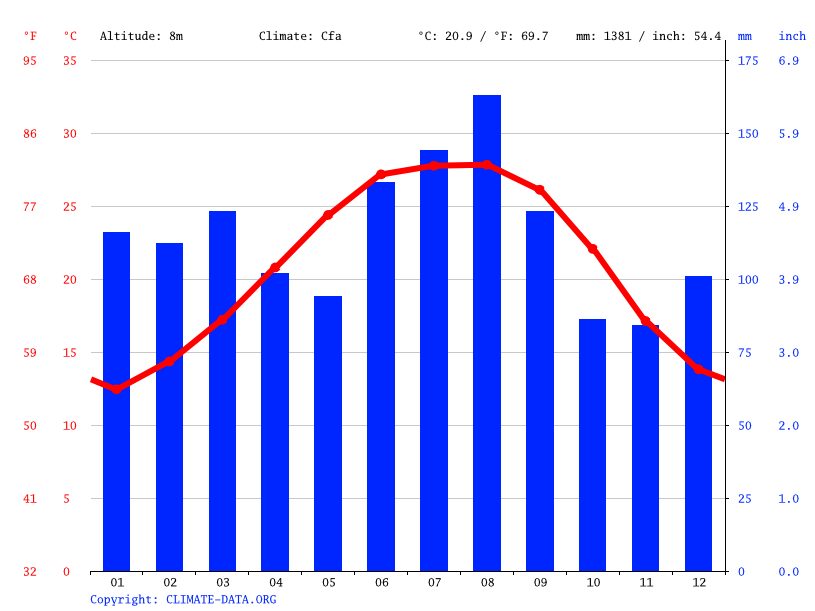
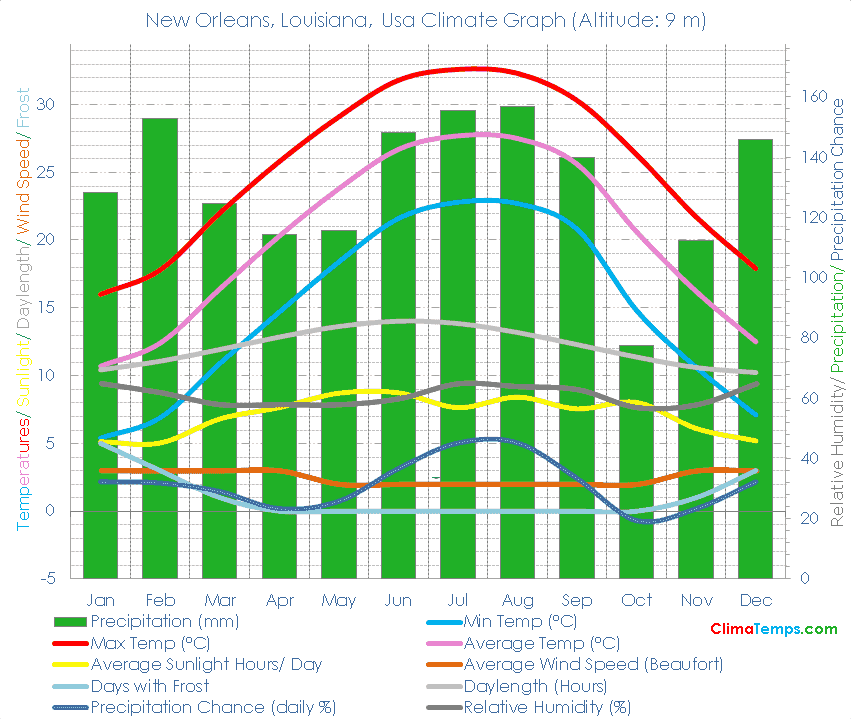
Many agree that spring is the absolute best time to visit New Orleans. The weather during these months is generally sublime, with average daily temperatures ranging from the comfortable low 60s Fahrenheit (around 16-18°C) in March to the pleasant low 70s Fahrenheit (around 22-24°C) by May. Mornings are crisp, afternoons are warm and sunny, and evenings are delightfully mild, making it ideal for exploring on foot. Humidity levels are still manageable, and the threat of severe weather is relatively low compared to later in the year.
This temperate climate perfectly complements the city’s vibrant festival schedule. Mardi Gras often falls in late winter or early spring, bringing cooler temperatures but an unparalleled energy. Post-Mardi Gras, the city continues to buzz with events like the French Quarter Festival and the renowned Jazz Fest (officially the New Orleans Jazz & Heritage Festival), which draws crowds from around the globe. Walking tours of the Garden District or French Quarter become a pleasure, and outdoor dining in picturesque courtyards is a must-do experience. Accommodation during this peak season often requires advance booking, and prices can be higher, reflecting the demand for ideal weather conditions. Travelers looking for the quintessential New Orleans experience, balancing comfort with lively cultural immersion, should target these months.
Summer (June-August): Heat, Humidity, and Hurricanes
Summer in New Orleans is characterized by intense heat and oppressive humidity. Daily high temperatures routinely soar into the low to mid-90s Fahrenheit (32-35°C), often feeling even hotter due to the high humidity, which can push the “real feel” into triple digits. The nights offer little respite, with temperatures hovering in the upper 70s to low 80s Fahrenheit (25-28°C). Afternoon thunderstorms are a common occurrence, often bringing heavy rain but only temporary relief from the heat. This period also marks the beginning of hurricane season, which runs from June 1st to November 30th, necessitating travelers to monitor weather forecasts closely.
Despite the challenging weather, summer in New Orleans has its own unique charm. It’s a time for indoor attractions and cool escapes. Air-conditioned hotels with refreshing pools become highly sought-after amenities. Attractions like the National WWII Museum, the Audubon Aquarium of the Americas, and numerous art galleries in the Warehouse Arts District provide excellent opportunities to stay cool. Restaurants and bars, often dimly lit and well air-conditioned, offer a welcome sanctuary. For budget travelers, summer can be an attractive option as hotel rates often drop after the spring festival season. Lifestyle choices shift towards slower mornings, shaded strolls, and enjoying the city’s indoor entertainment.
Fall (September-November): A Welcome Respite
As summer gradually recedes, fall ushers in another period of fantastic weather. September can still be quite warm and humid, sometimes feeling like an extension of summer, with highs in the upper 80s Fahrenheit (around 30-31°C). However, by October, the temperatures begin to drop significantly, settling into the comfortable 70s Fahrenheit (21-26°C), with pleasant evenings in the 60s Fahrenheit (15-20°C). November continues this trend, offering even cooler, drier days, making it another prime time for exploration. The hurricane season is still active in early fall, but the risk typically diminishes towards late October and November.
Fall is a delightful season for outdoor activities without the intensity of summer. It’s perfect for enjoying open-air concerts, leisurely streetcar rides, and exploring the expansive greenspace of City Park or Audubon Park. The city’s vibrant culinary scene comes alive with patrons enjoying al fresco dining. This season also hosts cultural events like the Voodoo Music + Arts Experience and various culinary festivals. For travelers who prefer a balance of pleasant weather and fewer crowds than spring, fall presents an excellent opportunity, particularly later in the season. Accommodation can still be competitive, especially around major events or holidays like Thanksgiving.
Winter (December-February): Mild and Mirthful
Winter in New Orleans is a stark contrast to much of the United States. Instead of snow and freezing temperatures, visitors can expect mild, often sunny days with average highs in the low to mid-60s Fahrenheit (around 15-18°C). Nights can dip into the 40s Fahrenheit (4-9°C), occasionally touching freezing, but heavy frosts are rare. Rainfall is moderate, and the humidity is at its lowest point of the year, making for very comfortable conditions. While “cold fronts” do occur, they are typically short-lived.
This mild winter climate is ideal for walking the historic streets, enjoying riverboat cruises on the Mississippi River, or visiting nearby plantations like Oak Alley Plantation and Laura Plantation without the discomfort of intense heat. Christmas and New Year’s Eve are celebrated with unique New Orleans flair, often involving outdoor festivities. The cooler temperatures are also perfect for savoring hearty Creole and Cajun dishes. Of course, the crescendo of winter is Mardi Gras, which can fall anywhere from early February to early March. During this period, hotel prices skyrocket, and the city becomes exceptionally crowded. Outside of the immediate Mardi Gras window, winter offers excellent value and a relaxed atmosphere for those looking to experience the city’s charm without the intense summer heat or spring crowds.

Beyond the Thermometer: How Temperature Shapes Your New Orleans Experience
The raw temperature figures only tell part of the story. How New Orleans’s climate feels and how it influences travel, tourism, and lifestyle choices are paramount to a fulfilling trip.
Activities and Attractions: Adapting to the Weather
Depending on the season, travelers will find themselves gravitating towards different types of experiences. In the sweltering summer, indoor attractions are king. Museums like the National WWII Museum offer hours of air-conditioned exploration, while the Audubon Aquarium of the Americas and Audubon Zoo (with plenty of shaded areas) provide family-friendly fun. Even historic sites often have climate-controlled visitor centers. Literary tours of the French Quarter or visits to the iconic St. Louis Cathedral can be done at a leisurely pace.
Conversely, the mild temperatures of spring, fall, and winter invite extensive outdoor exploration. Strolling down Bourbon Street, taking a carriage ride through Jackson Square, or enjoying live music on Frenchmen Street becomes much more comfortable. Guided walking tours, swamp tours just outside the city, and even simply meandering through the charming neighborhoods of Tremé or the Garden District are best enjoyed when the weather is cooperative. The historic New Orleans streetcars provide a classic way to see the city, offering a gentle breeze on warmer days and an enclosed, cozy ride on cooler ones.
Culinary Delights and Refreshments
New Orleans’s famous food and drink scene also adapts to the temperature. In summer, refreshing options dominate. Think chilled seafood gumbo, crisp salads, and, of course, a steady stream of icy beverages. Iconic cocktails like the Hurricane and Sazerac are perfect for cooling down, along with local Abita Beer. Many restaurants offer shaded outdoor patios or spacious, cool interiors. Grabbing a frozen Cafe Du Monde au lait might be your preferred way to enjoy beignets during a summer morning.
As temperatures cool in fall and winter, heartier, warming dishes come to the forefront. Rich gumbos, jambalayas, and étouffées become even more appealing. Hot coffee and warm beignets from Cafe Du Monde are comforting treats. Upscale dining establishments like Commander’s Palace offer sumptuous multi-course meals that feel perfectly suited to a brisk evening. The city’s lively bar scene, from the elegant Carousel Bar & Lounge at Hotel Monteleone to casual dives, offers a welcoming warmth.
Festivals and Events: Weather-Wise Planning
The extensive calendar of festivals and events in New Orleans is inextricably linked to its climate. Most of the largest outdoor gatherings, such as Mardi Gras, Jazz Fest, and French Quarter Festival, are strategically scheduled in the cooler, drier months of spring and winter. These periods allow for comfortable enjoyment of parades, outdoor music stages, and street parties. Trying to host a massive outdoor festival in July would be impractical and potentially dangerous due to the heat.
Conversely, summer often sees smaller, more localized events, or those heavily reliant on indoor venues or evening hours. Even indoor events like conventions and conferences often find New Orleans appealing during the summer, as the city offers world-class facilities and unique off-site experiences within easy reach. Understanding the city’s temperature patterns can help travelers align their visit with the type of cultural immersion they seek, whether it’s the high-energy outdoor revelry of spring or the more intimate, cool-season celebrations.
Navigating Accommodation and Lifestyle Choices in New Orleans’ Climate
Making informed decisions about where to stay and how to live like a local (or at least a smart visitor) are vital for a comfortable and memorable trip to New Orleans, regardless of the season.
Hotel Amenities for Every Season
When selecting accommodation, the climate should be a significant factor. During the scorching summer, strong air conditioning is non-negotiable, and a hotel with a swimming pool becomes an invaluable asset for cooling off after a day of sightseeing. Many of New Orleans’s luxury hotels, such as The Roosevelt New Orleans, A Waldorf Astoria Hotel, Ritz-Carlton, New Orleans, Windsor Court Hotel, or the Pontchartrain Hotel, offer not only exquisite rooms but also refreshing pools, often with pool-side service. For travelers on a budget, checking reviews for effective AC systems is paramount.
In the cooler months, while AC is still appreciated, hotels with cozy common areas, perhaps a fireplace lounge, or rooms with charming street views that can be enjoyed from an open window, might be more appealing. Many historic boutique hotels, particularly in the French Quarter and Garden District, feature lovely courtyards perfect for a morning coffee or an evening drink when the weather is mild. For those planning a longer stay or seeking an immersive local experience, serviced apartments or vacation rentals offer more space and the ability to cook, which can be a boon in any climate.
Packing Smart: Essentials for the Crescent City
Packing for New Orleans requires thoughtful consideration of the temperature and humidity.
- Summer: Lightweight, breathable fabrics are essential – think cotton, linen, and moisture-wicking materials. A wide-brimmed hat, sunglasses, and high-SPF sunscreen are vital for sun protection. Hydration is key, so consider bringing a reusable water bottle. Comfortable walking shoes are always important, but sandals or open-toed shoes might be preferred in the heat. An umbrella or light rain jacket is useful for sudden downpours.
- Spring/Fall: Layers are your best friend. Days can be warm, but evenings can cool down. A light jacket or sweater for the evenings is advisable. Comfortable walking shoes are a must, as you’ll likely be doing a lot of exploring. Sun protection remains important.
- Winter: While mild, temperatures can drop, especially at night. Pack a medium-weight jacket, sweaters, and long pants. You might still get some pleasantly warm days, so lighter layers underneath are a good idea. Closed-toe shoes are generally more comfortable for cooler weather.
Regardless of the season, comfortable shoes are perhaps the most important item to pack, as much of New Orleans’s charm is discovered on foot.
The Local Lifestyle: Embracing the Heat (or the Chill)
The people of New Orleans have long adapted their lifestyle to the climate. During the summer, days start early to accomplish tasks before the intense midday sun, and evenings often stretch late into the night, when temperatures are more forgiving. Locals often seek out the shade of oak trees in parks, or enjoy their afternoon indoors before emerging for dinner and live music. During cooler months, the city’s pace feels more relaxed and open-air, with cafe tables spilling onto sidewalks and street performers drawing larger crowds.
Experiencing New Orleans means embracing its rhythms, which are deeply influenced by the weather. Whether it’s sipping a cool drink in a shaded courtyard during a summer afternoon or bundling up for a Mardi Gras parade in late winter, understanding and preparing for the temperature ensures that your journey into this extraordinary city is as comfortable and enjoyable as possible. A little planning goes a long way in ensuring that the magical atmosphere of the Crescent City is the only thing taking your breath away.
LifeOutOfTheBox is a participant in the Amazon Services LLC Associates Program, an affiliate advertising program designed to provide a means for sites to earn advertising fees by advertising and linking to Amazon.com. Amazon, the Amazon logo, AmazonSupply, and the AmazonSupply logo are trademarks of Amazon.com, Inc. or its affiliates. As an Amazon Associate we earn affiliate commissions from qualifying purchases.