
Embarking on a journey from the dazzling neon lights of Las Vegas to the serene, sapphire waters of Lake Tahoe represents a quintessential Nevada adventure, transitioning from the heart of the Mojave Desert to the majestic peaks of the Sierra Nevada mountains. This trip offers an incredible contrast in landscapes, experiences, and atmosphere, appealing to every type of traveler. Whether you’re seeking the thrill of high-stakes entertainment and world-class dining or the tranquility of pristine nature and outdoor sports, combining these two iconic California and Nevada destinations promises an unforgettable itinerary. Understanding the distance, travel time, and various transportation options is the first step in meticulously planning this remarkable desert-to-mountain escapade. From winding scenic drives through diverse terrains to quick flights connecting two distinct worlds, we’ll guide you through everything you need to know to make your trip seamless and spectacular.
How Far Is Lake Tahoe From Las Vegas? Calculating the Distance and Time
The journey between Las Vegas and Lake Tahoe is a significant one, traversing a substantial portion of Nevada and offering diverse landscapes along the way. While there isn’t a single, universally agreed-upon “center” for Lake Tahoe due to its vastness and numerous towns, most travel calculations use South Lake Tahoe, Nevada/California as a primary reference point, given its popularity and accessibility.
The Direct Route: Miles and Hours
Generally, the driving distance from Las Vegas to South Lake Tahoe ranges approximately between 440 to 460 miles (708 to 740 kilometers), depending on the specific route taken and the starting/ending points within each expansive destination. This translates to an estimated driving time of about 7 to 8 hours without significant stops or traffic delays. However, it’s crucial to factor in breaks for fuel, meals, stretching, and perhaps admiring the stark beauty of the Great Basin landscape. These stops can easily extend your travel time to 9-10 hours, making it a full-day journey best undertaken with a leisurely pace. The drive itself is part of the adventure, offering glimpses into the rugged beauty of the Nevada desert and the dramatic ascent into the pine-clad mountains.
Understanding the Terrain: Why It Matters
The terrain between Las Vegas and Lake Tahoe varies dramatically, influencing travel times and requiring different considerations depending on the season. Starting in the low-lying Mojave Desert, the routes typically climb into the higher elevations of the Great Basin, characterized by expansive valleys, distant mountain ranges, and sparse vegetation. As you approach Lake Tahoe, you enter the majestic Sierra Nevada mountains, where elevations can reach over 6,000 feet at the lake level, and surrounding peaks soar even higher.
During winter months (typically November through April), mountain passes can experience heavy snowfall, leading to potential road closures or the mandatory use of chains or four-wheel drive vehicles. Weather conditions can change rapidly in the mountains, so checking forecasts and road conditions before departure, especially through resources like the Nevada Department of Transportation (NDOT) or California Department of Transportation (Caltrans), is absolutely essential. Summer months offer clearer roads and pleasant driving conditions, but popular routes can experience increased traffic, particularly on weekends and holidays. Understanding these variations in terrain and climate is key to choosing the optimal travel time and route for your cross-state adventure.
Navigating the Journey: Your Travel Options Between the Desert and the Mountains
Traveling between Las Vegas and Lake Tahoe offers a few distinct choices, each with its own set of advantages and considerations. From the flexibility of a road trip to the speed of air travel, selecting the best option depends on your budget, time constraints, and desire for scenic exploration.
The Scenic Drive: Choosing Your Path
A road trip is arguably the most popular and rewarding way to experience the vast contrasts between Las Vegas and Lake Tahoe. It allows for spontaneity, stops at unique roadside attractions, and the freedom to explore at your own pace. There are a few primary routes to consider:
-
Route 1: The Most Direct – US-95 N and US-50 W
This is generally considered the fastest and most straightforward route. From Las Vegas, you’ll head north on US-95 N, traveling through vast expanses of the Nevada desert. This segment of the journey can be starkly beautiful, passing through remote towns like Beatty and Goldfield, remnants of Nevada’s mining past. Eventually, you’ll connect with US-50 W, famously known as “The Loneliest Road in America.” While it earns this moniker due to its isolated stretches, US-50 W also offers stunning vistas, particularly as you approach and pass through Carson City, the state capital. From Carson City, it’s a relatively short and scenic drive up to Lake Tahoe, with South Lake Tahoe being the most common destination. This route covers approximately 440-450 miles and takes around 7-8 hours. -
Route 2: Via I-15 N to US-93 N to US-50 W (A Desert Detour)
This alternative begins by heading northeast out of Las Vegas on I-15 N, then taking US-93 N through central Nevada before eventually meeting up with US-50 W. This route adds a bit more distance and time, typically around 460-470 miles and 8-9 hours of driving. It’s slightly less direct but might appeal to those who prefer a different desert landscape or wish to avoid some of the more remote stretches of US-95 N. It also offers opportunities to see Lake Mead and the Hoover Dam if you decide to take a slight detour at the beginning of your journey. -
Route 3: Via Reno (A Longer, Different Experience)
For those who wish to visit another major Nevada city, a route via Reno is an option. This path typically involves taking US-95 N for a longer stretch, potentially through Fallon, before heading west towards Reno. From Reno, it’s a short drive to the North Lake Tahoe areas like Incline Village or Tahoe City, or you can circle around the lake to South Lake Tahoe. This route is longer, often exceeding 500 miles and 9-10 hours of driving, but it offers the chance to experience Reno’s unique blend of casinos, arts, and outdoor access. Stops along the way could include Virginia City, a historic mining town, or the scenic beauty around Pyramid Lake.
Taking to the Skies: Flying Between Las Vegas and Lake Tahoe
For travelers with limited time or those who prefer to avoid a long drive, flying is the quickest way to bridge the distance. The primary airports for this route are McCarran International Airport (LAS) in Las Vegas and Reno-Tahoe International Airport (RNO) in Reno.
Direct flights between LAS and RNO are frequent, typically lasting about 1 to 1.5 hours. Airlines such as Southwest Airlines, Spirit Airlines, and Allegiant Air often operate these routes. Once you land at Reno-Tahoe International Airport, you’ll need ground transportation to reach your final destination in Lake Tahoe.
- To North Lake Tahoe: Reno-Tahoe International Airport is conveniently located about 30-45 minutes from North Lake Tahoe communities like Incline Village or Tahoe City. Shuttle services, ride-sharing apps, and rental cars are readily available.
- To South Lake Tahoe: Reaching South Lake Tahoe from Reno-Tahoe International Airport takes approximately 1 to 1.5 hours by car or shuttle. Numerous shuttle companies offer direct service, especially to the major resorts and casinos in Stateline.
While the flight itself is short, remember to factor in airport security, boarding times, and the ground transfer, which can add several hours to your total travel time. However, it still significantly cuts down on the overall journey compared to driving, making it an excellent option for a quicker transition.
Other Transportation Alternatives
While driving and flying are the dominant modes, other options exist, though they are less direct or convenient:
- Buses: There are no direct bus routes from Las Vegas to Lake Tahoe. You would typically have to take a bus from Las Vegas to Reno (which can take 8-10 hours) and then another local bus or shuttle to Lake Tahoe. This option is usually the most time-consuming and can be less comfortable than driving your own vehicle.
- Trains: Similar to buses, there are no direct train services. Amtrak routes would require multiple transfers, making it an impractical choice for this specific journey.
For most travelers, the choice boils down to the flexibility and scenic beauty of a road trip versus the speed and efficiency of a flight.
Beyond the Drive: What Awaits You at Lake Tahoe and Las Vegas
Both Lake Tahoe and Las Vegas are premier destinations, each offering a unique array of attractions and experiences that cater to vastly different interests. Understanding what makes each location special can help you maximize your time and enjoyment.
Exploring the Allure of Lake Tahoe
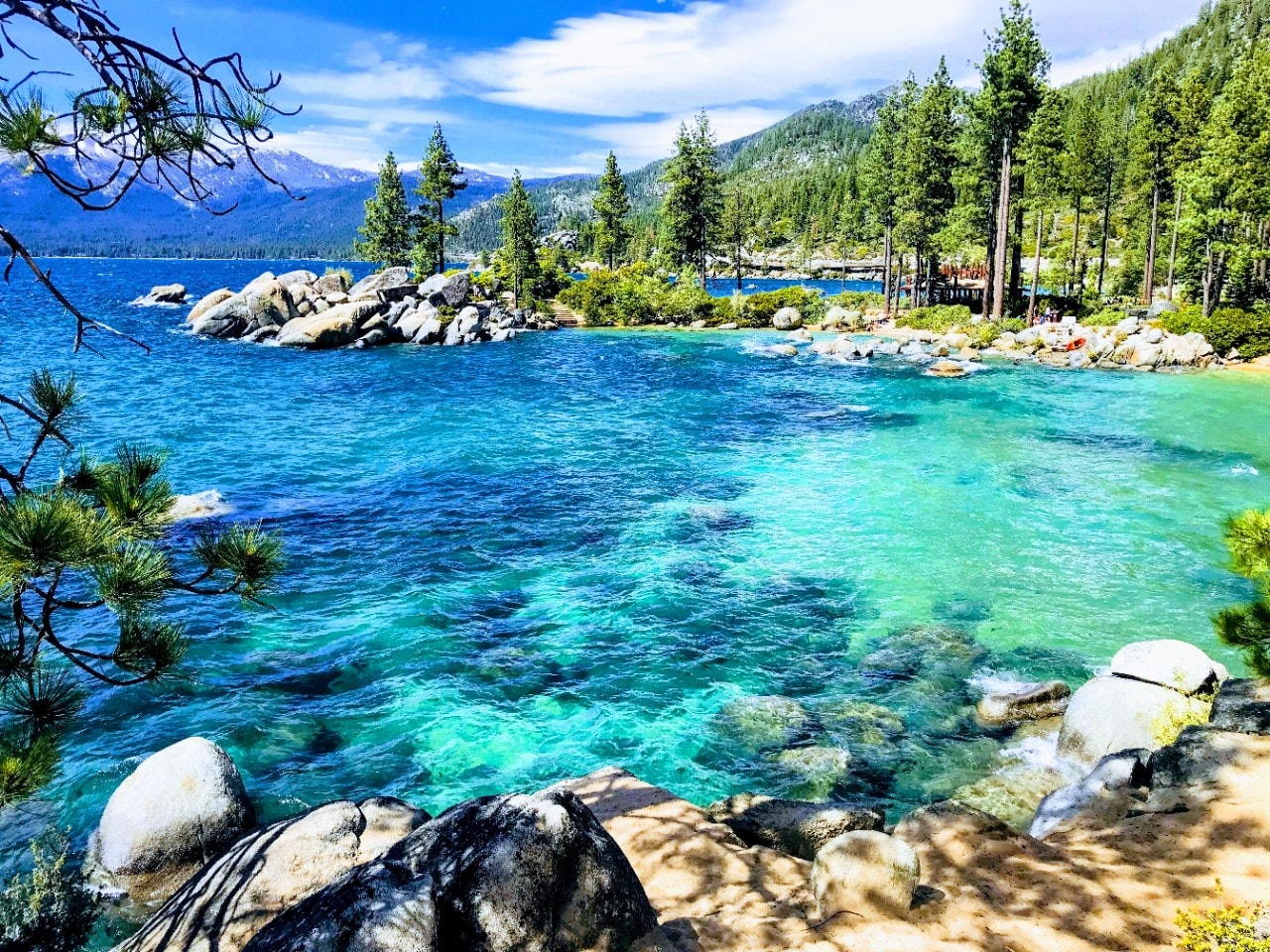
Lake Tahoe, straddling the border of California and Nevada, is renowned for its breathtaking natural beauty. It’s the largest alpine lake in North America, famous for its crystal-clear blue waters and surrounding majestic peaks of the Sierra Nevada.
- Outdoor Activities: Depending on the season, Lake Tahoe transforms into an adventurer’s paradise.
- Winter: World-class skiing and snowboarding at resorts like Heavenly Mountain Resort, Palisades Tahoe, Northstar California Resort, and Mount Rose Ski Tahoe. Other activities include snowshoeing, cross-country skiing, and tubing.
- Summer: The lake comes alive with water sports such as kayaking, paddleboarding, jet skiing, and boat tours. Hiking trails abound, offering stunning views, particularly in areas like Emerald Bay State Park and the Desolation Wilderness. Cycling, rock climbing, and golfing are also popular.
- Scenic Beauty & Landmarks:
- Emerald Bay State Park: Home to Fannette Island (the only island in Lake Tahoe) and Vikingsholm, a Scandinavian-style castle.
- Sand Harbor State Park: Known for its pristine beaches, clear water, and unique rock formations, perfect for swimming and photography.
- Panoramic drives: Circling the lake offers countless photo opportunities and access to charming towns.
- Towns & Culture:
- South Lake Tahoe and Stateline: The bustling southern shore features casinos, lively nightlife, and easy access to Heavenly Mountain Resort.
- Incline Village and Zephyr Cove: Offer a more upscale, relaxed atmosphere with private beaches and fine dining.
- Tahoe City: A charming town on the western shore, great for historical sites and boutique shopping.
The Unmistakable Charm of Las Vegas
In stark contrast to Lake Tahoe’s natural splendor, Las Vegas is a man-made marvel, a vibrant oasis in the desert known globally as the “Entertainment Capital of the World.”
- World-Class Entertainment:
- Casinos & Gambling: From penny slots to high-stakes poker, the city is synonymous with gaming. Iconic casinos like Bellagio, Caesars Palace, and The Venetian offer endless opportunities for excitement.
- Shows & Concerts: Broadway-caliber productions, residencies by global music stars, magic acts, comedy shows, and elaborate cirque performances ensure there’s always a show to catch.
- Nightlife: Las Vegas boasts some of the world’s most extravagant nightclubs and lounges, featuring top DJs and celebrity appearances.
- Dining & Shopping:
- Culinary Scene: The city is a foodie’s dream, home to celebrity chef restaurants, diverse international cuisine, and an array of dining experiences from casual buffets to Michelin-starred establishments.
- Shopping: Luxury boutiques, designer stores, and sprawling malls provide unparalleled shopping opportunities.
- Unique Attractions & Landmarks:
- The Las Vegas Strip: An experience in itself, with its themed resorts, dancing fountains, and dazzling lights.
- Freemont Street Experience: A pedestrian mall in Downtown Las Vegas offering a massive LED canopy light show, live music, and zip-lining.
- Nearby Day Trips: The surrounding desert offers its own adventures, including the majestic Grand Canyon (reachable by helicopter or bus tour), the impressive Hoover Dam, and the stunning hiking trails of Red Rock Canyon National Conservation Area. Other natural escapes include Mount Charleston and the Spring Mountains National Recreation Area.
Combining these two destinations allows you to experience the best of both worlds: the vibrant, high-energy entertainment and luxury lifestyle of the city, followed by the tranquil, rejuvenating embrace of mountain and lake recreation.
Planning Your Ultimate Desert-to-Mountain Adventure
Successfully planning a trip that combines the very different worlds of Las Vegas and Lake Tahoe requires careful consideration of several factors, from where you’ll stay to when you’ll visit.
Accommodation Choices: From Luxury Resorts to Cozy Stays
Both destinations offer a wide spectrum of accommodation options, catering to various budgets and preferences, aligning perfectly with the ‘Hotels’ and ‘Accommodation’ main topics of our website.
- In Las Vegas:
- Luxury Resorts: The Las Vegas Strip is home to some of the world’s most opulent resorts, like Bellagio, Caesars Palace, and The Venetian. These offer comprehensive amenities including casinos, spas, multiple dining options, pools, and entertainment venues. They epitomize the luxury travel lifestyle.
- Mid-Range & Budget-Friendly Hotels: Beyond the Strip, or slightly off it, you can find more affordable hotels and suites that still offer comfort and good access to attractions, suitable for budget travel.
- Vacation Rentals: For longer stays or group travel, apartments and villas are available, offering more space and often kitchen facilities.
- In Lake Tahoe:
- Mountain Resorts & Casinos: On the Nevada side (e.g., Stateline), resorts like Heavenly Mountain Resort offer ski-in/ski-out access in winter and luxurious amenities year-round, often including casinos.
- Boutique Hotels & Lodges: Throughout the various towns around the lake (like South Lake Tahoe, Tahoe City, Incline Village), you’ll find charming boutique hotels, lodges, and inns that provide a cozier, more rustic experience, often with stunning lake or mountain views.
- Vacation Rentals & Cabins: These are extremely popular in Lake Tahoe, ranging from charming cabins to expansive lakefront homes, ideal for family trips or those seeking a longer-term stay with more privacy and self-catering options.
- Budget Options: Camping and more basic motels are also available, especially during the shoulder seasons.
Booking accommodation in advance is highly recommended for both destinations, particularly during peak seasons (summer in Lake Tahoe, major holidays in Las Vegas). Comparison websites and reviews are invaluable tools for finding the perfect place that fits your travel style and budget.
When to Visit: Seasons and Experiences
The ideal time for your trip largely depends on the experiences you prioritize, as the climates of Las Vegas and Lake Tahoe are dramatically different.
- Spring (April-May): This is an excellent shoulder season. Las Vegas enjoys pleasant, warm temperatures perfect for outdoor excursions like Red Rock Canyon National Conservation Area or pool days before the intense summer heat. Lake Tahoe experiences melting snow, making way for hiking and early spring blossoms, though some high-elevation trails might still be snowy. It’s less crowded and often offers better deals on accommodation.
- Summer (June-August): Peak season for Lake Tahoe. The lake is perfect for swimming, boating, and all water sports. Hiking is at its best, and events are plentiful. In contrast, Las Vegas experiences extreme desert heat (often over 100°F/38°C), making outdoor activities uncomfortable, but it’s prime time for pool parties and indoor entertainment. If combining, start in Las Vegas and then escape to the cooler mountains.
- Fall (September-October): Another fantastic shoulder season. Lake Tahoe offers stunning fall foliage, crisp air, and fewer crowds, ideal for hiking and enjoying the serene beauty before winter. Las Vegas temperatures become much more tolerable, making it enjoyable for exploring the Las Vegas Strip and nearby desert landscapes. This might be the most balanced time to visit both.
- Winter (November-March): Peak season for skiing and snowboarding in Lake Tahoe. The landscape is transformed into a winter wonderland. Las Vegas has mild, pleasant winters (temperatures rarely drop below freezing), making it an excellent escape from colder climates elsewhere and a great time for indoor shows and events. Driving conditions to Lake Tahoe during this time require careful planning due to potential snow and ice.
Maximizing Your Trip: Essential Tips
- Vehicle Preparation: If driving, ensure your vehicle is in good condition. Check tires, fluid levels, and brakes. In winter, snow tires or chains may be necessary for [Lake Tahoe](https://lifeoutofthebox.com/lake-tahoe]. Pack an emergency kit.
- Hydration: Especially when leaving Las Vegas, stay hydrated. The desert climate is very dry.
- Booking in Advance: Flights, rental cars, popular shows in Las Vegas, and desirable accommodation in Lake Tahoe can sell out, especially during peak seasons.
- Dress in Layers: This is crucial for Lake Tahoe, where weather can change rapidly. Even in summer, evenings can be cool.
- Altitude Awareness: Lake Tahoe’s elevation can cause mild altitude sickness for some. Take it easy on your first day, stay hydrated, and avoid excessive alcohol.
- Budgeting: Las Vegas can be expensive, especially on the Las Vegas Strip, but budget travel options exist. Lake Tahoe also has varying price points depending on the season and location. Factor in gas, food, activities, and potential resort fees.
Conclusion: A Memorable Journey Across Nevada
The journey from Las Vegas to Lake Tahoe offers an extraordinary travel experience, linking two of Nevada’s most iconic, yet fundamentally different, destinations. Whether you choose the exhilarating freedom of a road trip, soaking in the vast desert landscapes and mountain vistas along the way, or opt for the efficiency of a short flight, the transition from the bustling energy of the “Entertainment Capital of the World” to the serene beauty of the Sierra Nevada’s alpine gem is truly remarkable.
With careful planning, considering the approximately 7-8 hour drive or the quick 1-hour flight, you can seamlessly combine the best of both worlds. Imagine starting your vacation amidst the vibrant shows and gourmet dining of Las Vegas, then unwinding by the pristine shores of Lake Tahoe, surrounded by majestic peaks and crystal-clear waters. This epic cross-state adventure promises not just a change of scenery but a profound shift in pace and experience, creating memories that will last a lifetime.
LifeOutOfTheBox is a participant in the Amazon Services LLC Associates Program, an affiliate advertising program designed to provide a means for sites to earn advertising fees by advertising and linking to Amazon.com. Amazon, the Amazon logo, AmazonSupply, and the AmazonSupply logo are trademarks of Amazon.com, Inc. or its affiliates. As an Amazon Associate we earn affiliate commissions from qualifying purchases.