Las Vegas, the dazzling “Entertainment Capital of the World,” is renowned for its vibrant nightlife, world-class resorts, and unforgettable attractions. Yet, amidst the neon glow and architectural marvels, a fundamental geographical characteristic often goes unmentioned but profoundly shapes the city’s unique identity: its elevation. Nestled in a basin in the Mojave Desert, the elevation of Las Vegas plays a crucial role in defining its climate, influencing its urban development, and offering a diverse range of outdoor experiences. For anyone planning a trip to this iconic Nevada destination, understanding its elevation provides a richer context for everything from packing decisions to appreciating the breathtaking vistas that surround the city.
The Specifics of Las Vegas’s Elevation
To truly understand Las Vegas, one must first grasp its precise geographical placement. Far from being at sea level, this desert metropolis stands at a significant height, influencing everything from the air quality to the panoramic views.
Pinpointing the Average and Variances
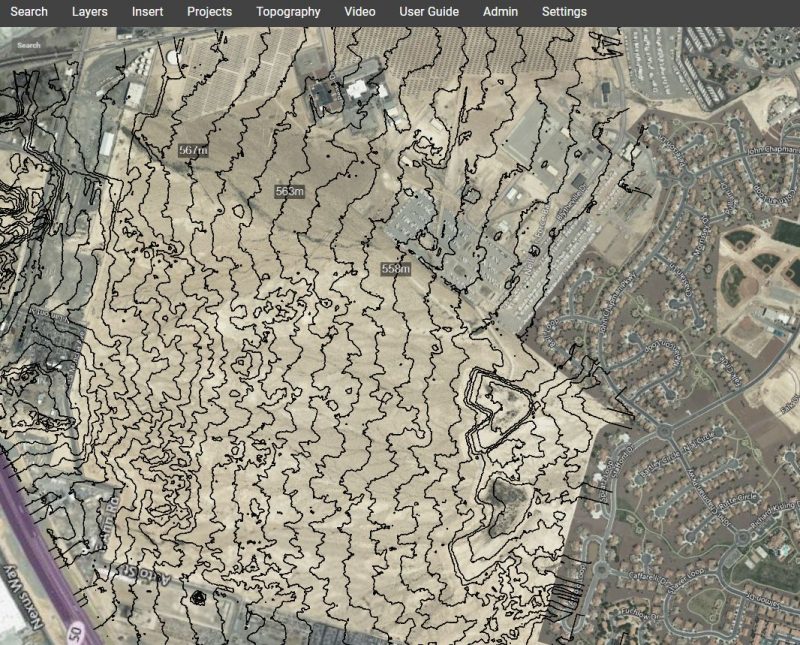
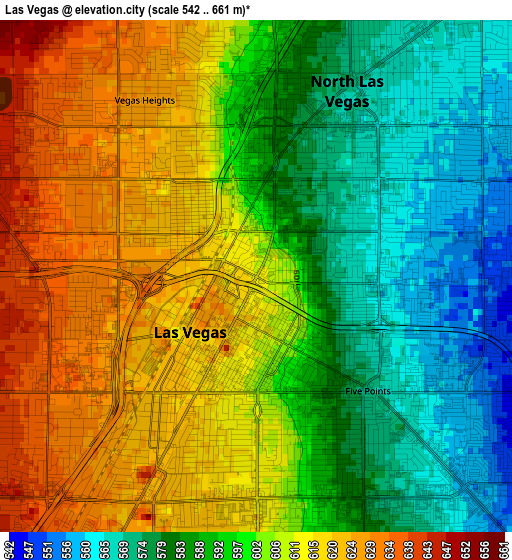
The average elevation of Las Vegas, Nevada, generally hovers around 2,030 feet (620 meters) above sea level. This figure, however, is an average, and the elevation can vary slightly depending on the specific location within the Las Vegas Valley. For instance, the renowned Las Vegas Strip and downtown areas tend to be closer to this average, while some surrounding neighborhoods and higher points on the city’s outskirts can reach elevations of over 2,300 feet (700 meters). The Harry Reid International Airport, a common entry point for millions of tourists, sits at approximately 2,181 feet (665 meters). These subtle variations, while not dramatically impacting daily life, contribute to the unique topographical character of the urban sprawl that includes not just Las Vegas city limits but also unincorporated areas like Paradise and neighboring cities such as Henderson and North Las Vegas, all residing within this high-desert basin.
Geographical Context: The Las Vegas Valley
Las Vegas is situated within the Las Vegas Valley, a sprawling basin nestled amidst a dramatic backdrop of mountain ranges. This basin-and-range topography is characteristic of the Mojave Desert, a vast arid region covering parts of California, Nevada, Arizona, and Utah in the United States. To the west, the majestic Spring Mountains rise steeply, featuring Mount Charleston, the highest peak in Southern Nevada, towering over 11,900 feet (3,600 meters). To the east, the Sheep Range and the Muddy Mountains define the horizon, while the Black Mountains extend to the south. This geographical enclosure not only creates a stunning visual tableau but also significantly influences the local weather patterns, trapping heat during summer and contributing to the valley’s distinct microclimate. The presence of these towering peaks within a relatively short distance of the city’s moderate elevation offers an extraordinary contrast, allowing visitors to transition from a bustling urban desert to a serene alpine environment in less than an hour’s drive.
How Elevation Shapes the Las Vegas Experience
The elevation of Las Vegas is more than just a number; it’s a fundamental aspect that subtly yet profoundly influences the day-to-day experience for both residents and the millions of tourists who visit annually. From the climate they encounter to the very infrastructure that supports the city, elevation plays a critical role.
Climate and Weather: High-Desert Dynamics
Las Vegas’ high-desert elevation contributes significantly to its arid climate, characterized by scorching summers, mild winters, and very little precipitation. The elevation ensures that while days can be intensely hot, especially in July and August, the nights often bring a noticeable drop in temperature due to less atmospheric insulation, a phenomenon known as a high diurnal temperature range. This cooling effect is more pronounced at higher elevations. The dry air, a direct consequence of its desert location and elevation, means that even high temperatures can feel less oppressive than in humid climates, though visitors must still prioritize hydration. The thinness of the air at this elevation also contributes to the intensity of solar radiation, making proper sun protection absolutely essential year-round. While snow is rare on the Strip, the nearby Spring Mountains and Mount Charleston receive ample snowfall in winter, offering a striking visual contrast and opportunities for snow sports just a short drive from the city.
Health and Acclimatization: Tips for Travelers
For many visitors arriving from sea-level destinations, Las Vegas’ elevation, combined with its arid environment, can necessitate some adjustments. While 2,000 feet isn’t considered “high altitude” in the traditional sense, some individuals may experience mild effects such as increased thirst, slightly reduced endurance during physical activity, or minor headaches, especially in the first day or two. The most critical advice for travelers is hydration. The dry air rapidly dehydrates the body, and this effect is compounded by the city’s famously indulgent lifestyle, which often includes alcoholic beverages that can further exacerbate dehydration. Guests should aim to drink more water than usual, even if they don’t feel thirsty. Sun protection – hats, sunglasses, and high-SPF sunscreen – is also paramount, as the sun’s rays are more intense at this elevation. Those planning strenuous activities like hiking in nearby natural areas should allow for a day of acclimatization and always carry ample water.
Urban Development and Architecture: Building in the Basin
The elevation and the unique geology of the Las Vegas Valley have significantly influenced the city’s urban planning and architectural practices. Building on the basin floor requires specific considerations for flood control, as desert flash floods can be a risk, despite the overall aridity. The construction of massive resorts and high-rise hotels like the ARIA Resort & Casino or The Venetian Resort Las Vegas demands robust engineering to handle the unique soil conditions and occasional seismic activity characteristic of a tectonically active region. Furthermore, the limited water resources in this high-desert environment have driven innovation in water conservation and sustainable landscaping, with many resorts and public spaces adopting desert-adapted flora and advanced irrigation systems. The ability to construct towering structures, such as the Strat Hotel, Casino & SkyPod, not only provides iconic landmarks but also offers unparalleled views of the surrounding mountains and the sprawling city lights, directly leveraging the region’s elevation for aesthetic and experiential value.
Exploring the Elevated Landscapes Surrounding Las Vegas
While the Las Vegas Strip might be the main draw, the city’s elevation also serves as a gateway to an incredible array of diverse natural landscapes, each with its own distinct altitude and charm. Venturing beyond the urban core reveals a world of outdoor adventure, from vibrant red rock formations to alpine forests.
From Desert Floors to Mountain Peaks: Outdoor Adventures
The relatively moderate elevation of Las Vegas means that truly dramatic changes in altitude are just a short drive away, offering a remarkable spectrum of outdoor activities.
- Red Rock Canyon National Conservation Area: Just minutes west of the city, Red Rock Canyon sits at a slightly higher elevation, averaging around 3,500-4,800 feet (1,060-1,460 meters). This elevation change contributes to slightly cooler temperatures and different vegetation than on the valley floor. It’s a prime spot for hiking, rock climbing, and scenic drives, with its vibrant Aztec sandstone formations contrasting sharply with the surrounding desert.
- Mount Charleston: A true high-altitude escape, Mount Charleston is a significant part of the Spring Mountains and boasts peaks over 11,000 feet (3,350 meters), with its highest point at 11,918 feet (3,632 meters). Here, the elevation transforms the landscape into a subalpine forest, complete with pine trees, cooler temperatures, and even snow during winter, offering skiing and snowboarding opportunities. It’s an astonishing contrast to the desert valley below, providing a haven for hiking, camping, and enjoying crisp mountain air.
- Valley of Fire State Park: Located northeast of Las Vegas, this stunning park sits at a lower elevation than the city, typically around 1,500-2,500 feet (450-760 meters). This lower altitude contributes to even hotter temperatures, especially in summer, making the vibrant red sandstone formations glow intensely. It’s a fantastic spot for photography, short hikes, and exploring ancient petroglyphs, offering a different desert ecosystem shaped by its specific elevation.
- Lake Mead National Recreation Area and Hoover Dam: East of the city, these iconic landmarks offer a stark reminder of humanity’s ability to tame the desert. Lake Mead itself fluctuates in elevation depending on water levels, but the surrounding recreation area is generally lower than Las Vegas, providing boating, fishing, and water sports. The colossal Hoover Dam, a true engineering marvel, sits at an elevation of approximately 1,232 feet (376 meters) at its crest, overseeing the vast expanse of the lake and the mighty Colorado River below.
Iconic Views and Panoramic Perspectives
The elevation of Las Vegas, combined with its location within a basin surrounded by mountains, creates extraordinary opportunities for panoramic views. From the highest points within the city to natural overlooks, visitors can gain a unique perspective on the urban landscape and its natural setting. The observation deck of the Strat Hotel, Casino & SkyPod, standing at over 1,100 feet above the Strip and 2,500 feet above sea level, offers arguably the most comprehensive 360-degree vista of the entire Las Vegas Valley and its majestic mountain backdrop. Similarly, the High Roller Observation Wheel provides an elevated, moving viewpoint of the Strip and beyond. Even luxury hotel suites on the higher floors of resorts like the Bellagio or ARIA Resort & Casino capitalize on this elevation, offering breathtaking views of the city lights glittering against the dark expanse of the desert night. For those seeking natural panoramas, various pull-offs along the scenic drive through Red Rock Canyon or viewpoints on the road to Mount Charleston provide stunning vistas of the valley stretching out below, illustrating the dramatic elevation changes that characterize Southern Nevada.
Planning Your High-Desert Getaway
Considering Las Vegas’ elevation is an essential aspect of planning a comfortable and enjoyable trip. From selecting the right accommodation to packing appropriately for diverse activities, a mindful approach can enhance your entire travel experience.
Choosing Your Ideal Accommodation
While the elevation of your specific hotel on the Strip won’t drastically impact your health, it can certainly influence your experience. Many travelers prioritize hotels that offer rooms on higher floors for the stunning views of the city or the surrounding Mojave Desert and mountains. Resorts like the Cosmopolitan of Las Vegas or Vdara Hotel & Spa are known for their spectacular vistas from high-rise suites, truly leveraging the city’s elevated position. When booking, consider whether a view of the famous Bellagio Fountains, the glittering Strip, or the serene mountains is your preference. For those seeking a unique accommodation experience away from the bustling valley floor, small cabins or lodges exist at higher elevations on Mount Charleston, offering a tranquil, nature-focused escape just a short drive from the city’s energy. These options cater to different lifestyle preferences, from luxury travel to more budget-friendly, nature-oriented stays.
Essential Packing for All Elevations
Packing smart for Las Vegas means preparing for its high-desert climate and potential elevation changes.
- Hydration Gear: A reusable water bottle is a must. Staying hydrated is paramount due to the dry air and moderate elevation.
- Sun Protection: High-SPF sunscreen, a wide-brimmed hat, and sunglasses are non-negotiable, especially for daytime outdoor activities or simply walking the Strip.
- Layered Clothing: Even if you’re visiting in summer, the significant temperature drop between day and night in the desert can be surprising. Pack light, breathable clothing for the day, but always have a light jacket or sweater for evenings. If you plan to visit Mount Charleston, remember that temperatures will be considerably cooler, requiring warmer layers, even in summer.
- Comfortable Footwear: Whether you’re exploring the extensive resort properties, walking the Strip, or hiking in Red Rock Canyon, comfortable shoes are critical. For outdoor excursions, sturdy hiking shoes are recommended.
Maximizing Your Stay: Activities and Wellness
Understanding Las Vegas’ elevation allows you to maximize your experience and ensure wellness throughout your trip. Embrace the unique local culture by participating in activities that leverage the natural surroundings. Early morning hikes in Red Rock Canyon offer cooler temperatures and stunning sunrise views. A scenic drive to Mount Charleston can provide a refreshing break from the desert heat, with opportunities for picnicking and enjoying the alpine environment. When indulging in the city’s renowned culinary scene or enjoying the nightlife, remember to balance it with plenty of water. Many resorts offer luxurious spas and wellness centers, which can be perfect for recuperating after a day of exploration or a night on the town, helping you stay refreshed in the dry, elevated air. By being mindful of the high-desert environment and preparing accordingly, you can fully immerse yourself in all the attractions, guides, and experiences that Las Vegas has to offer, from the bustling casino floors to the serene mountain trails.
In conclusion, while the glitz and glamour of Las Vegas are often the primary focus, the city’s elevation of approximately 2,030 feet (620 meters) above sea level is a foundational element of its identity. It dictates the unique high-desert climate, informs urban development, and unlocks a world of diverse outdoor adventures just beyond the city limits. For any traveler to this extraordinary destination in the United States, understanding and respecting its elevation can transform a great trip into an exceptional one, offering deeper insights into its natural beauty and enhancing every moment of a memorable Las Vegas experience.