
For many travelers planning a trip to the Windy City or conducting business with its bustling enterprises, a fundamental question often arises: “Is Chicago on Eastern Time?” The answer is a resounding no. Chicago, a vibrant hub of culture, commerce, and tourism in the United States, operates squarely within the Central Time Zone (CT). This seemingly minor detail is, in fact, crucial for seamless travel planning, timely business operations, and an overall enjoyable experience when exploring one of America’s most iconic cities. Understanding Chicago’s time zone identity is the first step toward a well-orchestrated visit, ensuring you’re punctual for flights, meetings, and dinner reservations, and maximizing your precious travel time.
Unraveling Chicago’s Time Zone Identity
The time zone system across the United States can sometimes feel intricate, given the vast geographical expanse of the country. However, once understood, it becomes a simple and logical framework designed to standardize timekeeping across different longitudes. For Chicago, its location squarely in the heartland dictates its time zone.
The Definitive Answer: Central Time Zone (CST)
Chicago, the largest city in Illinois, observes Central Standard Time (CST) during the fall and winter months, which is UTC-6. When Daylight Saving Time is in effect – typically from March to November – the city switches to Central Daylight Time (CDT), which is UTC-5. This means that Chicago is consistently one hour behind the Eastern Time Zone, which encompasses major metropolitan areas like New York City, Miami, and Orlando. Knowing this precise difference is vital, especially when coordinating schedules with people or businesses located on the East Coast. Whether you’re flying in from Boston or arranging a virtual meeting with colleagues in Washington D.C., that one-hour adjustment can make all the difference between punctuality and a missed connection.
Understanding the American Time Zone System
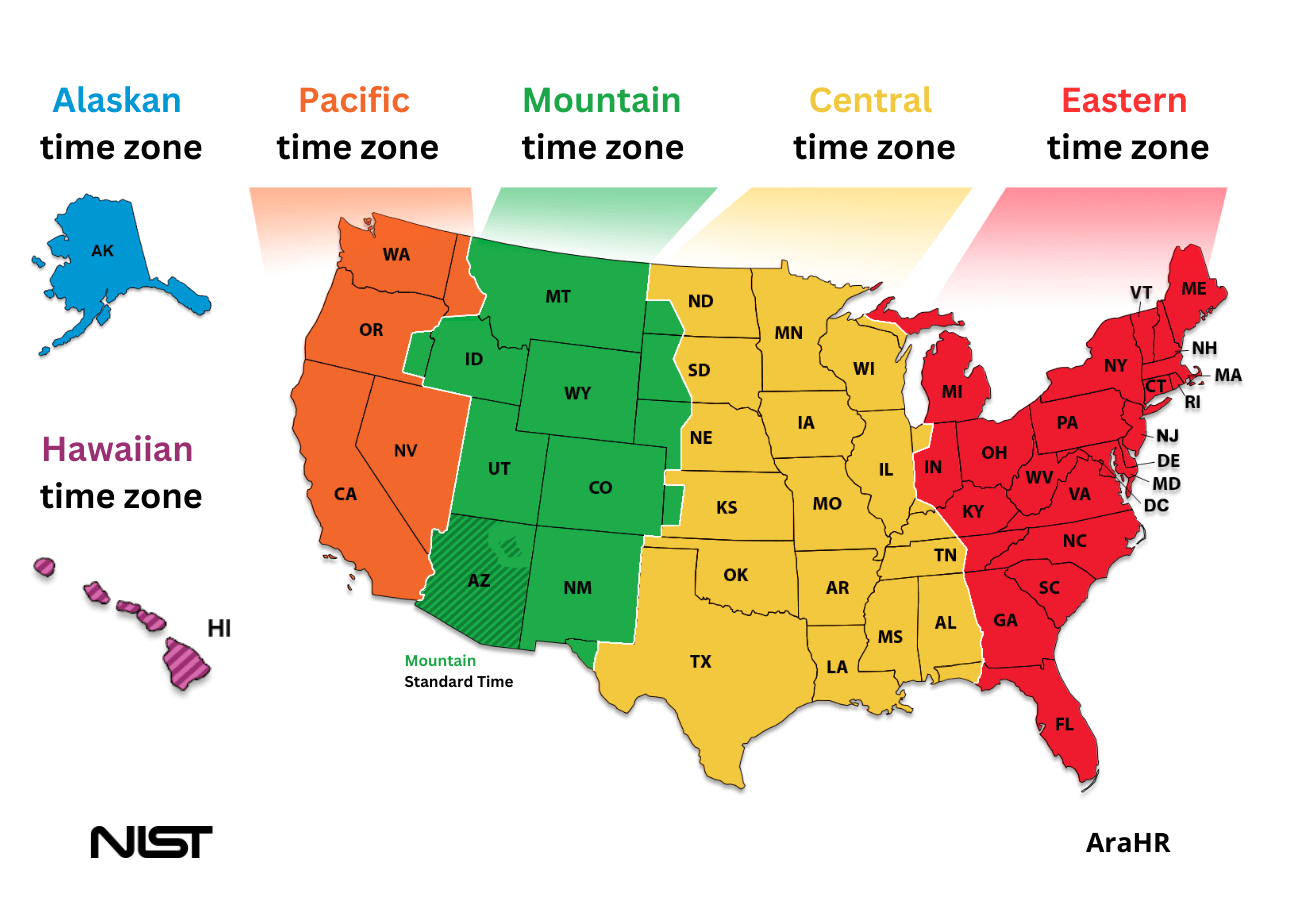
To fully appreciate Chicago’s place in the time zone landscape, it helps to have a broader understanding of the contiguous United States’ four primary time zones:
- Eastern Time Zone (ET): Covering the easternmost states, including New York, Florida, and much of the Northeast.
- Central Time Zone (CT): Spanning the central portion of the country, including states like Illinois, Texas, Missouri, and Louisiana.
- Mountain Time Zone (MT): Encompassing states like Colorado, Arizona, and Montana.
- Pacific Time Zone (PT): Covering the West Coast states such as California, Oregon, and Washington.
Each zone is typically one hour apart from its neighbor, moving westward. This system ensures that daylight hours are generally aligned with standard working and waking hours across regions. Chicago’s position as a central hub for air travel and freight logistics further underscores the importance of its adherence to the Central Time Zone, facilitating smoother operations across the country.
Why the Confusion? Bridging the Time Zone Gap
The persistent confusion regarding Chicago’s time zone often stems from its status as a major global city, frequently grouped in conversations with other prominent metropolises like New York or Toronto (both on Eastern Time). Additionally, the sheer volume of travel and business conducted between the Midwest and the East Coast naturally leads to a constant interplay between the two time zones, making the distinction paramount.
Geographical Proximity and Major Hubs
While Chicago is firmly in the Central Time Zone, it’s not geographically distant from the eastern edge of the time zone boundary. States like Indiana and Michigan, which share a border with Illinois (across Lake Michigan for Michigan), are predominantly on Eastern Time, though parts of Indiana do observe Central Time. This proximity means that a short drive can take you across a time zone boundary, especially if traveling east. Moreover, Chicago acts as a critical aviation hub, with O’Hare International Airport being one of the busiest airports in the world. Flights constantly arrive from and depart to destinations in the Eastern Time Zone, necessitating travelers to be acutely aware of time differences to avoid missing connections or arriving late for ground transportation. The sheer volume of travel linking Chicago to the East Coast often makes the “one hour difference” a constant point of reference and potential confusion.
The Impact of Daylight Saving Time
Adding another layer of complexity is the observance of Daylight Saving Time. Most of the United States shifts its clocks forward by one hour in the spring (creating Central Daylight Time for Chicago) and back by one hour in the fall. While this shift occurs uniformly across time zones, it can sometimes disorient travelers or those coordinating across states, especially in the week immediately following the change. For instance, a person flying from Phoenix (which largely doesn’t observe Daylight Saving Time and stays on Mountain Standard Time) to Chicago needs to account for not just the time zone difference but also whether Chicago is currently observing Daylight Saving Time or not. Modern smartphones and devices typically auto-adjust, but for those relying on traditional watches or making manual calculations, it’s a detail worth double-checking.
Navigating Chicago: Time Zone Considerations for Travelers
For travelers, understanding Chicago’s time zone isn’t just a matter of trivia; it’s a practical necessity that impacts nearly every aspect of their journey, from the moment they book their flight to their final departure.
Planning Your Itinerary: Flights, Meetings, and Attractions
When planning a trip to Chicago, meticulous attention to time zones can prevent countless headaches. Flight arrival and departure times are always given in local time, so a flight advertised as landing at 10:00 AM in Chicago will indeed land at 10:00 AM Central Time. However, if you’re departing from New York at 9:00 AM Eastern Time, a three-hour flight would land you in Chicago at 12:00 PM Eastern Time, but only 11:00 AM Central Time. This “gain” of an hour can be a welcome bonus for some, providing extra time to settle in before a meeting or to start exploring.
For business travelers, scheduling conference calls or in-person meetings with clients or colleagues in different time zones requires careful calculation. A 9:00 AM meeting in Chicago means an 8:00 AM start for someone in the Mountain Time Zone and a 10:00 AM start for those on the East Coast. Similarly, if you’re booking tickets for a show at the Goodman Theatre or a specific entry time for the Art Institute of Chicago, all times will be in Central Time. Double-checking these details ensures you don’t miss out on Chicago’s incredible array of attractions and experiences.
Accommodation and Check-in Times: A Timely Arrival
Hotels in Chicago adhere strictly to Central Time for all operations, including check-in and check-out times. Most hotels, from luxury stays like the Peninsula Chicago to more budget-friendly options, typically have a check-in time of 3:00 PM or 4:00 PM Central Time and a check-out time of 11:00 AM or 12:00 PM Central Time. If you’re arriving early from an Eastern Time Zone city, you might feel like you have an extra hour, but remember that the hotel’s clock is also an hour behind your departure city. This can sometimes lead to an earlier-than-expected arrival relative to check-in, requiring you to arrange for luggage storage if your room isn’t ready. For long-term stays in serviced apartments or villas, coordinating move-in times with property managers based elsewhere can also become a factor. Being aware of this difference helps you manage expectations and plan for potential waits, perhaps by scheduling a brunch or a quick visit to a nearby landmark like Millennium Park before heading to your accommodation.
Beyond the Clock: Embracing Chicago’s Vibrant Lifestyle
Chicago’s lifestyle, from its bustling morning commutes to its late-night jazz clubs, is deeply ingrained in the Central Time Zone. The city wakes up and winds down according to CT. This means that a sunrise stroll along Lake Michigan will happen an hour later than it would on the East Coast, giving you a slightly longer lie-in if you’re an early bird from EST. Similarly, dining reservations at popular West Loop restaurants or catching a Chicago Cubs game at Wrigley Field will all be scheduled based on Central Time. For those looking to immerse themselves in local culture and experiences, adjusting to the local clock immediately upon arrival is key to feeling in sync with the city’s rhythm. It also plays a role in managing jet lag, even the subtle one-hour shift, as your internal clock adjusts to the new schedule.
Discovering the Best of Chicago: A Timeless Experience
Regardless of its time zone, Chicago remains a world-class destination, offering an unparalleled blend of architectural marvels, artistic treasures, culinary delights, and green spaces. Its status as a Central Time Zone city doesn’t detract from its allure but rather provides a unique perspective for travelers coming from different parts of the globe.
Iconic Landmarks and Cultural Gems
Chicago’s skyline is instantly recognizable, dominated by architectural masterpieces. The Willis Tower (formerly Sears Tower), with its thrilling Skydeck Ledge, offers breathtaking panoramic views of the city, state, and even into neighboring states. Millennium Park is home to the iconic Cloud Gate, affectionately known as “The Bean,” and the interactive Crown Fountain. A stroll down Michigan Avenue along the Magnificent Mile reveals a shopper’s paradise and a parade of historic buildings. Beyond the architecture, Chicago boasts world-renowned museums such as the Art Institute of Chicago, the Field Museum of Natural History, and the Shedd Aquarium, all conveniently located within the beautiful Museum Campus adjacent to Grant Park. Families will also enjoy the free admission at Lincoln Park Zoo, offering a delightful urban wildlife experience. Each of these attractions adheres to the local Central Time for their operating hours, making it crucial to consult their websites or guidebooks accordingly.

Culinary Adventures and Entertainment
No visit to Chicago is complete without indulging in its legendary food scene. From the classic deep-dish pizza found at institutions like Lou Malnati’s or Giordano’s to Michelin-starred fine dining experiences in the River North and West Loop neighborhoods, Chicago offers a diverse palate for every taste. The city’s entertainment scene is equally vibrant, with a rich history of blues and jazz music, numerous live theaters, and professional sports teams like the Chicago Bulls and Chicago Bears. Whether you’re booking a table for dinner, reserving tickets for a show, or catching a game, all times will be announced and observed in Central Time. For those focused on a luxury travel experience, fine dining establishments and exclusive clubs often operate with precise timings, making the accurate calculation of local time even more important for a seamless, indulgent evening.
Practical Tips for a Seamless Chicago Visit
Ensuring your trip to Chicago is as smooth as possible involves a few practical considerations related to time zones. These tips are especially helpful for those who are highly organized or traveling for business where punctuality is paramount.
Before You Go: Confirming Local Times
- Set Your Devices: Before your arrival, ensure your smartphone, smartwatch, and other electronic devices are set to automatically update their time zone. Most modern devices do this seamlessly, but a quick check can prevent initial confusion.
- Check Flight Details: Reconfirm all flight departure and arrival times, keeping in mind the time zone of both your origin and destination. Airports like O’Hare International Airport and Midway International Airport strictly adhere to Central Time.
- Verify Bookings: Double-check all hotel reservations, tour bookings, restaurant reservations, and event tickets against Central Time.
- Daylight Saving Time: Be mindful of when Daylight Saving Time begins and ends, especially if your travel dates fall around these transitions.
Staying Connected Across Time Zones
- Communicate Clearly: When coordinating with contacts outside of Chicago, always specify the time zone. For example, “Let’s meet at 2:00 PM Central Time” avoids ambiguity.
- Use World Clock Apps: Utilize world clock features on your phone or computer to easily track multiple time zones simultaneously, which is particularly useful for business travelers or those with family across the country.
- Adjust Gradually: If you’re sensitive to time changes, try to adjust your sleep schedule slightly in the days leading up to your trip, especially if you’re gaining an hour. This can help mitigate any minor “time lag” you might experience.
In conclusion, while the question “Is Chicago Eastern Time?” is straightforwardly answered with a “no,” the implications of this distinction are far-reaching for travelers. Chicago’s identity as a Central Time Zone city is an integral part of its operational rhythm and daily life. By acknowledging and planning for this, visitors can ensure a smooth, punctual, and ultimately more enjoyable journey through this magnificent Midwestern metropolis, making the most of every moment exploring its world-class attractions, savoring its renowned cuisine, and soaking in its vibrant urban atmosphere.
LifeOutOfTheBox is a participant in the Amazon Services LLC Associates Program, an affiliate advertising program designed to provide a means for sites to earn advertising fees by advertising and linking to Amazon.com. Amazon, the Amazon logo, AmazonSupply, and the AmazonSupply logo are trademarks of Amazon.com, Inc. or its affiliates. As an Amazon Associate we earn affiliate commissions from qualifying purchases.