
In the grand tapestry of American democracy, the method by which states allocate their electoral votes often goes unnoticed by the casual observer, especially those whose focus is on travel, culture, and lifestyle. Yet, tucked away in the heartland of the United States, the state of Nebraska employs a distinctive system that sets it apart from almost every other state, creating a fascinating wrinkle in presidential politics and offering a unique perspective for those interested in the intricacies of American life. For travelers venturing through its vast plains and vibrant cities, understanding this electoral peculiarity offers a deeper appreciation for the state’s role on the national stage, transforming what might seem like a mere political detail into a point of interest that reflects Nebraska’s character.

A Unique Electoral Landscape in the American Heartland
While many perceive Nebraska as a primarily agricultural state, a crucial stop for those exploring the nation’s breadbasket, it holds a surprisingly outsized influence in presidential elections due to its exceptional approach to allocating Electoral College votes. This system, shared only with Maine, challenges the traditional “winner-take-all” model adopted by 48 other states and the District of Columbia. For visitors seeking to understand the nuances of local culture and the pulse of American life, delving into this political oddity provides a richer context for exploring everything from its bustling urban centers to its tranquil rural landscapes.
Nebraska’s Place on the Travel Map
Before diving into the electoral specifics, it’s worth highlighting why Nebraska itself is a compelling destination for travelers. Often underestimated, this heartland gem offers a wealth of experiences, from the vibrant arts and culinary scenes in Omaha and Lincoln to the stunning natural beauty of its sandhills and the rich history of its pioneer trails. Omaha, the state’s largest city, is a hub of economic activity, home to Fortune 500 companies, a world-class zoo, and a thriving downtown district with eclectic restaurants and boutique hotels that cater to various lifestyles, from luxury seekers to budget-conscious adventurers. The city’s lively atmosphere, particularly in areas like the Old Market district, provides a stark contrast to the quiet agricultural expanses found elsewhere in the state. Lincoln, the state capital and home to the University of Nebraska-Lincoln, exudes a youthful energy combined with a laid-back charm, boasting beautiful parks, a burgeoning craft brewery scene, and significant landmarks like the Nebraska State Capitol Building, an architectural marvel.
Beyond these urban centers, Nebraska invites exploration of its vast and diverse landscapes, which include the rugged beauty of the Pine Ridge region, the unique geological formations of the Badlands near the Niobrara River, and the historic trails that once guided pioneers westward. For those interested in heritage tourism, sites like the Scotts Bluff National Monument and the Chimney Rock National Historic Site offer glimpses into the trials and triumphs of early American settlers. Even seemingly simple drives across the state reveal breathtaking vistas of endless skies and rolling fields, making for a serene and contemplative travel experience. This backdrop of diverse attractions and rich history makes Nebraska far more than just a “flyover state”; it’s a destination with a distinct identity, one that is further shaped by its electoral uniqueness.
Beyond Winner-Take-All: The Congressional District Method
To truly grasp Nebraska’s electoral system, it’s essential to understand the standard model first. In almost every other state, the presidential candidate who wins the statewide popular vote receives all of that state’s electoral votes. This “winner-take-all” approach simplifies the process but can lead to scenarios where a candidate wins the presidency without winning the national popular vote, as happened in 2000 and 2016. It also often means that in states where one party consistently dominates, the minority party’s votes for president effectively don’t contribute to any electoral votes for their candidate.
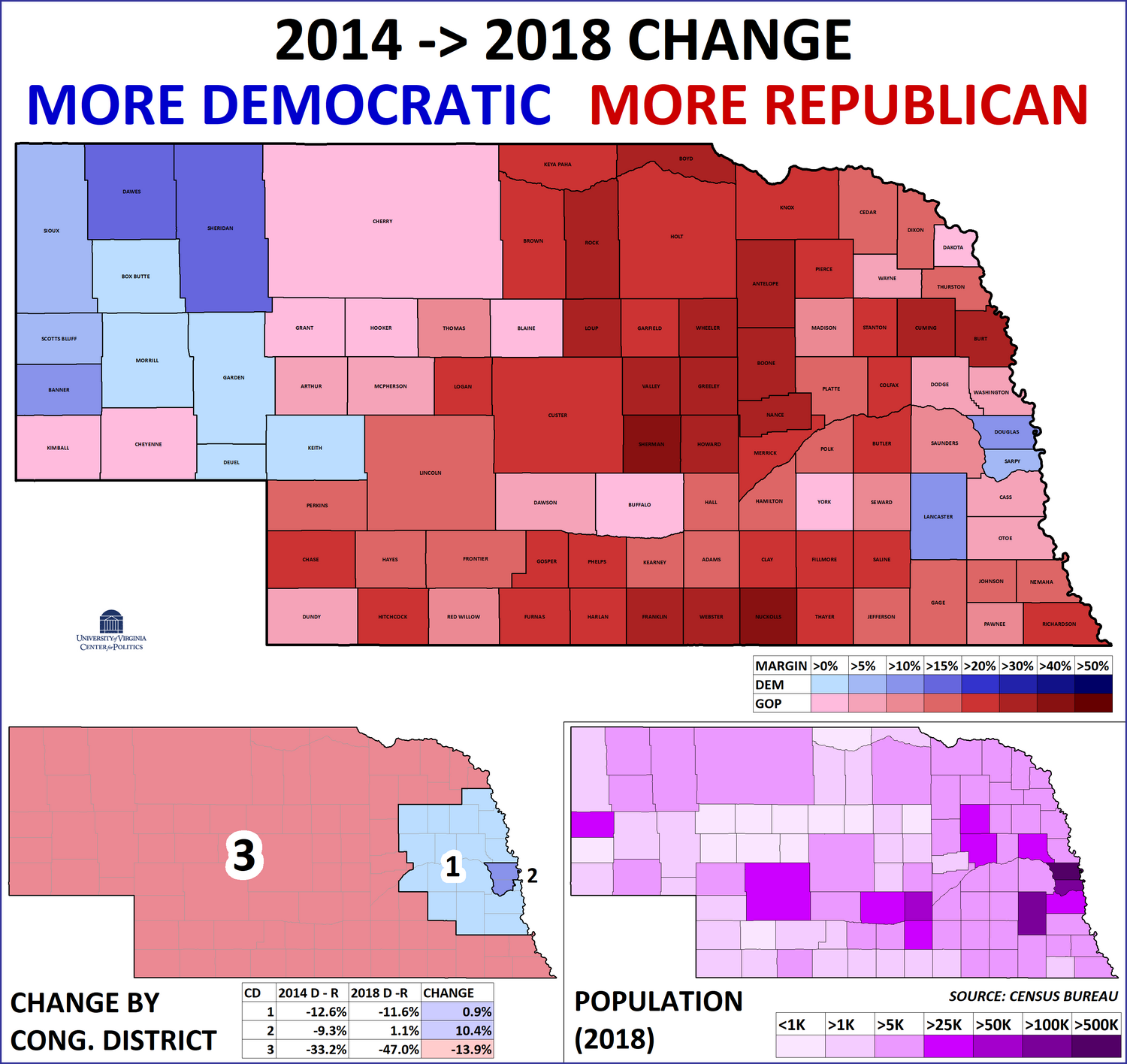
Nebraska (and Maine) operates under the “congressional district method.” This system allocates two of the state’s electoral votes to the candidate who wins the statewide popular vote, mirroring the two senatorial seats each state holds in Congress. The remaining electoral votes—one for each of the state’s congressional districts—are awarded to the candidate who wins the popular vote within that specific district. Nebraska currently has three congressional districts, meaning it has a total of five electoral votes: two statewide votes and one for each of the 1st Congressional District, 2nd Congressional District, and 3rd Congressional District. This seemingly minor difference has profound implications, transforming Nebraska from a reliably “red” state into one that can be partially contested, drawing national attention and campaign resources to specific areas, particularly its more urbanized districts.
Decoding Nebraska’s Electoral System
The beauty of the congressional district method lies in its potential to create a split delegation of electoral votes, reflecting a more granular breakdown of voter preferences within the state. Unlike a monolithic winner-take-all outcome, this system allows for nuances that can become critically important in closely contested national elections. This level of detail offers a fascinating subject for any traveler interested in the socio-political fabric of the places they visit, providing a lens through which to observe the local dynamics and their national impact.
The Mechanics of the Split
To reiterate, Nebraska holds five electoral votes. The distribution works as follows: the two at-large votes are awarded to the candidate who wins the overall popular vote across the entire state. Then, the single electoral vote for the 1st Congressional District goes to the candidate who wins the popular vote within that district. The same applies to the 2nd Congressional District and the 3rd Congressional District.
What makes this truly significant is the potential for different candidates to win different districts, resulting in a split of Nebraska’s five electoral votes. For example, a candidate might win the statewide popular vote and thus secure the two at-large votes, but lose one or two of the individual congressional districts to their opponent. This scenario is precisely what makes Nebraska a strategic target for presidential campaigns, particularly in elections where every single electoral vote could tip the balance. It compels candidates to engage with voters at a local level within specific districts, rather than treating the entire state as a single, homogenous entity. This localized campaigning often brings more resources, media attention, and political discourse directly into the communities, offering a unique opportunity for travelers to witness the democratic process in action.
Historical Significance and Impact
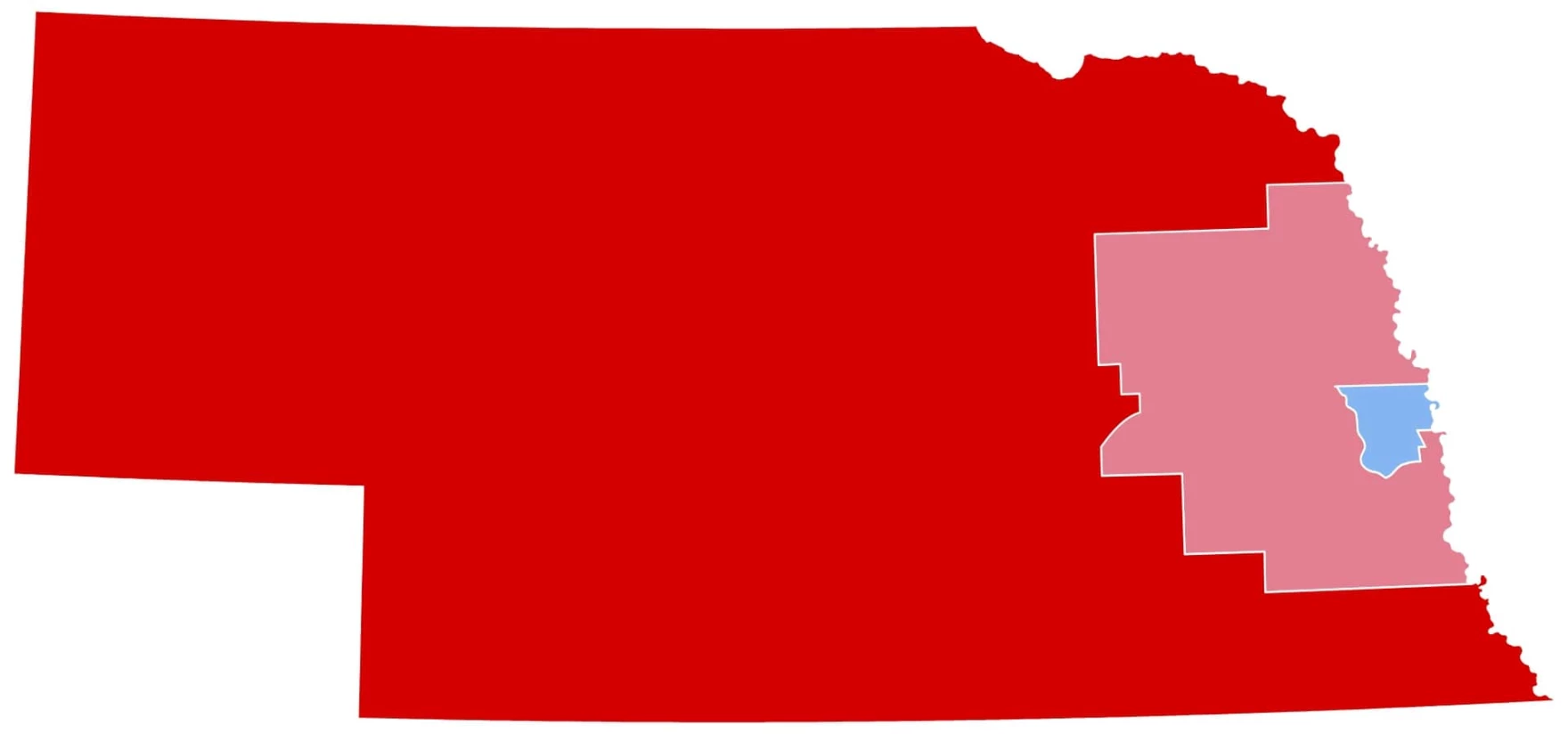
The congressional district method isn’t just a theoretical curiosity; it has had real-world implications in recent presidential elections. The most notable instance occurred in 2008, when Barack Obama, a Democrat, won the single electoral vote from Nebraska’s 2nd Congressional District despite John McCain, a Republican, winning the statewide vote and the other two congressional districts. This marked the first time Nebraska’s electoral votes were split, and it garnered significant national attention. It underscored how a state traditionally considered a Republican stronghold could contribute an electoral vote to the opposing party, showcasing the power of this unique system.
More recently, in 2020, the 2nd Congressional District once again became a focal point, with Joe Biden, another Democrat, securing its single electoral vote while Donald Trump won the statewide vote and the votes from the 1st Congressional District and 3rd Congressional District. These episodes highlight the district’s swing-state potential, primarily driven by the urban and suburban demographics of Omaha and its surrounding areas. For presidential campaigns, the investment in time and resources for just one electoral vote from Nebraska demonstrates its strategic value, especially when the national election is predicted to be extremely close. This increased political focus can bring campaigners, national media, and even presidential candidates themselves to unexpected corners of Nebraska, offering a unique blend of political tourism and local engagement that enriches the cultural landscape.
Exploring the Districts: A Journey Through Nebraska’s Political Geography
Understanding Nebraska’s electoral system also means understanding its geography and the distinct characteristics of its three congressional districts. Each district offers a unique blend of landscapes, communities, and demographic profiles, which in turn shape their political leanings and their attractiveness to different types of travelers. These distinctions are not just political; they reflect the diverse lifestyles and cultures found across the state.
The First District: Lincoln and Eastern Nebraska
The 1st Congressional District encompasses Lincoln, the state capital, and extends across much of eastern Nebraska, including cities like Fremont and Grand Island. This district is a blend of urban sophistication and fertile agricultural land, creating a dynamic environment. Lincoln, as a university town, brings a youthful, diverse population and a more liberal slant than many other parts of the state. It is a hub of education, government, and technology, offering visitors a vibrant atmosphere with a strong emphasis on arts, culture, and outdoor activities. Travelers here can explore the Sunken Gardens, visit the International Quilt Museum, or enjoy a game at the Memorial Stadium, home of the Nebraska Cornhuskers. The presence of the university often means a more politically engaged populace and a mix of perspectives, making it a competitive area politically, though it generally leans conservative. For those interested in civics, witnessing how campaigns interact with a college-town demographic within a broader agricultural context offers a fascinating study in American political life.
The Second District: Omaha and its Metropolitan Pulse
The 2nd Congressional District is geographically the smallest but arguably the most impactful in national politics. It is almost entirely defined by Omaha and its immediate suburbs in Douglas and Sarpy counties. This district is the most urbanized and diverse in Nebraska, characterized by a strong economy driven by finance, insurance (including Berkshire Hathaway, led by Warren Buffett), and healthcare. The vibrant downtown, the historic Old Market, and the cultural institutions like the Joslyn Art Museum make Omaha a prime destination for urban exploration.
Its demographics—a higher concentration of ethnic minorities, younger professionals, and suburban voters—make it significantly more competitive than the other districts. This district is frequently targeted by both Democratic and Republican campaigns, leading to frequent visits from presidential candidates, robust local political organizing, and a heightened sense of political engagement among its residents. For travelers, this means a chance to witness the forefront of American political campaigning in a bustling metropolitan setting, perhaps catching a glimpse of a rally or an active campaign office. The hotels, resorts, and dining experiences in Omaha also benefit from this increased attention, making it a dynamic place to visit during election cycles.
The Third District: Vast Plains and Agricultural Roots
By far the largest district geographically, the 3rd Congressional District covers nearly 80% of Nebraska’s landmass, encompassing everything from the western panhandle to the central and northern parts of the state. This district is overwhelmingly rural, with an economy dominated by agriculture, cattle ranching, and small-town commerce. Its communities are often tight-knit, reflecting traditional Midwestern values and a strong conservative political leaning. For travelers, this district offers an immersive experience into the authentic American heartland, with endless vistas of cornfields, cattle ranches, and vast prairies.
Landmarks like Chimney Rock National Historic Site and Scotts Bluff National Monument are testaments to the pioneer spirit that shaped the region, offering rich historical context. Quirky attractions such as Carhenge near Alliance add a touch of eccentricity to the rural landscape. While less politically competitive at the presidential level, this district’s electoral vote still contributes to Nebraska’s total and is crucial for statewide candidates. Visiting this district provides a sense of the scale and resilience of American agriculture and the lifestyle it supports, a lifestyle that, while politically consistent, is nevertheless an integral part of the nation’s democratic tapestry.
The Broader Implications for American Democracy and Travel
Nebraska’s unique electoral system is more than just a footnote in political science; it’s a living example of how different approaches to the Electoral College can shape campaigns, engage voters, and influence national outcomes. For the travel and tourism enthusiast, it adds an unexpected layer of depth to understanding a state that might otherwise be overlooked.
Why Nebraska’s System Matters
The congressional district method ensures that even in a largely one-party state, pockets of political diversity can still have a direct impact on the presidential election outcome. It encourages presidential campaigns to engage with specific communities and addresses local concerns, particularly in the swing 2nd Congressional District. This means more campaign events, more media coverage, and more direct interaction between candidates and voters in areas that might otherwise be ignored under a winner-take-all system. This heightened engagement helps ensure that a wider range of voices are heard and that candidates are pressed to address issues beyond the broad statewide narrative. It’s a testament to the idea that every vote, and indeed every electoral vote, can truly matter, even down to a single district. The political vibrancy that this system fosters can be felt in the local discourse, the media, and even in casual conversations, offering an authentic glimpse into American political life for the curious visitor.
A Unique Draw for the Engaged Traveler
For those who travel not just to see sights but to understand cultures and societies, Nebraska’s electoral distinctiveness offers a compelling narrative. It invites travelers to look beyond the surface, to appreciate how history, geography, and political structures intertwine to create a unique regional identity. Visiting Omaha during an election season, for instance, might mean experiencing the buzz of national politics alongside its renowned culinary scene or historic districts. Exploring Lincoln could involve appreciating its academic and governmental significance while also witnessing grassroots political activity. Even traversing the vast 3rd Congressional District allows for contemplation on how rural America contributes to the national political dialogue.
Ultimately, understanding “how Nebraska splits electoral votes” transforms the state from a mere point on the map into a dynamic participant in one of the world’s most watched democratic processes. It enriches the travel experience by providing a deeper understanding of American life, encouraging engagement with local narratives, and highlighting the fascinating ways in which a seemingly small state can play a disproportionately large role in shaping the nation’s future. For those seeking authentic experiences and a deeper connection to the places they visit, Nebraska’s electoral system is just one more reason to explore this remarkable heartland state.
LifeOutOfTheBox is a participant in the Amazon Services LLC Associates Program, an affiliate advertising program designed to provide a means for sites to earn advertising fees by advertising and linking to Amazon.com. Amazon, the Amazon logo, AmazonSupply, and the AmazonSupply logo are trademarks of Amazon.com, Inc. or its affiliates. As an Amazon Associate we earn affiliate commissions from qualifying purchases.