
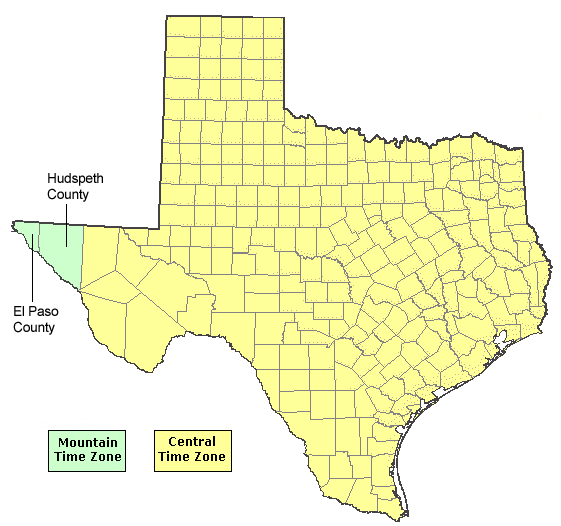
The question “Is Texas on Central Time?” might seem straightforward, but like many things in the vast United States, the answer is a nuanced one. While the majority of the Lone Star State observes Central Time (CT), a significant portion in its western reaches operates on Mountain Time (MT). This geographical split has interesting implications for travel, tourism, and daily life within a state renowned for its diverse landscapes and vibrant culture. Understanding these time zones is crucial for anyone planning to explore [Texas], from its bustling metropolises to its rugged western frontiers.
The existence of two time zones within [Texas] is a testament to its sheer size and its position spanning the eastern edge of the Mountain Time Zone. For travelers, this means a careful check of the clock is in order, especially when journeying across the state. Whether you’re flying into [Houston]’s international airport, savoring barbecue in [Austin], or hiking the stunning trails of Big Bend National Park, knowing which time zone you’re in ensures a seamless and enjoyable experience. This article delves into the specifics of [Texas]’s time zones, offering insights for planning your itinerary, appreciating its unique attractions, and making the most of your visit.
The Lone Star State’s Time Zones Explained
The [United States] is divided into several standard time zones, from Eastern Time to Pacific Time, and extending to Alaska Time and Hawaii Time. [Texas], primarily, falls under the umbrella of the Central Time Zone. This encompasses its major cities like [Houston], [Dallas], [Austin], and [San Antonio], and extends across the vast majority of its landmass. However, the state’s westernmost counties, bordering New Mexico, deviate from this norm.
A Tale of Two Time Zones: Central vs. Mountain
The vast majority of [Texas] operates on [Central Time], which is UTC-6 during standard time and UTC-5 during Daylight Saving Time. This includes all the major population centers and the eastern, central, and northern parts of the state. Cities such as [Fort Worth], [Galveston], [Corpus Christi], [Waco], and [College Station] all observe [Central Time]. This means that when you’re planning a trip to immerse yourself in the vibrant music scene of [Austin] or explore the historic San Antonio River Walk, you’ll be operating on [Central Time].
However, the westernmost tip of [Texas] adheres to [Mountain Time], which is UTC-7 during standard time and UTC-6 during Daylight Saving Time. This includes the entire city of El Paso, along with Hudspeth County and Culberson County. This is a crucial distinction for travelers heading to the far west of the state, particularly those exploring natural wonders like Guadalupe Mountains National Park, home to [Texas]’s highest peak, Guadalupe Peak. These counties effectively align their clocks with [New Mexico] and other Mountain States, creating a time boundary within [Texas] itself. The change from [Central Time] to [Mountain Time] generally occurs as you travel west on Interstate 10 past the city of [Pecos], although the official county line is further west.
Historical Context and Geographical Divides
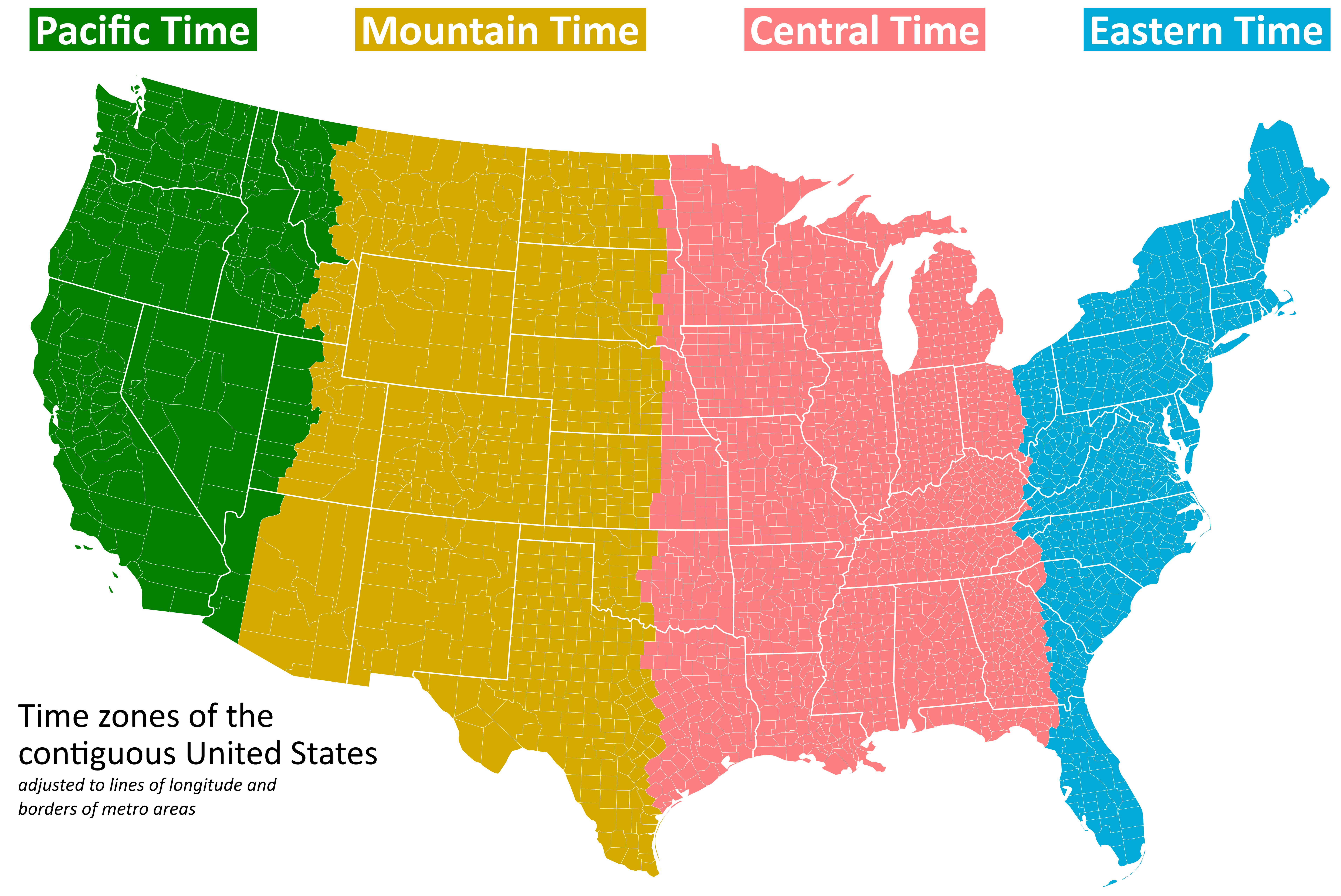
The reason for this dual time zone system is primarily geographical and historical. [Texas] is a massive state, covering an area of over 268,000 square miles. Its western border extends far enough west that it naturally falls within the geographical longitude lines designated for the Mountain Time Zone. The boundary between the Central Time and Mountain Time zones in the [United States] was established to ensure that noon roughly corresponds to the sun being at its highest point, providing a practical framework for daily activities.
The decision to place [El Paso] and its surrounding counties on [Mountain Time] was also influenced by their economic and social ties to neighboring [New Mexico] and Mexico, which predominantly observe [Mountain Time]. This alignment facilitates smoother business operations and daily interactions across state and international borders. For tourism, this historical alignment means that a trip from the historical sites of [San Antonio] to the vast desert landscapes near [El Paso] involves more than just a change of scenery; it requires a change of your watch as well. This unique characteristic adds another layer of intrigue to traveling through the diverse regions of [Texas].
Navigating Time Across Texas: Implications for Travelers
For visitors planning a comprehensive tour of the [Lone Star State], understanding the time zone distinctions is more than just a trivia fact—it’s a practical necessity. From coordinating flights and hotel check-ins to scheduling tours and dining reservations, a miscalculation could lead to missed opportunities or unnecessary stress.
Planning Your Texas Itinerary: East to West Considerations
When planning an itinerary that crosses [Texas], especially from the [Central Time] Zone to the [Mountain Time] Zone, precision is key. If you’re flying into [Houston] or [Dallas] and then planning a road trip westward towards [El Paso] or [Big Bend National Park], remember that you will gain an hour upon entering the [Mountain Time] Zone. Conversely, traveling east will mean losing an hour. This can significantly impact arrival times for pre-booked accommodations or attractions.
For example, if you have a reservation for a sunset tour at [Big Bend National Park] for 6:00 PM [Mountain Time], and you’re driving from [San Antonio] (Central Time), you’ll need to account for the time change. What feels like a 6:00 PM departure from [San Antonio] will actually be 5:00 PM [Mountain Time] when you arrive in the west. Most smartphones and GPS devices will automatically adjust to the local time zone, but it’s always wise to double-check, especially in border areas where signals might be inconsistent. Confirming reservation times with hotels, tour operators, and restaurants in local time is a best practice.
Key Cities and Their Time Zones
To make travel planning easier, here’s a quick guide to some of [Texas]’s most popular destinations and their respective time zones:
-
[Central Time] Zone Cities:
- [Houston]: A vibrant metropolis known for Space Center Houston and diverse culinary scenes.
- [Dallas]: Home to the Sixth Floor Museum, Dallas Arts District, and a thriving business hub.
- [Austin]: The “Live Music Capital of the World,” featuring Lady Bird Lake, Barton Springs Pool, and the Texas State Capitol.
- [San Antonio]: Rich in history with The Alamo and the beautiful [San Antonio River Walk].
- [Fort Worth]: Known for its Western heritage and the Stockyards National Historic District.
- [Galveston]: A historic island city with beaches and Victorian architecture.
- [Corpus Christi]: Coastal city offering access to Padre Island National Seashore.
- [Amarillo]: Gateway to the Texas Panhandle and Palo Duro Canyon State Park.
- [Lubbock]: Home to Texas Tech University and a rich musical heritage.
- [Midland] and [Odessa]: Energy hubs in West [Texas].
- [Waco]: Known for Magnolia Market at the Silos and the Dr Pepper Museum.
- [College Station]: Home to Texas A&M University.
- South Padre Island: A popular resort town on the Gulf Coast.
-
[Mountain Time] Zone Cities:
- [El Paso]: A border city with a rich blend of cultures, serving as the gateway to the Franklin Mountains State Park.
- [Hudspeth County] and [Culberson County]: Primarily rural, these areas encompass parts of [Guadalupe Mountains National Park] and lead into [Big Bend National Park]’s remote western sections.
This distinction is particularly important for business travelers and those with tight schedules, where an hour’s difference can mean missing a crucial meeting or flight connection. Always confirm local times for any appointments or bookings.
Beyond Time Zones: Discovering Texas’s Diverse Attractions
While time zones are a practical consideration, they are just one small facet of what makes [Texas] an incredible travel destination. The state boasts an astounding array of attractions, from historical landmarks to natural wonders, offering experiences for every type of traveler.
Iconic Landmarks and Cultural Experiences
[Texas]’s history is as grand as its landscape. No visit is complete without paying homage to [The Alamo] in [San Antonio], a symbol of courage and a pivotal site in the [Texas Revolution]. After reflecting on history, travelers can stroll along the vibrant [San Antonio River Walk], a true marvel of urban planning, lined with shops, restaurants, and lively entertainment. [San Antonio] also offers the historic missions, now a UNESCO World Heritage Site.In [Houston], the aforementioned [Space Center Houston] offers an immersive look into the wonders of space exploration, making it a fantastic educational outing for families. For those interested in arts and culture, [Dallas] offers the [Dallas Arts District], one of the largest in the nation, featuring world-class museums and performance venues. The [Sixth Floor Museum] at Dealey Plaza provides a sobering but important historical perspective on the assassination of President John F. Kennedy, and the George W. Bush Presidential Center offers further insights into American political history. [Austin], the state capital, pulses with live music venues, eclectic food trucks, and outdoor activities around [Lady Bird Lake] and Zilker Metropolitan Park.
Nature lovers will find paradise in the western reaches. [Big Bend National Park] and Big Bend Ranch State Park offer dramatic desert scenery, mountainous vistas, and incredible stargazing opportunities, making them ideal for adventure travel and long-term stays in remote cabins or campsites. [Guadalupe Mountains National Park] is another gem, challenging hikers with rugged trails and offering breathtaking views from [Guadalupe Peak]. Further north, [Palo Duro Canyon State Park], the second-largest canyon in the [United States], provides stunning geological formations and opportunities for hiking, biking, and horseback riding near [Amarillo]. For coastal relaxation, [South Padre Island] and Mustang Island State Park offer pristine beaches, birdwatching, and watersports.
Accommodation and Lifestyle in the Heart of Texas
[Texas] caters to every accommodation preference and lifestyle. From luxurious resorts and boutique hotels to budget-friendly motels and charming bed and breakfasts, options abound. In major cities like [Dallas] and [Houston], you’ll find upscale hotels such as The Joule Dallas, the Omni Dallas Hotel, Hotel Zaza Houston, or the Post Oak Hotel at Uptown Houston, offering suites, resort-style amenities, and impeccable service for business or luxury travel. [Austin] boasts the Fairmont Austin and Four Seasons Hotel Austin, perfect for enjoying the city’s vibrant atmosphere. [San Antonio] offers the historic elegance of the Hotel Emma or the convenience of the Grand Hyatt San Antonio River Walk right on the [Riverwalk].For family trips or longer stays, apartment rentals and villas are increasingly popular, especially in tourist-heavy areas like [South Padre Island] or the Texas Hill Country. The [Hill Country] also offers unique accommodations like glamping sites, charming cabins, and vineyard retreats in towns like [Fredericksburg] and [Grapevine]. Budget travelers can find numerous options ranging from hostels in [Austin] to comfortable motels across the state, ensuring that exploring [Texas] doesn’t have to break the bank. Many hotels also offer excellent amenities such as pools, fitness centers, and business services, catering to both leisure and business stays. Resorts like the Gaylord Texan Resort & Convention Center near [Dallas] provide comprehensive experiences with multiple dining options and entertainment.
Local culture in [Texas] is a vibrant tapestry, from the Tex-Mex culinary delights to authentic barbecue joints found in nearly every town. Music is deeply ingrained, from country and western honky-tonks to indie rock venues. Visitors can indulge in everything from sophisticated fine dining in [Dallas] to casual food truck parks in [Austin]. Activities range from rodeo shows and cattle drives to wine tasting tours in the [Hill Country] and stargazing festivals in remote western towns like [Marfa] and [Terlingua].
Making the Most of Your Texas Adventure
To fully appreciate all that [Texas] has to offer, a well-planned trip is essential, taking into account not just the attractions but also the practicalities, including time zones.
Tips for Seamless Travel and Enjoyment
- Time Zone Awareness: Always confirm the local time for any appointments, reservations, or activities, especially if your journey involves crossing into the [Mountain Time] Zone. Your smartphone should auto-update, but physical clocks or confirmation with locals can provide peace of mind.
- Diverse Itinerary: Embrace the diversity of [Texas]. Combine bustling city experiences in [Houston] or [Dallas] with outdoor adventures in [Big Bend] or [Palo Duro Canyon State Park]. Consider visiting charming small towns like Gruene or [Fredericksburg] for a taste of authentic [Texas] hospitality and local culture.
- Accommodation Booking: Book accommodations in advance, especially during peak seasons or major events like South by Southwest (SXSW)) in [Austin] or the Houston Livestock Show and Rodeo. Utilize online booking platforms for reviews and comparison, and look for options that fit your lifestyle—whether it’s a luxury resort, a family-friendly hotel, or a unique boutique stay.
- Food Exploration: [Texas] cuisine is an adventure in itself. Don’t leave without trying authentic [Texas] barbecue, Tex-Mex, and dishes like chicken-fried steak. Explore local eateries for a true taste of the region.
- Road Trip Essentials: Given the vast distances, a road trip is often the best way to see [Texas]. Ensure your vehicle is in good condition, and always carry plenty of water, especially when venturing into the more remote desert areas of West [Texas].
The Enduring Appeal of Texas Tourism
[Texas] continues to be a magnet for tourism, drawing millions each year with its unique blend of history, culture, and natural beauty. From the Gulf Coast beaches to the high plains of the [Panhandle] and the rugged mountains of the Trans-Pecos, the state offers an unparalleled range of experiences. Its accommodating infrastructure, with a wide selection of hotels, resorts, and vacation rentals, makes it accessible for all types of travelers—from those seeking luxury travel experiences to budget-conscious adventurers and families on vacation.Ultimately, whether [Texas] is on [Central Time] or [Mountain Time] for part of your journey, the underlying truth is that the state offers an unforgettable journey through a landscape as grand as its history. With careful planning and an open mind, travelers can easily navigate the minor hurdle of a time zone change and dive deep into the heart of what makes the [Lone Star State] a truly exceptional destination. From its iconic landmarks to its vibrant lifestyle and diverse accommodation options, [Texas] invites you to discover its many layers, one time zone at a time.
