
For travelers seeking a destination brimming with unique history, vibrant culture, and breathtaking natural beauty, New Mexico stands out as a true gem in the United States. Known affectionately as the “Land of Enchantment,” this southwestern state captivates visitors with its distinctive blend of Native American, Hispanic, and Anglo influences, palpable in its architecture, cuisine, and diverse artistic expressions. Yet, behind its alluring facade lies a fascinating and often challenging journey to achieve statehood, a pivotal moment that cemented its place on the national map and set the stage for its modern identity as a premier travel destination. On January 6, 1912, after decades of petitions, political maneuvering, and cultural resistance, New Mexico officially became the 47th state. Understanding this historical context enriches any visit, offering a deeper appreciation for the resilient spirit and diverse heritage that define this extraordinary corner of America. From the ancient pueblos to the bustling streets of Albuquerque and the artistic allure of Santa Fe, New Mexico’s statehood narrative is intertwined with its appeal as a vibrant travel destination, inviting exploration of its iconic landmarks, delectable food, and unique accommodations.
The Land of Enchantment’s Deep Roots: From Ancient Cultures to Territorial Days
The story of New Mexico is one of profound historical depth, stretching back millennia to the ancient civilizations that first inhabited its arid yet fertile lands. Long before European explorers set foot here, sophisticated Native American cultures thrived, leaving behind an indelible legacy seen in sites like Bandelier National Monument and the living community of Taos Pueblo, a UNESCO World Heritage Site that offers a glimpse into traditions preserved for over a thousand years. These indigenous communities were the first stewards of the land, developing unique architectural styles, spiritual practices, and agricultural methods adapted to the challenging environment. Their enduring presence and cultural contributions remain a cornerstone of New Mexico’s identity and a significant draw for cultural tourism today, offering authentic experiences ranging from traditional dances to artisan markets.
A Tapestry of Civilizations: Native, Spanish, and Mexican Influences
The arrival of the Spanish in the late 16th century marked a dramatic shift in the region’s history. Juan de Oñate established the first Spanish settlements in 1598, founding the provincial capital of Santa Fe in 1610, making it the oldest capital city in the United States. This period introduced new languages, religions, and architectural styles—most notably the adobe structures that now define much of New Mexico’s iconic aesthetic. The blending of Native American and Spanish cultures created a distinctive “Hispano” heritage, evident in the Spanish Market and the renowned Santa Fe Plaza, a historic gathering place that continues to be a hub for local artisans and community events.
Following the Mexican War of Independence in 1821, New Mexico became a province of independent Mexico. This era brought increased trade along the Santa Fe Trail, connecting the remote outpost to the burgeoning American frontier. The blend of Mexican traditions further enriched the cultural mosaic, contributing to the state’s vibrant culinary scene, famous for its red and green chile dishes, and its lively fiestas.
The American Frontier: Challenges on the Path to Union
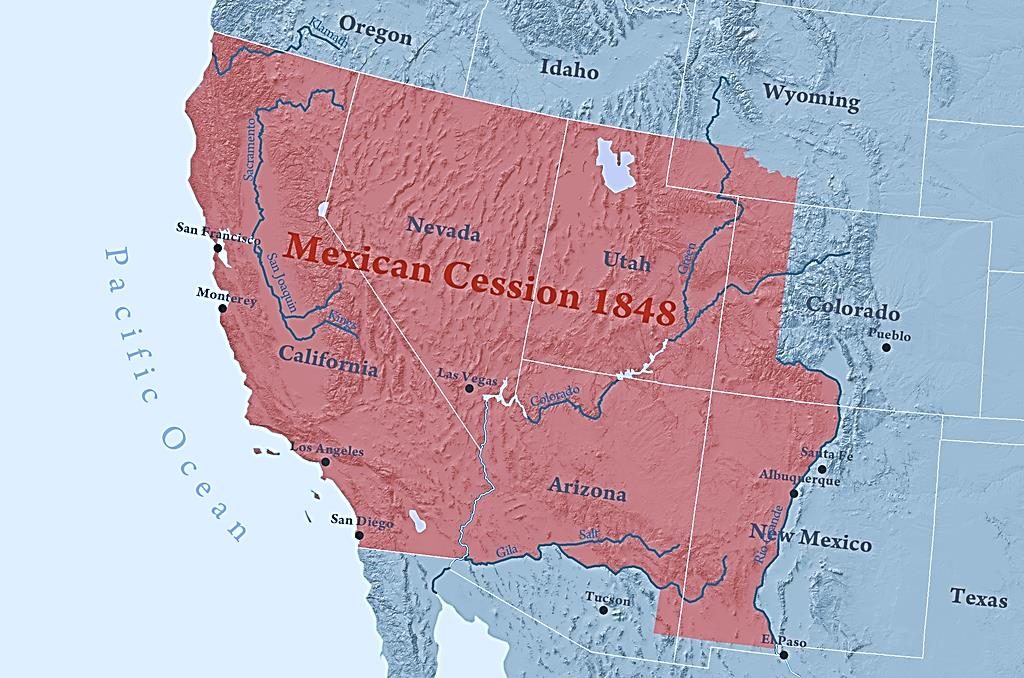
The mid-19th century brought another seismic shift. As a result of the Mexican-American War and the Treaty of Guadalupe Hidalgo in 1848, New Mexico became a territory of the United States. This transition was fraught with challenges. The vast, sparsely populated territory, with its predominantly Hispanic and Native American populations, faced significant cultural and political hurdles in its quest for statehood. For over six decades, New Mexico remained a territory, its aspirations for full inclusion in the Union repeatedly thwarted by national political debates, particularly those surrounding slavery and concerns about its unique cultural identity and predominantly non-English speaking population.
During this territorial period, infrastructure began to develop, including the expansion of railroads, which facilitated trade and brought new settlers. Cities like Albuquerque grew significantly, becoming transportation hubs. The vast, rugged landscape, though challenging for early settlers, also presented opportunities for resource extraction and ranching. The U.S. government established military outposts to manage relations with Native American tribes, a complex and often tragic chapter in the region’s history. Despite these developments, the path to statehood remained elusive, hindered by national prejudices and political deadlock in Washington D.C..
The Dawn of Statehood: January 6, 1912
The journey to statehood for New Mexico was protracted and arduous, spanning over 60 years from its designation as a U.S. territory. Unlike many other western territories that quickly gained admission, New Mexico’s unique demographic makeup and political alignment became points of contention. Repeated efforts to draft a state constitution and secure congressional approval were met with resistance, often fueled by fears among some eastern politicians about the integration of a largely Hispanic, Spanish-speaking populace into the Union.
Overcoming Obstacles: The Long Road to Official Recognition
Despite these formidable challenges, the resolve of New Mexico’s residents and political leaders never wavered. Advocates tirelessly lobbied Congress, emphasizing the territory’s economic potential, its strategic importance, and the loyalty of its citizens, particularly after its contributions to the Civil War and the Spanish-American War. Key figures, both local and national, played crucial roles in advocating for New Mexico’s cause.
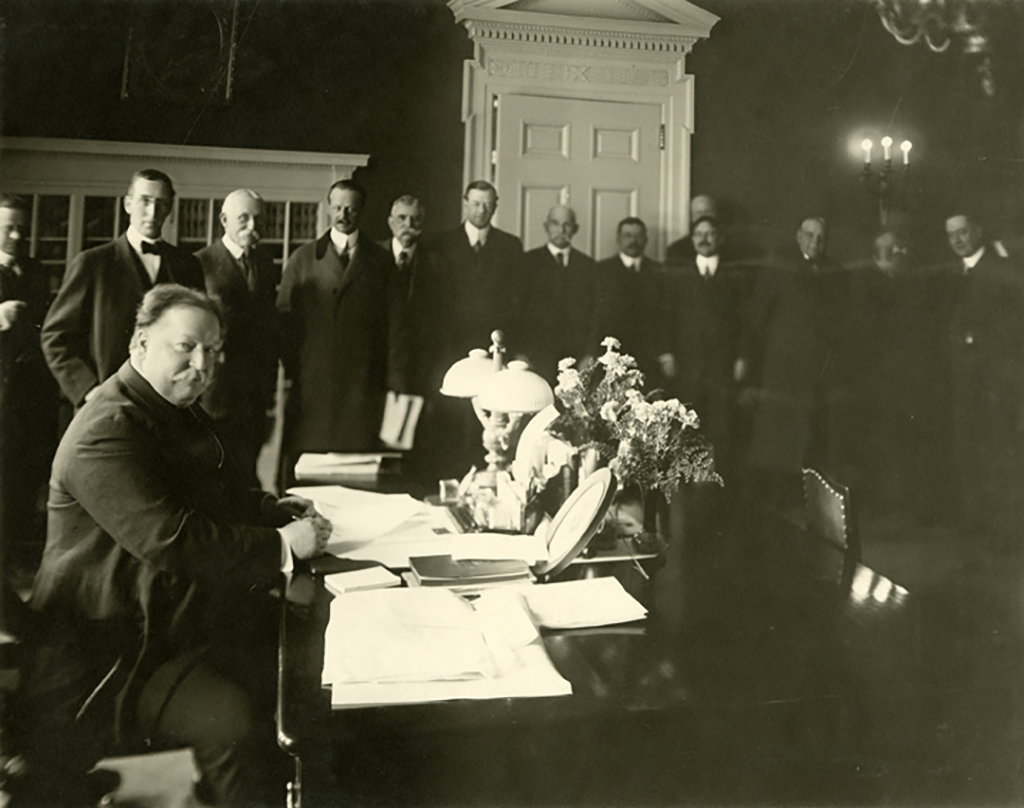
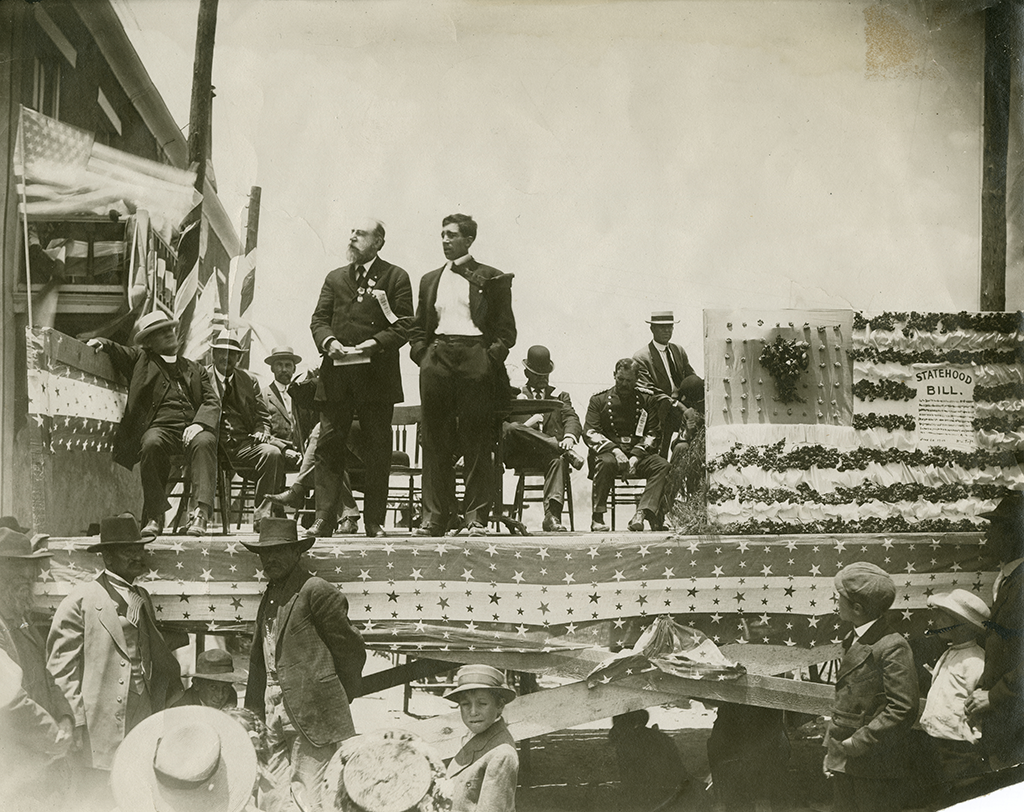
Finally, in the early 20th century, a shift in political will occurred. The admission of Oklahoma in 1907 sparked renewed hope. After a joint statehood bill with Arizona failed due to Arizona’s rejection, New Mexico pressed its case alone. A new state constitution, crafted to address previous congressional concerns, was approved by voters in 1911. This document famously included provisions protecting Spanish language rights and ensuring a bilingual education system, reflecting the territory’s commitment to preserving its cultural heritage. On January 6, 1912, President William Howard Taft signed the proclamation admitting New Mexico as the 47th state of the United States. This moment was met with widespread jubilation across the territory, marking the end of a long struggle and the beginning of a new chapter in its history. This hard-won statehood not only granted full political representation but also brought federal investment and a new sense of national identity, further paving the way for the development of its tourism industry and cultural preservation efforts.
New Mexico as a State: Unveiling a Traveler’s Paradise
Statehood brought significant opportunities for New Mexico, allowing it to better develop its infrastructure, advocate for its unique interests, and promote its distinctive identity to the wider world. The recognition as a full member of the United States fostered a sense of stability and encouraged investment, which in turn helped to cultivate the vibrant tourism sector that thrives today. The state’s natural wonders, rich historical sites, and diverse cultural offerings became more accessible and celebrated, transforming New Mexico into the “Land of Enchantment” that beckons travelers from across the globe.
Iconic Landmarks and Natural Wonders
New Mexico is a treasure trove of natural and historical landmarks that speak to its ancient past and geological grandeur. One of the most breathtaking natural attractions is White Sands National Park, where dazzling white gypsum dunes stretch for miles, creating an otherworldly landscape perfect for hiking, sledding, or simply marveling at its unique beauty. Further south, the mysterious depths of Carlsbad Caverns National Park invite exploration into a vast underground world of intricate formations and echoing chambers, offering a truly unique adventure.
Beyond these natural wonders, historical sites abound. Chaco Canyon National Historical Park preserves the remnants of a major ancestral Pueblo civilization, offering insights into a complex society that flourished over a thousand years ago. In Gila National Forest, the Gila Cliff Dwellings National Monument allows visitors to step back in time and explore dwellings built into natural caves by the Mogollon people. Each of these sites tells a piece of New Mexico’s long and layered history, making it an ideal destination for those interested in history, nature, and geology.
A Culinary and Cultural Kaleidoscope
The cultural landscape of New Mexico is as diverse and colorful as its physical environment. The vibrant arts scene, particularly in Santa Fe, has earned it a reputation as a global art hub. Visitors can explore numerous galleries, attend the renowned Santa Fe Indian Market or the International Folk Art Market, or immerse themselves in the works of one of America’s most iconic artists at the Georgia O’Keeffe Museum. The fusion of Native American, Spanish, and Anglo traditions is especially evident in the state’s festivals, music, and performing arts.
No visit to New Mexico would be complete without indulging in its distinctive cuisine. Famous for its use of Hatch chile, the official state vegetable, New Mexico offers a culinary experience unlike any other. From savory green chile stew to cheesy enchiladas smothered in red chile, the flavors are bold and unforgettable. Travelers can embark on a culinary journey, exploring traditional New Mexican diners, upscale restaurants in Santa Fe and Albuquerque, and even chile farms. This gastronomic adventure is a crucial part of the state’s appeal, reflecting its deep cultural roots and agricultural heritage.
Diverse Accommodations and Unforgettable Experiences
For those planning a trip, New Mexico offers an impressive array of accommodation options, catering to every style and budget. In Santa Fe, luxury travelers can choose from world-class resorts like the Rosewood Inn of the Anasazi or the historic Inn and Spa at Loretto, both offering exquisite design, top-tier amenities, and a taste of the city’s unique charm. Albuquerque provides a mix of contemporary hotels and charming boutique stays, such as Hotel Chaco, which combines modern luxury with Pueblo culture. Beyond the major cities, visitors can find rustic cabins in the mountains, cozy bed-and-breakfasts in small towns like Taos, or even unique long-term stay options for those seeking a deeper immersion.
The lifestyle opportunities in New Mexico are equally diverse. Adventure seekers can go hiking, mountain biking, or skiing in the Sangre de Cristo Mountains. Wellness enthusiasts can indulge in spa treatments inspired by indigenous traditions. Family trips can include visits to science museums in Albuquerque or hot air balloon rides over the Rio Grande Valley during the famous Albuquerque International Balloon Fiesta. From luxury travel experiences to budget-friendly road trips along historic Route 66, New Mexico provides an unforgettable backdrop for any type of journey. Its statehood solidified its identity and allowed these myriad facets to flourish, making it a truly enchanting destination that promises rich historical insights and vibrant contemporary experiences.
The moment New Mexico became a state was not merely a political formality; it was the culmination of centuries of cultural evolution, resilience, and an unwavering commitment to its unique identity. This pivotal event on January 6, 1912, transformed a distant territory into a recognized and cherished part of the American Union. Today, travelers reap the benefits of this rich history, discovering a state that proudly showcases its Native American heritage, its Spanish colonial past, and its vibrant contemporary culture. Whether exploring ancient cliff dwellings, savoring a plate of green chile enchiladas, or simply marveling at a sunset over the Rio Grande, a trip to New Mexico offers not just a vacation, but a profound journey through time and tradition. It is a testament to the enduring spirit of the “Land of Enchantment,” a place where history comes alive and every corner tells a story.
LifeOutOfTheBox is a participant in the Amazon Services LLC Associates Program, an affiliate advertising program designed to provide a means for sites to earn advertising fees by advertising and linking to Amazon.com. Amazon, the Amazon logo, AmazonSupply, and the AmazonSupply logo are trademarks of Amazon.com, Inc. or its affiliates. As an Amazon Associate we earn affiliate commissions from qualifying purchases.