
Embarking on a journey through the heart of Texas often involves exploring its vibrant metropolitan centers, each brimming with unique culture, history, and attractions. For many travelers, the allure of both Austin and San Antonio is irresistible, leading to the common question: how far apart are these two iconic Texas cities? Whether you’re planning a weekend getaway, a comprehensive Texas road trip, or a business stay requiring travel between the two, understanding the distance and travel options is paramount to a seamless and enjoyable experience. This guide will not only detail the physical proximity but also delve into the diverse ways to traverse the route, what to expect on your journey, and how to make the most of your visit to each destination, touching upon everything from accommodation and local culture to landmark exploration and lifestyle choices.
The Geographic Proximity: Understanding the Distance
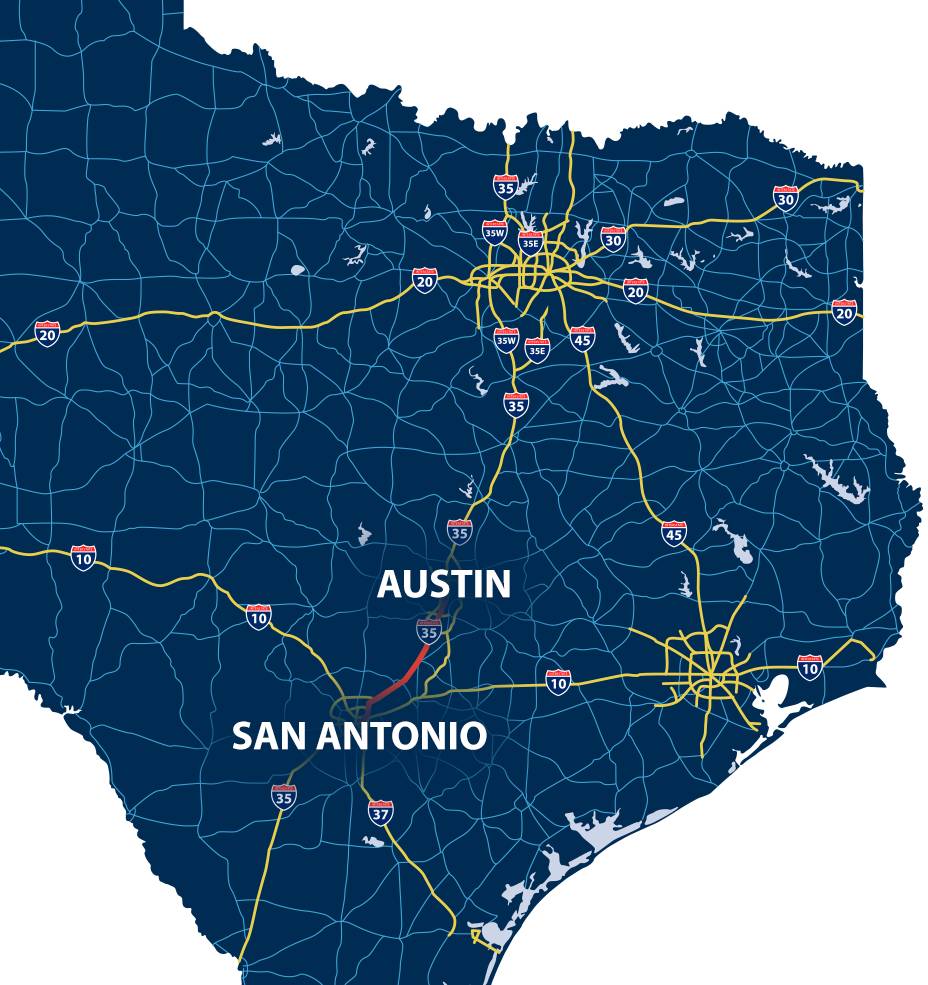
At a glance, Austin and San Antonio might seem like two distinct worlds, with Austin radiating a modern, quirky, and musical vibe, while San Antonio exudes a rich historical charm. Yet, geographically, they are surprisingly close, forming a vital corridor in the central Texas landscape. The typical driving distance between the two cities is approximately 80 miles (about 129 kilometers). This relatively short distance makes them ideal companions for a combined travel itinerary, allowing visitors to experience the best of both worlds without extensive travel time.
Driving the Interstate 35 Corridor: What to Expect
The primary artery connecting Austin and San Antonio is Interstate 35 (I-35). This major highway is a direct route, typically making the drive a straightforward affair. Under ideal conditions, meaning no significant traffic congestion or construction delays, the journey by car can take anywhere from 1 hour and 15 minutes to 1 hour and 45 minutes. However, it’s crucial to acknowledge that “ideal conditions” are often aspirational, especially during peak travel times.
The drive itself offers a blend of urban sprawl transitioning into classic Texas Hill Country scenery, although much of it remains heavily developed along the corridor. Travelers will pass through smaller towns and suburbs that are part of the extended metropolitan areas of both cities. While the route isn’t particularly scenic in parts, it’s efficient. Road trippers often enjoy making a stop at a Buc-ee’s gas station, a beloved Texas institution known for its massive size, clean restrooms, vast array of snacks, and unique Texas-themed merchandise, providing a fun and memorable break from driving.
For those considering a family trip, stopping points along the way can include attractions just off the I-35 corridor, such as Natural Bridge Caverns or the charming Gruene Historic District in New Braunfels, adding a delightful detour to the journey. These stops offer glimpses into local culture and entertainment, turning a simple drive into a mini-adventure.
Navigating Traffic and Peak Hours
Understanding traffic patterns is vital for planning your trip between Austin and San Antonio. The I-35 corridor is one of the busiest stretches of highway in Texas, especially between these two major cities. Commuter traffic can significantly extend travel times, particularly during weekday rush hours (roughly 7:00 AM – 9:00 AM and 4:00 PM – 6:30 PM). Weekend travel, especially Friday afternoons and Sunday evenings, can also see heavy congestion as people travel for leisure.
Factors like major events in either city (e.g., Austin City Limits, South by Southwest, Formula 1 races in Austin, or popular festivals along the San Antonio River Walk) can cause unpredictable delays. It’s always advisable to check real-time traffic updates using GPS navigation apps before and during your journey. Planning your drive during off-peak hours, such as late morning, early afternoon, or late at night, can significantly reduce travel time and stress, ensuring a smoother ride and allowing more time to enjoy your destination.
Diverse Travel Options Between the Cities
While driving is undoubtedly the most popular method for traveling between Austin and San Antonio, several other transportation options cater to different preferences, budgets, and lifestyles, from luxury travel to budget-conscious trips.
Driving: The Most Popular Choice
For many, driving offers the ultimate flexibility and convenience. Whether you’re traveling with family, on a business trip, or simply prefer the freedom of your own schedule, having a car is often the best choice.
- Personal Vehicle: This is the most common and often the most cost-effective if you already own a car. It allows for spontaneous stops and the ability to explore beyond the city centers.
- Rental Cars: If flying into Austin or San Antonio, renting a car is straightforward, with major rental agencies available at both airports and in downtown areas. This is an excellent option for long-term stays or extensive touring.
- Ride-Sharing Services: Uber and Lyft operate in both cities and can provide a convenient, albeit more expensive, door-to-door service. While a single trip between cities could be costly, it eliminates the need for parking and allows passengers to relax. This can be a viable luxury travel option or for business travelers who need to work en route.
- Private Shuttles/Transfers: Several companies offer private shuttle services or executive car transfers. These are often preferred by business travelers or those seeking a more luxurious, stress-free experience, sometimes including amenities like Wi-Fi and comfortable seating.
Public Transportation and Alternative Routes
For travelers without a car, or those looking for more sustainable or budget-friendly options, public transportation offers a viable alternative.
- Bus Services: Greyhound offers multiple daily bus services between Austin and San Antonio. The journey typically takes around 1 hour 45 minutes to 2 hours, depending on the specific route and stops. While generally affordable, bus travel can be less flexible with schedules and may involve navigating bus terminals, which are often outside the main tourist hubs.
- Train Services: Amtrak also connects the two cities via its Texas Eagle route. While a scenic and comfortable way to travel, train schedules are less frequent (typically a few times a week) and the total travel time can be longer due to various stops and routing. However, for those who enjoy the journey as much as the destination, Amtrak offers a unique travel experience, often preferred for its comfort over speed.
- Intercity Shuttles: Specific shuttle services, sometimes run by hotels or tour operators, might offer direct transfers between the cities, especially catering to tourists. These often provide a good balance of convenience and cost, particularly if booked as part of a package.
When choosing your mode of transport, consider your budget, schedule, comfort preferences, and how much luggage you’ll be carrying. For a spontaneous day trip, driving or a ride-share might be best. For a planned multi-day excursion combining both cities, a rental car or bus could be more economical.
Exploring the Capital City: Austin’s Unique Charm
Often dubbed the “Live Music Capital of the World,” Austin pulses with a youthful energy and a vibrant spirit of innovation. From its sprawling parks to its bustling nightlife, Austin offers a diverse array of experiences, catering to every lifestyle, be it luxury travel, budget exploration, or a family trip.
Iconic Landmarks and Activities in Austin
Austin is a city that thrives on outdoor activities, culinary delights, and, of course, music.
- The Texas State Capitol: A magnificent architectural marvel, taller than the U.S. Capitol, offering free tours that delve into Texas history and government. It’s a key landmark for understanding the state’s political heritage.
- Barton Springs Pool and Zilker Park: A natural spring-fed swimming pool, maintaining a refreshing 68-70 degrees Fahrenheit year-round. Located within the expansive Zilker Park, it’s a popular spot for swimming, sunbathing, and outdoor relaxation. The park itself hosts festivals and offers opportunities for kayaking on Lady Bird Lake, home to Austin’s famous bat colony.
- Sixth Street and Rainey Street: For nightlife and live music, Sixth Street is legendary, packed with bars and music venues. Rainey Street offers a more relaxed, upscale vibe with historic houses converted into unique bars.
- South Congress Avenue (SoCo): Known for its eclectic boutiques, vintage shops, vibrant street art, and famous food trucks. It’s the perfect place for unique souvenirs, delicious eats, and people-watching. Don’t miss the view of the Texas State Capitol down the street.
- The University of Texas at Austin: A sprawling campus with impressive architecture, museums, and a vibrant student atmosphere.
- Congress Avenue Bridge Bats: From March to October, witness the spectacular flight of 1.5 million Mexican free-tailed bats emerging from beneath the bridge at dusk, a truly unique Austin experience.
Austin’s culinary scene is equally celebrated, from its world-renowned BBQ joints to its innovative farm-to-table restaurants and diverse food trucks. Activities like paddleboarding on Lady Bird Lake, exploring hiking trails, or simply soaking in the laid-back atmosphere contribute to a memorable travel experience.
Where to Stay in Austin: Accommodation Choices
Austin offers a wide range of accommodation options to suit every budget and style, from luxurious downtown hotels to quirky boutique stays and budget-friendly motels.
- Luxury & Boutique Hotels: For those seeking an elevated experience, hotels like The Driskill (a historic landmark), Hotel ZaZa Austin, or Kimpton Hotel Van Zandt offer opulent amenities, fine dining, and prime locations, often with stunning views of the city or Lady Bird Lake.
- Mid-Range Options: Brands like Embassy Suites, Hilton Garden Inn, and various independent hotels provide comfortable stays with excellent amenities, often near popular attractions like the Convention Center or the University of Texas campus.
- Budget & Extended Stay: Numerous chains like La Quinta Inn and various Airbnb properties offer more economical choices, particularly around the city’s periphery or catering to longer visits. Hostels are also available for backpackers.
- Neighborhoods for Stays: Downtown Austin offers proximity to nightlife and attractions. South Congress is ideal for a trendy, walkable experience. East Austin is known for its artistic vibe and burgeoning food scene, while the area near the University of Texas is convenient for campus visits. When booking, consider factors like proximity to public transport, parking availability, and desired atmosphere.
Discovering the Historic Heart: San Antonio’s Rich Heritage
In stark contrast to Austin’s contemporary vibe, San Antonio is steeped in centuries of history, a city where echoes of the past blend seamlessly with modern attractions. It’s a destination rich in local culture, significant landmarks, and a distinct culinary identity, making it perfect for tourism focused on heritage and unique experiences.
Must-Visit Attractions and Experiences in San Antonio
San Antonio’s attractions are deeply rooted in its colonial and military past, offering profound insights into Texas and American history.
- The Alamo: The legendary mission and fortress compound, site of the pivotal 1836 Battle of the Alamo. It’s a powerful symbol of Texas independence and a must-visit landmark.
- San Antonio River Walk (Paseo del Río): A vibrant network of walkways along the banks of the San Antonio River, lined with shops, restaurants, bars, and hotels. River cruises are a popular way to explore, offering a picturesque view of the city. It’s the heart of San Antonio’s tourism and a fantastic place for local culture and food.
- The San Antonio Missions National Historical Park: A UNESCO World Heritage Site comprising four historic Spanish colonial missions: Mission Concepción, Mission San Jose, Mission San Juan, and Mission Espada. These provide a deeper look into the region’s Spanish colonial past and the lives of early settlers.
- The Pearl District: A beautifully redeveloped historic brewery complex that has become a dynamic culinary and cultural destination. It features award-winning restaurants, unique shops, a farmers market, and boutique hotels, offering a sophisticated lifestyle experience.
- Six Flags Fiesta Texas and SeaWorld San Antonio: For family trips, these theme parks offer thrilling rides, animal encounters, and live entertainment, providing a fantastic day out for all ages.
- Market Square (El Mercado): The largest Mexican marketplace in the United States, offering authentic Tex-Mex cuisine, unique gifts, and vibrant entertainment, immersing visitors in local culture.
San Antonio’s cuisine, heavily influenced by its Mexican heritage, is a highlight, with countless Tex-Mex restaurants, authentic Mexican eateries, and upscale dining experiences, particularly around the Pearl District and River Walk.

Finding Your Perfect Stay in San Antonio
Accommodation in San Antonio ranges from grand historic hotels to modern resorts and budget-friendly options, many offering easy access to the city’s main attractions.
- Luxury & Historic Hotels: For an indulgent stay, consider hotels like The St. Anthony, a Luxury Collection Hotel, a historic gem reflecting old-world grandeur, or Hotel Emma at the Pearl District, known for its industrial-chic design and exceptional service. Many high-end resorts, such as the JW Marriott San Antonio Hill Country Resort & Spa, offer luxurious amenities and golf courses for a resort-style vacation.
- River Walk Hotels: Numerous hotels, including brands like Hyatt Regency, Marriott, and Drury Inn & Suites, are situated directly on or very close to the River Walk, providing unparalleled access to restaurants, shops, and attractions. These are popular for both tourism and business stays due to their central location.
- Mid-Range & Budget Options: Away from the immediate River Walk, you’ll find a plethora of mid-range and budget-friendly hotels from chains like Holiday Inn Express and Comfort Inn. These often provide excellent value, especially for family trips, and typically offer amenities such as pools and complimentary breakfast.
- Apartments & Villas: For longer stays or larger groups, serviced apartments and vacation rentals, particularly outside the city center, can offer more space and kitchen facilities, aligning with long-term stay accommodation needs.
When choosing accommodation, consider whether you prioritize being in the heart of the action on the River Walk or prefer a quieter, more spread-out resort experience, perhaps with specific amenities like a spa or golf course.
Maximizing Your Texas Twin-City Adventure
Combining a visit to Austin and San Antonio offers an unparalleled Texas experience, blending the old with the new, the laid-back with the energetic. With careful planning, you can seamlessly navigate both cities and enjoy a diverse range of attractions, making your trip a truly memorable one.
Planning Your Itinerary and Travel Tips
To make the most of your dual-city adventure, strategic planning is key:
- Best Time to Visit: Spring (March-May) and Fall (September-November) offer the most pleasant weather, with moderate temperatures ideal for outdoor activities and comfortable sightseeing. Summers can be intensely hot and humid, while winters are generally mild but can have occasional cold snaps. These peak seasons also mean higher hotel prices and larger crowds, so booking in advance is crucial.
- Allocate Time Wisely: While it’s possible to do a day trip from one city to the other, a minimum of 2-3 full days in each city is recommended to truly experience their main attractions without feeling rushed. A 5-7 day itinerary allows for a comfortable pace and deeper exploration.
- Consider a Themed Trip: Whether you’re interested in a culinary tour, a historical deep dive, a music pilgrimage, or an outdoor adventure, tailor your itinerary. Austin excels in music, food trucks, and outdoor recreation, while San Antonio shines with history, missions, and Tex-Mex cuisine.
- Book Accommodation and Activities in Advance: Especially during peak season or major events, popular hotels and attractions can fill up quickly. Booking your accommodation, particularly if you’re looking for specific amenities or a specific type of hotel (e.g., a suite on the River Walk), and any high-demand tours or restaurant reservations ahead of time will save you stress and potential disappointment.
- Local Insights: Don’t hesitate to ask locals for recommendations on hidden gems, best eateries, or lesser-known attractions. Both cities have a strong sense of community, and friendly residents are often happy to share their favorite spots.
Combining Culture, Cuisine, and Comfort
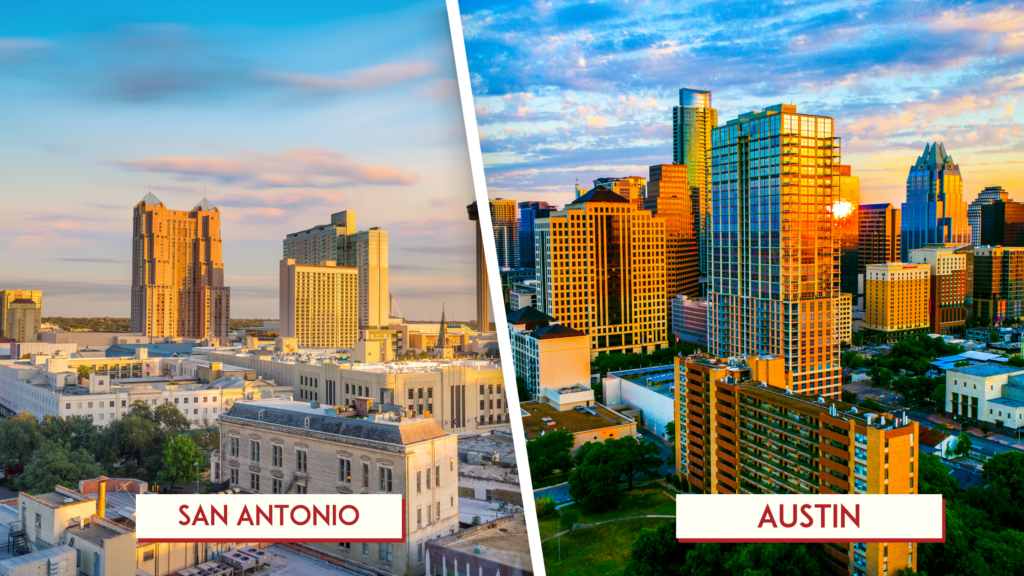
The juxtaposition of Austin’s progressive, “Keep Austin Weird” ethos with San Antonio’s deeply rooted historical and cultural identity creates a captivating travel narrative. You can start your journey with Austin’s vibrant music scene, explore its food truck parks, and hike its urban trails. Then, a short drive south brings you to San Antonio, where you can step back in time at The Alamo, stroll along the picturesque River Walk, and immerse yourself in the flavors of authentic Tex-Mex cuisine.
From a lifestyle perspective, these two cities cater to a wide range of preferences. Luxury travelers can indulge in high-end resorts and gourmet dining in both cities. Budget travelers can find affordable hotels, explore free attractions like parks and historical sites, and savor delicious yet inexpensive food truck fare. Families will appreciate the kid-friendly museums, parks, and theme parks like Six Flags Fiesta Texas and SeaWorld San Antonio. Business travelers can take advantage of robust convention centers and comfortable business hotels, with easy access to both major hubs.
Ultimately, the distance between San Antonio and Austin is not just a matter of miles, but an invitation to explore the diverse and rich tapestry of Texas. By understanding the travel options and planning strategically, you can effortlessly bridge the gap between these two extraordinary destinations, ensuring a fulfilling and unforgettable journey.
LifeOutOfTheBox is a participant in the Amazon Services LLC Associates Program, an affiliate advertising program designed to provide a means for sites to earn advertising fees by advertising and linking to Amazon.com. Amazon, the Amazon logo, AmazonSupply, and the AmazonSupply logo are trademarks of Amazon.com, Inc. or its affiliates. As an Amazon Associate we earn affiliate commissions from qualifying purchases.