
Grand Central Station, more accurately known as Grand Central Terminal, stands as an undeniable icon of New York City and a monumental symbol of American history and architectural prowess. For anyone planning a visit, or simply curious about this bustling hub, understanding its precise location within the sprawling metropolis is the first step towards appreciating its grandeur and the myriad experiences it offers. This magnificent structure isn’t just a transportation nexus; it’s a destination in itself, woven into the fabric of the city’s travel, tourism, and lifestyle ethos.
The question “Where in New York is Grand Central Station?” is one often posed by first-time visitors and even seasoned travelers looking to navigate the intricate landscape of Manhattan. To truly grasp its significance, one must delve into its strategic placement, its historical evolution, and the vibrant ecosystem of attractions, accommodations, and culinary delights that surround it. This article aims to be your comprehensive guide, dissecting not only its exact coordinates but also offering insights into why its location makes it an indispensable landmark for any traveler to the Big Apple. From the moment you step foot into its cavernous Main Concourse, adorned with the celestial ceiling mural, you’re not just at a train station; you’re immersed in a piece of living history, a gateway to both adventure and everyday life in one of the world’s most dynamic cities. Its prime positioning caters to every aspect of the modern traveler’s needs, from quick transit to luxurious stays, making it a cornerstone of both local culture and global tourism.
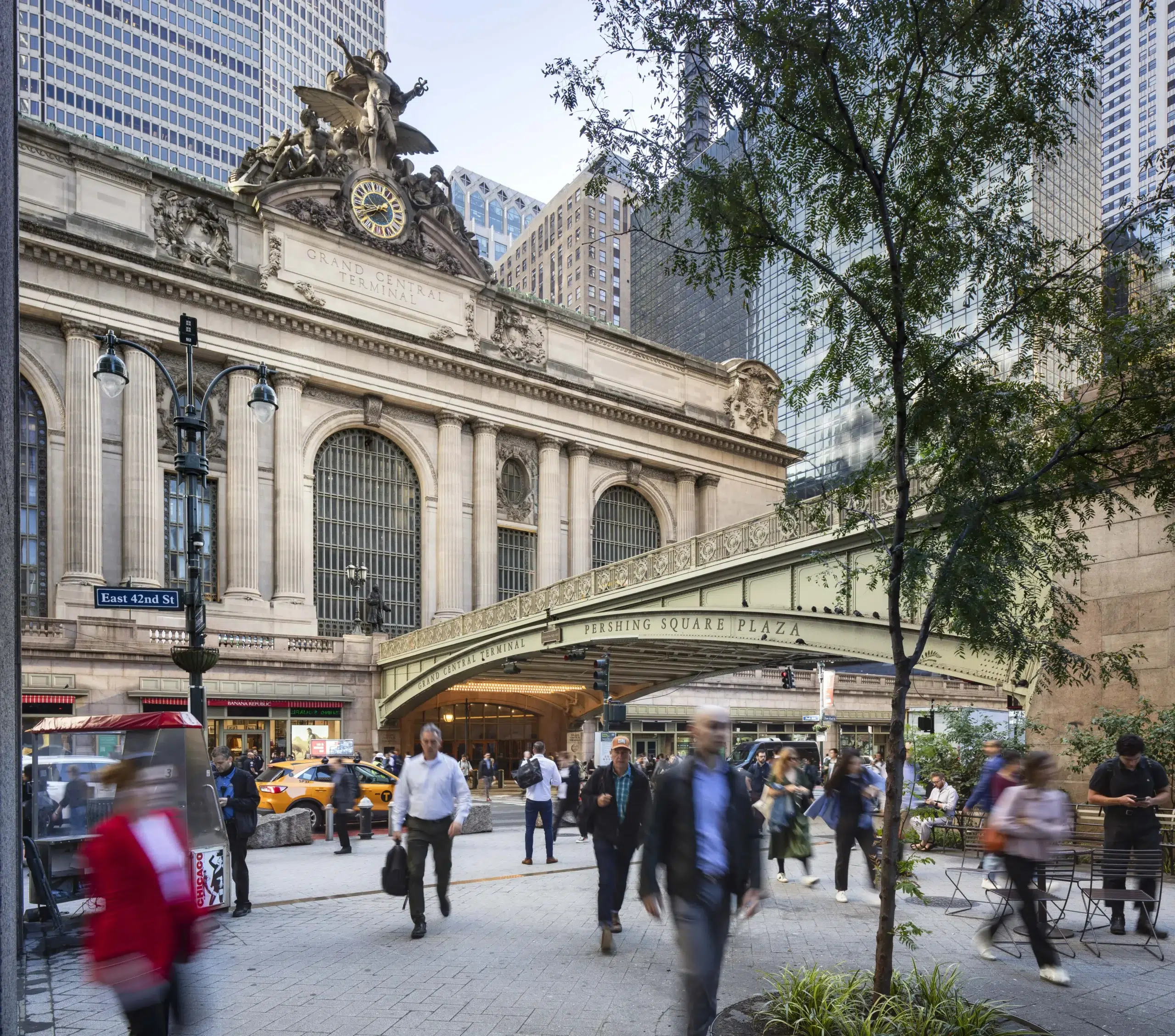
Pinpointing Grand Central: An Icon in the Heart of Manhattan
Understanding the exact placement of Grand Central Terminal is crucial for anyone navigating New York City. Far from being an isolated structure, it is strategically embedded within one of Manhattan’s most vibrant and accessible neighborhoods, serving as a pivotal point for millions of commuters and tourists annually. Its location is not merely a matter of geography but a testament to its enduring role in the city’s infrastructure and identity.
The Exact Location and How to Get There
Grand Central Terminal is prominently situated in Midtown Manhattan, a bustling commercial and cultural district renowned for its iconic skyscrapers, world-class shopping, and dynamic energy. Specifically, it occupies a significant block bordered by Vanderbilt Avenue on the west, Lexington Avenue on the east, East 42nd Street on the south, and East 44th Street on the north. Its main entrance, featuring the magnificent Minerva, Hercules, and Mercury sculptures by Jules-Félix Coutan, faces Park Avenue at East 42nd Street.
This central location makes Grand Central exceptionally accessible from virtually anywhere in New York City. It is a major hub for the Metropolitan Transportation Authority (MTA) subway system, serving the 4, 5, 6, 7, and S (Shuttle) lines at the Grand Central–42nd Street station. These subway lines connect seamlessly to other major transportation arteries, including Penn Station and the city’s extensive bus network. For those arriving from outside Manhattan, Grand Central is the northern terminus for the Metro-North Railroad, providing commuter rail service to Westchester, Putnam, and Dutchess counties in New York, and Fairfield and New Haven counties in Connecticut. This makes it a crucial entry point for regional travelers, offering a smooth transition into the heart of the city.

Navigating the Grand Central Area
The area immediately surrounding Grand Central is designed for efficient pedestrian flow, with numerous entrances and exits connecting directly to various streets, office buildings, and subway platforms. Underground passages and pedestrian tunnels allow visitors to move between the terminal and adjacent buildings, such as the MetLife Building (which actually sits atop the terminal’s northern tracks) and the Chrysler Building, without having to brave the bustling New York traffic. This intricate network is a marvel of urban planning, enabling seamless transit for hundreds of thousands daily.
The strategic placement of Grand Central means it acts as a central node, simplifying access to many of Manhattan’s prime attractions. Its location allows for easy walkability to major corporate offices, diplomatic missions, and educational institutions, making it a critical point for business travelers. For tourists, it’s a launchpad for exploring iconic landmarks, cultural institutions, and entertainment venues, all within a reasonable distance by foot or a short subway ride. The immediate vicinity is also rich in amenities, from diverse dining options to retail outlets, catering to every need from a quick coffee to a gourmet meal.
Beyond the Tracks: Grand Central as a Destination and Landmark
While primarily known as a transportation hub, Grand Central Terminal transcends its functional purpose to stand as a significant destination in its own right. It is not merely a place to catch a train; it is a living museum, an architectural masterpiece, and a vibrant marketplace, offering a rich tapestry of experiences that appeal to history buffs, architecture enthusiasts, foodies, and shoppers alike. Its role as a landmark extends far beyond its tracks, embodying the spirit of New York City itself.
Architectural Grandeur and Historical Significance
The terminal’s Beaux-Arts architecture is breathtaking. Completed in 1913, its design by the firms Reed and Stem and Warren and Wetmore was revolutionary, creating a grand, open space that was both functional and aesthetically magnificent. The Main Concourse is arguably its most famous feature, with its soaring, vaulted ceiling depicting a celestial map, adorned with constellations and gold leaf. The iconic four-faced opal clock atop the information booth, valued at over $20 million, is a popular meeting spot and a testament to the terminal’s opulence.
Beyond its visual appeal, Grand Central Terminal holds immense historical significance. It replaced the original Grand Central Depot and Grand Central Station (hence the common misnomer), ushering in an era of electrified trains and double-track loops. It was nearly demolished in the 1960s but was saved by a landmark preservation movement led by figures like Jacqueline Kennedy Onassis, cementing its status as a protected historic site. This victory set a precedent for urban preservation and highlighted the terminal’s cultural value, making it an enduring symbol of resistance against unchecked development and a triumph for architectural heritage.

Dining, Shopping, and Experiences Within Grand Central
The terminal offers much more than just transit. It’s a culinary destination, housing some of New York’s most famous eateries, alongside a diverse array of casual dining options. The legendary Oyster Bar & Restaurant, with its vaulted ceilings and fresh seafood, has been serving patrons since 1913. For a more casual bite, visitors can explore the Dining Concourse downstairs, featuring everything from Shake Shack to artisanal bakeries. The Grand Central Market is a gourmet food hall where shoppers can find fresh produce, meats, cheeses, and specialty items, making it a favorite among locals and tourists seeking high-quality provisions.
Shopping at Grand Central ranges from high-end boutiques to unique gift shops. There are stores offering everything from fashion and jewelry to books and electronics, catering to both the commuter in a hurry and the leisurely shopper. Beyond dining and retail, the terminal offers unique experiences. The Whispering Gallery, located near the Oyster Bar, is an acoustic marvel where two people standing at diagonal arches can hear each other’s whispers. Free tours, both self-guided and led by professionals, are available, offering deeper insights into the terminal’s history, architecture, and hidden secrets, such as the famous Vanderbilt Tennis Club located within the terminal itself. These diverse offerings transform a simple transit stop into an engaging cultural and lifestyle experience.
Exploring the Vibrant Surroundings: Attractions Near Grand Central
The strategic placement of Grand Central Terminal means it’s surrounded by an embarrassment of riches when it comes to New York City attractions. Its Midtown Manhattan location places visitors within easy walking distance or a short subway ride of some of the city’s most famous landmarks, cultural institutions, and entertainment venues. This makes the area around Grand Central an ideal starting point for exploring the essence of New York’s vibrant tourism scene.
Iconic Landmarks Within Walking Distance
From the moment you step out of Grand Central, you are enveloped by architectural marvels and historical sites. The majestic Chrysler Building, a quintessential Art Deco skyscraper, is just a block away, its gleaming spire a constant reminder of New York’s architectural heritage. A slightly longer but pleasant stroll westward down 42nd Street leads to the grandeur of the New York Public Library’s main branch, the Stephen A. Schwarzman Building, flanked by its iconic lion statues, Patience and Fortitude. Adjacent to the library is Bryant Park, a beautifully landscaped urban oasis that hosts events year-round, from free movie nights in summer to an ice-skating rink and holiday market in winter.
Continuing westward, you can reach the bright lights of Times Square and the Theater District, where the magic of Broadway unfolds nightly. To the south, the colossal Empire State Building beckons with its panoramic observation decks, offering unparalleled views of the city. To the north, Rockefeller Center, home to 30 Rockefeller Plaza, its famous ice rink, and the Top of the Rock Observation Deck, is also within a comfortable walking distance, especially when utilizing the city’s pedestrian-friendly avenues. These landmarks provide a captivating glimpse into the city’s scale and ambition, all easily accessible from Grand Central.
Cultural Hotspots and Entertainment
Beyond the most famous landmarks, the area around Grand Central is rich in cultural experiences and entertainment options. The United Nations Headquarters is a short walk east, offering tours and a chance to experience international diplomacy firsthand. Art lovers can explore numerous galleries in Midtown or venture a bit further uptown to reach world-class museums like the Museum of Modern Art (MoMA), which is easily reachable via subway from Grand Central.
For those interested in unique experiences, the Ford Foundation Building near the United Nations features a stunning indoor garden accessible to the public, providing a serene escape from the urban hustle. The Pershing Square Building, directly across from the terminal, houses Pershing Square Cafe, a classic New York diner known for its quintessential American fare. This concentration of attractions means that a day spent exploring around Grand Central can seamlessly blend history, architecture, art, and entertainment, fulfilling diverse travel interests and enriching any visit to New York City.
Accommodating Your Visit: Hotels and Stays Near Grand Central
Given Grand Central Terminal’s central location in Midtown Manhattan, it’s no surprise that the surrounding area is a prime destination for accommodation. The convenience of being within steps of a major transportation hub, iconic landmarks, and corporate offices makes it a highly sought-after neighborhood for travelers of all types. Whether you’re seeking luxury, boutique charm, or budget-friendly options, the vicinity of Grand Central offers a wide array of hotels and resorts, catering to every preference and lifestyle.
Luxury and Boutique Hotel Options
For those seeking an indulgent stay, the area boasts several renowned luxury hotels that exemplify New York’s sophisticated hospitality. The iconic Waldorf Astoria New York, though currently undergoing extensive renovations, represents the pinnacle of historical luxury just a stone’s throw away. Nearby, the Hyatt Grand Central New York offers direct access to the terminal and boasts modern amenities and stunning city views, making it a favorite for business and leisure travelers alike. Its prime location makes it an effortless choice for those prioritizing convenience and quality.
Other high-end options include The Roosevelt Hotel, an elegant landmark property that recently closed but once offered a glimpse into old New York glamour, and the Sofitel New York, known for its French-inspired luxury and refined ambiance. Boutique hotels such as The Chatwal, a Luxury Collection Hotel, New York City, offer a more intimate and distinctive experience, often with personalized service and unique design aesthetics. These establishments are more than just places to sleep; they are integral to the luxury travel experience, providing amenities like gourmet dining, opulent suites, and concierge services tailored to sophisticated tastes. Booking these accommodations often comes with the added benefit of being able to explore Grand Central and its surroundings with utmost ease and comfort, enhancing the overall quality of your stay in the city.
Practical and Budget-Friendly Accommodations
Travelers on a more constrained budget need not despair, as the Grand Central area also provides a range of practical and affordable accommodation options without compromising on location. Hotels like Club Quarters Hotel, Grand Central offer comfortable rooms and convenient services primarily aimed at business travelers and long-term stays, but are equally suitable for tourists. These properties often feature efficient layouts, complimentary Wi-Fi, and fitness centers, striking a balance between cost and essential amenities.
Hostels and more budget-conscious hotels, such as Pod 39 Hotel, provide cleverly designed compact rooms and vibrant communal spaces, appealing to younger travelers or those simply looking for a clean and well-located base from which to explore the city. Many of these options emphasize minimalist design and maximize efficiency, ensuring guests have everything they need for a comfortable stay without unnecessary frills. Comparison websites are particularly useful here for finding the best deals and understanding guest reviews. The benefit of staying near Grand Central at any price point is the unparalleled access to public transport, making it easy to save on taxi fares and navigate the city efficiently. This variety ensures that every traveler, regardless of their budget or preference for amenities, can find suitable accommodation that enhances their New York City experience.
Maximizing Your Grand Central Experience: Tips for Travelers
Visiting Grand Central Terminal is more than just observing a landmark; it’s an immersion into the pulse of New York City. To truly appreciate its beauty, history, and the vibrant atmosphere of its surroundings, a few insider tips can elevate your experience from a simple visit to a memorable journey. Understanding the best times to explore, how to engage with its hidden gems, and how it connects to the broader New York lifestyle will enrich your travel and tourism adventure.
Best Times to Visit and Insider Tips
To experience Grand Central without the overwhelming crowds, consider visiting during off-peak hours. Early mornings (before 8 AM) or late evenings (after 7 PM) typically offer a more serene atmosphere, allowing you to admire the architecture, especially the celestial ceiling, in relative peace. Weekends can also be less crowded than weekdays, when the terminal is packed with commuters. However, if you wish to witness the famous “rush hour ballet,” a brief visit during peak commuting times (8-9 AM or 5-6 PM) can be an exhilarating, albeit crowded, experience, showcasing the terminal’s incredible efficiency and the sheer volume of people it serves.
- Look Up: The celestial ceiling of the Main Concourse is a masterpiece. Many visitors overlook this incredible mural; take a moment to gaze at its beauty and discover the “dark patch” near Cancer, a remnant from its pre-restoration days that serves as a reminder of the terminal’s past grime.
- The Whispering Gallery: Located on the Dining Concourse, near the Oyster Bar, this architectural quirk allows two people standing at opposite diagonal corners to hear each other’s whispers. It’s a delightful and often surprising discovery.
- Explore Beyond the Concourse: Don’t limit yourself to the Main Concourse. Venture into the various passages, explore the Grand Central Market for gourmet treats, and discover the hidden Campbell Apartment (now The Campbell), a former private office turned luxurious bar, offering a glimpse into the terminal’s opulent past.
- Take a Tour: Consider joining one of the official guided tours, or download an audio tour. These provide fascinating historical anecdotes and architectural details that you might otherwise miss. The Municipal Art Society of New York (MAS) offers excellent docent-led tours.
Grand Central and the Broader New York Lifestyle
Grand Central Terminal’s integration into the New York lifestyle is profound. It’s not just a waypoint but a vital organ of the city’s daily rhythm. For business professionals, it’s the gateway to Midtown’s corporate towers. For families, it’s a launching point for adventures to museums and parks. For those seeking luxury, it’s surrounded by upscale shopping on Fifth Avenue and gourmet dining experiences. Its connection to various subway lines and the Metro-North Railroad means it facilitates everything from daily commutes to weekend getaways.
The terminal itself hosts numerous events throughout the year, from holiday markets to art installations, further solidifying its role as a cultural hub. Its concourses have served as backdrops for countless films and television shows, cementing its place in popular culture and making it recognizable worldwide. Embracing the lifestyle around Grand Central means experiencing the city’s dynamic blend of history and modernity, efficiency and elegance. Whether you’re a first-time tourist marveling at its scale or a seasoned local appreciating its functionality, Grand Central Terminal remains an unparalleled testament to New York’s enduring allure, offering a rich tapestry of experiences that seamlessly blend travel, history, and an unforgettable urban lifestyle.
LifeOutOfTheBox is a participant in the Amazon Services LLC Associates Program, an affiliate advertising program designed to provide a means for sites to earn advertising fees by advertising and linking to Amazon.com. Amazon, the Amazon logo, AmazonSupply, and the AmazonSupply logo are trademarks of Amazon.com, Inc. or its affiliates. As an Amazon Associate we earn affiliate commissions from qualifying purchases.