
For the discerning traveler and culinary enthusiast alike, the allure of a perfectly cooked steak is undeniable. Among the pantheon of premium cuts, the New York Strip holds a special place, revered for its robust flavor, satisfying texture, and versatility. Whether you’re exploring the bustling streets of New York City, indulging in a luxurious resort experience, or seeking authentic local cuisine, encountering this iconic cut is often a highlight. But for those mindful of their wellness journey, a common question arises: how many calories are truly in a New York Strip?
This article delves into the nutritional profile of this beloved steak, exploring the factors that influence its caloric content and offering insights for travelers and food lovers keen on making informed choices without sacrificing the joy of a gourmet meal. We’ll connect the culinary experience of enjoying a New York Strip to the broader themes of travel, lifestyle, and responsible indulgence, demonstrating how this classic dish fits seamlessly into a well-rounded exploration of the world’s finest offerings.
The Iconic New York Strip: A Culinary Journey for Travelers
The New York Strip steak, also known as a Kansas City strip, Ambassador steak, or club steak, boasts a fascinating history and a globally recognized appeal. Its origins are often traced back to the bustling meatpacking districts and burgeoning steakhouses of the United States, particularly in cities renowned for their culinary prowess. This cut, typically boneless but sometimes served with a bone-in, comes from the short loin of the cow, a muscle that doesn’t do much work, resulting in a tender, fine-grained texture. Its distinctive strip of fat on one side contributes significantly to its rich flavor and juiciness, making it a favorite among steak connoisseurs.
For travelers, encountering a New York Strip often means more than just a meal; it’s an experience. From the high-end steakhouses of Manhattan to the charming local eateries in rural America, this steak represents a certain standard of quality and a taste of local culinary traditions. Understanding its characteristics is the first step in appreciating its place in global gastronomy and, by extension, its nutritional footprint.
What Makes a New York Strip Special?
The defining characteristics of a New York Strip are its balance of flavor, tenderness, and marbling. Unlike the super-tender Filet Mignon or the richly marbled Ribeye, the New York Strip offers a satisfying chew without being tough, and a pronounced beefy flavor that stands on its own. The strip of fat along one edge, if left on during cooking, renders down to infuse the meat with additional moisture and taste, creating a truly sensory experience.
When you’re exploring different destinations, you’ll find variations in how the New York Strip is presented and prepared. In Buenos Aires, a local bife de chorizo (their equivalent of a strip steak) might be grilled over an open flame with minimal seasoning, celebrating the quality of the beef itself. In a high-end Las Vegas steakhouse, it might be dry-aged, seared to perfection, and served with elaborate sauces or gourmet sides. These regional nuances contribute to the diverse tapestry of food tourism, allowing travelers to taste the same cut through different cultural lenses.
Nutritional Breakdown: Beyond Just Calories
While calories are often the primary concern for health-conscious individuals, it’s crucial to look beyond this single metric when evaluating the nutritional value of a New York Strip. This cut of beef is a powerhouse of essential nutrients, making it a valuable addition to a balanced diet, especially for active travelers who need sustained energy.
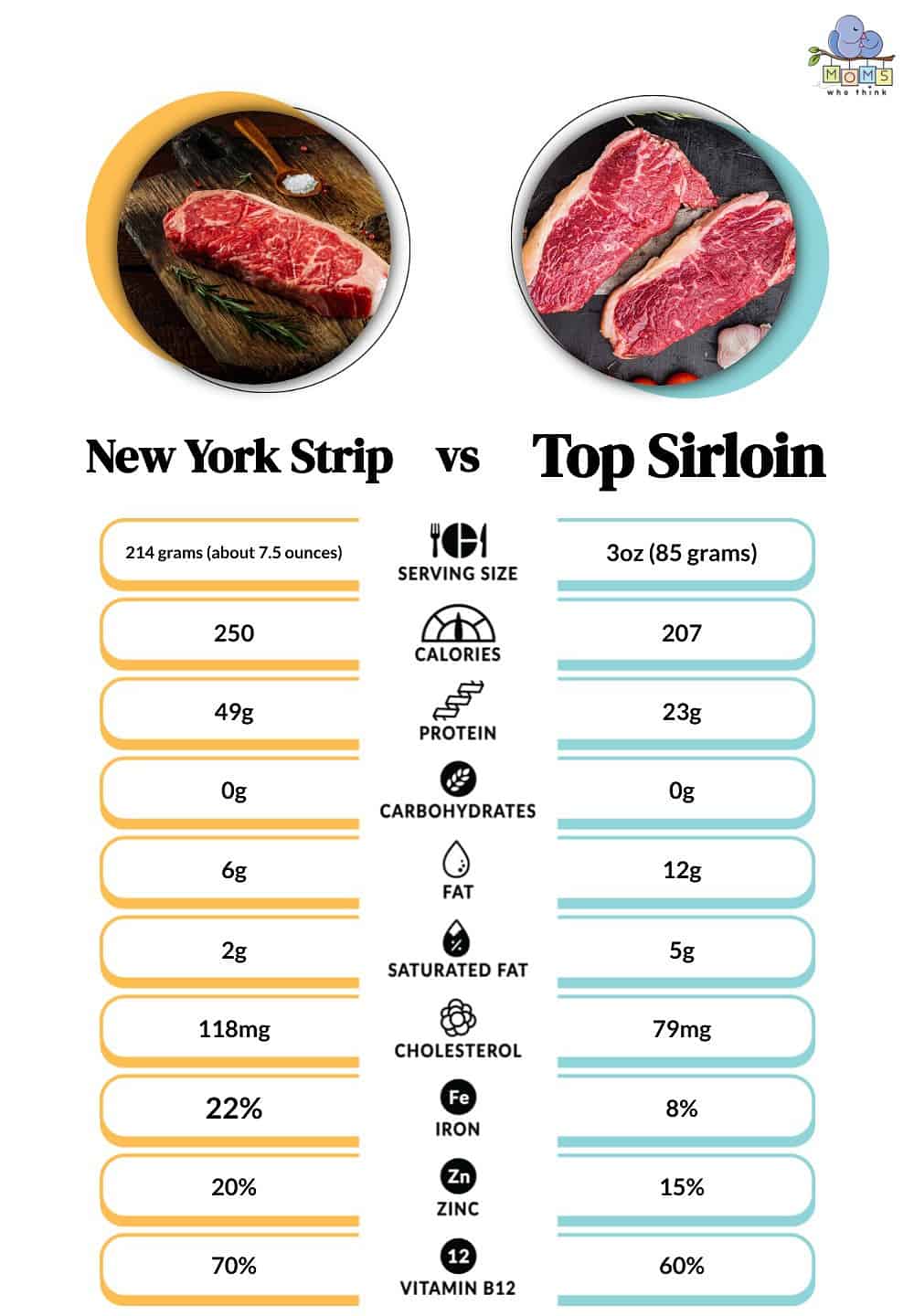
A standard 6-ounce (about 170-gram) serving of a lean New York Strip can provide approximately:
- Calories: 300-450 calories (raw, untrimmed, depending on marbling and size). Cooked and trimmed, this can be lower.
- Protein: Around 40-50 grams. This high protein content is excellent for muscle repair, satiety, and maintaining energy levels, which is particularly beneficial for those engaging in strenuous travel activities like hiking or exploring vast cities on foot.
- Fat: 15-30 grams, with varying amounts of saturated and unsaturated fats. The fat content is highly dependent on the marbling (intramuscular fat) and whether the external fat cap is trimmed.
- Vitamins and Minerals: Red meat is an excellent source of iron (vital for preventing fatigue during travel), zinc (important for immune function), selenium (an antioxidant), and B vitamins (B12, B6, niacin, riboflavin) which play crucial roles in energy metabolism.

Understanding this broader nutritional context helps travelers appreciate that a New York Strip isn’t just an indulgence but a significant source of vital nutrients that can support their adventures.
Decoding the Calorie Count: Factors That Matter
The caloric content of a New York Strip is not a fixed number. It’s a dynamic figure influenced by several key factors, all of which are worth considering, especially when dining out or planning a meal on the go. As a lifestyle and tourism website, we encourage conscious choices that enhance your experience without compromising your well-being.
Cut, Trim, and Preparation: The Main Influencers
The journey from a whole loin to a plate involves several steps that directly impact the final calorie count.
- Marbling and Fat Trim: The inherent marbling of the beef (the tiny streaks of fat within the muscle) plays a significant role. A highly marbled steak, often indicative of higher quality and flavor, will naturally have more calories due to its fat content. Additionally, whether the external fat cap is left on or trimmed extensively before cooking makes a substantial difference. Many restaurants will serve a steak with a good portion of the fat cap for flavor, but you can often request it trimmed.
- Portion Size: This is perhaps the most obvious, yet often overlooked, factor. Restaurant servings of a New York Strip can range dramatically, from a modest 8 ounces to a hearty 16 ounces or even more. An 8-ounce steak will have roughly half the calories of a 16-ounce steak, assuming similar preparation. Being aware of standard portion sizes and asking about the weight of your steak is a simple way to manage caloric intake.
- Cooking Method: How the steak is cooked profoundly affects its calorie count.
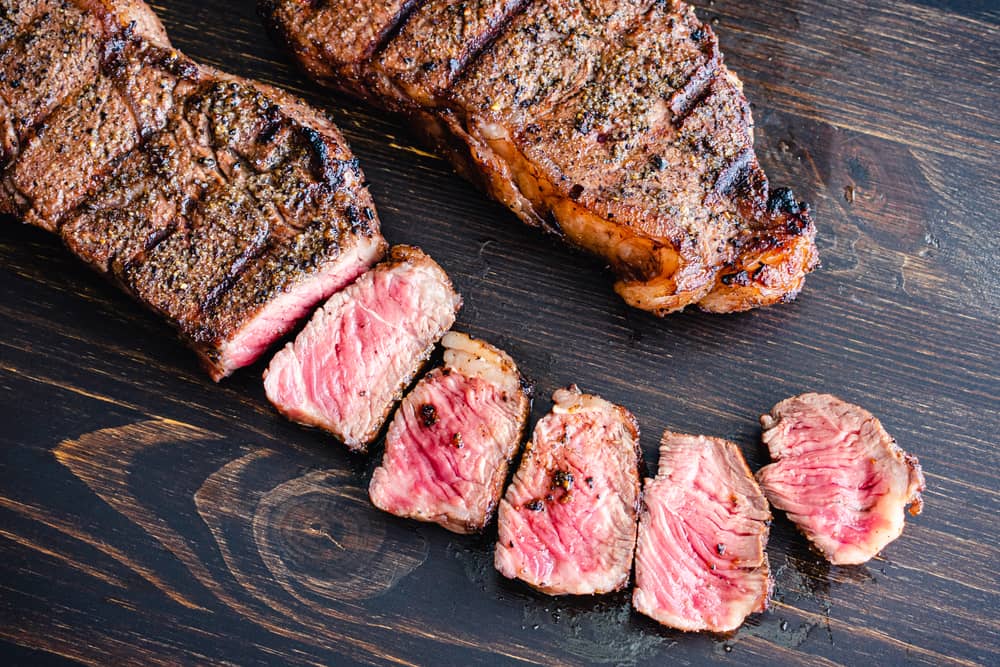
- Grilling or Broiling: These methods typically involve minimal added fats, making them the leanest options. The fat from the steak itself renders and drips away, further reducing the final fat content.
- Pan-Searing: Often involves cooking the steak in oil, butter, or a combination. While butter basting adds incredible flavor, it also adds calories. A tablespoon of butter contains about 100 calories, and a steak might soak up several tablespoons during the process.
- Frying: Less common for a premium cut like a New York Strip, but any method involving deep frying would significantly increase calories.
- Sauces and Accompaniments: This is where hidden calories can really add up. A rich béarnaise sauce, a creamy peppercorn sauce, or a decadent truffle butter can easily add hundreds of calories to your meal. Even seemingly innocuous sides like mashed potatoes (often loaded with butter and cream) or cheesy gratins contribute substantially. Savvy travelers often opt for lighter sauces on the side or choose simple vegetable accompaniments like steamed Asparagus or a fresh salad.
Restaurant vs. Home Cooking: Understanding the Differences
When you’re traveling, dining at a local steakhouse or a hotel restaurant is often part of the experience. However, it’s important to recognize that restaurant preparation can differ significantly from home cooking in terms of caloric impact.
- Restaurant Portions and Preparation: As mentioned, restaurant portions tend to be generous. Furthermore, chefs often use more butter, oil, and salt than one might at home to enhance flavor and create that rich, satisfying restaurant-quality taste. This isn’t a criticism, but an observation for those tracking their intake. A chef might baste a steak with a generous amount of butter or finish it with a pat of compound butter, elevating both the flavor and the calorie count.
- Hidden Fats and Sugars: Sauces prepared in a restaurant kitchen can contain higher amounts of butter, cream, or even sugar to balance flavors. Even seemingly simple preparations might involve glazes or marinades that add calories.
- The Steakhouse Experience: The whole ambiance of a premier steakhouse, whether in Chicago, Omaha, or Tokyo, is designed for indulgence. This often includes pre-meal bread baskets with rich butter, appetizer options like creamed spinach or lobster bisque, and decadent desserts. While these are part of the luxury travel experience, being mindful of the cumulative caloric intake across the entire meal is key.
When you’re cooking at home or in an apartment rental during a long-term stay, you have complete control over the type of oil, the amount of butter, and the ingredients in your sauces and sides, allowing for precise calorie management.
Savoring the Strip: A Lifestyle and Travel Perspective
Enjoying a New York Strip isn’t just about the calories; it’s about the entire culinary journey and how it integrates into your lifestyle and travel experiences. It’s a dish that can define a moment, whether it’s a celebratory dinner, a business meeting, or a casual exploration of local flavors.
Pairing Your Steak: From Wine Country to Local Brews
The art of pairing food and drink elevates the dining experience, transforming a meal into a memorable event. A New York Strip, with its robust flavor, pairs beautifully with a variety of beverages, enhancing both the steak and the drink.
- Red Wines: Classic pairings include full-bodied reds like a Cabernet Sauvignon from Napa Valley or Bordeaux, a Malbec from Argentina, or a spicy Syrah. These wines cut through the richness of the meat and complement its savory notes. Exploring wine regions and their culinary traditions is a form of luxury travel in itself, and a perfect steak pairing can be the highlight.
- Craft Beers: For beer enthusiasts, a stout, porter, or a hoppy IPA can be an excellent match. The roasted notes in darker beers or the bitterness of an IPA can provide a delightful contrast to the steak’s richness. Many travel destinations boast vibrant craft beer scenes, offering unique local brews to discover.
- Spirits: A good Bourbon or a peaty Scotch can also complement a steak, especially as an after-dinner digestif.
When traveling, asking your server for a local pairing recommendation can introduce you to unique regional wines or craft beers, deepening your connection to the local culture and enhancing your tourism experience.
Top Destinations for Steak Lovers: Where to Find the Best
The global pursuit of the perfect steak takes travelers to renowned culinary hubs and hidden gems. While a New York Strip is a staple in many countries, certain destinations are particularly celebrated for their steakhouses and beef culture.
- New York City, United States: Unsurprisingly, the city that lends its name to the cut is home to some of the world’s most legendary steakhouses, offering classic dry-aged strips in opulent settings.
- Chicago, United States: Another American titan of steak, Chicago steakhouses are famous for their generous portions and hearty preparations, reflecting the city’s Midwestern roots.
- Buenos Aires, Argentina: While they might call it bife de chorizo, the strip steak in Argentina is a testament to the country’s unparalleled beef quality and grilling traditions. Dining at an asado (traditional Argentinian barbecue) is an essential part of the Argentina tourism experience.
- Tokyo, Japan: Known for its meticulous culinary artistry, Tokyo offers an exquisite steak experience, from traditional steakhouses to venues serving premium Wagyu beef, where the preparation and presentation are an art form.
- Las Vegas, United States: Beyond its famous casinos, Las Vegas has become a gastronomic hotspot, with celebrity chef steakhouses offering luxurious takes on the New York Strip and other prime cuts.
These destinations offer not just a meal, but a comprehensive culinary adventure, often requiring bookings at top hotels and exploring local attractions, making the steak part of a holistic travel itinerary.
Experiencing Luxury and Local Flavors
The New York Strip bridges the gap between luxury travel and authentic local experiences. In a five-star hotel, it might be served as part of an exclusive tasting menu, reflecting the epitome of fine dining. In a more casual, local setting, it can be a hearty, unpretentious meal that speaks to the region’s agricultural heritage.
- Luxury Travel: For those indulging in luxury travel, a perfectly cooked, dry-aged New York Strip in a Michelin-starred restaurant within a grand resort or a boutique hotel is often a highlight. It embodies the decadence and quality associated with high-end experiences.
- Budget Travel and Local Immersion: Even on a budget, travelers can seek out local eateries or markets to find quality beef, perhaps opting for a smaller portion or a simpler preparation, to enjoy the essence of the dish without the lavish price tag. Exploring how different cultures prepare and celebrate their beef provides deep insights into their lifestyle and cuisine. This might involve visiting local markets for ingredients if you’re staying in an accommodation with kitchen facilities.
No matter your travel style, the New York Strip offers a versatile and delicious entry point into the culinary landscape of your chosen destination.
Smart Choices for Health-Conscious Travelers
For many, travel is an opportunity to relax and indulge, but it doesn’t mean completely abandoning healthy eating habits. With a little foresight, you can enjoy a delicious New York Strip while still making smart choices that align with your wellness goals.
Balancing Indulgence with Wellness on the Road
The key to a successful health strategy while traveling, especially when faced with tempting dishes like a New York Strip, is balance and moderation.
- Plan Ahead: If you know you’re having a big steak dinner, consider lighter meals for breakfast and lunch on that day.
- Stay Hydrated: Drinking plenty of water is essential for overall health and can help manage appetite.
- Walk It Off: Leverage your travel itinerary to incorporate physical activity. Exploring city landmarks on foot, hiking in natural parks, or using the gym at your hotel can help offset caloric intake.
- Mindful Eating: Savor each bite, eat slowly, and pay attention to your body’s hunger and fullness cues. This can prevent overeating and enhance the enjoyment of your meal.
These simple strategies allow you to partake in the joys of culinary tourism without guilt, ensuring your lifestyle choices support your travel adventures.
Customizing Your Steak Order
When ordering a New York Strip in a restaurant, don’t hesitate to make specific requests to tailor the meal to your preferences and dietary needs.
- Request Leaner Cuts: While the New York Strip inherently has some fat, you can ask for a well-trimmed piece or request that the chef trim extra fat from the exterior.
- Specify Cooking Methods: Opt for grilling or broiling over pan-searing with excessive butter. You can explicitly ask for your steak to be cooked with minimal oil or butter.
- Sauce on the Side: This is an easy way to control added calories. You can then add a small amount of sauce yourself, rather than having it generously spooned over your steak.
- Choose Lighter Sides: Instead of creamed spinach or heavy mashed potatoes, ask for steamed or grilled vegetables (like broccoli, green beans, or a simple side salad with dressing on the side).
- Portion Control: If available, choose a smaller portion size (e.g., an 8-ounce steak instead of a 12 or 16-ounce). If portions are large, consider sharing with a travel companion.
By communicating your preferences, you empower yourself to enjoy the rich flavors of a New York Strip while staying true to your health goals, making every meal a conscious and enjoyable part of your travel lifestyle.
The New York Strip remains a celebrated dish worldwide, a testament to its enduring appeal and delicious versatility. While its caloric content can vary significantly based on factors like marbling, trim, portion size, and preparation method, understanding these variables allows travelers and food enthusiasts to make informed choices. By balancing indulgence with mindful eating and activity, you can savor this iconic steak as a delightful part of your culinary explorations, whether you’re navigating the vibrant food scene of a major metropolis or enjoying a serene meal at a luxury resort. Ultimately, enjoying a New York Strip is about more than just calories; it’s about embracing a rich culinary tradition and enhancing your overall travel and lifestyle experience.
LifeOutOfTheBox is a participant in the Amazon Services LLC Associates Program, an affiliate advertising program designed to provide a means for sites to earn advertising fees by advertising and linking to Amazon.com. Amazon, the Amazon logo, AmazonSupply, and the AmazonSupply logo are trademarks of Amazon.com, Inc. or its affiliates. As an Amazon Associate we earn affiliate commissions from qualifying purchases.