
Chinatown in New York City is not merely a geographic point on a map; it is a vibrant, pulsating cultural heart that thrives within the bustling borough of Manhattan. For any traveler seeking an authentic, immersive experience that transcends the typical tourist trail, understanding its location is just the beginning of an extraordinary journey. This iconic neighborhood offers a kaleidoscopic blend of history, tradition, and contemporary urban life, drawing millions of visitors annually who come to explore its bustling streets, savor its world-renowned cuisine, and soak in its unique atmosphere.
As one of the oldest and largest Chinese enclaves outside of Asia, New York’s Chinatown serves as a living museum, a thriving commercial hub, and a spiritual home for generations of immigrants and their descendants. It stands as a testament to resilience, cultural preservation, and the American dream, continually evolving while fiercely holding onto its roots. This guide aims to not only pinpoint its exact location but also to provide a comprehensive overview for travelers, diving deep into its attractions, cultural significance, and the myriad experiences it offers, ensuring that your visit is both enriching and unforgettable. Whether you’re a food enthusiast, a history buff, or simply someone looking to explore a distinct corner of NYC, Chinatown promises a captivating adventure.

Pinpointing Chinatown’s Location and Boundaries
To truly appreciate Chinatown, one must first grasp its physical footprint within the intricate tapestry of Lower Manhattan. While its precise boundaries have historically been fluid, expanding and contracting with demographic shifts, a clear understanding of its core and surrounding areas is essential for navigation and exploration.
Geographical Overview within Manhattan
Chinatown is predominantly situated in the southeastern part of Manhattan. Its heart is generally considered to be around the intersection of Mott Street, Pell Street, and Doyers Street, forming a vibrant nexus of activity. This historical core is where many of the oldest establishments, traditional markets, and cultural landmarks are concentrated, offering visitors an immediate sense of immersion.
The neighborhood sits strategically, bordering several other notable districts, which has contributed to its unique character and diverse influences. To its north, Chinatown seamlessly blends into the southern fringes of Little Italy, particularly along Canal Street and Grand Street. While Little Italy itself has shrunk considerably over the decades, the cultural interplay between these two historic immigrant enclaves is still visible in their architectural styles, dining options, and annual festivals.
To the east, Chinatown abuts the Lower East Side, a neighborhood historically home to various immigrant groups and now a trendy district known for its nightlife, art galleries, and boutique shops. This proximity means that visitors can easily transition between the traditional markets and eateries of Chinatown to the more modern, bohemian vibe of the Lower East Side, offering a diverse range of experiences within a short walking distance.
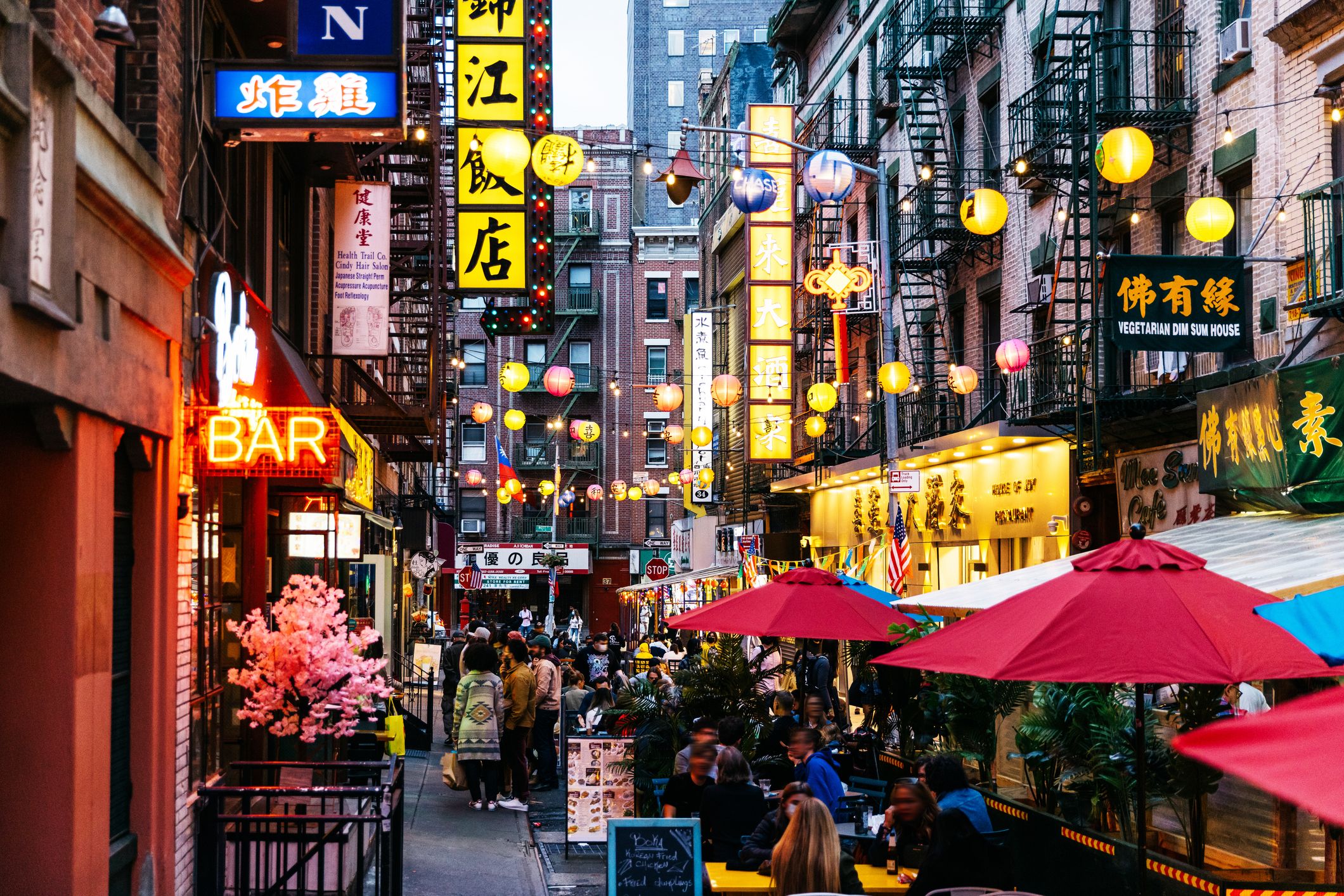
To the west, Chinatown extends towards areas that connect with the artistic district of SoHo and the more commercial areas closer to City Hall and the Civic Center. This western edge often features more contemporary Chinese businesses, art spaces, and a slightly different architectural character. Finally, to the south, Chinatown borders the Financial District, offering a stark contrast between the historic, bustling streets and the towering skyscrapers of Wall Street. This juxtaposition highlights New York City’s unique ability to house diverse worlds side-by-side.
Major Thoroughfares and Neighboring Districts
Understanding the key streets helps in navigating Chinatown. Canal Street is arguably the most famous and serves as a bustling northern boundary. It’s a major arterial road known for its vibrant street vendors selling everything from souvenirs to imitation designer goods, creating a chaotic yet captivating introduction to the neighborhood. Crossing Canal Street from the north immediately immerses you in the distinct atmosphere of Chinatown.
Bowery forms the eastern edge, a historic street that has seen countless transformations. Today, it’s a thoroughfare where you’ll find a mix of restaurant supply stores, residential buildings, and some more modern hotels and art spaces that reflect the evolving nature of the area.
Mott Street is often considered the traditional main street of Chinatown. Lined with authentic Cantonese restaurants, fish markets, herbal shops, and souvenir stores, it offers a sensory overload of sights, sounds, and smells. Walking down Mott Street provides a quintessential Chinatown experience, encapsulating much of the neighborhood’s charm and character.
Doyers Street, famously known as “The Bloody Angle” due to its notorious history of gang violence in the early 20th century, is now a charming, curved street that hosts barbershops, tea houses, and some of Chinatown’s most beloved restaurants. Its unique bend and narrow width give it a distinct, almost hidden feel, making it a favorite for photographers and those seeking a quieter moment amidst the bustle.
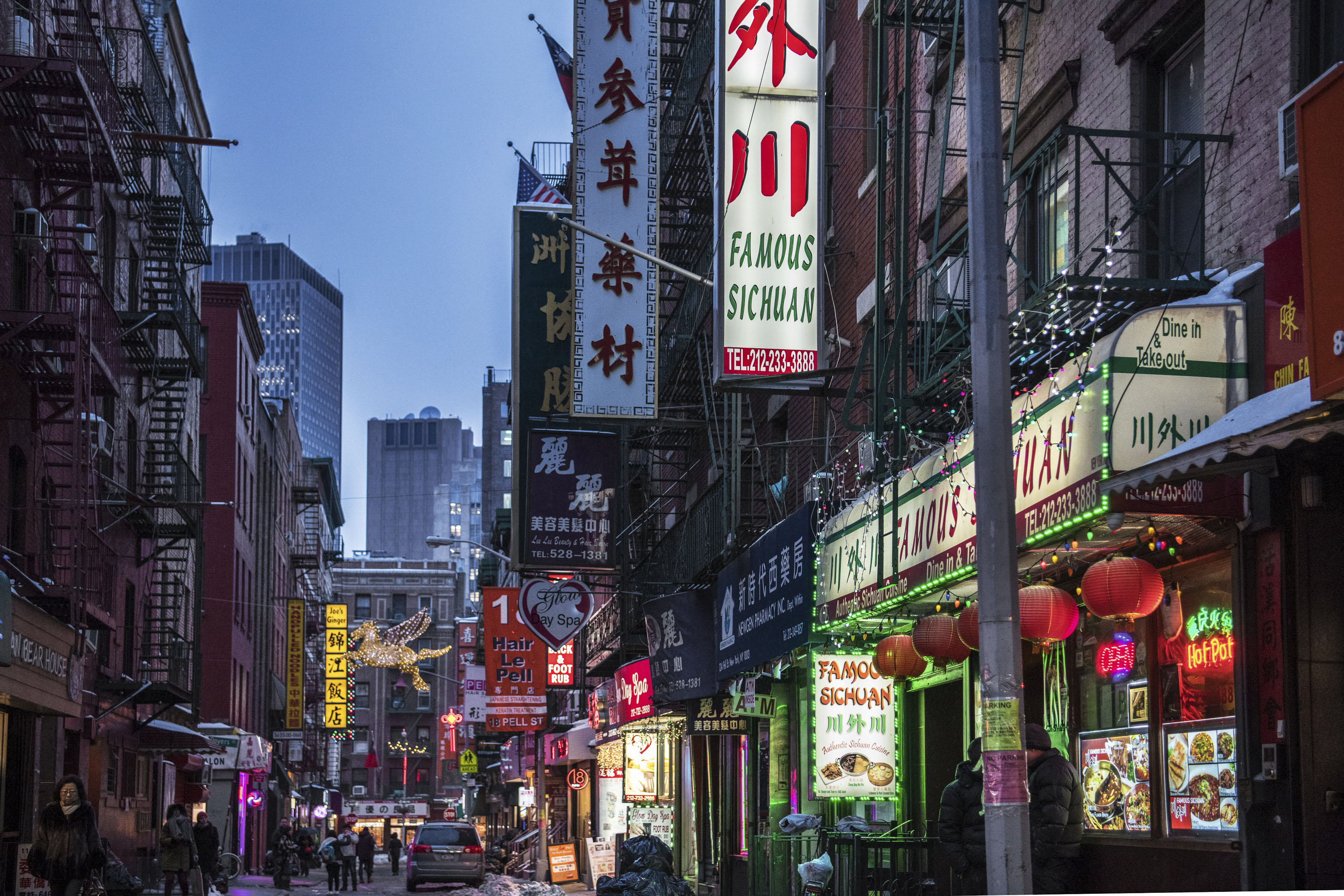
Pell Street, running parallel to Doyers Street, is another historic thoroughfare with classic architecture and traditional businesses. These streets, along with others like Bayard Street and Elizabeth Street, form the core grid that defines the essence of Chinatown. Understanding these major arteries and their surrounding neighborhoods allows visitors to confidently explore, appreciating the way Chinatown integrates into and distinguishes itself from the greater Manhattan landscape. Its central location also makes it an excellent base or a convenient stop on any NYC itinerary, whether you’re heading to the Brooklyn Bridge, the Statue of Liberty, or the cultural institutions uptown.
A Journey Through Culture and History
Chinatown is far more than just a cluster of streets; it is a vibrant tableau painted with centuries of history, rich cultural traditions, and an enduring spirit that has shaped its identity. Exploring its landmarks and culinary scene is to embark on a journey through time and across continents.
Iconic Landmarks and Architectural Gems
The landscape of Chinatown is dotted with numerous sites that tell stories of its past and present. One of the most prominent landmarks is Columbus Park, located on the western edge of Chinatown where Mott Street meets Mulberry Street. This park, once part of the notorious Five Points neighborhood, now serves as a central gathering place for the community. Here, you can witness residents practicing tai chi in the mornings, playing mahjong or Chinese chess, and socializing, offering a genuine glimpse into daily life. It’s a peaceful oasis amidst the surrounding urban frenzy.
Another significant cultural institution is the Museum of Chinese in America (MOCA). Located on Centre Street, MOCA is dedicated to preserving and presenting the history, heritage, and culture of Chinese Americans. Its insightful exhibitions, educational programs, and extensive archives provide a profound understanding of the immigrant experience, from the early pioneers to contemporary Chinese American identity. A visit here offers invaluable context to the vibrant neighborhood outside its doors.
For those interested in spiritual sites, the Eastern States Buddhist Temple of America on Mott Street offers a serene escape. Tucked away on a busy street, this temple provides a quiet sanctuary where visitors can admire traditional Buddhist art and architecture. The intricate details of its altars and statues, along with the calming scent of incense, transport you to a place of tranquility. Similarly, the Mahayana Buddhist Temple on Canal Street is home to a magnificent golden Buddha statue, offering another spiritual stop.
Architecturally, Chinatown is characterized by its tenement buildings, many of which date back to the late 19th and early 20th centuries, reflecting the crowded living conditions of early immigrants. However, you’ll also find more distinct structures, such as the Confucius Plaza, a prominent housing complex with its striking red and gold gate and a large statue of Confucius, serving as a gateway to the community and a symbol of wisdom and cultural pride. The numerous street signs, often bilingual, and the vibrant storefronts adorned with traditional Chinese characters, red lanterns, and intricate dragons, all contribute to an unmistakable visual identity that is both authentic and deeply rooted in heritage. These architectural details, often overlooked, are crucial threads in the rich tapestry of Chinatown’s story.
The Culinary Heartbeat of Chinatown
No discussion of Chinatown would be complete without delving into its legendary culinary scene. Food is not just sustenance here; it is a cornerstone of culture, community, and identity. The neighborhood boasts an incredible array of dining experiences, from humble street food stalls to Michelin-starred establishments, catering to every palate and budget. For many, a visit to Chinatown is primarily a gastronomic adventure.
Dim sum is arguably the most famous culinary offering. Restaurants like Nom Wah Tea Parlor on Doyers Street, which opened in 1920, are institutions, offering classic Cantonese dim sum in a historic setting. Here, you can enjoy an array of small, delectable dishes like har gow (shrimp dumplings), siu mai (pork dumplings), char siu bao (BBQ pork buns), and sticky rice, often pushed around on carts, providing a truly authentic experience. Other renowned dim sum spots include Jing Fong and Golden Unicorn, which offer grander, bustling dining halls perfect for large groups.
Beyond dim sum, Chinatown excels in a multitude of regional Chinese cuisines. You’ll find excellent Cantonese seafood restaurants, fiery Sichuan eateries, savory Fujian noodle shops, and authentic Shanghai soup dumpling specialists. Don’t miss out on trying classic dishes like Peking duck, roast pork, congee, and fresh seafood from the many fish markets that line the streets.
Street food and bakeries also play a significant role. Grab a pork bun or egg tart from a traditional bakery like Kam Hing Coffee Shop or Fay Da Bakery. Explore the fruit stands offering exotic produce, or sample unique treats from various vendors. Bubble tea shops are ubiquitous, providing a refreshing break from exploration.
The culinary scene in Chinatown isn’t just about eating; it’s about the experience. The bustling markets where fresh produce, live seafood, and exotic spices are sold create a vibrant tapestry of daily life. Exploring these markets, engaging with vendors, and discovering new ingredients is an adventure in itself. For budget travelers, Chinatown is a paradise, offering some of the most delicious and affordable meals in Manhattan. For luxury travelers, there are upscale options that fuse traditional flavors with contemporary dining aesthetics. Regardless of your preference, the food of Chinatown is an integral part of its identity, promising an unforgettable journey for the taste buds.
Navigating and Experiencing Chinatown
Successfully exploring Chinatown requires a blend of practical knowledge and an open mind. From understanding transportation to embracing the local customs, a few tips can enhance your experience significantly, allowing you to fully immerse yourself in this dynamic neighborhood.
Getting There: Transportation Options
Given its central Manhattan location, Chinatown is exceptionally well-connected by public transportation, making it easily accessible from anywhere in New York City.
The subway is the most efficient way to reach Chinatown. Several lines serve the area:
- Canal Street Station (N, Q, R, W, J, Z, 6 lines): This is perhaps the most convenient hub, with multiple exits along Canal Street that immediately place you amidst the vibrant street life of Chinatown.
- Grand Street Station (B, D lines): Located further east, this station provides access to the eastern parts of Chinatown and the Lower East Side.
- East Broadway Station (F line): Serves the southeastern section, closer to the Manhattan Bridge.
Buses also offer extensive service, with routes like the M103, M15, M9, and BxM18 running through or around the neighborhood. While slower than the subway, buses provide an excellent opportunity for sightseeing as you travel.
For those who prefer taxi or rideshare services, Chinatown is a common destination, but be prepared for potential traffic, especially on Canal Street. The narrow, often bustling streets can make driving a challenge, and parking is notoriously difficult and expensive.
Walking is also a fantastic option if you are already in Lower Manhattan, SoHo, Tribeca, or the Financial District. The pedestrian-friendly nature of New York allows for enjoyable strolls between neighborhoods, letting you discover hidden gems along the way.
Essential Tips for Visitors
To make the most of your Chinatown experience, keep these practical tips in mind:
- Wear Comfortable Shoes: You’ll be doing a lot of walking on busy, sometimes uneven, sidewalks. Comfortable footwear is essential for exploring the sprawling neighborhood.
- Come Hungry and Adventurous: The food is a major draw. Don’t stick to just one restaurant; try various dim sum spots, noodle shops, bakeries, and street vendors. Be open to new flavors and experiences. Many restaurants are cash-only, so have some small bills on hand.
- Hone Your Bargaining Skills (on Canal Street): While most legitimate shops have fixed prices, the street vendors on Canal Street often expect haggling for souvenirs and imitation goods. Bargain respectfully and enjoy the playful exchange.
- Explore Beyond Mott and Canal: While Mott Street and Canal Street are iconic, venture into smaller lanes like Doyers Street, Pell Street, or Elizabeth Street for more authentic discoveries and fewer crowds.
- Visit Markets: The fresh food markets (fish, meat, produce) are a sensory delight and a window into local life. Even if you’re not buying, they’re fascinating to observe.
- Respect Local Customs: While Chinatown is accustomed to tourists, remember it’s a living, breathing community. Be mindful of noise, photography (especially of individuals without permission), and cultural nuances, particularly in temples or community centers.
- Consider a Guided Tour: For first-timers, a walking food or history tour can provide valuable insights and lead you to hidden gems you might otherwise miss. Many local guides offer specialized tours.
- Be Aware of Your Surroundings: Like any busy urban area, especially one with bustling markets and crowds, it’s wise to be aware of your belongings and surroundings.
- Combine with Neighboring Areas: Chinatown’s proximity to Little Italy, the Lower East Side, and the Financial District makes it easy to combine visits, creating a diverse day of exploration.
- Time Your Visit: Weekends are usually the busiest. If you prefer fewer crowds, try visiting on a weekday morning or early afternoon. Major festivals like Lunar New Year bring immense crowds but also unparalleled cultural celebrations.
By keeping these tips in mind, visitors can unlock the true magic of Chinatown and create memorable experiences that extend far beyond simply knowing its location.
Where to Stay: Accommodation Near Chinatown
While Chinatown itself is less saturated with large chain hotels, its strategic location in Lower Manhattan means there are numerous excellent accommodation options within easy walking distance or a short subway ride. Choosing to stay nearby offers unparalleled access to the neighborhood’s unique charm, as well as convenient connections to other NYC attractions.
Diverse Options for Every Traveler
The hotels surrounding Chinatown cater to a wide range of preferences, from luxury boutiques to budget-friendly stays, making it an ideal choice for various types of travelers—be it families, business travelers, or solo adventurers.
For those seeking a more upscale experience, several stylish hotels have emerged on the fringes of Chinatown and in the adjacent Lower East Side and SoHo districts.
- Hotel 50 Bowery: Located directly on Bowery and at the edge of Chinatown, this hotel offers modern amenities, a chic design, and often stunning skyline views from its rooms and rooftop bar. It blends contemporary luxury with the vibrant energy of the neighborhood.
- CitizenM New York Bowery Hotel: Also on Bowery, CitizenM is known for its smart-luxury concept, compact yet comfortable rooms, and excellent communal spaces, including one of the highest rooftop bars in Lower Manhattan, offering panoramic views.
- The Ludlow Hotel: Situated in the trendy Lower East Side, just a stone’s throw from Chinatown, The Ludlow offers a bohemian-chic vibe with a luxurious edge, featuring industrial-style decor and a popular lobby bar.
Mid-range and boutique options provide comfort and character without the premium price tag. You might find smaller, independently owned hotels or serviced apartments offering a more localized experience. Areas like the Financial District, a short walk south, offer several reputable chains such as the New York Marriott Downtown or the W New York – Downtown, which provide reliable service and good access to Chinatown and other Lower Manhattan attractions.
For budget-conscious travelers or those seeking a more authentic, long-term stay, consider checking out hostels or Airbnb apartments in the broader Lower Manhattan area. While traditional hotels within the immediate core of Chinatown are fewer, the surrounding districts provide ample choices that keep you close to the action while offering a variety of price points and styles. Families might appreciate the option of suites or apartments with kitchenettes, providing more space and flexibility. Business travelers will find excellent connectivity to public transport for reaching various business districts.
Integrating Chinatown into Your NYC Itinerary
Choosing accommodation near Chinatown isn’t just about the convenience; it’s about enriching your entire New York City experience. By staying in this dynamic quadrant of Manhattan, you position yourself perfectly to explore not only Chinatown but also a wealth of other iconic NYC destinations.
Imagine starting your day with authentic dim sum, then taking a leisurely stroll across the Brooklyn Bridge (just a short walk away from the eastern edge of Chinatown) for stunning skyline views. From there, you could delve into the history of the Financial District or catch a ferry to the Statue of Liberty and Ellis Island.
In the afternoon, you might explore the trendy boutiques of SoHo or the charming streets of Greenwich Village, both easily accessible by subway or even on foot. Even quintessential Midtown attractions like the Empire State Building and Times Square are just a few subway stops away, offering a seamless blend of cultural immersion and classic sightseeing.
For those interested in nightlife, the Lower East Side’s vibrant bar scene is right next door. Foodies will appreciate the sheer volume of dining choices, extending beyond Chinese cuisine to Italian in Little Italy and diverse options throughout Lower Manhattan.
By choosing accommodation near Chinatown, you’re not just booking a room; you’re securing a prime location that serves as a gateway to the multifaceted wonders of New York City. It promises a travel experience that balances historical depth and cultural richness with modern convenience and accessibility, making your trip truly comprehensive and memorable.
Conclusion
Chinatown in New York City is much more than a geographical location; it is a dynamic, living cultural entity that stands as one of Manhattan’s most compelling neighborhoods. Situated in the vibrant southeastern quadrant of Lower Manhattan, bordered by Canal Street to the north, Bowery to the east, and seamlessly blending into Little Italy and the Lower East Side, it forms an accessible and utterly captivating destination.
From its historic streets like Mott Street and Doyers Street, echoing with generations of stories, to its iconic landmarks such as Columbus Park and the Museum of Chinese in America, Chinatown offers a profound journey into Chinese American heritage. Its culinary landscape, a true global marvel, presents an endless array of authentic flavors, from bustling dim sum parlors to hidden noodle shops, satisfying every palate and budget.
For travelers, Chinatown’s strategic position ensures seamless access via extensive public transportation, making it an ideal base for exploring the entirety of New York City. The surrounding areas offer a diverse range of accommodation options, from luxurious boutique hotels to comfortable mid-range stays, all providing excellent access to this unique cultural enclave and its neighboring attractions.
Ultimately, a visit to Chinatown is an invitation to immerse oneself in a sensory feast—a kaleidoscope of sights, sounds, and tastes that capture the essence of a resilient community. It is a testament to cultural preservation, a bustling commercial hub, and an indispensable part of the New York City experience. So, when planning your next urban adventure, remember that Chinatown is not just a place to locate, but a world to discover, promising memories that will last a lifetime.
LifeOutOfTheBox is a participant in the Amazon Services LLC Associates Program, an affiliate advertising program designed to provide a means for sites to earn advertising fees by advertising and linking to Amazon.com. Amazon, the Amazon logo, AmazonSupply, and the AmazonSupply logo are trademarks of Amazon.com, Inc. or its affiliates. As an Amazon Associate we earn affiliate commissions from qualifying purchases.