
Alaska, the United States’ largest and most geographically diverse state, is a land of unparalleled natural beauty, adventure, and intriguing logistical considerations for travelers. From the towering peaks of Denali National Park to the sprawling glaciers of Kenai Fjords National Park, and the remote charm of its coastal towns, Alaska offers experiences unlike anywhere else. However, beneath the surface of breathtaking landscapes and thrilling adventures lies a subtle yet crucial aspect that can significantly impact your travel plans: its time zones. Understanding Alaska’s time zones, including whether Daylight Saving Time (DST) is observed, is paramount for seamless travel, accurate bookings, and fully immersing yourself in the local lifestyle without a hitch.
For many visitors arriving from the Lower 48 or international destinations, the time difference can be substantial, often leading to confusion about flight schedules, tour start times, and hotel check-ins. This comprehensive guide aims to demystify Alaska’s time zones, offering insights that will help you plan your itinerary, manage jet lag, and make the most of every precious moment in the Last Frontier. Whether you’re planning a luxury cruise through the Inside Passage, a budget-friendly backpacking trip through wilderness areas, or a family adventure exploring charming towns like Anchorage and Fairbanks, having a clear grasp of local time is your first step towards a stress-free and unforgettable Alaskan journey.

Navigating Alaska’s Time Zones: A Traveler’s Guide
Despite its immense size, Alaska primarily observes a single time zone for the vast majority of its population centers and tourist destinations. However, there’s a small, geographically significant exception that every informed traveler should be aware of. Understanding this distinction is key to precision planning, especially when dealing with the intricacies of flight connections, tour departures, and communications with locals or accommodation providers.
The Primary Time Zones of Alaska
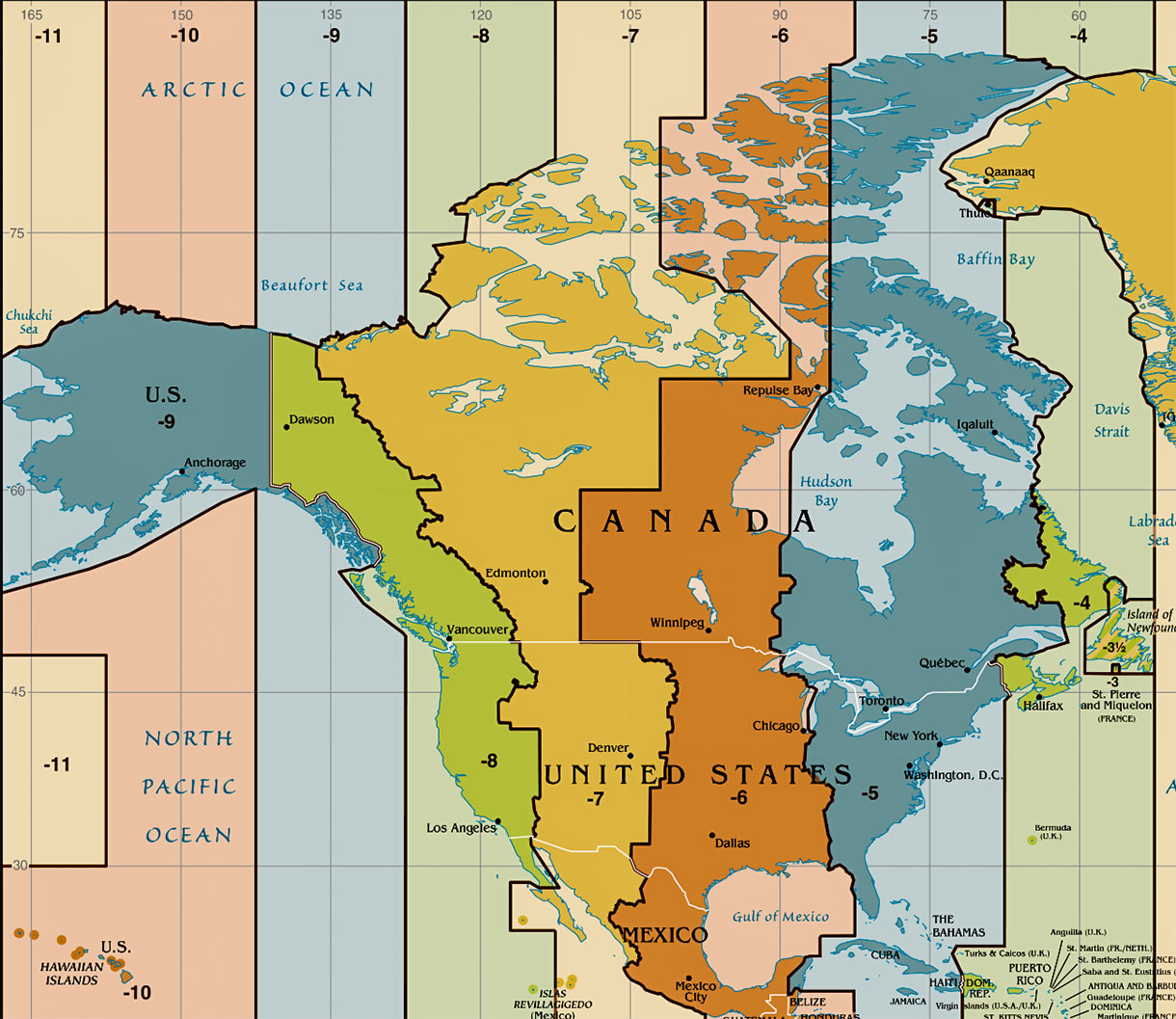
The vast majority of Alaska, including major cities like Anchorage, Fairbanks, and the capital, Juneau, operates under the Alaska Time Zone.
- During standard time, this is known as Alaska Standard Time (AKST), which is UTC-9 hours. This means it is nine hours behind Coordinated Universal Time (UTC).
- When Daylight Saving Time is in effect, it shifts to Alaska Daylight Time (AKDT), which is UTC-8 hours.
To put this into perspective for travelers from the contiguous United States:
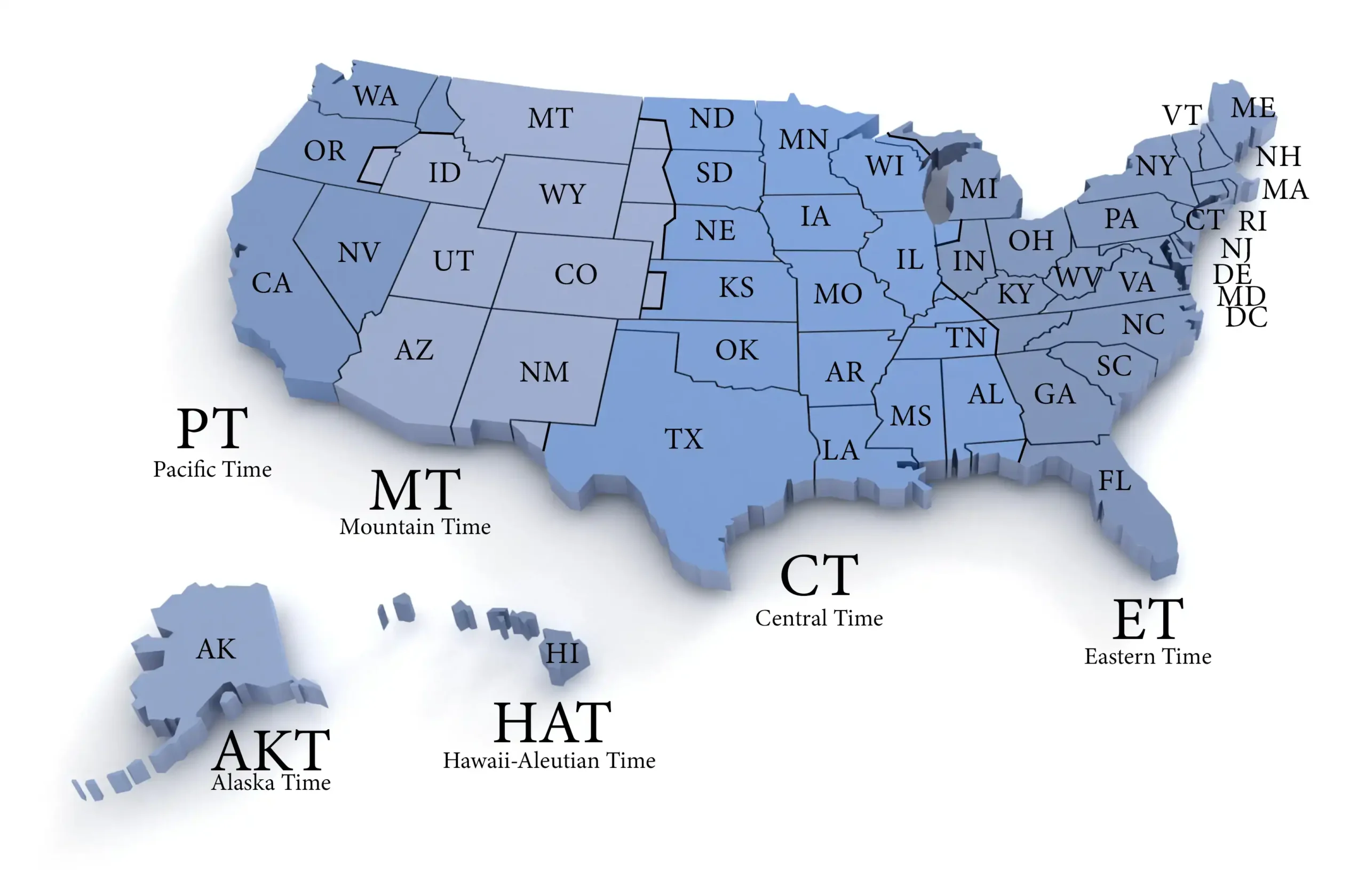
- Alaska is one hour behind the Pacific Time Zone.
- Alaska is two hours behind the Mountain Time Zone.
- Alaska is three hours behind the Central Time Zone.
- Alaska is four hours behind the Eastern Time Zone.
This significant time difference often catches travelers by surprise, particularly those on the East Coast. A flight departing New York City at 9:00 AM Eastern Time might land in Anchorage much later than initially perceived, requiring careful itinerary planning to account for travel duration plus the time zone shift.
The notable exception to the Alaska Time Zone is a segment of the Aleutian Islands west of 169°30′ W longitude. This remote chain of islands, which stretches far into the Pacific Ocean, falls into the Hawaii-Aleutian Time Zone.
- During standard time, this is Hawaii Standard Time (HST), which is UTC-10 hours.
- When Daylight Saving Time is observed, it becomes Hawaii Daylight Time (HDT), which is UTC-9 hours.
This places the westernmost Aleutian Islands one hour behind the main Alaska Time Zone. While most tourists will not venture into this specific geographical area, it is a fascinating detail for those interested in the intricacies of global timekeeping and serves as a reminder of Alaska’s vast geographical expanse. For the overwhelming majority of travelers focused on mainland adventures or popular cruise routes, the Alaska Time Zone is the only one they will need to consider.
Daylight Saving Time in the Last Frontier
Alaska does observe Daylight Saving Time, meaning clocks “spring forward” one hour in the early spring and “fall back” one hour in the late autumn. This practice is consistent with most of the United States and ensures that the state gains an hour of daylight in the evening during the warmer months, which is particularly significant given Alaska’s extreme seasonal light variations.
- Typically, Daylight Saving Time begins on the second Sunday in March at 2:00 AM local time, when clocks move forward to 3:00 AM.
- It then ends on the first Sunday in November at 2:00 AM local time, when clocks move back to 1:00 AM.
For travelers, this means that if your trip spans these transition dates, you’ll need to adjust your watches and electronic devices accordingly. More importantly, it affects how you perceive daylight hours. During the summer, when DST is active, cities like Anchorage and Fairbanks experience exceptionally long days, with the sun often setting well past 10:00 PM or even later, and rising extremely early. This phenomenon, often referred to as “the land of the midnight sun,” is one of Alaska’s most iconic features and has profound implications for daily activities and sleep schedules, especially for those accustomed to more conventional day-night cycles.
The Impact of Alaska’s Time Zones on Your Travel Experience
Understanding Alaska’s time zones is not just about knowing the current time; it’s a critical component of successful travel planning and maximizing your enjoyment of this unique destination. From booking flights to navigating your daily itinerary, the time difference can influence every aspect of your trip.
Planning Your Itinerary and Bookings
The significant time difference between Alaska and other regions, particularly the East Coast of the United States, necessitates meticulous planning.
- Flights and Connections: When booking flights, especially those with layovers, always confirm the departure and arrival times in local time. A flight departing Seattle at 3:00 PM Pacific Time will arrive in Anchorage at 2:00 PM local time if it’s a direct, one-hour flight, which can be disorienting. Miscalculating this can lead to missed connections or unnecessary stress upon arrival.
- Hotel Check-ins and Check-outs: Most hotels, whether a boutique hotel in Juneau or a resort near Denali, adhere strictly to local time for check-in and check-out. Ensure your arrival time aligns with their policies to avoid waiting for your room or incurring extra charges. When booking online, make sure the time displayed for arrival/departure is the local time for the specific Alaskan city.
- Tours and Excursions: From glacier cruises in Seward to wildlife viewing safaris in Homer or fishing charters in Ketchikan, tour operators will always quote times in local Alaskan time. Double-check your confirmation emails and be punctual. A common pitfall is showing up an hour late (or early) due to a lingering internal clock from your previous time zone.
- Dining Reservations: Popular restaurants in Anchorage or Fairbanks can fill up quickly, especially during peak season. When making reservations, confirm the time in AKDT/AKST to ensure you don’t miss out on a culinary experience.
Adjusting to Alaskan Time: Overcoming Jet Lag
The significant time difference, combined with Alaska’s’s unique daylight patterns, can make jet lag a particularly challenging aspect of your trip. While not a true timezone in the traditional sense, the effect of summer’s near-constant daylight amplifies the feeling of disorientation.
- The Jet Lag Challenge: Travelers from the East Coast face a four-hour time shift. This can lead to fatigue, difficulty sleeping, and digestive issues. Travelers from the West Coast have a less severe one-hour shift, but still need to adjust.
- The “Midnight Sun” Effect: During the summer months, the sun may only dip below the horizon for a few hours, or not at all in the northernmost regions. This can severely disrupt your circadian rhythm, making it difficult for your body to recognize when it’s time to sleep. Even if it’s past midnight, the bright sky can trick your body into thinking it’s still daytime.
- Practical Tips for Adjustment:
- Prioritize Sleep: Even if the sun is blazing at 11 PM, use blackout curtains (many Alaskan accommodations provide these) or an eye mask to create a dark environment for sleep.
- Stay Hydrated: Drink plenty of water and avoid excessive caffeine or alcohol, especially on travel days.
- Gradual Adjustment: If possible, try to adjust your sleep schedule by an hour or two each day in the days leading up to your trip.
- Embrace the Light: During the day, expose yourself to as much natural light as possible to help reset your internal clock. Engage in outdoor activities.
- Maintain a Schedule: Try to stick to a consistent meal and sleep schedule once you arrive in Alaska, even if your body feels otherwise.
Maximizing Your Alaskan Adventure: Time Zone Considerations for Activities & Lifestyle
Beyond mere practicalities, Alaska’s time zones and extreme daylight variations shape the very rhythm of life and the unique experiences available to visitors. Embracing this difference can transform your trip from good to extraordinary.
Local Culture, Activities, and Sightseeing
The abundance of daylight in summer is not just a curiosity; it’s a fundamental aspect of Alaskan life and tourism.
- Extended Activity Hours: Many tour operators and attractions, particularly during the peak summer season (June-August), extend their operating hours to capitalize on the seemingly endless daylight. You might find opportunities for late-evening wildlife viewing, fishing until well past what would be considered sunset elsewhere, or hiking trails bathed in golden light long into the night. This allows for a packed itinerary, but also requires managing your own energy levels.
- Midnight Sun Events: Many communities celebrate the “midnight sun” with festivals and sports events that run late into the night. The Midnight Sun Baseball Game in Fairbanks, played without artificial lights, is a legendary example. These events offer a unique cultural insight into how Alaskans adapt to and celebrate their distinct environment.
- Northern Lights Hunting: Conversely, if your primary goal is to witness the Aurora Borealis, you’ll need to visit during the darker months (late August to April), when there’s sufficient darkness for the lights to be visible. Understanding the seasonality of daylight is crucial for planning this specific type of adventure.
- Dining and Socializing: While restaurants typically operate on standard schedules, the extended daylight can make evenings feel longer and more vibrant. Don’t be surprised if locals are still out and about enjoying the “daylight” well into what would be considered nighttime in other places.
Specific Destinations and Their Time Considerations
Different Alaskan destinations might present varying nuances when it comes to time management.
- Remote Wilderness Lodges: If you’re staying at a remote wilderness lodge in areas like Gustavus (the gateway to Glacier Bay National Park) or in Katmai National Park for bear viewing, schedules are often dictated by natural phenomena (tides for boat trips, animal activity). While they operate on AKDT/AKST, their daily rhythm will be deeply connected to the local environment rather than a strict clock.
- Cruise Ship Excursions: For those on an Alaskan cruise, the ship’s internal clock usually aligns with the port cities it visits. However, always confirm the ship’s time (ship time vs. local time) before disembarking for shore excursions in towns like Ketchikan, Sitka, or Skagway. Missing your ship’s departure due to a time zone miscalculation is a common, and very costly, mistake.
- Backcountry Adventures: When embarking on multi-day hiking, kayaking, or climbing trips, your internal body clock and the actual daylight hours become more important than the precise minute on a watch. However, it’s still vital to coordinate rendezvous points and emergency contact times with those outside the wilderness using accurate AKDT/AKST.
Practical Tips for a Seamless Alaskan Journey
To ensure your Alaskan adventure runs smoothly, keep these practical tips in mind:
- Confirm All Local Times: Before your trip, and especially for critical bookings, explicitly confirm all times (flight departures, tour start times, hotel check-ins, rental car pickups) in local Alaskan time.
- Communicate with Operators: Don’t hesitate to call or email tour operators, hotels, or transportation providers if you have any doubts about timing. A quick clarification can prevent major headaches.
- Adjust Electronic Devices: Ensure your smartphone and other electronic devices are set to automatically update their time zone, or manually adjust them upon arrival. This is especially crucial for alarms.
- Carry a Backup Watch: A simple analog watch set to local time can be a reliable backup, especially if you’re concerned about phone battery life or connectivity in remote areas.
- Use a World Clock App: Many apps allow you to simultaneously display multiple time zones, making it easy to compare Alaska’s time with your home time zone.
- Embrace Flexibility: While planning is crucial, Alaska is a land of ever-changing weather and unexpected wonders. Be prepared to adapt your schedule if needed, but always keep the local time firmly in mind.
In conclusion, knowing what time zone Alaska is in right now, and how it observes Daylight Saving Time, is far more than a trivial piece of information. It’s a foundational element for meticulous travel planning, effective jet lag management, and a deeper appreciation of the unique rhythm of life in the Last Frontier. By understanding these temporal dynamics, you empower yourself to navigate your Alaskan journey with confidence, ensuring every moment spent in this magnificent state is truly extraordinary and free from the potential pitfalls of time zone confusion. So, set your watches, pack your bags, and prepare for an unforgettable adventure where time, in its own Alaskan way, shapes the very essence of your experience.
LifeOutOfTheBox is a participant in the Amazon Services LLC Associates Program, an affiliate advertising program designed to provide a means for sites to earn advertising fees by advertising and linking to Amazon.com. Amazon, the Amazon logo, AmazonSupply, and the AmazonSupply logo are trademarks of Amazon.com, Inc. or its affiliates. As an Amazon Associate we earn affiliate commissions from qualifying purchases.